

After Frozen Fat Reduction:
Essential Post-Treatment Guidelines
Have you recently undergone a frozen fat reduction procedure? Congratulations on taking the first step towards achieving your desired body contour! To ensure the best results and promote smooth recovery, it's crucial to pay attention to the post-treatment phase. In this article, we will guide you through the essential guidelines to follow after frozen fat reduction.

What is Frozen Fat Reduction?
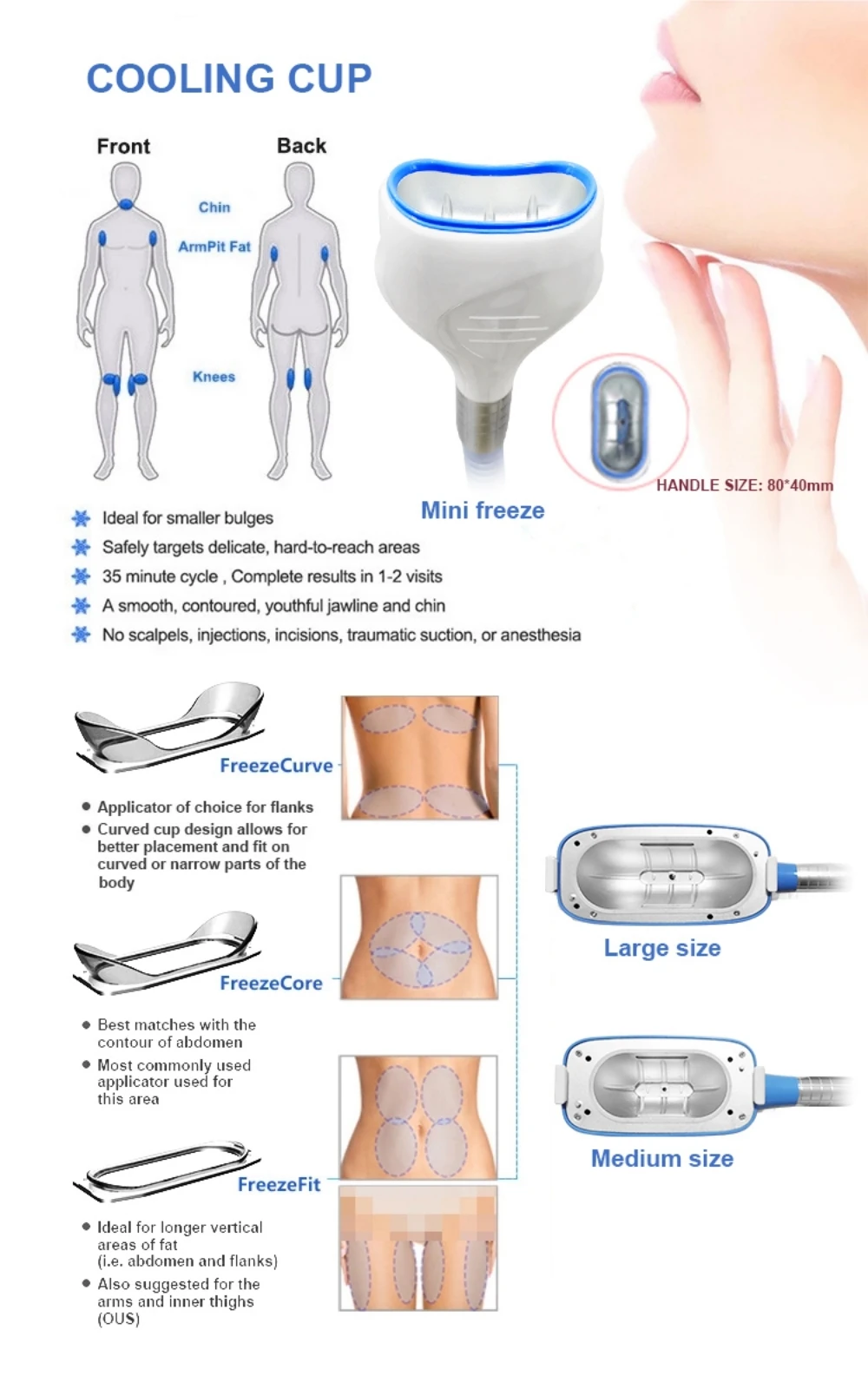
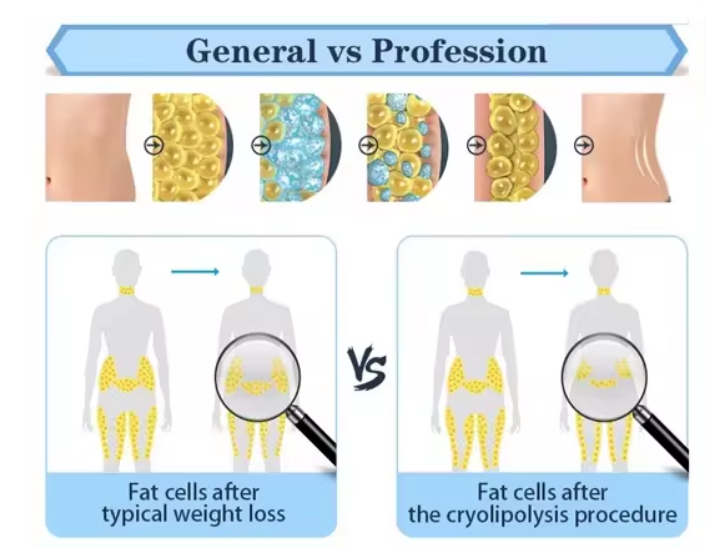
Frozen fat reduction is a non-invasive cosmetic procedure that uses controlled cooling to eliminate stubborn fat cells. This treatment, also known as cryolipolysis, freezes the targeted fat cells, which are then naturally eliminated by the body over time. It is an effective way to contour specific areas of the body without surgery or downtime.
Before diving into the post-treatment guidelines, let's understand the basics of frozen fat reduction, including its benefits and potential risks.
Preparing for Your Post-Treatment Phase
Prior to the frozen fat reduction procedure, you likely had a consultation with a qualified professional to assess your goals and determine your candidacy for the treatment. It's essential to have realistic expectations and understand the expected outcomes. Additionally, adopting a healthy lifestyle, including regular exercise and a well-balanced diet, can help support the effectiveness of the treatment.
Essential Post-Treatment Guidelines
1. Managing Pain and Discomfort: After the procedure, it is common to experience some soreness, redness, or swelling in the treated area. You can manage this discomfort by applying ice packs intermittently for the first few days. Over-the-counter pain relievers can also be used if recommended by your healthcare provider.
2. Rest and Recovery: Your body needs time to heal and recover after frozen fat reduction. Avoid intense physical activities and take ample rest for a few days. Follow your healthcare provider's instructions regarding any specific restrictions or recommendations for your recovery period.
3. Proper Diet and Nutrition: A healthy diet plays a crucial role in maintaining the results of your frozen fat reduction treatment. Focus on consuming a balanced diet rich in fruits, vegetables, lean proteins, and whole grains. Stay hydrated and limit the intake of sugary and processed foods.
4. Lifestyle Modifications: To maximize the long-term success of your frozen fat reduction, consider making lifestyle adjustments. Incorporate regular exercise, prioritize sleep, and avoid excessive alcohol consumption and smoking.
Post-Treatment Skincare and Maintenance
Proper skincare following frozen fat reduction can aid in minimizing swelling, bruising, and redness. Your healthcare provider may recommend specific skincare products or treatments to complement the procedure. It's crucial to follow their advice and maintain a consistent skincare routine.
Managing Side Effects and Complications
While frozen fat reduction is generally safe, there can be potential side effects or complications. Understanding the common side effects, such as bruising, numbness, or temporary skin sensitivity, is important to ensure an informed recovery. If you experience severe or prolonged side effects, or if you notice any unusual symptoms, reach out to your healthcare provider immediately.
The Role of Follow-Up Sessions and Assessments
Follow-up sessions and assessments with your healthcare provider are crucial to monitor your progress and ensure optimal results. They will evaluate the changes in your body and determine if any additional treatments or adjustments are necessary. It's essential to attend these sessions and communicate any concerns you may have.
Frequently Asked Questions (FAQs)
1. How long will it take to see results after frozen fat reduction?
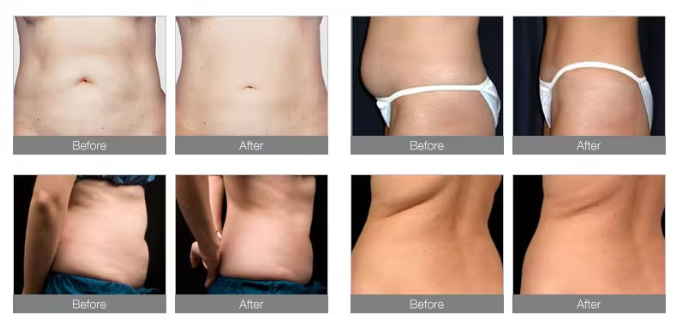
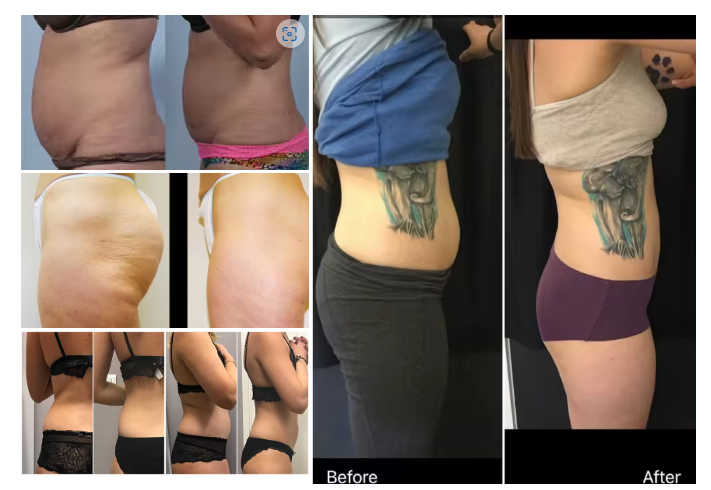
Results can vary from person to person. You may start noticing initial changes as early as three weeks after the treatment, with the most significant results appearing within two to four months.
2. Can I undergo multiple sessions of frozen fat reduction?
Depending on your goals and the recommendations of your healthcare provider, you may require multiple sessions to achieve your desired outcomes. They will guide you on the optimal treatment plan for your specific needs.
3. Is frozen fat reduction a permanent solution?
Frozen fat reduction can provide long-lasting results; however, it does not prevent future weight gain. Maintaining a healthy lifestyle, including regular exercise and a balanced diet, is essential for sustaining the outcomes.
Conclusion
By following these essential post-treatment guidelines, you can optimize your results and promote a smooth recovery after frozen fat reduction. Remember, the success of the procedure relies not only on the treatment itself but also on how well you take care of your body and prioritize healthy habits. Consult with a qualified professional to create a personalized post-treatment plan tailored to your needs. Embrace the journey towards a more confident and contoured you!