Introduction
In today’s fast-growing beauty and aesthetic industry, technology is reshaping the way professionals understand and diagnose the skin. Traditional skin evaluation relies heavily on visual inspection and experience, which often leads to subjective interpretations and inconsistent results. However, with the rise of advanced AI skin analysis systems, professionals now have access to a smarter, more accurate, and more consistent diagnostic method.
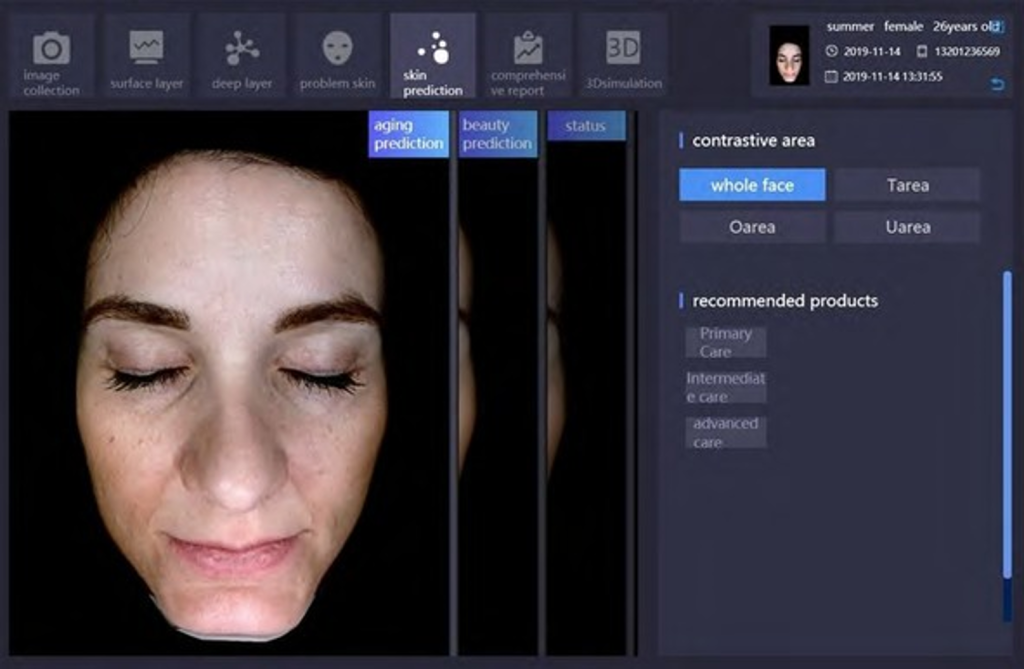
AI-powered skin analyzers are transforming clinics and beauty centers worldwide. These devices capture high-definition images, analyze skin conditions using machine learning, and produce comprehensive reports within seconds. For beauty salons, dermatologist clinics, and medical spas, adopting AI skin analysis is no longer a luxury—it is becoming a necessary standard for building trust and offering precise treatment recommendations.
This article explores how AI skin analysis works, why it outperforms traditional methods, and how professional-grade devices enhance business credibility, treatment accuracy, and customer satisfaction.
Background / Problem
Skin conditions are often complicated and influenced by numerous factors—genetics, lifestyle, hormones, stress, pollution, and even climate. Yet many clinics still rely on:
-
Manual observation
-
Basic magnifying lamps
-
Subjective judgment
-
Client self-description
These methods lead to several challenges:
-
Inconsistent or inaccurate diagnosis
-
Difficulty detecting early skin problems
-
Limited insight into deep-layer issues
-
Hard to measure treatment progress
-
Low client trust due to “guesswork” feeling
-
Difficulties recommending targeted beauty treatments
Today’s clients expect professional skincare to be scientific, data-driven, and transparent. Without modern diagnostic tools, clinics can lose customers to competitors offering more advanced and reliable analysis methods.
This creates a powerful need for AI-powered, high-precision, automated skin analyzers, which provide measurable data, accurate insights, and personalized treatment planning.
Technology / Mechanism
AI skin analysis combines imaging technology, machine learning algorithms, and dermatological research to deliver fast, precise results. Here's how it works:
1. Multi-Spectrum Imaging
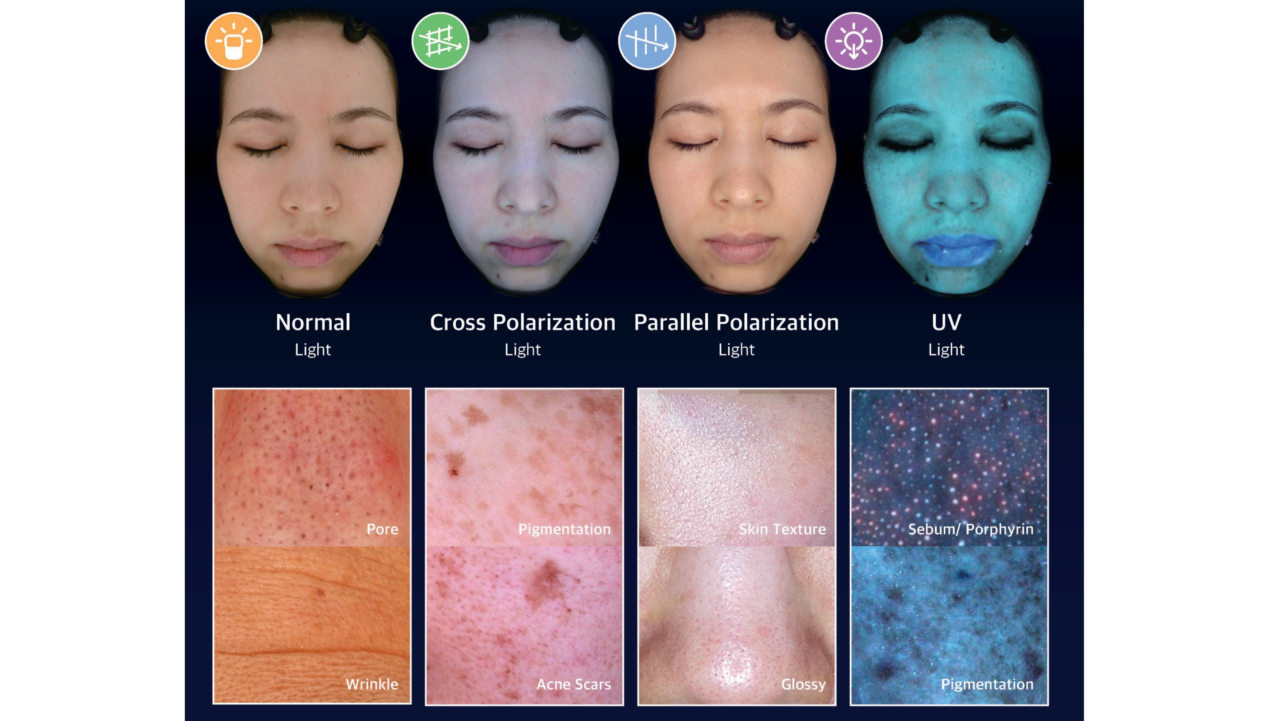
Professional skin analyzers use multiple types of light—RGB, UV, polarized, parallel, and cross-polarized illumination.
This allows the system to detect:
-
Surface wrinkles and texture
-
Pigmentation and melanin distribution
-
UV damage
-
Sebum levels
-
Redness and vascular visibility
-
Pores and acne bacteria
-
Moisture content
-
Elasticity and firmness indicators
These are areas that the human eye cannot fully detect.
2. AI Algorithm Processing
The device compares captured images with extensive dermatological databases. AI models are trained using thousands or even millions of skin samples to identify abnormalities with high accuracy.
The system can evaluate:
-
Age-related changes
-
Inflammatory markers
-
Early signs of skin aging
-
Hidden pigmentation under the skin
-
Bacterial activity
-
Future risks (acne breakouts, worsening pigmentation, etc.)
3. Automated Report Generation
AI systems generate easy-to-understand reports that show:
-
Skin score
-
Problem severity ranking
-
Highlighted problem zones
-
Recommended treatments
-
Before/after comparison predictions
This empowers professionals to create personalized treatment plans.
4. Data Tracking for Long-Term Progress
By storing client history, AI analyzers allow clinics to track improvements over time—helping prove treatment effectiveness and boosting repeat visits.
Advantages / Benefits
1. Accurate, Objective Skin Diagnosis
AI eliminates guesswork. Clients receive data-driven results instead of verbal descriptions.
2. Higher Professional Credibility
Clinics using AI skin analyzers instantly appear more scientific, modern, and trustworthy.
3. Precise Treatment Recommendations
Whether the clinic offers RF tightening, hydrafacial, microdermabrasion, HIFU, IPL, or microneedling, AI reports suggest the most suitable options.
4. Early Detection of Hidden Problems
AI can identify issues long before they appear on the surface—allowing early intervention and better results.
5. Strong Client Retention
Clear before-and-after comparisons encourage clients to continue treatment.
6. Increased Sales of Beauty Treatments
When clients see real data, they feel more confident purchasing:
-
Facial treatments
-
Deep cleaning procedures
-
Anti-aging programs
-
Pigmentation treatments
-
Acne and pore treatments
7. Essential for Premium Aesthetic Clinics
High-end clinics now consider AI skin analyzers as foundational equipment alongside hydrafacial machines, RF devices, and laser systems.
8. Enhanced Communication
Reports help professionals clearly explain skin issues, making clients feel understood and cared for.
Applications / Client Needs
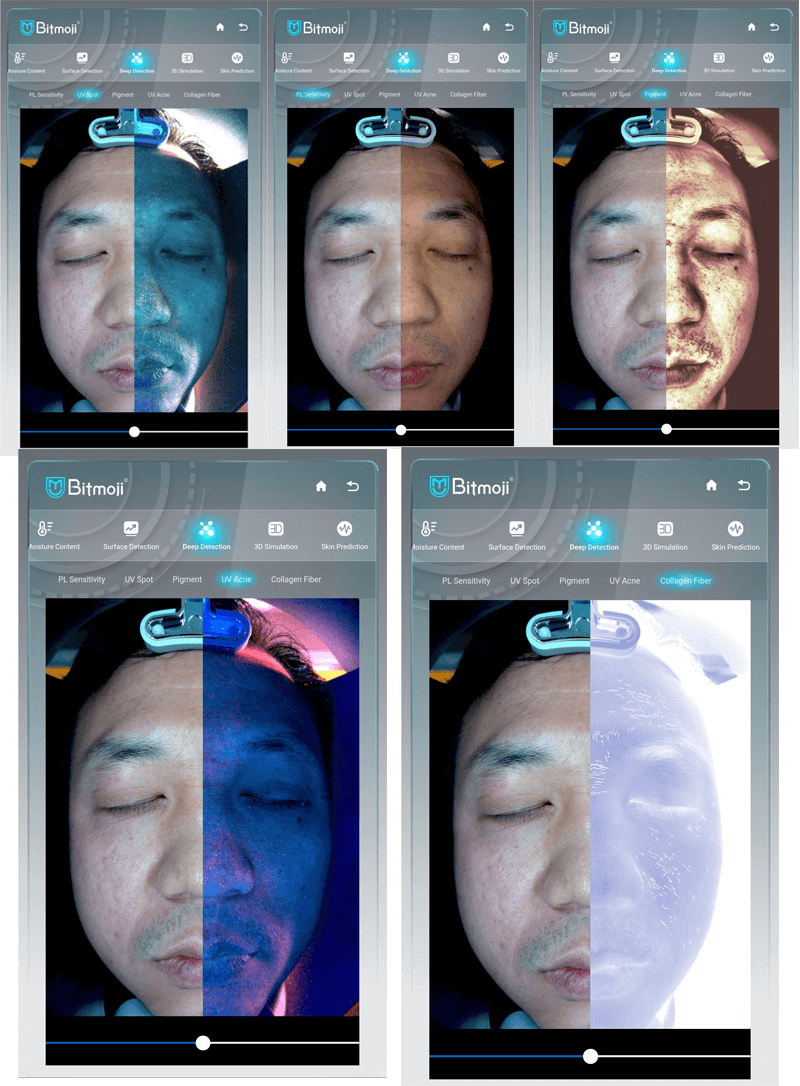
AI skin analysis helps with:
-
Acne evaluation
-
Pigmentation mapping
-
Sensitivity and redness diagnosis
-
Skin aging assessment
-
Treatment planning for lasers, RF, HIFU, IPL
-
Hydration and barrier condition monitoring
-
Tailored skincare product recommendations
-
Treatment progress tracking
-
Marketing—creating a premium client experience
In clinics, AI analyzers are used before every treatment to ensure accuracy and safety.
Conclusion
AI skin analysis is redefining professional skincare diagnostics. Its precision, speed, and scientific approach allow clinics to offer customized treatment plans with confidence. For professionals, AI analyzers improve client trust, increase treatment conversion, and elevate the overall brand image.
In a highly competitive beauty industry, clinics equipped with professional AI skin analysis devices stand out as modern, credible, and results-driven. As clients continue to demand technology-backed solutions, AI skin diagnosis is quickly becoming an essential tool for elevating treatment quality and ensuring consistent, measurable results.
Founded in 2008, Guangzhou GLM Beauty Spa Equipment Factory specializes in research, development, manufacture and selling of beauty and slimming machines. Our production base is located in Guangzhou City, Guangdong Province, China. Since our foundation, we have introduced advanced technologies and equipment, to assure high quality and high performance of our products. With professional marketing guide and excellent after-sales service, our products have been exported to over 20 countries and regions, including Southeast Asia, the Middle East, Europe and the United States, won worldwide praises and gained a good reputation.