Introduction
The body contouring industry has evolved dramatically over the past decade. Clients are no longer looking solely for invasive surgical procedures to reshape their bodies. Instead, they increasingly seek non-invasive and low-downtime treatments that can help reduce stubborn fat, improve body definition, and enhance confidence without the risks associated with surgery.
Among the many technologies available today, lipo laser has emerged as one of the most popular non-invasive fat reduction solutions offered by aesthetic clinics, medical spas, wellness centers, and body contouring studios worldwide.
However, owning advanced body contouring equipment is only one part of the equation. The true value of any treatment lies in the knowledge, skill, and professionalism of the clinician operating it.
This is why every body contouring practitioner should consider obtaining professional certification in lipo laser technology. Certification not only improves treatment outcomes but also enhances client safety, strengthens business credibility, and helps clinics differentiate themselves in an increasingly competitive market.
Background/Problem
The Growing Demand for Non-Invasive Body Contouring
Modern consumers are becoming more educated about aesthetic treatments. They actively research procedures online, compare providers, read reviews, and often ask detailed questions before booking appointments.
As a result, clients expect more than simply having access to advanced equipment. They want assurance that their treatment provider understands:
- Fat reduction science
- Body anatomy
- Treatment protocols
- Safety procedures
- Expected outcomes
- Contraindications and client suitability
Unfortunately, not all body contouring providers receive formal education on the technologies they use.
Many clinics invest heavily in equipment but spend relatively little time training operators. This can lead to:
- Inconsistent results
- Unrealistic client expectations
- Reduced customer satisfaction
- Safety concerns
- Lower client retention
In a highly competitive beauty industry, even minor treatment inconsistencies can affect a clinic's reputation.
Certification helps bridge this gap by providing standardized knowledge and practical skills that support safer and more effective treatments.
Technology/Mechanism
What Is Lipo Laser?
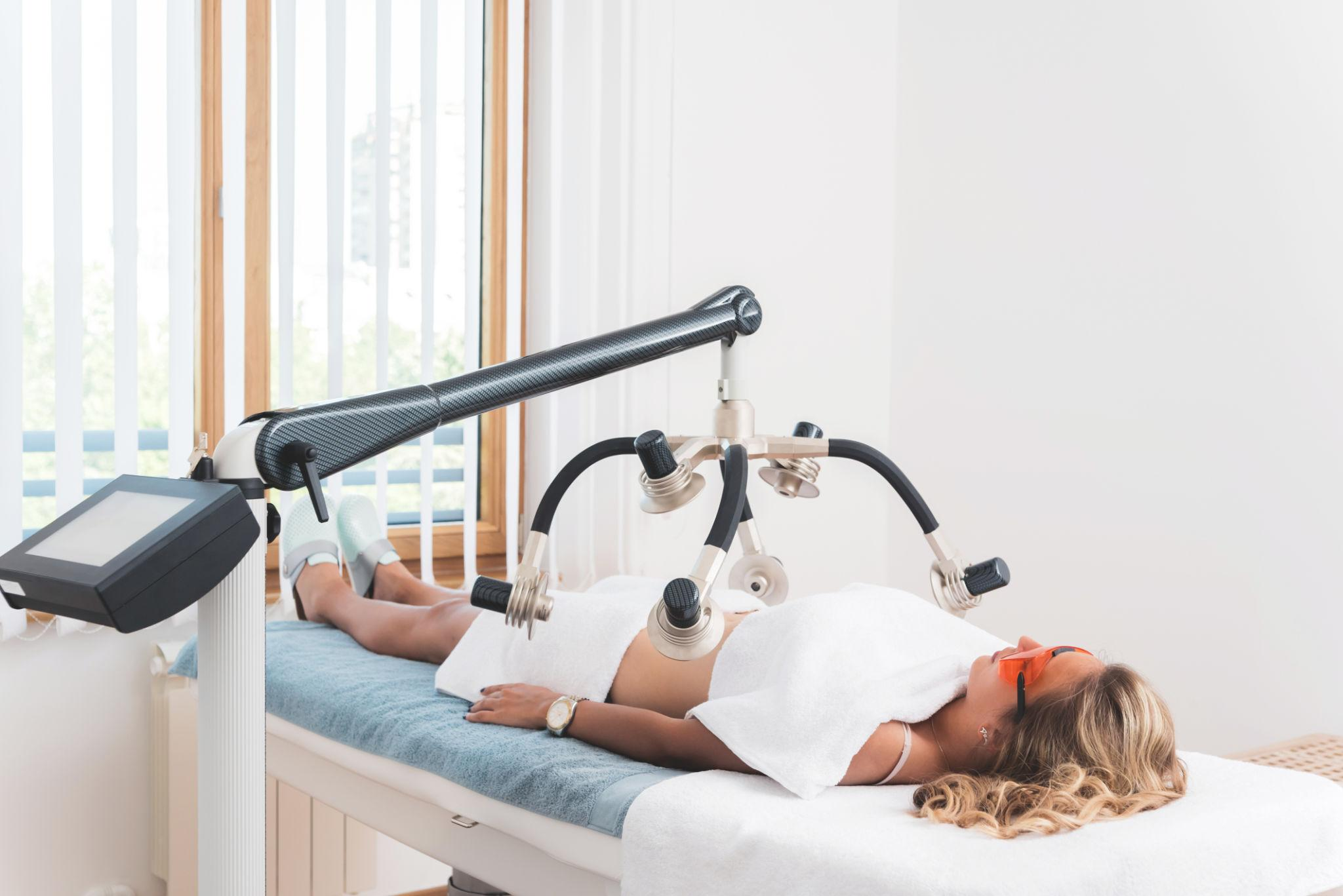
Lipo laser, often referred to as low-level laser lipolysis or laser fat reduction technology, uses low-level laser energy to target fat cells beneath the skin.
Unlike traditional liposuction, which physically removes fat through surgery, lipo laser treatments are non-invasive and require no incisions or anesthesia.
How the Technology Works
The laser energy penetrates the skin and interacts with adipose (fat) tissue.
This process is believed to temporarily increase the permeability of fat cell membranes, allowing stored fatty acids, water, and glycerol to be released from the cells.
The body's natural metabolic and lymphatic systems then help process and eliminate these released contents over time.
Many professional lipo laser systems are integrated with complementary technologies such as:
- Vacuum therapy
- Radio frequency (RF)
- EMS muscle stimulation
- Lymphatic drainage
- Infrared therapy
These combination treatments can help create more comprehensive body contouring programs while improving the overall client experience.
Why Proper Training Matters
Although lipo laser treatments are non-invasive, achieving consistent outcomes requires an understanding of:
- Client assessment
- Body composition analysis
- Treatment planning
- Device parameter selection
- Session scheduling
- Post-treatment recommendations
Certification programs help practitioners understand not only how the technology functions but also how to apply it effectively in real-world clinical settings.
Advantages/Comparison
Certified Clinicians Deliver Better Results
A certified practitioner understands how to customize treatments according to individual client needs.
Every body is different. Factors such as:
- Age
- Lifestyle
- Hydration
- Metabolism
- Fat distribution
- Medical history
can influence treatment outcomes.
Rather than applying a one-size-fits-all approach, certified clinicians learn how to develop personalized treatment protocols that maximize client satisfaction.
Improved Safety Standards
Client safety should always remain the highest priority.
Certification training typically covers:
- Contraindications
- Risk management
- Treatment documentation
- Client consultation procedures
- Emergency protocols
This knowledge helps practitioners identify clients who may not be suitable candidates for treatment and reduces the likelihood of complications.
Increased Professional Credibility
Today's clients value expertise.
When a clinic promotes certified body contouring professionals, it immediately communicates a higher level of professionalism and commitment to quality care.
Certification can become a powerful trust-building tool during consultations because clients feel more confident when treatments are performed by trained specialists.
Stronger Business Reputation
Word-of-mouth marketing remains one of the most effective growth drivers for aesthetic businesses.
Satisfied clients are more likely to:
- Leave positive reviews
- Recommend services
- Purchase treatment packages
- Return for maintenance sessions
Better results often translate directly into stronger long-term business performance.
Certified Providers vs. Non-Certified Providers
| Factor | Certified Provider | Non-Certified Provider |
|---|---|---|
| Technology Knowledge | Advanced | Limited |
| Treatment Customization | High | Variable |
| Safety Awareness | Comprehensive | Inconsistent |
| Client Confidence | Strong | Moderate |
| Professional Credibility | Higher | Lower |
| Long-Term Business Growth | Stronger | Less Predictable |
While advanced equipment is important, the operator's expertise frequently determines the overall client experience.
Applications/Client Needs
Meeting Modern Client Expectations
Today's body contouring clients are seeking more than fat reduction alone.
They often want:
- Improved body shape
- Better waist definition
- Post-weight-loss contouring
- Cellulite appearance improvement
- Enhanced confidence
- Non-surgical solutions
Certified clinicians are better equipped to evaluate these goals and recommend appropriate treatment plans.
Supporting Multi-Technology Treatment Programs
Many modern clinics use multiple body contouring technologies together.
Examples may include:
Lipo Laser + RF Skin Tightening
Ideal for clients who want both circumference reduction and skin firmness improvement.
Lipo Laser + Vacuum Therapy
Useful for improving circulation and supporting lymphatic drainage.
Lipo Laser + EMS
Suitable for clients seeking body sculpting and muscle toning simultaneously.
Certification helps practitioners understand how these technologies can work together safely and effectively.
Creating Premium Treatment Experiences
Professional training often leads to better consultation processes.
Clients appreciate practitioners who can clearly explain:
- How treatments work
- Expected timelines
- Realistic outcomes
- Maintenance recommendations
These educational conversations build trust and contribute to a more premium service experience.
For clinics investing in professional body contouring equipment, operator expertise can become just as important as the technology itself.
Conclusion
As the non-invasive body contouring industry continues to expand, professional standards are becoming increasingly important.
Lipo laser technology offers clinics and aesthetic practitioners an effective solution for clients seeking non-surgical body shaping treatments. However, equipment alone does not guarantee successful outcomes.
Certification provides clinicians with the knowledge, practical skills, and confidence necessary to deliver safe, consistent, and personalized treatments. It improves client trust, strengthens clinic credibility, enhances treatment outcomes, and supports long-term business growth.
For body contouring professionals looking to stay competitive in a rapidly evolving aesthetic market, becoming certified in lipo laser technology is no longer simply an advantage—it is quickly becoming an industry expectation.
A clinic may invest in the latest technology, but it is the trained professional behind the device who ultimately creates exceptional client results
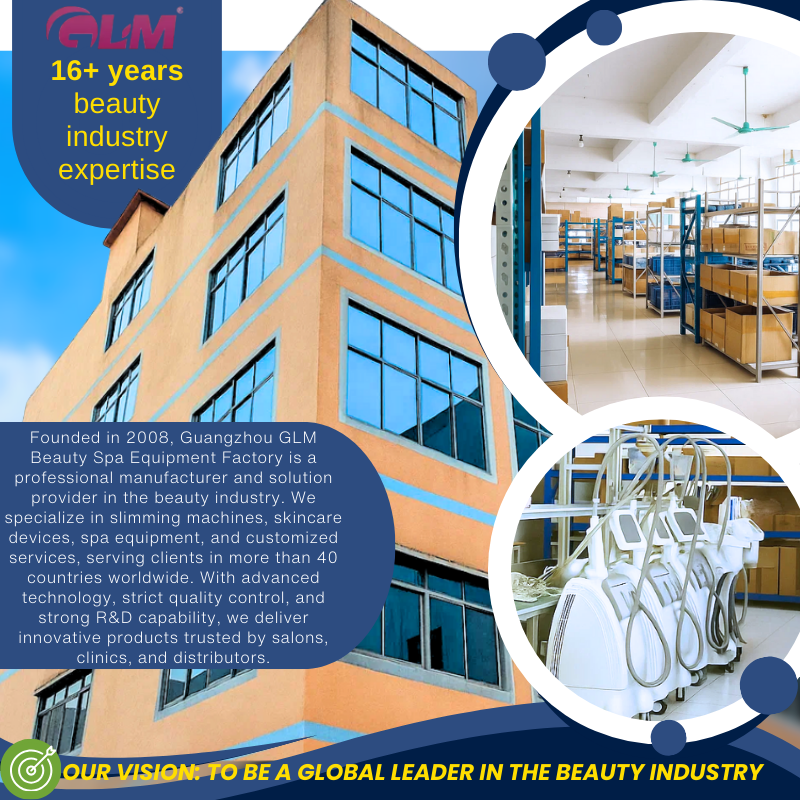
Founded in 2008, Guangzhou GLM Beauty Spa Equipment Factory specializes in research, development, manufacture and selling of beauty and slimming machines. Our production base is located in Guangzhou City, Guangdong Province, China. Since our foundation, we have introduced advanced technologies and equipment, to assure high quality and high performance of our products. With professional marketing guide and excellent after-sales service, our products have been exported to over 20 countries and regions, including Southeast Asia, the Middle East, Europe and the United States, won worldwide praises and gained a good reputation