1. Introduction
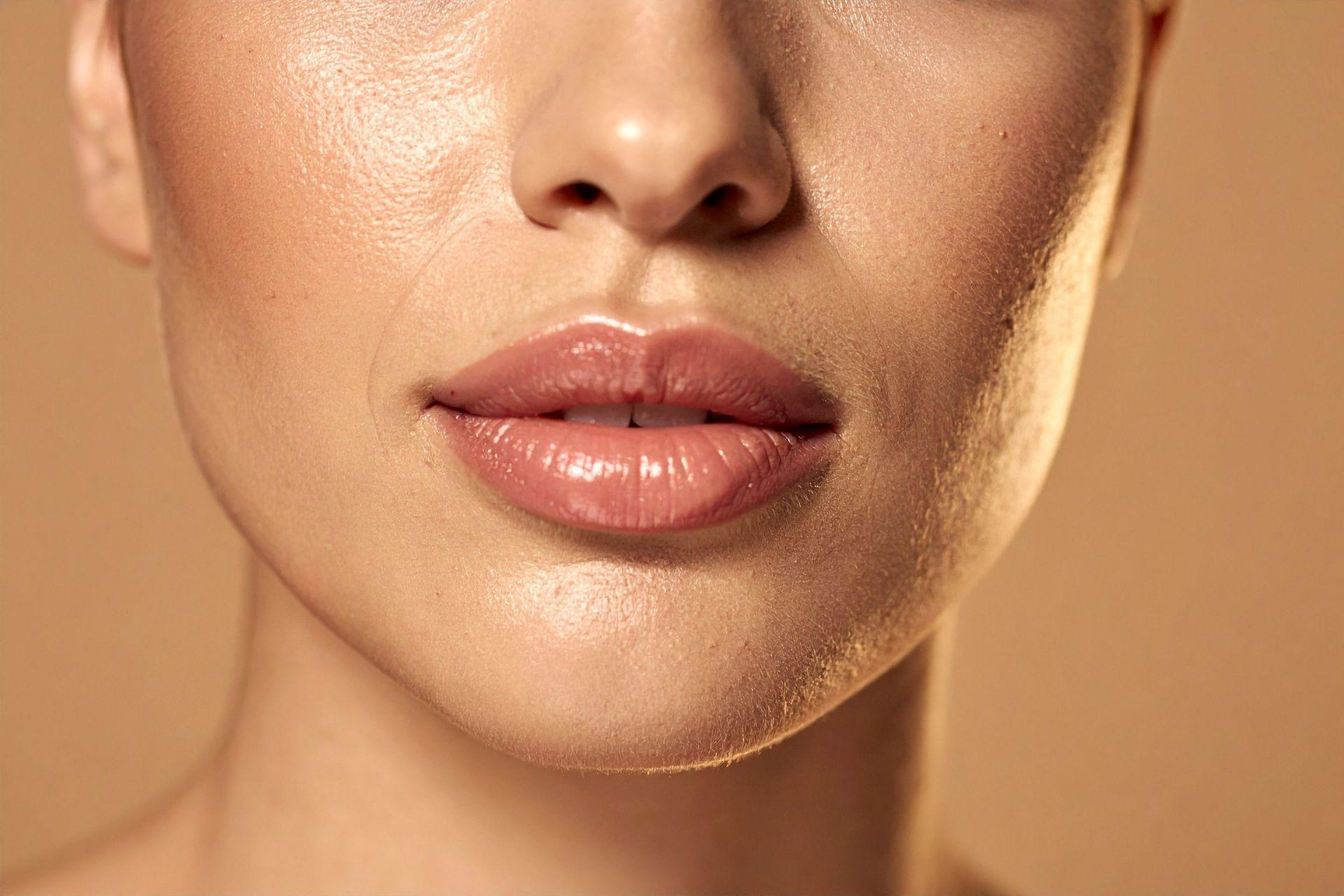
For years, injectable lip fillers have been one of the most recognizable options for achieving fuller, more defined lips. However, the aesthetics industry is entering a new phase in 2026. Consumers are increasingly interested in natural-looking enhancement, improved lip texture, long-term hydration, and treatments that fit into a broader skin health routine.
This shift does not necessarily mean that lip fillers are disappearing. Instead, it reflects a more diverse market in which clients can choose between injectable procedures, topical lip care, light-based treatments, and other non-invasive aesthetic services according to their goals.
Recent beauty industry coverage has highlighted growing interest in needle-free lip-enhancing products and the evolution of lip care into a dedicated category focused on hydration, visible fullness, and long-term skin qualit
For professional beauty salons, aesthetic clinics, and equipment suppliers, this creates an important opportunity. Lip care can become part of a broader facial treatment menu rather than remaining limited to lip balm, makeup, or injectable procedures.
Professional aesthetic technology may support this transition through targeted LED photobiomodulation, skin-quality treatments around the mouth, and carefully designed facial protocols. The key is understanding what these technologies can realistically achieve, where their limitations lie, and how to integrate them into a responsible service offering.
The central question is no longer simply whether technology can replace lip fillers. It is how technology can expand the range of lip-enhancement options while supporting natural-looking results and long-term lip care.
2. Background and Problem: Why Are Clients Exploring Alternatives to Lip Fillers?
2.1 The demand for natural-looking results
Beauty preferences continue to evolve. Some clients still want noticeable volume, but others prefer subtle improvements that preserve their natural lip shape.
Their priorities may include:
-
Softer-looking vertical lip lines.
-
Improved hydration and a smoother surface.
-
More visible lip contours without dramatic enlargement.
-
A healthier-looking appearance with less emphasis on cosmetic intervention.
-
Convenient maintenance routines that fit into everyday life.
For these clients, enhancement is not always about adding volume. It may be about improving the appearance of the lips and the surrounding skin while maintaining facial balance.
This distinction matters for professional service providers. A client who wants better hydration may not need the same treatment as someone seeking a substantial increase in lip volume. Effective consultation begins by identifying the actual concern rather than recommending a single procedure to everyone.
2.2 Concerns about injections, maintenance, and downtime
Injectable fillers can deliver immediate, measurable changes in lip volume and shape. However, they also require an appropriately qualified medical professional, careful anatomical assessment, and an understanding of possible complications.
Temporary swelling, bruising, asymmetry, and lumps can occur. More serious complications, including vascular occlusion and tissue injury, are also possible.
Some clients are uncomfortable with needles or prefer to avoid injectable treatments. Others want a gradual approach to aesthetic maintenance or are simply not ready to commit to a procedure.
These preferences create room for non-invasive services. Nevertheless, non-invasive does not automatically mean risk-free, and it does not guarantee results comparable to injectable fillers.
Professional providers should communicate the differences clearly, helping clients choose treatments based on realistic expectations rather than marketing promises.
2.3 From lip plumping to lip longevity
One of the more important developments in 2026 is the growing emphasis on maintaining lip quality over time.
Lip care is increasingly being discussed in terms of hydration, barrier support, texture, and preventive maintenance rather than immediate cosmetic volume alone. Industry reporting on hybrid lip products reflects this broader interest in combining visible enhancement with ongoing care.
For aesthetic clinics, this opens the door to a more comprehensive service model: treatments designed to improve the appearance of the lips and perioral area, combined with appropriate home care and follow-up.
The commercial opportunity lies in building a treatment pathway that meets different client needs—not in claiming that every client can replace fillers with a machine.
3. Technology and Mechanism: How Is Non-Invasive Lip Enhancement Evolving?
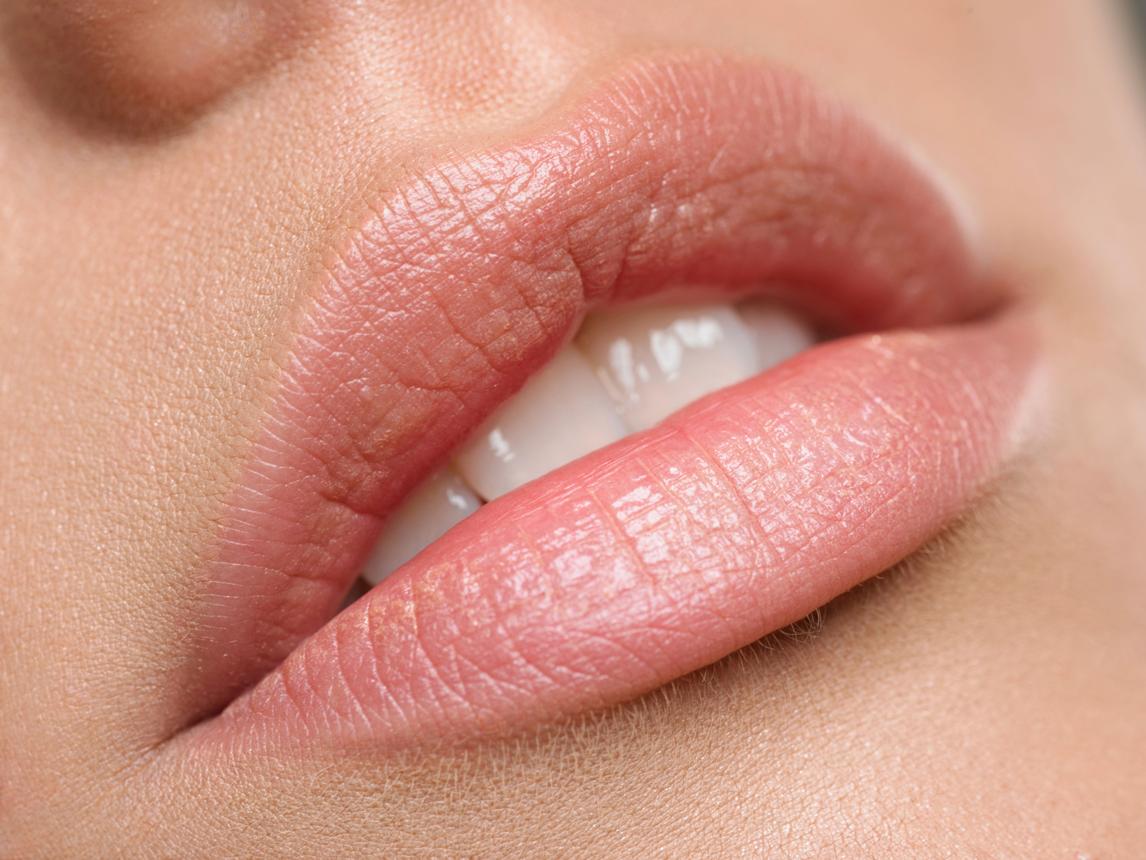
3.1 LED photobiomodulation: Supporting skin quality around the lips
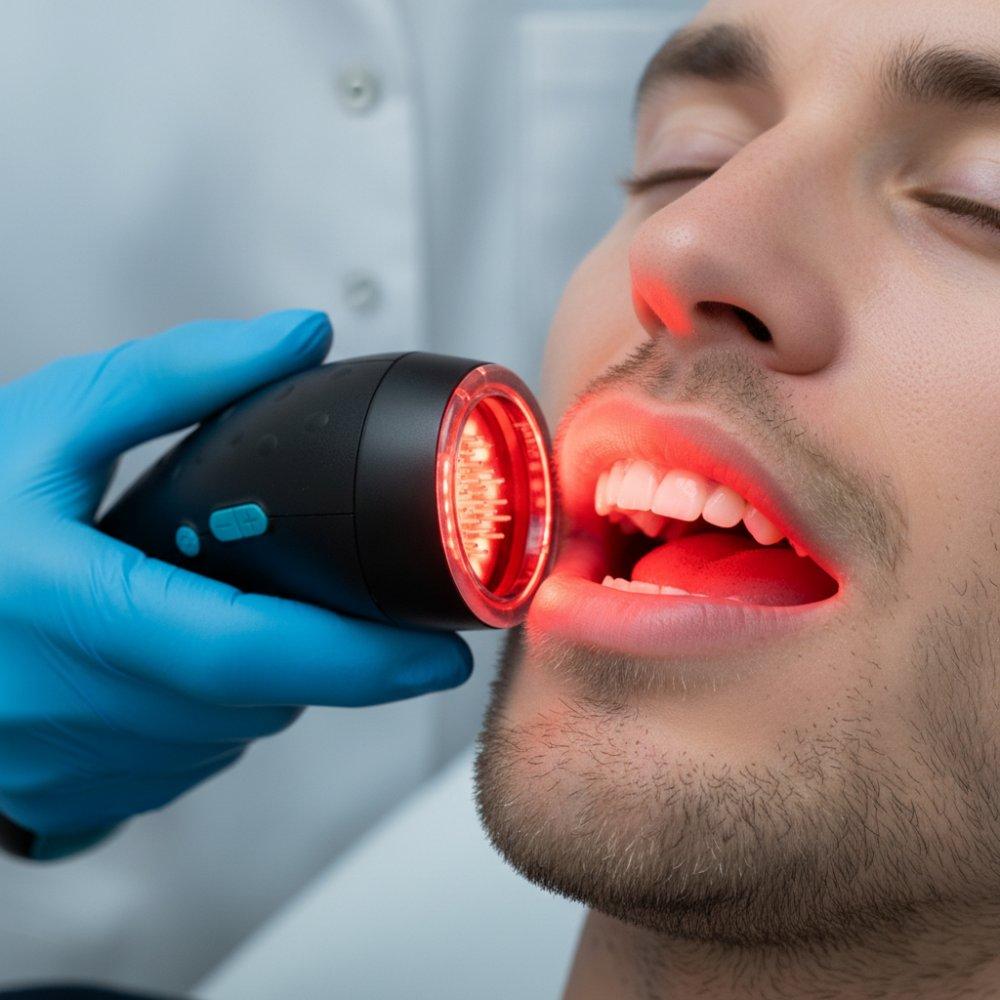
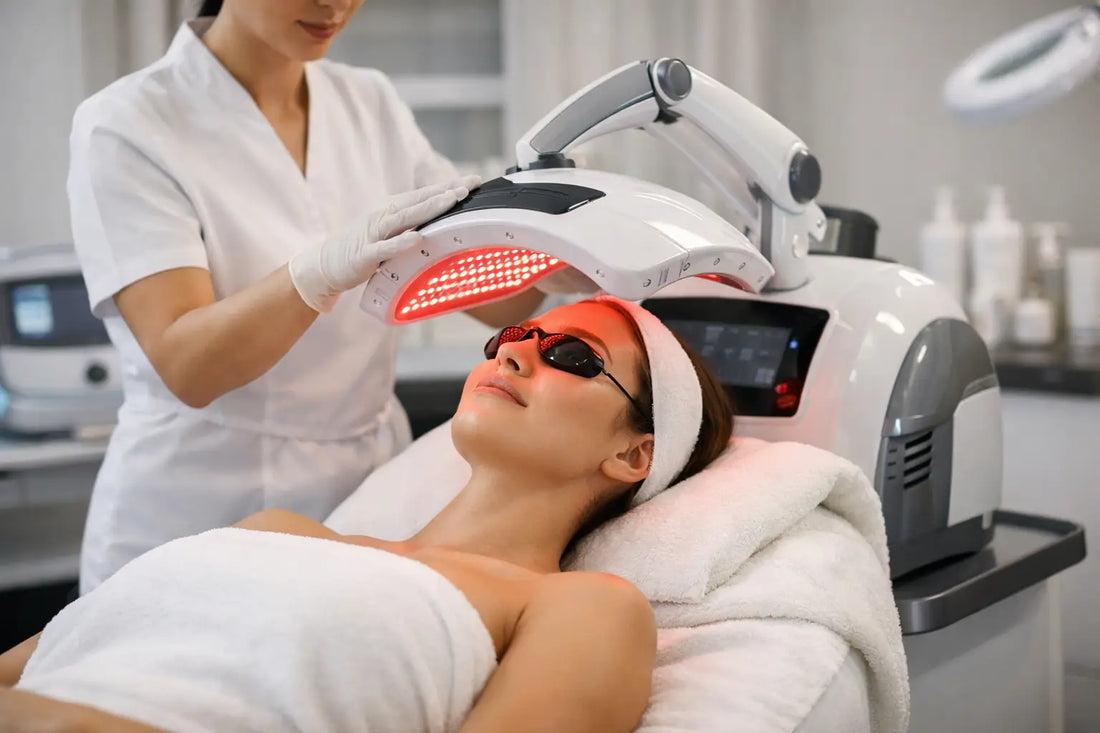
Light-emitting diode (LED) photobiomodulation is attracting attention as consumers explore non-invasive approaches to skin maintenance. Unlike injectable fillers, LED devices do not physically introduce a volumizing substance into the lips.
Instead, photobiomodulation uses specific wavelengths of light to interact with biological processes in tissue. Red and near-infrared wavelengths have been investigated for their potential effects on cellular signaling, inflammation, and skin repair. Outcomes depend on wavelength, energy delivery, treatment parameters, and the condition being treated.
For lip-related services, the potential focus is on the surrounding skin and overall appearance rather than dramatic enlargement. Depending on the device and its intended use, a professionally designed light-based protocol may support skin-quality goals, such as improving the appearance of fine lines or maintaining a smoother-looking perioral area.
However, evidence from general facial photobiomodulation cannot automatically be applied to every lip-specific treatment. Direct clinical evidence for sustained lip-volume enhancement remains limited, and LED treatment should not be presented as equivalent to injectable augmentation.
What this means for professional clinics: LED technology can provide an additional non-invasive service for clients interested in skin maintenance, particularly when treatment goals are clearly defined and results are evaluated over time.
3.2 Hydration-focused treatments: Improving the appearance of lip texture
Hydration is another important part of modern lip care. The lips have a relatively thin outer protective layer and lack the oil glands found in much of the surrounding skin, making them susceptible to dryness and environmental stress.
When the lips are dry, fine lines may become more noticeable and the surface can appear less smooth. Appropriate topical moisturizers, barrier-supporting ingredients, and sun protection can help maintain lip condition.
Some professional facial systems incorporate hydration-focused steps, gentle cleansing, and cosmetic serums into broader facial protocols. These approaches may improve the appearance of the surrounding skin and support a well-maintained look.
Nevertheless, a facial hydration device should not be assumed to be suitable for direct lip application. Applicators, formulations, and energy delivery systems must be appropriate for the treatment area. Devices intended for facial skin may require different protocols or may not be indicated for the vermilion of the lips at all.
Hydration can temporarily create a fuller-looking appearance, but it does not reproduce the structural volume produced by a dermal filler.
3.3 Radiofrequency and other energy-based treatments: Understanding the boundaries
Radiofrequency (RF) technology is widely used in professional aesthetics for selected skin-tightening and skin-quality applications. It delivers electrical energy that produces controlled heating in targeted tissues, with treatment effects depending on device design, temperature, depth, and protocol.
For appropriate indications, RF may support improvements in the appearance of certain facial skin concerns. However, general RF facial treatments should not be marketed as direct lip-volume replacement procedures.
The lip tissue is delicate, and the area has specific anatomical and functional considerations. Equipment must be used only for indications and treatment areas supported by its instructions and applicable regulations. Heating sensitive tissue without an appropriate indication can introduce unnecessary risk.
The same principle applies to ultrasound and other energy-based systems. A technology that is useful for body contouring or deeper facial treatments is not automatically suitable for lip enhancement.
For manufacturers and distributors, this distinction is commercially important. Accurate product positioning, clear operating instructions, suitable applicators, and evidence-based claims help professional buyers understand where a device belongs in a treatment portfolio.
3.4 Digital consultation and personalized treatment planning
Technology also improves lip-related services without directly treating the lips.
High-resolution photography, standardized before-and-after images, digital skin analysis, and consultation software can help professionals document visible concerns and explain treatment options.
For example, a clinic may use consistent lighting and facial positioning to assess lip dryness, visible fine lines, and the appearance of the surrounding skin over several appointments. These records can help distinguish genuine changes from differences in lighting, makeup, hydration, or facial expression.
Digital documentation does not replace clinical judgment, and ordinary skin-analysis cameras cannot necessarily measure lip volume accurately. However, a structured consultation process can improve communication, expectation management, and the perceived professionalism of a service.
3.5 Lip longevity: Combining immediate care with ongoing maintenance
Lip longevity is best understood as a long-term approach to maintaining appearance and skin condition—not a promise of permanent enlargement.
A practical strategy may combine:
-
Daily use of appropriate lip moisturizers and broad-spectrum sun protection.
-
Avoidance of habits and environmental exposures that repeatedly irritate the lips.
-
Professionally selected non-invasive treatments when indicated.
-
Consistent documentation and periodic reassessment.
-
Referral to a qualified medical professional when the client wants substantial volume enhancement or has a medical concern.
This model gives clinics more opportunities to support clients between major aesthetic procedures while keeping treatment recommendations grounded in evidence.
4. Advantages and Comparison: Technology vs. Injectable Lip Fillers
Neither technology-based treatments nor fillers are universally superior. They address different concerns and should be evaluated according to the client's desired outcome.
|
Treatment option |
Primary purpose |
Expected type of result |
Main limitation |
|---|---|---|---|
|
Hyaluronic acid lip fillers |
Add volume and adjust lip contour |
Noticeable structural enhancement |
Injectable risks; qualified medical administration required |
|
LED photobiomodulation |
Support selected skin-quality goals |
Potential gradual improvement in skin appearance |
Does not provide filler-like volume; lip-specific evidence is limited |
|
Topical lip care |
Maintain hydration and surface condition |
Softer, smoother, more hydrated appearance |
Results depend on formulation and continued use |
|
Appropriate perioral skin treatments |
Address selected concerns around the mouth |
Improvements in the appearance of treated skin |
Not necessarily suitable for direct lip treatment |
|
Digital assessment tools |
Document and monitor visible changes |
Better consultation and progress tracking |
Cannot independently deliver treatment or guarantee outcomes |
4.1 Non-invasive treatments offer a different entry point
For clients who are not interested in injections, a non-invasive treatment can provide a lower-commitment starting point for aesthetic maintenance.
A salon or clinic may offer a consultation, a suitable skin-quality treatment, and a home-care plan without suggesting that these services will create the same degree of fullness as a filler.
This approach can also help professionals build trust. When clients understand the likely benefits and limitations before treatment, they can make better-informed decisions.
4.2 Professional equipment offers greater protocol control
Professional devices may provide adjustable treatment parameters, dedicated applicators, documented operating procedures, and training resources that support consistent service delivery.
These features can be valuable when a treatment is appropriate for the device and the operator is properly trained.
However, professional equipment is not automatically more effective or safer than home-use equipment simply because it is more powerful. The relevant factors include intended use, evidence, safety controls, operator competence, and compliance with local regulations.
For clinics, the strongest investment case is not maximum output. It is whether a device can reliably support a defined service, meet client needs, and fit into the clinic's existing workflow.
4.3 Technology expands the menu rather than eliminating fillers
Fillers remain an option for clients who want a more substantial change in lip volume or contour. Non-invasive approaches may appeal to clients focused on hydration, subtle skin-quality improvements, or maintenance.
Some clients may choose both approaches at different stages of their aesthetic journey, under appropriate professional guidance.
The most sustainable business strategy is therefore to build a differentiated service portfolio rather than frame the market as a competition in which one technology must eliminate every alternative.
5. Applications and Client Needs: How Can Professional Clinics Use These Trends?
5.1 Build a non-invasive lip-care service category
Beauty salons and aesthetic clinics can consider introducing a dedicated lip-care option within their existing facial services, provided that the treatments are suitable for the area and permitted under local regulations.
A service pathway might include an initial consultation, assessment of the client's goals, appropriate hydration-focused care, and an indicated LED treatment for the surrounding skin. Follow-up appointments can evaluate changes in skin appearance and help clients maintain a consistent routine.
The objective is to create a coherent service rather than simply adding a device to the treatment room. Each step should have a defined purpose, and the clinic should avoid claiming that a combination of treatments guarantees fuller lips or permanent results.
5.2 Match treatment options to different client profiles
Different clients have different priorities. A structured consultation helps professionals recommend suitable options.
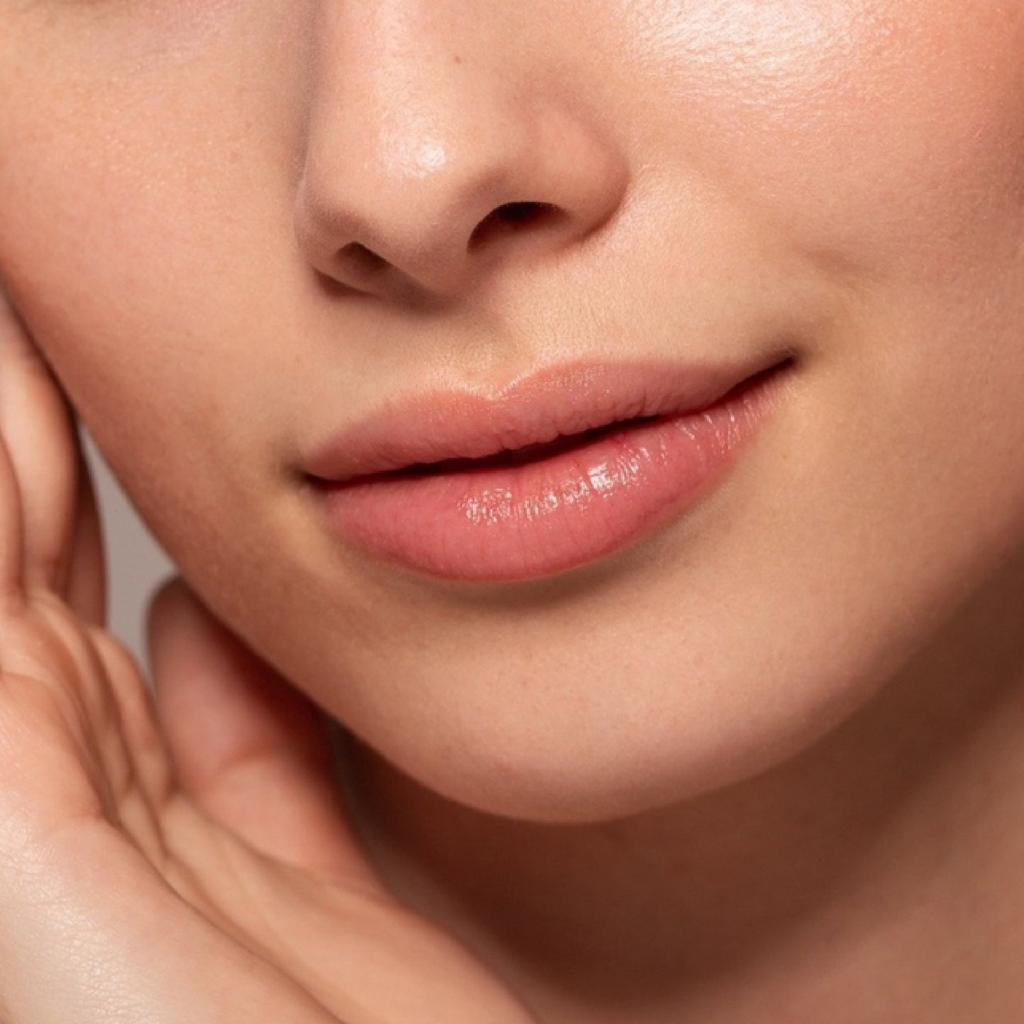
Clients seeking hydration and smoother-looking lips
Appropriate topical lip care and barrier-supporting routines may be the first choice. Professional facial services can complement these measures when their protocols are suitable for the area.
Clients interested in non-invasive skin maintenance
A properly indicated LED service may fit into a broader skin-quality program. Explain that improvements are not equivalent to the volume increase achieved with fillers.
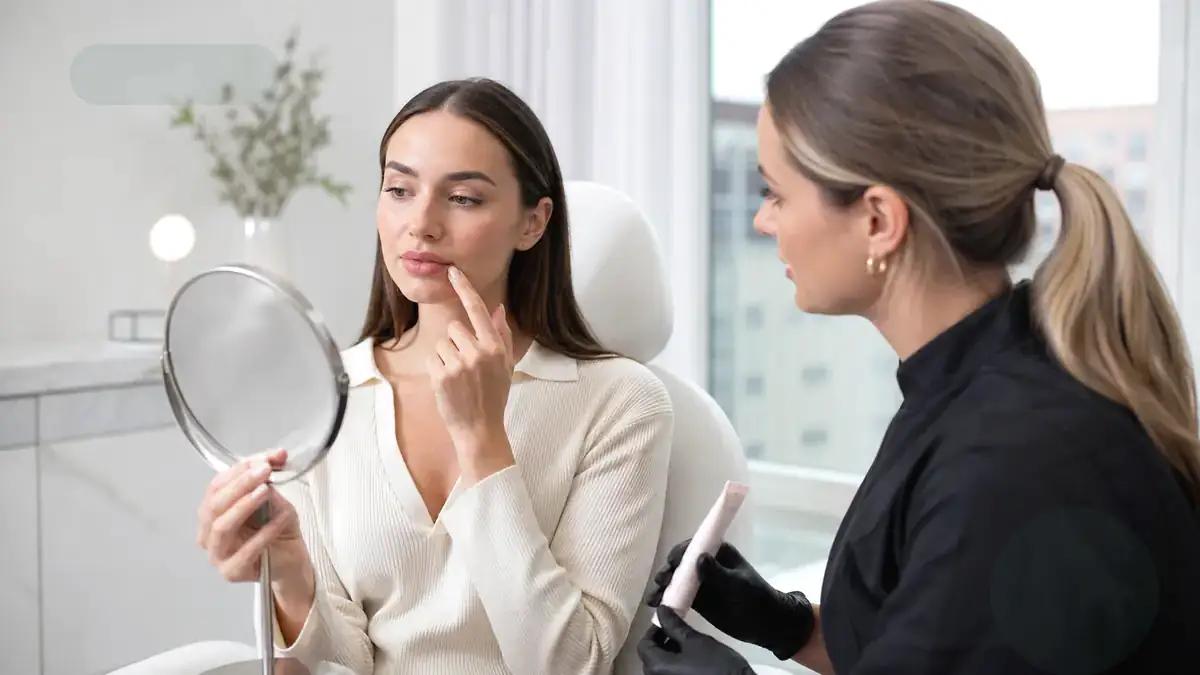
Clients seeking a substantial increase in lip volume
Refer clients to an appropriately qualified medical professional to discuss suitable options, including injectable treatments, risks, expected duration, and alternatives.
5.3 Create value through treatment planning and follow-up
A professional service becomes more valuable when clients understand the purpose of each appointment and know how progress will be evaluated.
Clinics can establish standardized photographs, provide clear aftercare instructions, record the products and devices used, and schedule reassessment according to the treatment protocol.
This approach supports transparency and helps distinguish short-term hydration effects from longer-term changes. It also gives practitioners a basis for refining their services in response to actual client feedback.
For equipment suppliers, these operational needs create opportunities beyond selling a standalone machine. Buyers may also value staff training, technical support, protocol guidance, maintenance services, and reliable documentation.
5.4 What should clinics and equipment buyers look for?
Before investing in a device for lip-related services, professional buyers should evaluate several factors:
-
Indications and treatment area: Confirm that the manufacturer explicitly supports the intended application.
-
Safety and compliance: Check applicable certifications, regulatory status, contraindications, and operating requirements for the target market.
-
Evidence and claims: Request credible evidence for the specific outcome being promoted, particularly claims involving lip volume, collagen stimulation, or lasting results.
-
Usability: Assess whether the interface, applicators, treatment parameters, and training materials support consistent operation.
-
Business fit: Consider client demand, treatment time, consumable costs, staff training, and how the service complements existing offerings.
For manufacturers, transparent specifications and realistic performance claims are more valuable than positioning every energy-based device as a universal solution.
6. Conclusion: The Future of Lip Enhancement Is More Personalized
Are lip fillers being replaced by technology in 2026? Not entirely. The more significant development is the expansion of the lip-enhancement market beyond injectable volume augmentation.
Consumers are showing interest in needle-free alternatives, hydration-focused care, skin-quality maintenance, and more personalized approaches to facial aesthetics. LED photobiomodulation and other suitable professional technologies may contribute to selected skin-maintenance goals, while digital documentation and structured consultations can improve treatment planning.
These approaches have clear limitations. They cannot be assumed to reproduce the structural volume created by fillers, and evidence for sustained lip enlargement through non-invasive devices remains limited. Responsible providers must distinguish established capabilities from emerging possibilities.
For professional salons, aesthetic clinics, and beauty equipment manufacturers, the opportunity is to develop services around specific client needs rather than promise one solution for everyone. A carefully selected device, trained operators, realistic claims, and consistent follow-up can help create a more comprehensive aesthetic service offering.
Ultimately, the next phase of lip enhancement is likely to be defined not by the disappearance of fillers, but by greater choice. Technology can help broaden that choice—supporting skin-quality maintenance and non-invasive care where appropriate, while preserving a clear role for qualified medical procedures when clients want more substantial changes in lip volume
Founded in 2008, Guangzhou GLM Beauty Spa Equipment Factory specializes in research, development, manufacture and selling of beauty and slimming machines. Our production base is located in Guangzhou City, Guangdong Province, China. Since our foundation, we have introduced advanced technologies and equipment, to assure high quality and high performance of our products. With professional marketing guide and excellent after-sales service, our products have been exported to over 20 countries and regions, including Southeast Asia, the Middle East, Europe and the United States, won worldwide praises and gained a good reputation