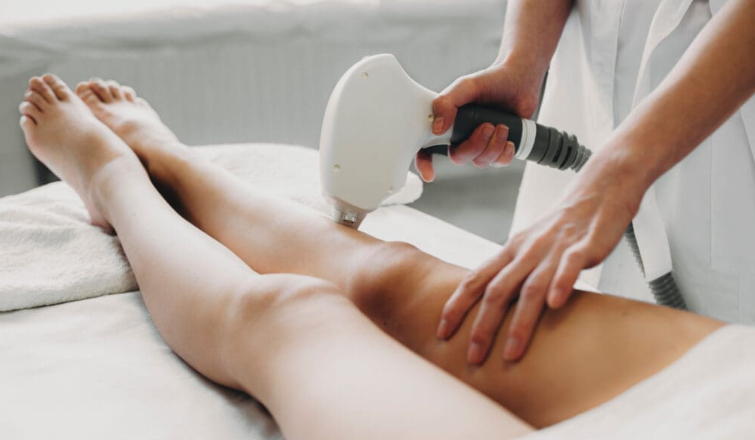
A Comprehensive Analysis of Laser Hair Removal: Principles, Process, Precautions and Effect Presentation
In the current pursuit of physical beauty and smooth skin, laser hair removal, as an efficient and relatively long-lasting hair removal method, is increasingly favored by more and more people. It can not only precisely remove excess hair from multiple areas such as the armpits, arms, legs and bikini zones, but also restore a smooth touch to the skin and get rid of the trouble of "goosebumps". However, for many people who are interested in trying laser hair removal, there are still many questions in their minds: What types of laser hair removal are there exactly? How many treatments are needed to complete the entire hair removal process? Which parts of the body are suitable for laser hair removal? Will there be any pain during the hair removal process? What matters should be noted before and after the treatment? What exactly is the difference in effect before and after laser hair removal? Next, this article will provide comprehensive and in-depth answers to these questions.
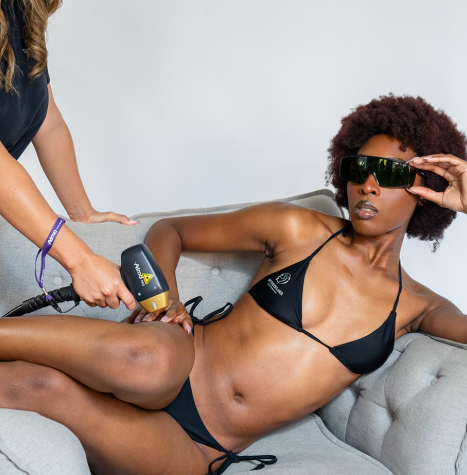
I. The Principle and Mechanism of Laser Hair Removal
(1) Definition of Laser Hair removal
Laser hair removal is essentially a technical approach based on the concept of permanent hair removal. The core principle lies in using the thermal energy generated by the laser to precisely act on the hair root area. The hair root area is rich in melanocytes, which have a high absorption capacity for lasers of specific wavelengths. When the laser energy is absorbed by melanocytes, it is rapidly converted into heat energy, which then causes damage to the hair, hair roots and the tissues connected to them, including the blood vessels that provide necessary nutrients for hair growth. This destructive effect will directly cause the hair follicle stem cells to lose their activity, thus preventing them from generating signals that promote hair growth and achieving the goal of permanently reducing hair.
(2) The influence of the hair growth cycle
Hair growth is not continuous but follows certain cyclical patterns, including the anagen phase, the catagen phase and the telogen phase. During the growth period, hair follicles are active and hair grows rapidly. During the regression phase, the growth of hair follicles slows down. During the resting phase, the hair follicles are in a relatively static state. Laser hair removal is most effective for hair in the growth phase, as the melanin content in hair follicles is relatively high at this stage and the absorption of laser energy is also the strongest. As the treatment progresses, the growth cycle of new hair will gradually slow down. The newly grown hair will become thinner, lighter in color, and its quantity will also continuously decrease. However, it should be noted that since hair is in different growth cycles, a single laser hair removal cannot completely remove all the hair. Usually, multiple treatments are needed to achieve the desired effect.
(3) Wavelength Adjustment and Personalized Treatment
Laser hair removal is regarded as an effective and relatively permanent hair removal method mainly because it can flexibly adjust the wavelength of the laser according to the hair color, skin color and characteristics of different individuals. Hair and skin of different colors absorb laser wavelengths differently. By precisely adjusting the wavelength, it can be ensured that the laser energy can act more accurately on the target hair follicle, while minimizing damage to the surrounding normal skin to the greatest extent. In addition, some advanced laser devices also have multi-functional features. By adjusting the laser Settings, they can simultaneously meet the dual needs of hair removal and skin care, providing patients with a more comprehensive beauty solution.
Ii. Applicable Areas for laser Hair Removal
(1) Facial hair treatment
Laser beard and sideburn hair removal: For men, the management of facial beard and sideburn hair is of vital importance. Laser hair removal can effectively remove excess beard and hair at the temples, making the facial contour clearer and neater, and reducing skin irritation and folliculitis caused by frequent shaving. For some men who pursue a fresh and clean image or those whose appearance is affected by uneven hair distribution, laser hair removal offers a long-lasting and effective solution.
Hair removal at the corners of the mouth and upper lip: If there is excessive hair at the corners of a woman's mouth and upper lip, it often causes trouble and affects the beauty of the face. Laser hair removal can precisely remove these fine hairs, making the facial skin smoother and more delicate, and enhancing the overall image. At the same time, it avoids the possible pain and skin damage caused by traditional hair removal methods such as plucking and waxing.
Hairline adjustment: The shape of the hairline has a significant impact on a person's facial proportions and overall temperament. For those with thick hair along the hairline who wish to make their forehead appear smoother, flatter and wider, laser hair removal is an ideal choice. In addition, some people who have skin discomforts such as forehead rashes and dermatitis due to their own hairline problems can also improve their symptoms and enhance their quality of life through laser hair removal.
(2) Hair removal from other parts of the body
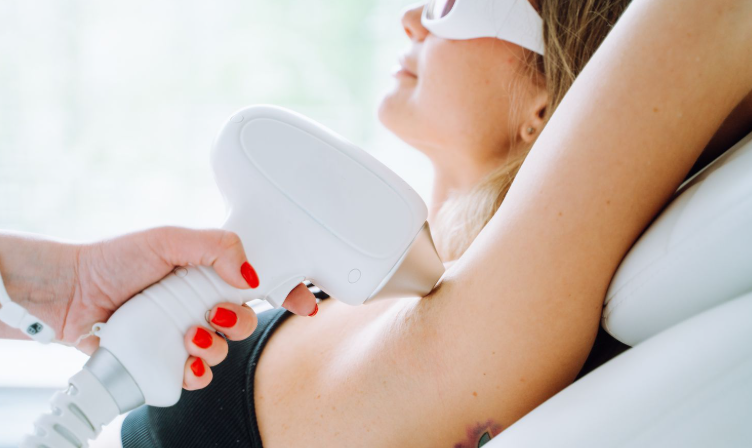
Laser removal of armpit hair: Hair in the armpit area not only affects appearance but is also prone to bacterial growth and unpleasant odors. Using laser to remove hair under the armpits can not only effectively reduce the inward growth of hair follicles (i.e., ingrown hair), but also avoid skin irritation and damage caused by traditional hair removal methods such as shaving or waxing. After laser hair removal, the skin in the armpit area becomes fresher and smoother, which helps to reduce the generation of unpleasant odors and enhance personal hygiene and image.
Laser hair removal for arms and legs: Arms and legs are relatively conspicuous parts of the human body. Excessive hair can affect the overall appearance. Laser hair removal can completely remove all the hair on the arms and legs, making the skin present a smooth, transparent texture and a more delicate touch. Whether wearing short sleeves and shorts in summer or engaging in water activities, one can confidently show off perfect skin.
Bikini laser hair removal (private laser hair removal) : Hair treatment in the bikini area or private parts has always been a focus of attention for many people. Laser hair removal can remove the hair that may be exposed along the inner waistline in these areas, meeting the needs of different people for the beauty and hygiene of private parts. In addition, there are various types of private laser hair removal methods available for selection, such as Brazilian laser hair removal and Hollywood laser hair removal, which can be personalized according to personal preferences and needs.
Laser hair removal on the chest, back or abdomen: For those who want to remove hair from the chest, abdomen or back, laser hair removal offers a safe and effective solution. Due to reasons such as hormone levels, the hair in these areas of men is often thicker. Laser hair removal can make the skin in these areas smoother and fairer, enhancing personal image and self-confidence. If women have excessive hair in these areas, they can also improve it through laser hair removal.
Removing ingrown hair: Ingrown hair is a common skin problem, mainly caused by abnormal thickening of the skin inside the pores, blocking the pores and forming raised papules, which hinders the normal growth of hair. Laser treatment for ingrown hair can improve the condition of ingrown hair and reduce its quantity by destroying the roots of the hair that attempts to grow. After multiple treatments, it can effectively improve the roughness of the skin surface and restore the skin to its smoothness.
Iii. Preparations Before Laser Hair Removal
(1) Taboos two weeks before hair removal
Two weeks before planning to undergo laser hair removal, one should avoid performing any form of hair removal operations on their own, including using traditional scrapers, electric hair removers, home photoelectric hair removers, hair removal creams, and waxing hair removal, etc. These hair removal methods may cause varying degrees of irritation to the skin, leading to damage to the skin barrier function and thus affecting the effectiveness of laser hair removal. In addition, after self-hair removal, some chemical substances or hair fragments may remain on the skin surface, increasing the risk of adverse skin reactions during laser treatment, such as folliculitis.
(2) Skin condition examination
If the skin shows signs of redness, itching or damage, laser hair removal treatment should be suspended. The skin is more sensitive in these conditions and has a reduced tolerance to laser energy. Undergoing laser treatment can easily aggravate skin damage and cause more serious skin problems, such as infection and pigmentation. It is not recommended to undergo laser hair removal until the skin has fully recovered to health.
(3) Sun protection requirements
Two weeks before laser hair removal, the skin should avoid prolonged exposure to the sun. Ultraviolet rays in sunlight can cause damage to the skin, making it sensitive and fragile. During laser treatment, this damaged skin is more susceptible to the stimulation of laser energy, which can lead to serious consequences such as burns, redness, blisters, and even scabs and scars. Therefore, before hair removal, it is essential to take proper sun protection measures, such as applying sunscreen, wearing a sun hat, and using an umbrella, to ensure that the skin is in good condition.
(4) Contraindicated groups
The following groups of people are prohibited from laser hair removal:
People with photosensitive constitutions: Individuals with photosensitive constitutions are more sensitive to light. After undergoing laser treatment, their skin is more prone to photosensitive reactions, leading to discomforts such as redness, swelling, itching, and rashes, and may even trigger severe allergic reactions.
Those who have recently taken photosensitive foods or medications: Some foods and medications are photosensitive, such as celery and isotretinoin. After taking these substances for a period of time, the human body's sensitivity to light will increase. If laser hair removal is carried out at this time, the risk of adverse skin reactions will increase significantly.
Patients with pacemakers or defibrillators: During operation, laser devices generate electromagnetic fields, which may interfere with the normal functioning of pacemakers or defibrillators, thereby endangering the patient's life safety. Therefore, such patients are prohibited from undergoing laser hair removal treatment.
Patients with damaged skin at the treatment site: If the skin at the treatment site has damage such as breakage, ulcers, or inflammation, laser treatment will aggravate the skin damage, delay wound healing, and may even lead to the spread of infection, causing more serious health problems.
Pregnant women, people with diabetes, heart disease and hypertension: The body of a pregnant woman is in a special physiological state, and laser treatment may have potential effects on the fetus. Diabetic patients, due to poor blood sugar control and weak skin healing ability, are prone to problems such as infection and non-healing of wounds after laser treatment. Patients with heart disease and hypertension may experience dangerous conditions such as blood pressure fluctuations and arrhythmia during laser treatment due to factors like tension and pain, increasing the treatment risks.
Skin cancer patients: The skin of skin cancer patients already has lesions. Laser treatment may stimulate the growth and spread of cancer cells, aggravating the condition. Therefore, laser hair removal is prohibited for patients with skin cancer.
Those with allergic constitutions or scar-prone constitutions; People with a history of keloids: Those with allergic constitutions are prone to allergic reactions to substances such as gels and medications that may be used during laser treatment, leading to symptoms such as redness, swelling, itching, and rashes on the skin. People with a tendency to form scars and those with a history of keloids tend to develop obvious scars on their skin after being injured. Laser treatment may aggravate the formation of scars and affect appearance.
Those who are taking vasodilators or anti-arthralgia drugs; Those who have recently taken photosensitive foods or medications: These drugs may affect the blood circulation of the skin and its response to laser energy, increasing the risk of adverse skin reactions during laser treatment.
People with blood diseases or coagulation disorders: These patients have abnormal coagulation functions. After laser treatment, when there is a wound on the skin, they are prone to continuous bleeding, increasing the risk of infection and other complications.
Iv. Key Points of Care after Laser Hair Removal
(1) Sun protection measures
After laser hair removal, the skin's sensitivity to ultraviolet rays will increase significantly. Therefore, direct sunlight must be strictly avoided. Once again, the importance of sun protection before and after the surgery is emphasized. Intense ultraviolet radiation not only leads to tanning of the skin, but may also cause pigmentation, skin aging and other problems, and even affect the effect of laser hair removal. For a period of time after hair removal, when going out, apply high-spf, broad-spectrum sunscreen and reapply it regularly. At the same time, try to avoid going out during the periods when the sun is strong. When going out, wear a sun hat, sunglasses, and use an umbrella and other physical sun protection measures to fully protect the skin from ultraviolet rays.
(2) Avoid high-temperature stimulation
After hair removal, the pores are in an open state and the skin is relatively sensitive. At this time, it is advisable to avoid taking a sauna, as the high-temperature environment can cause the skin blood vessels to dilate, aggravating the redness, swelling and discomfort of the skin, and may also increase the risk of infection. At the same time, it is necessary to avoid using water that is too hot to irritate the skin. When taking a bath, warm water should be chosen. Within 6 hours after laser hair removal, activities such as bathing and swimming should be basically avoided to prevent bacteria and other microorganisms in the water from entering the pores and causing inflammation.
(3) Moisturizing care
Within 24 hours after laser hair removal, it is necessary to enhance skin moisturization. You can choose moisturizing products with strong moisturizing properties, low allergenicity and a light texture. Avoid using moisturizing products containing essential oils, as essential oils may irritate the skin. Moisturizing can help the skin repair its damaged barrier function, relieve discomfort symptoms such as dryness and tightness, and promote skin recovery.
(4) Adjustment of living habits
In terms of diet: Alcohol should be avoided within one week after laser hair removal, as it may affect the blood circulation and repair ability of the skin. At the same time, avoid going to high-temperature places such as saunas, sweat saunas, and hot springs. These environments can cause more skin sweating and increase the risk of infection. In addition, it is necessary to consume more foods rich in vitamin C, such as oranges, lemons, strawberries, etc. Vitamin C has antioxidant properties, which can enhance immunity, reduce pigment production, and help whiten and repair the skin. Eat less photosensitive foods, such as Chinese chives, celery, soy sauce, papaya, etc. These foods may increase the skin's sensitivity to ultraviolet rays, leading to pigmentation.
Redness and swelling treatment: If the skin shows redness and swelling after hair removal, the temperature of the epidermis should be reduced as much as possible to alleviate the inflammatory response. Cold spray, ice application and other methods can be used, but it should be noted that the ice application time should not be too long to avoid frostbite to the skin. Each ice application can be controlled for about 10 to 15 minutes and can be done multiple times a day.
Product usage contraindications: During the treatment period, the use of any functional or hormone-containing products is strictly prohibited, as these products may interfere with the normal skin repair process and cause adverse skin reactions. At the same time, it is necessary to avoid further irritation to the skin after treatment. Choose cleansing products that do not damage the sebum film, and avoid using scrubbing or exfoliating products before and after treatment to prevent damage to the skin barrier. In addition, it is necessary to avoid using skin care products that contain fragrances, pigments, excessive preservatives and alcohol components, as these ingredients may cause skin allergies or irritation.
V. Possible Side Effects of Laser Hair Removal and Countermeasures
(1) Persistent erythema and blisters
A small number of patients may experience adverse reactions such as persistent erythema or blisters after laser hair removal. This is usually related to excessive therapeutic energy, dull skin tone or improper skin care after treatment. If the erythema persists or blisters appear after treatment, medical attention should be sought as soon as possible. Doctors will take corresponding measures based on the specific situation for treatment, such as applying anti-inflammatory ointment locally and applying cold compresses. Early intervention can significantly reduce the risk of subsequent adverse reactions and promote skin recovery.
(2) Abnormal pigmentation
After laser hair removal, some patients may experience abnormal pigmentation, including hyperpigmentation and hypopigmentation. These changes are usually temporary, generally lasting for 6 to 9 months, and will gradually improve over time. During the recovery period, patients should pay attention to taking good sun protection measures and avoid direct sunlight to reduce the aggravation of pigmentation. In very rare cases, permanent hypopigmentation may occur, but this situation is rather uncommon.
(3) Scar formation
Scar formation is a relatively rare side effect of laser hair removal, but once it occurs, it may have a significant impact on the patient. Scars are often seen in cases where skin burns are caused by excessive energy during surgery or severe secondary infections occur after surgery. To prevent the formation of scars, doctors should strictly control the laser energy during the treatment process to ensure its safety. After treatment, patients should also strictly follow the doctor's advice for care to avoid skin infections. If unfortunately a scar appears, one should seek medical attention promptly. Doctors will develop a personalized treatment plan based on the type and severity of the scar, such as laser therapy or surgical removal.
(4) Contradictory hair irritation
Sometimes, laser hair removal may cause hair growth, a situation that is more common in patients with darker skin or women with abnormal androgen levels. The mechanism of its occurrence may be related to the change in the activity of hair follicle stem cells caused by the stimulation of laser on hair follicles. If such a situation occurs, the patient should communicate with the doctor in a timely manner. The doctor will adjust the treatment plan based on the specific circumstances, such as changing the laser parameters or increasing the number of treatments.
(V) Secondary urticaria-like reactions
In rare cases, secondary urticaria-like reactions may occur after laser hair removal, manifested as urticaria-like wheals after the surgery. This might be caused by an individual's allergy to certain substances during the laser treatment process or excessive skin irritation. If this situation occurs, oral antihistamines can be used for treatment to relieve symptoms such as itching and redness. At the same time, patients should avoid further contact with substances that may cause allergies and inform the doctor of their allergic conditions during subsequent treatment so that the doctor can take corresponding preventive measures.
Vi. Introduction to Different Types of Laser Hair Removal Technologies
(1) IPL hair removal technology
Definition and principle: IPL, or Intense Pulsed Light, is currently recognized as one of the more advanced hair removal technologies. It utilizes the principle of selective photothermal action, by emitting strong pulsed light of specific wavelengths to target the melanin in the hair follicles. After melanin absorbs light energy, it generates heat, causing the hair follicle tissue to degenerate, coagulate and die, thereby achieving the purpose of permanent hair removal.
Mechanism of action: IPL hair removal utilizes the selective photothermal effect of a patented intense pulsed light source, which enables melanocytes in hair follicles to selectively absorb light of specific wavelengths. When intense pulsed light shines on the skin, melanocytes absorb most of the light energy and convert it into heat energy. Meanwhile, the surrounding normal tissues absorb less of this wavelength of light and thus suffer less damage. Through this precise energy transfer, hair follicles can be selectively destroyed to achieve the effect of hair removal.
Advantages and characteristics
Thorough removal: IPL hair removal can penetrate deep into the dermis and subcutaneous fat tissue, acting on deep hair follicles in different areas, effectively removing deep hair and reducing the possibility of hair regrowth.
Harmless: During the treatment process, IPL hair removal does not cause obvious damage to the skin. The skin just treated may show a little redness and swelling, but this is a normal treatment reaction and will gradually subside within a few hours.
Fast speed: For areas with relatively less hair such as the upper lip and armpits, the treatment only takes 5 to 15 minutes. For areas with more hair such as the entire chest, abdomen, back or legs, although the treatment time will be extended accordingly, it still has a significant speed advantage compared to traditional hair removal methods.
Mild pain: Most patients report no obvious pain during the treatment process. A few patients may feel mild discomfort or a slight tingling, and some patients may experience mild itching. These feelings are usually within the tolerable range and will disappear on their own after the treatment ends.
(2) Diode laser hair removal technology
Definition and principle: The 808nm wavelength laser emitted by the diode hair removal device can effectively penetrate the epidermis and reach the target tissue (hair papilla) directly. The appropriate pulse duration causes fatal thermal damage to the target tissue; An appropriate energy density provides a strong enough energy output to cause deep damage to the target tissue. Appropriate epidermal protection measures ensure that sufficient damage is caused to the target tissue while the epidermis is hardly affected. The characteristics of 808nm wavelength laser, appropriate energy output and effective epidermal cooling jointly ensure the effectiveness and safety of the treatment. While meeting the above design requirements, the semiconductor hair removal equipment is specially designed with a multi-pulse laser that heats the hair follicles to 45℃ in a low energy density mode. By sliding the treatment handle, the hair follicles and growth stem cells lose their growth activity after a period of time (10Hz), thereby achieving the purpose of permanent hair removal.
Overview of Advantages
Safe and fast: Diode laser hair removal technology has been clinically verified for many years and has a high level of safety. Meanwhile, its treatment process is relatively quick and can save time for patients.
Sliding technology: By using a sliding treatment handle, the laser energy can be evenly distributed over the treatment area, enhancing the efficiency and effectiveness of the treatment.
Multi-pulse technology: Multi-pulse lasers can precisely control the output of laser energy based on the different states and depths of hair follicles, ensuring effective damage to the hair follicles.
Large spot technology: The design of a large spot can expand the treatment area, reduce the treatment time, and at the same time improve the uniformity of the treatment.
Ultra-high power: The high-power laser output can destroy hair follicles more quickly and improve the hair removal efficiency.
Ultra-long pulse width: An ultra-long pulse width enables the laser energy to continuously act within the hair follicles, enhancing the destructive effect on the hair follicles.
The safest, fastest, most painless and most efficient: Based on the above features, the 808nm semiconductor hair removal laser, compared with long-pulse 1064nm lasers, IPL and other equipment, not only has the safety of long-wavelength lasers, but also has advantages such as fast sliding technology, multi-pulse technology, large spot technology, 10Hz frequency technology, ultra-long pulse width and ultra-high power. It is currently the safest, fastest, painless, most efficient and preferred hair removal device.
Vii. Common Questions and Answers about Laser Hair Removal
(1) Will the skin get burned after laser hair removal?
After laser hair removal, the skin in the treated area may experience a certain degree of burning sensation. This is because the laser generates heat energy in the skin, which has a certain stimulating effect on the skin tissue. This burning sensation usually occurs within 1-2 days after laser hair removal, but it will disappear on its own over time. If the patient wants to relieve the burning sensation, they can use cold compresses. Apply a cold towel or ice pack to the treated area. Each cold compress should last for 10 to 15 minutes and can be done multiple times a day. In addition, applying soothing skin care lotions, such as those containing aloe vera, chamomile and other ingredients, can also help relieve symptoms.
(2) How many times does laser hair removal need to be done?
In most cases, a laser hair removal course consists of 6 to 12 sessions, but the exact number of sessions may vary depending on the laser treatment area and the hair problem. Generally speaking, it is recommended that patients undergo 5 to 8 courses of treatment and have laser therapy every 30 days or once a month to achieve the best results. This is because hair growth is cyclical, and the growth cycles of hair in different parts of the body vary. Moreover, each laser hair removal can only destroy about 20% of the hair in the growth phase. Through multiple treatments, hair of different growth cycles can be covered, gradually reducing the number and density of hair.
(3) Does laser hair removal take a long time?
The time required for laser hair removal depends on the treated area. For instance, laser underarm hair removal is relatively simple and usually takes 10 to 15 minutes to complete. However, if laser hair removal is required for the arms and legs, due to the larger treatment area and more hair, it may take longer. The specific time will vary depending on the individual's hair density and treatment needs. Before treatment, doctors will assess the patient's condition and inform them of the approximate treatment time.
(4) Will the hair grow back after laser hair removal?
Each laser hair removal session destroys approximately 20% of the hair. Therefore, it is recommended to have the treatment once a month to continuously reduce hair growth. Generally speaking, after five or more laser hair removal sessions, most of the hair can be effectively removed. However, it should be noted that laser hair removal cannot guarantee complete prevention of hair regrowth, as the function of hair follicles in the human body may be affected by various factors, such as changes in hormone levels and aging. However, after standardized treatment, the growth of hair will significantly slow down. The newly grown hair will become thinner, softer and lighter in color, and on average, it can last for 1 to 2 years without the need for frequent self-removal. If the patient feels that the hair is growing again, the treatment can be suspended for a period of time. After the hair has grown to a certain extent, supplementary treatment can be carried out.
(5) Why do I feel itchy after laser hair removal?
It is a normal phenomenon to experience itching after laser hair removal. This is because when the laser energy wave comes into contact with the skin, it will cause certain irritation to the skin, leading to the excitement of the skin nerve endings and thus causing mild itching. This kind of itching usually subsides on its own. During this period, patients should avoid scratching or rubbing the treated area forcefully to prevent wound and skin infection. If the itching symptoms are severe, you can use mild anti-itch ointment or consult a doctor for further advice.
(6) Does laser hair removal hurt?
During the laser hair removal process, there is usually no severe pain, but there may be mild soreness, numbness and a burning sensation, which are within the tolerable range for most patients. During the treatment process, doctors will use cold gel or cold air to help increase the patient's comfort. Cold gel can lower the temperature of the skin surface and reduce the direct stimulation of laser energy to the skin. Cold air can relieve pain and discomfort by lowering the temperature of the treatment area. If the patient is highly sensitive to pain or needs to remove hair from areas with very thin skin, such as the lips and groin, an anesthetic cream can be applied before laser hair removal. Anesthetic cream can temporarily numb the local nerves and relieve the pain during the treatment process. In addition, some types of laser equipment are equipped with a cooling system during the laser process. This system can monitor the skin temperature in real time and adjust the cooling intensity as needed, further reducing the discomfort during the surgery.
GLM is a specialized beauty instrument factory that produces instruments for a variety of functions, including weight loss devices. We have vacuum negative press, radio frequency fat blasting equipment, frozen fat dissolving machine and EMS body shaping machine. GLM is a 14 year old supplier of beauty instruments with guaranteed quality.https://gdglmbeauty.com/