Introduction
The popularity of at-home body sculpting has grown rapidly over the past few years. Social media influencers, beauty bloggers, and wellness enthusiasts frequently showcase body contouring routines using handheld beauty devices, creating the impression that achieving a slimmer, firmer physique has never been easier.
While these devices have introduced convenient ways to support skincare and body maintenance, many consumers misunderstand what body sculpting technology can realistically accomplish. Terms such as fat burning, instant slimming, and non-surgical body transformation are often used loosely, leading to unrealistic expectations.
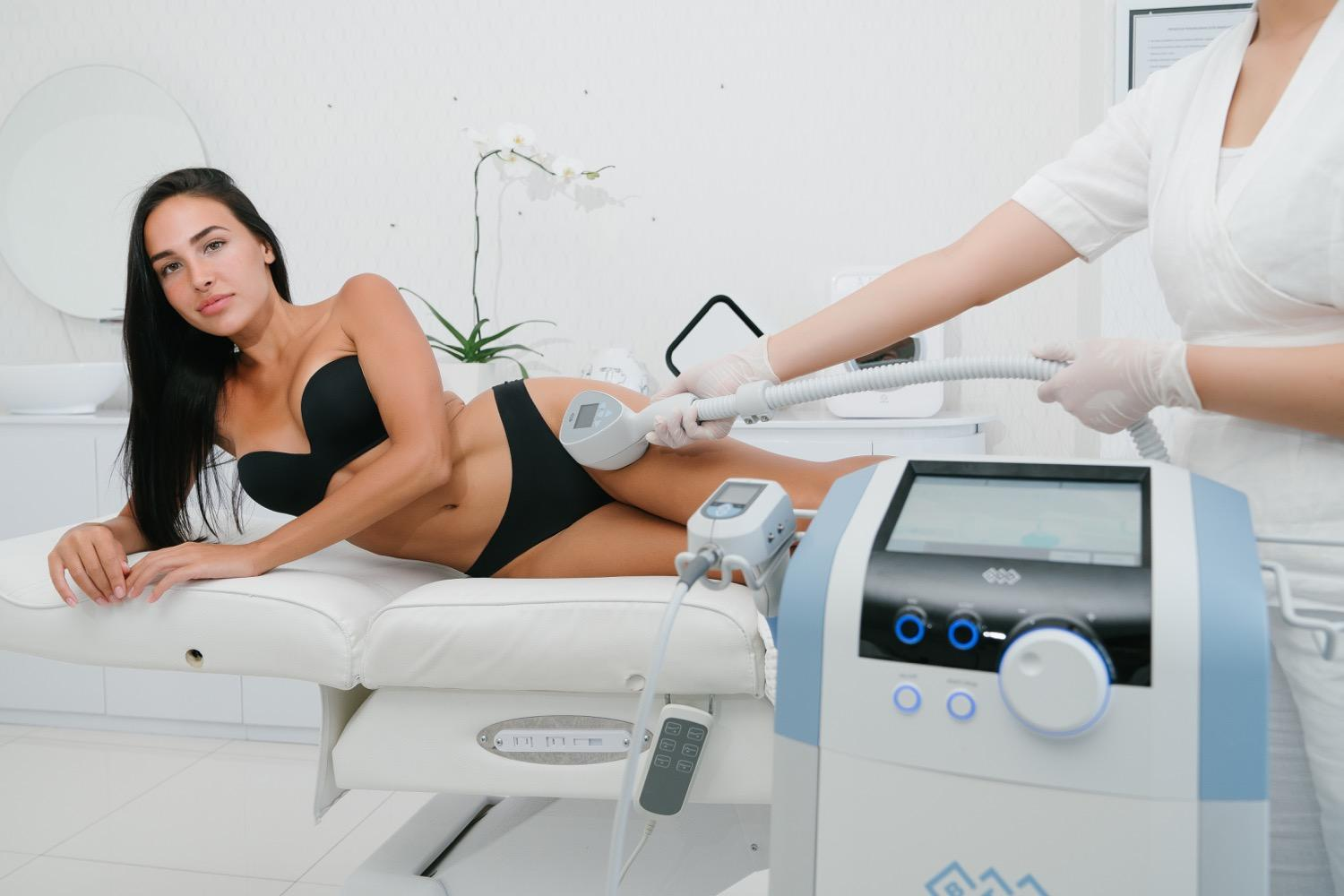
Professional aesthetic clinics, however, approach body sculpting differently. Instead of promising overnight results, experienced practitioners combine advanced technologies with personalized treatment plans based on body composition, skin quality, lifestyle, and long-term goals. Professional equipment also delivers significantly higher energy levels, more precise parameter control, and enhanced safety monitoring compared with most consumer-grade devices.
For manufacturers, distributors, and clinic owners, educating clients about these differences is becoming increasingly important. Understanding the science behind body sculpting allows customers to make informed decisions while highlighting the value of professional aesthetic treatments.
Background: Why Home Body Sculpting Has Become So Popular
Several factors have contributed to the rapid rise of home-use body sculpting devices.
First, consumers increasingly prefer non-invasive aesthetic procedures. Many individuals want to improve body contours without surgery, anesthesia, or lengthy recovery periods. Technologies such as radio frequency, electrical muscle stimulation (EMS), ultrasound, and vacuum massage have made body contouring more accessible than ever before.
Second, modern lifestyles often leave little time for regular clinic visits. Portable devices allow users to maintain treatment routines conveniently from home, fitting sessions into busy schedules.
Third, technological innovation has enabled manufacturers to miniaturize many professional concepts into compact consumer products. Although these devices typically operate at lower energy outputs, they introduce users to technologies previously available only in medical or professional settings.
However, popularity should not be confused with effectiveness. Home-use devices are generally designed for safety and gradual improvement rather than dramatic fat reduction. Marketing claims sometimes blur this distinction, causing disappointment when users expect clinic-level outcomes.
Another common misconception is that one device can solve every body concern. In reality, body contouring addresses a wide range of aesthetic goals, including:
- Mild skin laxity
- Cellulite appearance
- Localized fat deposits
- Poor lymphatic circulation
- Muscle toning
- Post-weight-loss skin firmness
Each concern responds differently to specific technologies, making proper treatment selection essential.
Understanding the Technology Behind Body Sculpting Devices
Modern body sculpting devices utilize several energy-based technologies. Rather than physically removing fat, most non-invasive systems work by stimulating natural biological processes that gradually improve body appearance.
Radio Frequency (RF): Improving Skin Tightness
Radio frequency remains one of the most widely used technologies in professional body contouring.
RF devices generate controlled heat within the dermal and subcutaneous tissues. Carefully regulated thermal energy stimulates fibroblasts to produce new collagen and elastin, helping improve skin firmness over time.
For body areas such as the abdomen, arms, thighs, or waist, RF primarily targets skin laxity rather than significant fat reduction. Clients often notice smoother skin texture and improved elasticity after multiple treatment sessions.
Professional RF platforms offer adjustable frequencies, real-time temperature monitoring, and multiple applicators for different body areas. These features allow practitioners to deliver customized treatments while maintaining patient safety.
Home RF devices typically operate at much lower power levels to minimize risks for inexperienced users. While they can support routine skin maintenance, their collagen-stimulating capacity is generally more limited than professional systems.
Ultrasound Cavitation: Targeting Localized Fat
Ultrasound cavitation has become one of the most recognizable technologies for non-invasive body contouring in aesthetic clinics.
Low-frequency ultrasound generates microscopic pressure changes inside fatty tissue. These pressure variations may disrupt fat cell membranes, allowing the body's natural metabolic processes to gradually eliminate released lipids over time.
Professional cavitation systems are commonly used on:
- Abdomen
- Love handles
- Thighs
- Buttocks
- Upper arms
Treatment effectiveness depends on proper patient selection, treatment protocols, hydration, lifestyle habits, and post-treatment lymphatic drainage.
Consumer-grade cavitation devices generally operate with reduced output for safety reasons. As a result, improvements tend to be more subtle and require greater treatment consistency.
Electrical Muscle Stimulation (EMS): Beyond Muscle Exercise
Another increasingly popular technology is Electrical Muscle Stimulation (EMS).
Unlike fat-targeting treatments, EMS focuses primarily on muscle activation. Controlled electrical impulses trigger muscle contractions that may exceed what users achieve during ordinary daily activities.
Professional EMS treatments are often incorporated into comprehensive body sculpting programs because stronger underlying muscles can enhance body definition while supporting posture and overall appearance.
Rather than replacing exercise, EMS serves as a complementary technology that works alongside regular physical activity and balanced nutrition
Technology & Mechanism (Continued)
Vacuum Therapy: Enhancing Circulation and Body Contours
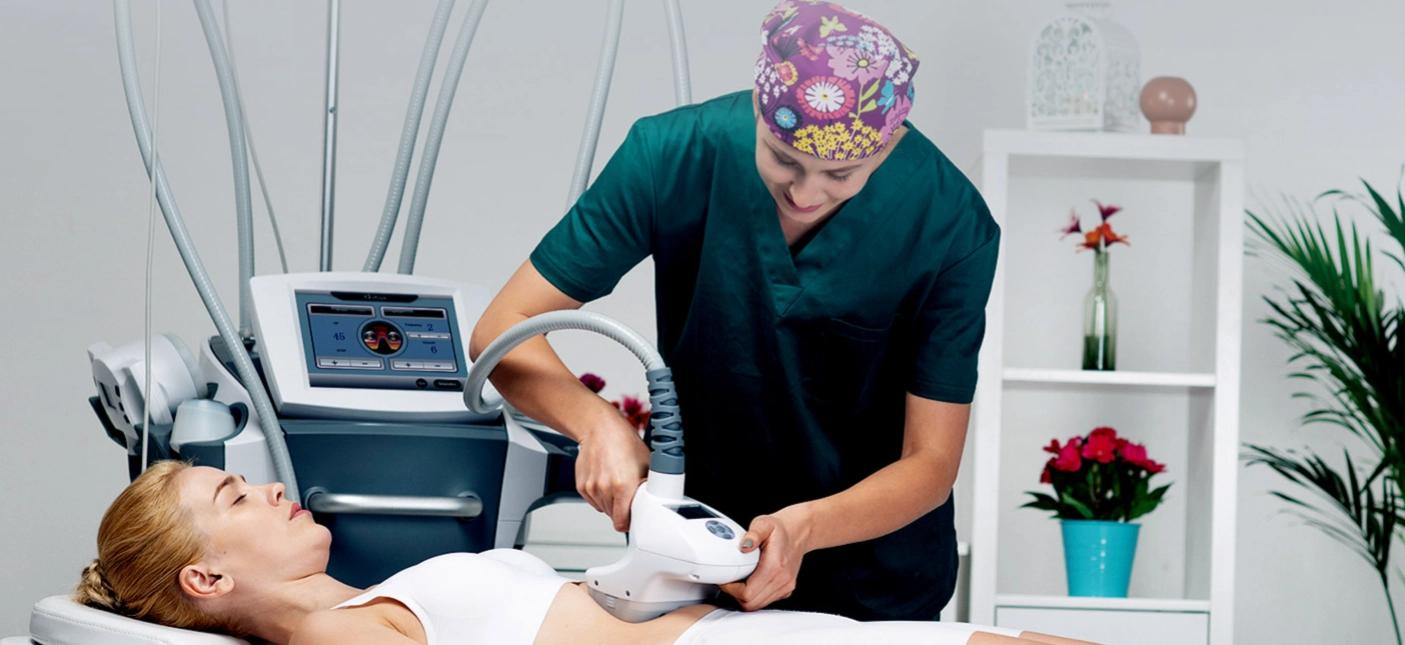
Vacuum therapy is another technology widely used in professional body contouring systems. By applying controlled negative pressure, the device gently lifts the skin and underlying tissue, creating a massage-like effect that stimulates blood circulation and lymphatic drainage.
This technology is often paired with RF or cavitation because improved circulation may help optimize treatment outcomes. Clients frequently report smoother skin texture and a temporary reduction in the appearance of cellulite after a series of treatments.
In professional clinics, vacuum intensity can be precisely adjusted according to the treatment area and the client's skin condition. This level of customization minimizes discomfort while maximizing therapeutic benefits.
Portable home devices may include vacuum massage functions, but their suction strength is intentionally limited. While suitable for routine maintenance, they generally cannot replicate the comprehensive treatment experience offered by professional platforms.
Infrared Light: Supporting Tissue Heating
Many body sculpting devices also incorporate infrared (IR) technology.
Infrared energy penetrates the skin to gently warm superficial tissues, promoting circulation and preparing the treatment area before other technologies are applied. When combined with RF or vacuum therapy, infrared heating may improve treatment comfort and help distribute heat more evenly.
Rather than functioning as a standalone fat reduction solution, infrared serves as a supportive technology that enhances the overall treatment protocol.
Why Multi-Technology Systems Deliver Better Results
One of the biggest developments in aesthetic equipment is the integration of multiple technologies into a single platform.
Instead of relying on one energy source, professional body sculpting machines often combine:
- Radio Frequency (RF)
- Ultrasound Cavitation
- Vacuum Therapy
- Infrared Heating
- Electrical Muscle Stimulation (EMS)
Each technology addresses a different aspect of body contouring. While cavitation focuses on localized fat, RF improves skin firmness, EMS enhances muscle tone, and vacuum therapy promotes circulation and lymphatic drainage.
By combining these functions within one treatment plan, clinics can provide more personalized solutions tailored to each client's goals rather than relying on a one-size-fits-all approach.
Professional Equipment vs. Home Devices
Home-use beauty devices have made body sculpting more accessible, but they are designed with different objectives than professional systems.
Energy Output
Professional machines operate at significantly higher and more consistent energy levels. This allows practitioners to achieve measurable therapeutic effects while carefully monitoring treatment parameters.
Home devices prioritize safety for unsupervised use, resulting in lower energy output and more gradual improvements.
Treatment Customization
Professional systems allow operators to adjust frequency, power, treatment duration, pulse modes, vacuum pressure, and applicator selection according to individual needs.
Home devices typically offer only a few preset modes, limiting their ability to address complex aesthetic concerns.
Safety Monitoring
Professional equipment often includes:
- Real-time temperature monitoring
- Automatic energy regulation
- Built-in safety sensors
- Multiple treatment protocols
These features help ensure effective treatments while reducing the risk of overheating or improper application.
Treatment Scope
Professional body sculpting systems are suitable for multiple body areas, including:
- Abdomen
- Waist
- Back
- Thighs
- Arms
- Hips
- Flanks
They can also accommodate a wider range of skin types and body compositions under professional supervision.
Expected Results
Home devices are generally best viewed as maintenance tools. They may help support skin firmness and overall body care when used consistently.
Professional treatments, however, are better suited for clients seeking more noticeable body contouring, especially when combined with personalized treatment planning, healthy nutrition, and regular exercise
Applications in Professional Beauty Clinics
Professional body sculpting treatments are no longer limited to luxury medical spas. Today, they are widely offered by aesthetic clinics, wellness centers, dermatology practices, and advanced beauty salons.
Common treatment objectives include:
- Improving body contours after weight loss
- Reducing the appearance of cellulite
- Tightening loose skin
- Supporting postpartum body recovery
- Enhancing muscle definition
- Complementing fitness and wellness programs
Before beginning treatment, qualified practitioners typically perform a consultation that includes an assessment of body composition, skin elasticity, medical history, and client expectations.
This personalized evaluation helps determine the most appropriate combination of technologies and establishes realistic treatment goals.
Equally important is post-treatment guidance. Professionals often recommend adequate hydration, regular physical activity, balanced nutrition, and consistent follow-up sessions to help maintain results over time.
Meeting Different Client Needs
Every client has unique body concerns, making individualized treatment plans essential.
For example:
- A client experiencing mild skin laxity after weight loss may benefit primarily from RF skin tightening.
- Someone with localized fat deposits around the abdomen may be better suited for cavitation combined with vacuum therapy.
- Clients focused on muscle definition may incorporate EMS into their treatment program.
- Individuals concerned about cellulite often respond well to combined RF and vacuum treatments.
Rather than offering identical treatments to everyone, professional clinics evaluate each client's condition before recommending the most suitable protocol.
This personalized approach not only improves treatment outcomes but also enhances client satisfaction and long-term confidence.
Conclusion
Body sculpting at home can be a convenient way to support regular body care, particularly for maintaining healthy skin and complementing an active lifestyle. However, it is important to understand that home-use devices are designed primarily for safety and gradual improvement rather than dramatic body transformation.
Professional body sculpting equipment remains the preferred choice for individuals seeking more comprehensive, customized, and clinically supervised treatments. By combining advanced technologies such as radio frequency, ultrasound cavitation, vacuum therapy, infrared heating, and EMS, aesthetic professionals can develop treatment plans tailored to each client's unique needs.
As the demand for non-invasive body contouring continues to grow, success will depend not only on innovative technology but also on proper education, realistic expectations, and professional expertise. For clinics, distributors, and equipment manufacturers, providing reliable solutions backed by scientific principles and personalized care will continue to build trust and deliver lasting value
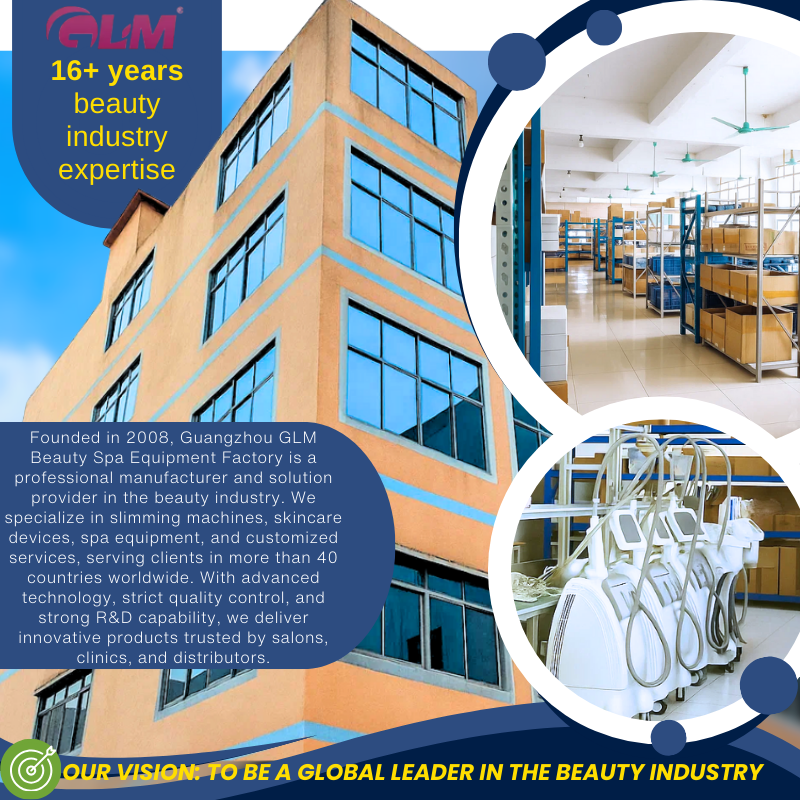
Founded in 2008, Guangzhou GLM Beauty Spa Equipment Factory specializes in research, development, manufacture and selling of beauty and slimming machines. Our production base is located in Guangzhou City, Guangdong Province, China. Since our foundation, we have introduced advanced technologies and equipment, to assure high quality and high performance of our products. With professional marketing guide and excellent after-sales service, our products have been exported to over 20 countries and regions, including Southeast Asia, the Middle East, Europe and the United States, won worldwide praises and gained a good reputation