Introduction
Electrical Muscle Stimulation (EMS) has rapidly moved from rehabilitation clinics into fitness studios, aesthetic centers, and body sculpting salons worldwide. Marketed as a technology that can build muscle, burn fat, and tone the body without intense physical effort, EMS naturally raises an important question among consumers and professionals alike: Can EMS actually replace gym workouts?
For busy professionals, postpartum clients, or individuals struggling with motivation or joint limitations, EMS appears to offer a shortcut to fitness results. At the same time, fitness trainers and medical experts remain cautious, emphasizing the irreplaceable value of voluntary movement and functional training.
This article explores what EMS can and cannot do, how it compares scientifically to gym workouts, and where EMS truly fits in modern fitness and body contouring programs.
Understanding How EMS Works
Electrical Signals and Muscle Contraction
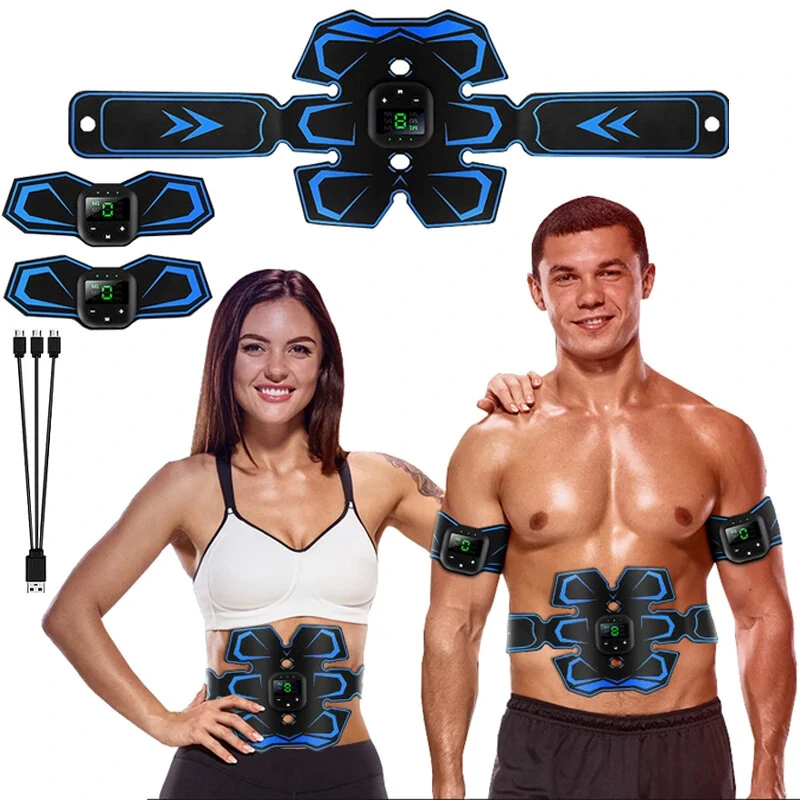
EMS uses low-frequency electrical impulses delivered through electrodes placed on the skin. These impulses:
-
Bypass the brain’s voluntary control
-
Directly stimulate motor nerves
-
Cause muscles to contract involuntarily
The contractions produced by EMS can be intense and deep, often recruiting muscle fibers that are difficult to activate through normal exercise.
Recruitment of Fast-Twitch Muscle Fibers
One of EMS’s unique advantages is its ability to stimulate fast-twitch muscle fibers, which are responsible for:
-
Muscle strength
-
Power
-
Explosive movements
In traditional workouts, these fibers are typically activated only under heavy loads or high-intensity training.
What Gym Workouts Do That EMS Cannot
Voluntary Movement and Coordination
Gym workouts involve complex, coordinated movements that require:
-
Balance
-
Core engagement
-
Neuromuscular control
EMS contracts muscles in isolation or in predefined patterns, but it does not train:
-
Movement mechanics
-
Joint stability under dynamic load
-
Functional athletic performance
This is why athletes still rely heavily on traditional training.
Cardiovascular Conditioning
While EMS can elevate heart rate slightly, it does not replace:
-
Aerobic endurance training
-
Cardiovascular efficiency improvements
-
Lung capacity development
Activities like running, cycling, swimming, or circuit training remain essential for heart health.
Muscle Building: EMS vs Strength Training
EMS for Muscle Activation
Studies and clinical use show that EMS can:
-
Increase muscle fiber recruitment
-
Improve muscle tone
-
Support hypertrophy when combined with resistance
EMS is especially effective for:
-
Weak or dormant muscles
-
Post-injury rehabilitation
-
Postpartum abdominal reactivation
Strength Training for Structural Adaptation
Gym workouts apply mechanical load to bones, tendons, and connective tissue. This load:
-
Strengthens joints
-
Improves bone density
-
Builds long-term functional strength
EMS alone does not provide sufficient mechanical stress for full musculoskeletal adaptation.
Fat Burning and Metabolic Effects
How EMS Burns Calories
EMS increases energy consumption by:
-
Forcing repeated muscle contractions
-
Raising local metabolic activity
-
Improving muscle mass, which boosts basal metabolic rate
Some EMS sessions can equal the muscle activation of hundreds of squats or crunches.
Why Gym Training Burns More Overall Fat
Total fat loss depends on:
-
Caloric expenditure
-
Hormonal response
-
Duration and intensity of activity
Full-body gym workouts typically burn more calories and create stronger hormonal signals for fat oxidation than EMS alone.
Where EMS Truly Excels
Postpartum Recovery
EMS is widely used for postpartum women to:
-
Reactivate deep core muscles
-
Improve pelvic floor engagement
-
Restore abdominal strength safely
In these cases, EMS can outperform traditional workouts during early recovery phases.
Rehabilitation and Muscle Re-Education
EMS is invaluable for:
-
Injury recovery
-
Muscle imbalance correction
-
Preventing muscle atrophy
Many physiotherapists use EMS as a clinical tool, not a replacement for movement but a bridge back to it.
Targeted Body Sculpting
In aesthetic clinics and salons, EMS is used to:
-
Sculpt abs, glutes, arms, and thighs
-
Enhance muscle definition
-
Complement fat reduction technologies
This application focuses more on appearance than athletic performance.
Why EMS Cannot Fully Replace the Gym
Lack of Progressive Overload
Muscle growth depends on progressive overload—gradually increasing resistance over time. While EMS intensity can be adjusted, it does not replicate:
-
Variable resistance
-
Multi-directional loading
-
Real-world movement challenges
Mental and Behavioral Benefits
Gym workouts provide:
-
Stress relief
-
Endorphin release
-
Discipline and routine
EMS sessions are largely passive and do not offer the same psychological training benefits.
The Best Approach: EMS + Gym Training
Complementary, Not Competitive
Rather than replacing the gym, EMS works best when:
-
Integrated into strength training programs
-
Used on rest days for muscle activation
-
Applied to weak or undertrained muscle groups
Many professional athletes use EMS as a recovery and performance-enhancing tool.
Optimized Results for Modern Lifestyles
For clients with limited time, combining:
-
2–3 EMS sessions per week
-
2–3 gym or functional training sessions
can deliver efficient, sustainable results.
Professional EMS Devices vs Home Units
Power and Precision Matter
Professional EMS machines offer:
-
Higher intensity output
-
Multi-channel control
-
Customized muscle mapping
These features are essential for visible muscle sculpting and safety.
Why Clinics Achieve Better Results
Home EMS devices are useful for maintenance but lack:
-
Penetration depth
-
Stable waveform control
-
Consistent contraction quality
This explains why clinics see faster and more dramatic body shaping results.
Setting Realistic Expectations
Who EMS Is Best For
EMS is ideal for:
-
Beginners needing muscle activation
-
Postpartum or post-injury clients
-
Individuals seeking body contouring
Who Still Needs the Gym
Traditional workouts remain essential for:
-
Athletes
-
Significant weight loss goals
-
Cardiovascular health
-
Functional strength development
Clear expectation management prevents disappointment.
Conclusion
EMS is a powerful technology that can enhance muscle activation, improve tone, and support fat reduction, but it does not fully replace gym workouts. Instead, EMS should be viewed as a strategic supplement—especially valuable for rehabilitation, postpartum recovery, and targeted body sculpting.
For long-term fitness, strength, and health, voluntary movement and resistance training remain irreplaceable. The most effective programs combine both approaches, leveraging EMS for efficiency and the gym for functional performance.
Founded in 2008, Guangzhou GLM Beauty Spa Equipment Factory specializes in research, development, manufacture and selling of beauty and slimming machines. Our production base is located in Guangzhou City, Guangdong Province, China. Since our foundation, we have introduced advanced technologies and equipment, to assure high quality and high performance of our products. With professional marketing guide and excellent after-sales service, our products have been exported to over 20 countries and regions, including Southeast Asia, the Middle East, Europe and the United States, won worldwide praises and gained a good reputation.