1. Introduction
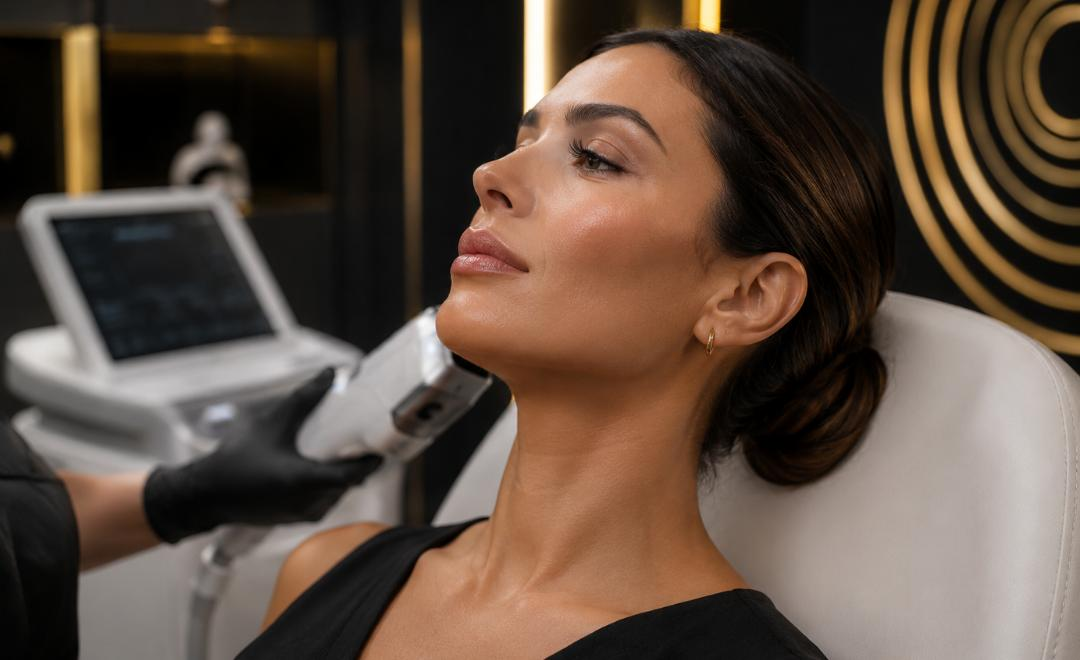
Facial lifting has become an important focus in the professional aesthetics industry. As clients look for firmer skin, a more defined jawline, and improved facial contours without undergoing surgery, aesthetic clinics and beauty centers are expanding their treatment options. Among the most discussed technologies are radiofrequency (RF), high-intensity focused ultrasound (HIFU), and minimally invasive thread lifting.
These approaches are often grouped together because they address visible signs of facial aging. However, they do not produce results through the same mechanism. Thread lifting uses inserted threads to reposition selected tissues, while energy-based devices deliver controlled energy to stimulate tissue contraction and collagen remodeling.
Can RF and HIFU devices truly mimic the results of a thread lift? The answer depends on what is meant by lifting. Energy-based treatments can improve skin firmness, soften the appearance of mild sagging, and support facial contour definition. However, they do not mechanically reposition descended tissue in the same way as a thread lift.
For professional aesthetic practitioners, understanding this distinction is essential. It helps them select appropriate equipment, design realistic treatment plans, and explain expected outcomes to clients. For beauty equipment manufacturers and distributors, it also highlights the importance of providing reliable technology, clear operating guidance, and device options suited to different treatment goals.
2. Background and the Problem: Why Does Facial Contour Change?
Facial aging is a gradual process involving several interconnected changes. Collagen and elastin production decline, skin becomes less resilient, and the supporting structures beneath the skin may weaken. Changes in facial fat distribution and the position of soft tissues can further contribute to jowls, less-defined jawlines, and sagging around the cheeks.
These changes do not occur equally in every person. One client may mainly experience loose skin and fine wrinkles, while another may have deeper tissue descent or noticeable volume loss. Consequently, a single lifting treatment cannot address every concern equally well.
Traditional surgical facelifts can reposition tissue and remove excess skin, but surgery involves greater intervention, recovery, and cost. Thread lifting offers a less invasive alternative for selected clients by mechanically supporting and repositioning tissue with inserted threads. Nevertheless, it still involves needles or cannulas, procedural risks, and recovery considerations.
Energy-based facial treatments provide another approach. Instead of inserting a supporting structure, these devices deliver energy into selected tissue layers to encourage tightening and collagen remodeling. Depending on the technology, the treatment may focus on overall skin firmness, deeper tissue tightening, or improvements in texture.
This distinction matters commercially as well as clinically. Professional clinics need equipment that addresses clearly defined concerns rather than relying on broad promises of a complete facelift. A well-selected device can become part of a structured facial rejuvenation service, especially for clients seeking gradual improvements with limited downtime.
3. Technology and Mechanisms: How RF and HIFU Support Facial Tightening
3.1 Radiofrequency: Improving Skin Firmness Through Controlled Heating
Radiofrequency technology uses electrical energy to generate heat within targeted tissues. Depending on the device design, electrode configuration, and delivery method, RF energy can heat the dermis or reach deeper tissue regions.
Controlled heating affects existing collagen fibers and initiates a tissue-remodeling response. Over time, the healing process can support the formation and reorganization of collagen, helping improve skin firmness and texture.
Different RF platforms serve different purposes. Non-invasive RF systems deliver energy through the skin surface, while fractional RF microneedling uses fine needles to deliver energy into the dermis. These approaches should not be treated as interchangeable because they differ in invasiveness, treatment depth, recovery requirements, and risk profile.
In professional practice, RF may be considered for clients with mild to moderate skin laxity, fine lines, uneven texture, or reduced skin firmness. The exact indication depends on the device's intended use, the client's condition, and the operator's qualifications.
RF is not a mechanical lifting method. It does not insert threads or directly pull descended facial tissues upward. Instead, it aims to improve the quality and tightness of the tissue already present. Its value lies in controlled treatment delivery, adjustable settings where available, and the ability to incorporate skin tightening into broader facial rejuvenation programs.
3.2 HIFU: Delivering Focused Energy at Selected Depths
High-intensity focused ultrasound concentrates acoustic energy at designated depths beneath the skin. At the focal points, the energy creates localized thermal effects while the surrounding tissue is affected differently according to the device's design and treatment parameters.
Professional HIFU platforms may offer different cartridges or focal depths to address specific tissue layers. Certain systems are designed to target deeper supporting structures, while other settings focus on shallower tissue. However, treatment depth must never be assumed from a machine's marketing description alone; it should be verified against the device's specifications and approved or authorized indications.
The resulting thermal stimulation can initiate collagen remodeling over subsequent weeks and months. In appropriately selected clients, this may help improve mild to moderate laxity and enhance the definition of areas such as the lower face, jawline, and submental region.
Compared with RF, HIFU offers a more spatially focused method of energy delivery. This makes treatment planning particularly important: the operator must consider anatomy, tissue thickness, the selected focal depth, and the risk of unwanted effects.
HIFU does not provide the same immediate mechanical repositioning as a thread lift. Its results develop gradually as the tissue responds to treatment. It is therefore more appropriate to describe HIFU as a non-surgical skin-tightening or lifting treatment than as a direct replacement for thread suspension.
3.3 Collagen Remodeling: The Shared Biological Principle
RF and HIFU differ in how they deliver energy, but both can rely on the body's response to controlled thermal stimulation.
Collagen is a structural protein that contributes to the skin's firmness and resilience. When tissue receives an appropriate thermal stimulus, existing collagen may undergo changes, followed by a repair process that can promote collagen remodeling. The visible outcome depends on numerous factors, including age, baseline laxity, treatment parameters, tissue characteristics, and the body's individual response.
This process takes time. Some treatments may produce an early sensation or appearance of tightness, but meaningful remodeling develops progressively. Results are not guaranteed, and improvement varies among clients.
Importantly, collagen remodeling does not recreate every structural change associated with aging. It cannot reliably restore lost facial volume, remove substantial excess skin, or duplicate the mechanical support provided by inserted threads. Explaining these limitations is part of responsible professional practice.
3.4 Thread Lifting: Mechanical Support Plus Collagen Stimulation
Thread lifting works differently from non-invasive energy-based treatment. A qualified practitioner inserts suitable threads beneath the skin. Depending on their design, barbs or other engagement features can grip tissue and help reposition it along a planned direction.
This mechanical component is the key distinction. The tissue can be repositioned during the procedure, while the presence of the threads and the subsequent tissue response may also contribute to collagen formation.
Thread lifting is nevertheless a minimally invasive procedure, not a risk-free alternative to surgery. Potential complications include bruising, swelling, asymmetry, dimpling, infection, thread visibility, and other placement-related problems. Appropriate training, patient selection, sterile technique, and follow-up are essential.
The comparison is therefore not simply between two competing technologies. Thread lifting provides mechanical repositioning for selected cases, whereas RF and HIFU aim to improve firmness through energy delivery and tissue remodeling. The right choice depends on the problem being treated.
4. Advantages and Comparison: RF vs. HIFU vs. Thread Lifting
The most useful comparison begins with treatment objectives rather than the general promise of a lifted appearance.
| Feature | RF Skin Tightening | HIFU | Thread Lifting |
|---|---|---|---|
| Main mechanism | Controlled heating and collagen remodeling | Focused ultrasound and collagen remodeling | Mechanical tissue repositioning plus a tissue response |
| Typical focus | Skin firmness, texture, and selected degrees of laxity | Targeted tightening and lifting in selected tissue layers | Localized repositioning of suitable descended tissue |
| Invasiveness | Non-invasive or minimally invasive, depending on the system | Generally non-invasive | Minimally invasive |
| Result timeline | Gradual; varies by platform and protocol | Gradual, often developing over several months | Mechanical change may be visible immediately |
| Recovery | Depends on modality and settings | Often limited, but varies by device and treatment | Swelling, bruising, and recovery may occur |
| Main limitation | Does not mechanically reposition tissue | Does not reproduce thread-based suspension | Requires insertion and carries procedural risks |
The table summarizes general differences, not a guarantee of results. Specific devices, protocols, and individual responses can differ substantially.
Why Professional RF Devices Matter
Professional RF equipment can offer features such as controlled energy delivery, adjustable treatment parameters, temperature monitoring, and application-specific handpieces, depending on the platform. These features can help trained operators adapt treatment to different areas and client needs.
However, a higher power rating does not automatically mean better results. Device quality, calibration, safety controls, applicator design, operator training, and compliance with relevant regulations all matter. Clinics should evaluate equipment according to its intended use and supporting evidence rather than marketing claims alone.
Compared with consumer home devices, professional systems may offer more treatment options, more structured protocols, and greater control over energy delivery. Their suitability depends on the specific technology: professional RF microneedling, for example, is fundamentally different from a low-energy home RF product. Home-use devices should not be assumed to deliver equivalent performance or to be interchangeable with clinic equipment.
Why HIFU and RF May Complement Each Other
RF and HIFU can address different aspects of facial rejuvenation. Depending on the technologies involved, HIFU may be selected for focused treatment at deeper tissue levels, while RF may be used to address broader skin firmness and texture concerns.
A clinic may consider combining modalities when each addresses a distinct, appropriate treatment objective. Nevertheless, combining devices does not automatically produce superior results. Treatment order, intervals, cumulative energy exposure, contraindications, and the client's anatomy must be assessed by a qualified professional. Evidence for a particular combination should be evaluated separately from evidence supporting either technology on its own.
For equipment buyers, this creates a practical reason to assess treatment versatility, applicator options, operating guidance, maintenance support, and the quality of the manufacturer's training materials.
5. Applications and Client Needs: Choosing the Right Professional Treatment
Clients With Mild Skin Laxity
For clients whose main concern is reduced firmness rather than substantial tissue descent, RF or appropriately selected HIFU may be considered. The choice depends on the area, tissue characteristics, available equipment, and the operator's assessment.
Practitioners should explain that the objective is usually gradual improvement rather than a dramatic, immediate facelift. Baseline photographs, consistent lighting, and follow-up assessments can help document changes more reliably than memory alone.
Clients Concerned About Jawline Definition
A less-defined jawline may result from skin laxity, tissue descent, fat distribution, or several factors together. HIFU may be considered when the concern is appropriate for focused ultrasound treatment, while RF may help address skin firmness in selected cases.
Neither technology should be marketed as a universal solution for every double chin or jawline concern. Significant excess skin, prominent volume changes, or structural issues may require a different treatment approach or referral for medical assessment.
Clients Seeking Minimal Downtime
Non-invasive energy-based treatments can be attractive to clients who prefer to avoid the insertion-related recovery associated with thread lifting. However, “non-invasive” does not mean risk-free or entirely symptom-free. Temporary redness, swelling, tenderness, or other adverse effects may occur, and the likelihood depends on the technology and treatment parameters.
Practitioners should provide realistic aftercare instructions and discuss possible adverse effects before treatment. They should also screen for contraindications and follow the device manufacturer's instructions.
Clinics Building a Long-Term Facial Rejuvenation Program
For professional beauty centers and aesthetic clinics, an energy-based device can support a broader service strategy rather than a single treatment offer. RF may fit programs focused on skin firmness and texture, while HIFU may be considered for selected tightening objectives. Other services can be introduced only when clinically appropriate and within the operator's professional scope.
Equipment selection should account for the clinic's clientele, staff qualifications, treatment demand, consumable costs, service requirements, and the quality of technical support. Manufacturers that provide clear specifications, operator education, maintenance guidance, and responsible marketing materials can help clinics integrate equipment into practice more effectively.
Most importantly, consultation should begin with the client's concern, not the name of a machine. A structured assessment helps distinguish loose skin from tissue descent or volume loss and prevents unrealistic expectations from driving treatment decisions.
6. Conclusion: Can Energy-Based Devices Really Mimic Thread Lifting?
RF and HIFU can produce meaningful improvements in skin firmness and selected aspects of facial contouring for appropriately chosen clients. Through controlled energy delivery and collagen remodeling, they offer non-surgical options for people seeking gradual improvements with potentially limited recovery.
However, they do not fully mimic thread lifting. Threads can mechanically reposition tissue, whereas energy-based devices primarily encourage tightening and remodeling where energy is delivered. The technologies overlap in their aesthetic goals but differ in mechanism, indications, risks, and expected outcomes.
For professional aesthetic clinics, the best approach is not to identify a universal winner. It is to match the treatment to the client's anatomy, degree of laxity, expectations, and tolerance for downtime. For beauty equipment manufacturers and distributors, the opportunity lies in offering dependable devices, transparent technical information, appropriate training, and support for evidence-based treatment planning.
When technology is selected responsibly and expectations are communicated clearly, energy-based devices can play a valuable role in modern facial rejuvenation. Their strength is not that they reproduce every effect of a thread lift, but that they offer a different, non-surgical route toward firmer skin and improved facial definition.
Professional note: This article is intended for industry education and general information. Treatment decisions should be made by appropriately qualified practitioners using devices suitable for the intended indication and in accordance with applicable local regulations
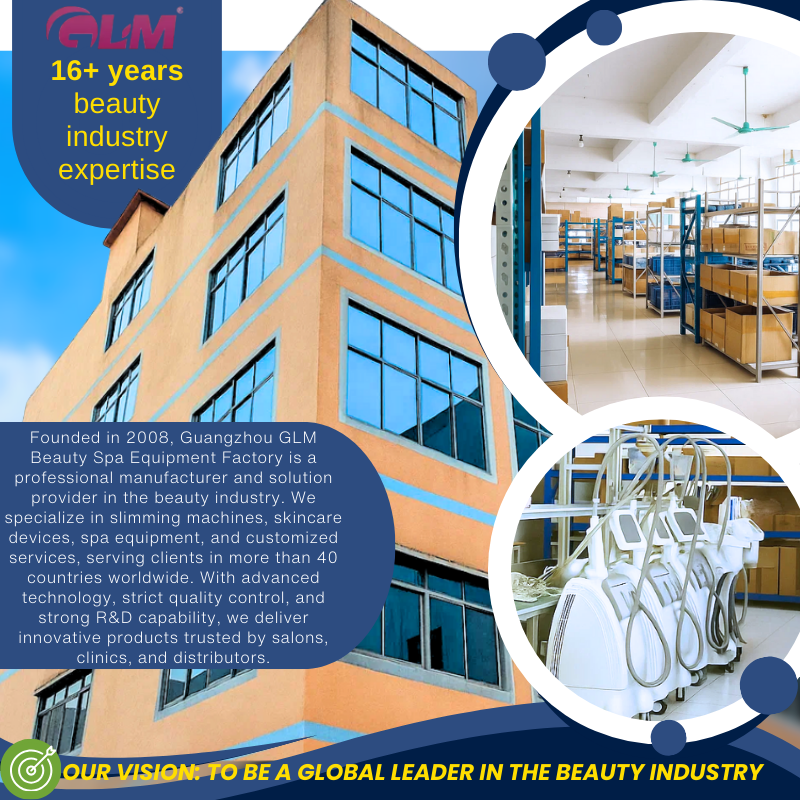
Founded in 2008, Guangzhou GLM Beauty Spa Equipment Factory specializes in research, development, manufacture and selling of beauty and slimming machines. Our production base is located in Guangzhou City, Guangdong Province, China. Since our foundation, we have introduced advanced technologies and equipment, to assure high quality and high performance of our products. With professional marketing guide and excellent after-sales service, our products have been exported to over 20 countries and regions, including Southeast Asia, the Middle East, Europe and the United States, won worldwide praises and gained a good reputation