
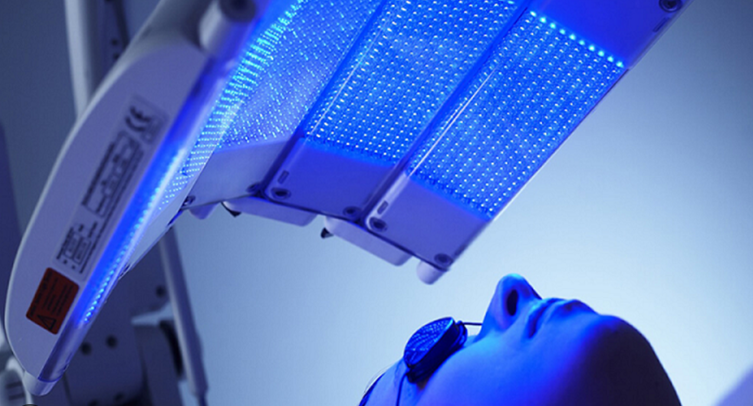
Title: Everyday LED Phototherapy: Unveiling the Truth about its Impact on Your Skin
Introduction
The world of skincare has seen a remarkable advancement with the introduction of LED phototherapy. In this blog, we will delve into the intricacies of this revolutionary technique and discuss its vital role in maintaining healthy skin.
I. An In-Depth Look at LED Phototherapy
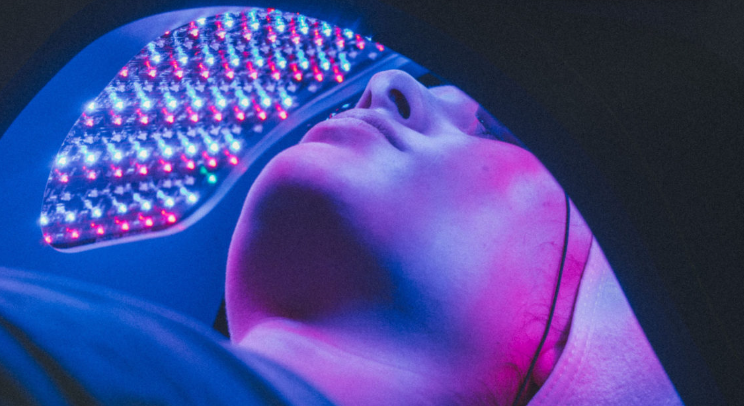
LED (Light Emitting Diode) phototherapy represents a sophisticated, non-invasive treatment modality that leverages the therapeutic potential of specific light wavelengths to elicit favorable cellular responses within the skin. This advanced skincare approach has garnered significant attention and popularity in recent years due to its demonstrated efficacy in addressing a multitude of dermatological concerns.
The fundamental principle of LED phototherapy rests on the interaction between light energy and cellular photoreceptors. Different wavelengths penetrate the skin to varying depths, targeting specific chromophores (light-absorbing molecules) within skin cells. This interaction can stimulate collagen synthesis, reduce inflammation, accelerate wound healing, and regulate sebaceous gland activity, among other effects.
Understanding the types of LEDs used in phototherapy is crucial. Common wavelengths include:
- Red Light (630-660 nm): Known for its ability to stimulate collagen production, enhance circulation, and reduce inflammation, red light is frequently used to treat aging skin, rosacea, and wounds.
- Blue Light (415-420 nm): Effective in killing the bacteria Propionibacterium acnes that contributes to acne vulgaris, blue light is a popular choice for acne treatment.
- Near-Infrared Light (800-830 nm): Penetrating deeper into the dermis, near-infrared light promotes tissue repair, reduces pain, and enhances circulation, making it beneficial for chronic skin conditions and wound healing.
- Combination Therapy: Many devices combine multiple wavelengths to address a broader spectrum of skin issues simultaneously.
II. The Multifaceted Benefits of LED Phototherapy
LED phototherapy offers a wide array of benefits, making it a highly sought-after treatment in the skincare realm. Its versatility and efficacy in addressing diverse dermatological conditions have solidified its place as a cornerstone of modern aesthetic medicine.
- Acne Reduction: Blue light therapy effectively targets P. acnes, decreasing bacterial load and inflammation, thereby improving acne lesions.
- Anti-Aging Effects: Red and near-infrared light stimulate collagen and elastin production, leading to improvements in skin elasticity, firmness, and a reduction in fine lines and wrinkles.
- Inflammation Management: Both red and blue light have anti-inflammatory properties, beneficial for conditions such as rosacea and psoriasis.
- Wound Healing Acceleration: Near-infrared light enhances tissue repair processes, accelerating wound healing and reducing scar formation.
- Skin Rejuvenation: By promoting cellular turnover and enhancing microcirculation, LED phototherapy contributes to an overall brighter, more radiant skin appearance.
III. Assessing the Risks of Everyday LED Phototherapy
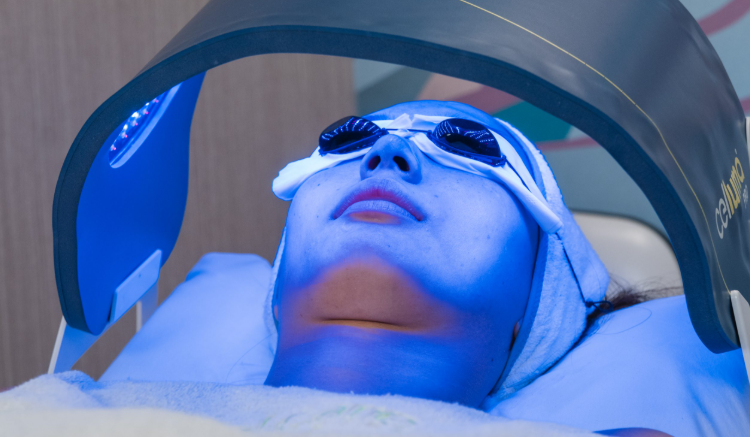
While LED phototherapy boasts an impressive safety profile, it is crucial to acknowledge potential risks and side effects associated with its everyday use. These include:
- Photosensitivity: Certain individuals may experience increased skin sensitivity to light, particularly immediately following treatment.
- Dryness and Irritation: Overuse or inappropriate light settings can lead to skin dryness, redness, or irritation.
- Cumulative Effects: Long-term exposure to high-intensity light, without adequate breaks, could potentially lead to unwanted skin changes.
- Contraindications: Conditions such as lupus, porphyria, or recent sunburn are contraindications for LED phototherapy due to the risk of exacerbating symptoms.
Understanding these risks underscores the importance of adhering to recommended treatment protocols and guidelines to ensure safe and effective use.
IV. Guidelines for Safe and Effective LED Phototherapy Use
Maximizing the benefits of LED phototherapy while minimizing potential risks necessitates responsible and informed usage. Here are key recommendations for safe and effective treatment:
- Consultation with a Professional: Prior to initiating treatment, consult a dermatologist or aesthetician to assess skin type, condition, and appropriate light settings.
- Follow Manufacturer Instructions: Adhere strictly to the device's operating instructions, including recommended treatment duration and frequency.
- Gradual Introduction: Start with lower intensity settings and gradually increase as your skin adapts to avoid irritation.
- Hydration: Maintain adequate skin hydration before and after treatments to support healthy cell function and reduce dryness.
- Protective Measures: Use sunscreen daily and avoid direct sunlight exposure post-treatment to prevent photosensitivity reactions.
- Monitor Response: Keep track of skin's response to treatment, noting any adverse reactions, and adjust the regimen accordingly.
Expert guidance is paramount in navigating the complexities of LED phototherapy, ensuring that treatments are tailored to individual skin needs and conditions for optimal outcomes.
V. Conclusion:
In conclusion, LED phototherapy offers numerous benefits for skincare. From acne improvement to collagen stimulation, this therapy has the potential to deliver significant results. However, it is vital to approach it with caution and adhere to professional guidelines for safe use. Embrace the potential of LED phototherapy and take that step towards achieving healthier, glowing skin.
Discover the truth about everyday LED phototherapy and its potential impact on your skin. Learn the benefits, risks, and guidelines for safe use. Unleash the power of LED phototherapy responsibly, and let your skin flourish under its gentle glow.