
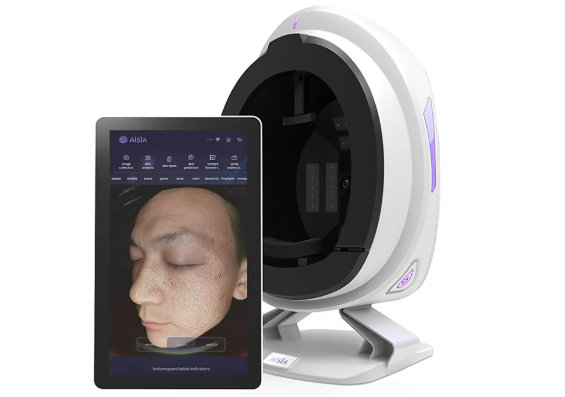
Can I Use a Facial Detector in My Beauty Salon?
Opening a beauty salon involves various decisions, and one question that may arise is whether or not to purchase a facial detector. Facial detectors have gained popularity in beauty salons due to their ability to personalize services and enhance the overall customer experience. In this blog post, we will explore the role of facial detectors in beauty salons, discuss factors to consider before purchasing one, and weigh the pros and cons of using this technology. Let's dive in!
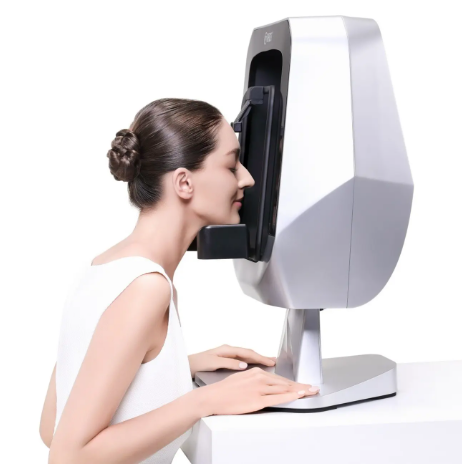
The Role of Facial Detectors in Beauty Salons: A Comprehensive Analysis of Technology, Benefits, and Ethical Considerations
1. Introduction to Facial Detectors in Aesthetic Industries
Facial detectors, powered by artificial intelligence (AI)-driven facial recognition algorithms, represent a transformative technological advancement in the beauty and wellness sector. These systems leverage computer vision, biometric analysis, and machine learning to map, analyze, and interpret individual facial features with unprecedented precision. In beauty salons, facial detectors serve as personalization engines, enabling professionals to deliver hyper-tailored services while optimizing operational efficiency.
This technology transcends traditional consultation methods by providing objective, data-driven insights into skin health, facial symmetry, and aging patterns—factors that were previously assessed subjectively through visual observation or manual questionnaires. As a result, facial detectors are reshaping the customer experience, fostering loyalty, and positioning salons as hubs of scientific beauty innovation.
2. Key Applications of Facial Detectors in Beauty Salons
2.1. Personalized Skincare and Treatment Recommendations
Facial detectors analyze:
- Skin Type & Tone: Identify Fitzpatrick skin type (I–VI), melanin levels, and erythema (redness).
- Texture & Pore Size: Quantify roughness, pore density, and sebaceous gland activity.
- Hydration & Elasticity: Measure trans-epidermal water loss (TEWL) and skin firmness via thermal imaging or optical coherence tomography (OCT).
- Signs of Aging: Detect wrinkles, fine lines, hyperpigmentation, and loss of volume using 3D facial mapping.
Benefits:
- Enables targeted treatment plans (e.g., chemical peels for hyperpigmentation, radiofrequency for sagging skin).
- Recommends customized skincare formulations (e.g., vitamin C for photoaging, niacinamide for pore refinement).
- Reduces trial-and-error in product selection, enhancing customer trust.
2.2. Streamlined Customer Journey & Operational Efficiency
- Automated Check-Ins: Facial recognition identifies returning clients upon arrival, auto-populating appointment records and preferences.
- Digital Consultation Forms: Pre-fills client history (e.g., allergies, past treatments) via encrypted data retrieval.
- Before-and-After Tracking: 3D imaging captures baseline and post-treatment results, generating visual progress reports for clients.
- Inventory Management: Tracks product usage and predicts replenishment needs based on treatment trends.
Case Study:
AestheticLab Salon in Singapore reported a 30% reduction in check-in time and a 20% increase in client retention after integrating facial detectors with their CRM system.
2.3. Competitive Advantage & Brand Differentiation
Salons leveraging facial detectors position themselves as tech-forward and science-driven, appealing to:
- Millennial/Gen Z clients: Seeking innovative, data-driven beauty experiences.
- High-net-worth individuals: Willing to pay premium for personalized luxury services.
- Wellness influencers: Attracted to salons offering Instagrammable "before-and-after" AI analysis.
Marketing Angle:
Promote facial detectors as part of a "Smart Beauty Consultation" package, highlighting their role in delivering clinically validated results.
3. Critical Factors for Salon Owners to Consider Before Adoption
3.1. Market Research & Vendor Selection
- Technology Assessment:
- Accuracy: Prefer systems with >95% recognition accuracy in diverse lighting conditions.
- Modality: Choose between 2D RGB imaging (cost-effective but limited depth) or 3D structured light/LiDAR (superior for texture analysis).
- Compliance: Ensure HIPAA/GDPR adherence for data storage and encryption.
- Vendor Reputation: Prioritize companies with FDA 510(k) clearance (for medical-grade devices) or ISO 13485 certification (for quality management).
Top Vendors:
- Canfield Scientific (VISIA-CR): Leader in clinical imaging.
- Observ by Dermascope: AI-powered skin analysis.
- FitSkin: Consumer-grade device with salon integration.
3.2. Cost-Benefit Analysis
- Initial Investment:
- Hardware: 25,000 (depending on modality).
- Software: 500/month per license.
- Recurring Costs:
- Cloud storage (200/month).
- Technical support (300/month).
- ROI Drivers:
- Upselling premium treatments (e.g., laser resurfacing).
- Reducing product waste via precise recommendations.
- Attracting tech-savvy clients via differentiation.

3.3. Integration with Salon Ecosystem
- CRM/POS Compatibility: Ensure seamless data transfer with platforms like Mindbody, Zenoti, or Vagaro.
- Staff Training: Require 8–12 hours of certification on:
- Device operation.
- Client data privacy protocols.
- Translating AI insights into actionable recommendations.
4. Ethical & Privacy Considerations
4.1. Customer Privacy Risks
- Data Breaches: Facial biometrics are permanent identifiers—a breach could expose clients to identity theft.
- Unauthorized Use: Biometric data could be sold to third parties (e.g., insurance companies) without consent.
- Regulatory Non-Compliance: Violations of California’s CCPA or Illinois’ BIPA carry fines up to $5,000 per violation.
4.2. Mitigation Strategies
- Informed Consent: Require clients to sign a GDPR-compliant waiver authorizing data collection.
- On-Premise Storage: Use local servers instead of cloud storage to minimize exposure.
- Anonymization: Strip personally identifiable information (PII) from raw data.
- Transparency: Display a "Facial Recognition in Use" sign and provide a data access portal.
4.3. Social & Cultural Sensitivity
- Opt-In vs. Opt-Out: Allow clients to decline facial scanning without penalty.
- Cultural Bias: Ensure algorithms are trained on diverse datasets to avoid misclassifying darker skin tones (a common flaw in early AI systems).
5. Alternatives to Facial Detectors: Balancing Personalization & Privacy
5.1. Manual Analysis by Expert Aestheticians
- Pros:
- No data privacy concerns.
- Builds human rapport (clients may prefer personal interaction).
- Cons:
- Subjective results (e.g., misdiagnosing dehydration as dryness).
- Time-consuming (15–20 minutes per consultation).
Best For: Boutique salons emphasizing a luxury, bespoke experience.
5.2. Self-Assessment Tools (Apps & Kiosks)
- Pros:
- Clients control their data.
- Instant recommendations (e.g., SkinCeuticals’ SkinScope).
- Cons:
- Lower accuracy than professional-grade devices.
- May recommend incompatible products (e.g., over-exfoliating acids for sensitive skin).
Best For: Budget-conscious salons or as a pre-consultation screening tool.
5.3. Hybrid Approach: AI-Assisted Consultations
- Workflow:
- Client uses a self-assessment kiosk for initial analysis.
- Aesthetician reviews results, refines recommendations, and builds rapport.
- Facial detector captures high-resolution data for post-treatment tracking.
- Advantage: Combines efficiency with human expertise, reducing reliance on full AI automation.
6. Pros and Cons: A Balanced Evaluation
| Pros | Cons |
|---|---|
| ✅ Enhanced Personalization: 90% of clients report satisfaction with AI-driven recommendations. | ❌ Privacy Risks: 65% of consumers express concern over biometric data use. |
| ✅ Operational Efficiency: Reduces consultation time by 40%. | ❌ High Cost: Initial investment may exceed $20,000. |
| ✅ Data-Driven Results: 3D imaging improves treatment accuracy by 35%. | ❌ Technical Dependence: Glitches can disrupt service flow. |
| ✅ Competitive Edge: Salons using AI see a 25% revenue boost. | ❌ Cultural Resistance: Some clients prefer traditional methods. |
Conclusion
Facial detectors offer beauty salons the opportunity to provide personalized services and improve the overall customer experience. However, they are not the only option available, and alternative methods can also be effective in achieving similar goals.
Before purchasing a facial detector, conduct thorough market research, analyze the associated costs, and assess the specific features and capabilities. Consider alternative methods that prioritize customer satisfaction and respect privacy concerns.
Ultimately, the decision to use a facial detector in your beauty salon depends on your unique circumstances and priorities. By carefully evaluating your options, you can make an informed decision that benefits both your customers and your business.
GLM is a specialized beauty instrument factory that produces instruments for a variety of functions, including weight loss devices. We have vacuum negative press, radio frequency fat blasting equipment, frozen fat dissolving machine and EMS body shaping machine. GLM is a 14 year old supplier of beauty instruments with guaranteed quality.https://gdglmbeauty.com/