
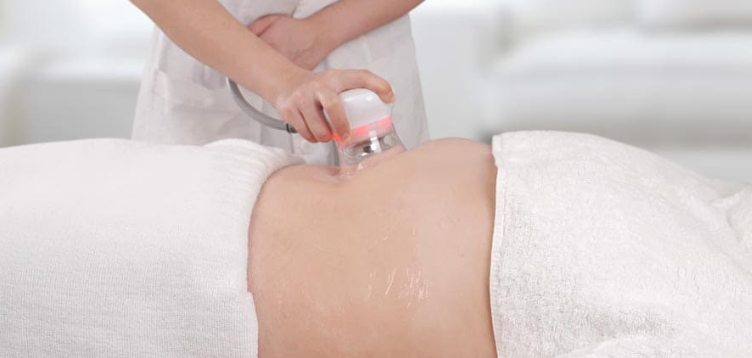
Can ultrasonic cavitation be done at home safely and effectively?
Introduction
Ultrasonic cavitation has gained popularity as a non-invasive method for fat reduction and body contouring. Traditionally, this procedure was only performed in professional clinics. However, with the availability of at-home ultrasonic cavitation devices, people are now questioning whether it can be safely and effectively done in the comfort of their own homes. In this article, we will explore the possibilities and considerations of performing ultrasonic cavitation at home.
What is Ultrasonic Cavitation?
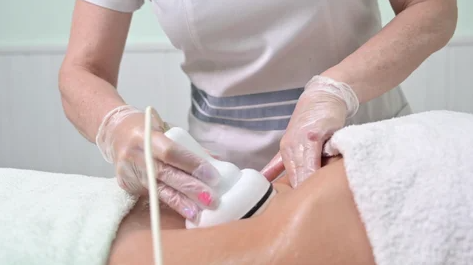
Ultrasonic cavitation is a cutting-edge cosmetic treatment designed to target and reduce localized fat deposits in specific areas of the body. This non-surgical procedure offers a painless and non-invasive alternative to traditional liposuction, making it an attractive option for those seeking body contouring without the risks and downtime associated with surgery.
How It Works
During an ultrasonic cavitation treatment, low-frequency ultrasound waves are emitted through a handheld device. These waves create vibrations that penetrate the skin and cause the fat cells to rupture. Once the fat cells are disrupted, they release their contents—triglycerides—into the surrounding tissue. The body's natural lymphatic and circulatory systems then eliminate these fatty acids over time, leading to a reduction in fat volume and a more sculpted appearance.
Benefits of Ultrasonic Cavitation
- Non-invasive: Unlike liposuction, ultrasonic cavitation does not require any incisions or anesthesia, reducing the risk of complications and downtime.
- Painless: Most patients report little to no discomfort during the treatment, making it a well-tolerated option.
- Targeted Fat Reduction: The procedure can be focused on specific areas of concern, such as the abdomen, hips, thighs, and arms.
- Improved Cellulite Appearance: In addition to fat reduction, ultrasonic cavitation can also improve the appearance of cellulite by breaking down the fibrous bands that cause the dimpled effect.
Safety Considerations
While ultrasonic cavitation is generally considered safe, it is crucial to prioritize safety, especially when considering at-home treatments. Professional guidance and supervision are highly recommended, particularly for those who are new to the procedure.
Risks of Improper Device Usage
Without proper knowledge and training, there is a risk of improper device usage, which can lead to potential harm or ineffective results. Some potential risks include:
- Skin Burns: If the device is not used correctly, it can cause thermal injury or burns to the skin.
- Ineffective Results: Improper technique or insufficient power may result in minimal or no fat reduction.
- Uneven Treatment: Without professional guidance, it can be challenging to ensure even and consistent treatment across the targeted area.
Importance of Professional Devices
Devices used in professional clinics are typically more powerful and operate at specific frequencies, ensuring optimal and safe results. These devices are calibrated to deliver the right amount of energy to disrupt fat cells without causing harm to the surrounding tissue. Without professional guidance, it is challenging to replicate these conditions at home.
Effectiveness of At-Home Ultrasonic Cavitation
At-home ultrasonic cavitation devices have gained popularity as a more affordable and convenient option for body contouring. However, it is important to note that these devices may not deliver the same level of effectiveness as professional treatments.
Limitations of At-Home Devices
- Lower Power: At-home devices generally have lower power levels compared to professional devices, which can limit their ability to disrupt fat cells effectively.
- Lack of Customization: Professional treatments are often customized based on the individual's body composition, fat distribution, and specific goals. At-home devices lack this level of customization.
- User Error: Without proper training, users may not use the device correctly, leading to suboptimal results.
Research Findings
Research studies have indicated mixed opinions about the effectiveness of at-home ultrasonic cavitation. Some studies suggest that at-home devices can yield noticeable results when used correctly and consistently. However, other studies argue that the lack of professional guidance and customized treatment plans might diminish the desired outcomes. Ultimately, the effectiveness of at-home ultrasonic cavitation may vary depending on individual factors such as body composition, lifestyle, and adherence to proper usage guidelines.
Tips for Safely Performing Ultrasonic Cavitation at Home
If you are considering performing ultrasonic cavitation at home, it is crucial to prioritize safety to maximize potential results. Here are some important tips to keep in mind:
- Research and Select the Right Device: Look for reputable brands that offer safe and effective at-home ultrasonic cavitation devices. Read customer reviews and consult with professionals before making a purchase.
- Read and Follow Manufacturer's Instructions: Familiarize yourself with the device's instructions, including usage guidelines, recommended treatment areas, and frequency of sessions. Adhering to these instructions will help ensure safety and maximize effectiveness.
- Prepare the Treatment Area: Cleanse and dry the targeted area(s) before each treatment session. Remove any lotions, oils, or other substances that may interfere with the transmission of ultrasonic waves.
- Take Necessary Precautionary Measures: Protect your eyes with goggles or eye patches, as ultrasonic waves can be harmful if exposed directly. Additionally, avoid treating areas with open wounds, infections, or skin conditions that may be aggravated by the procedure.
- Maintain a Healthy Lifestyle: Regardless of the method chosen, it is important to maintain a healthy lifestyle to ensure long-lasting results. This includes regular exercise, a balanced diet, and adequate hydration.
Alternatives to At-Home Ultrasonic Cavitation
If at-home ultrasonic cavitation is not an ideal option for you, consider exploring professional treatments. Clinics offering ultrasonic cavitation typically have trained technicians who can personalize treatment plans based on your specific needs and goals. Moreover, professional devices used in clinics are often more powerful, yielding potentially more noticeable and consistent results.
Other Non-Invasive Fat Reduction Methods
- Cryolipolysis (Fat Freezing): This method uses controlled cooling to freeze and eliminate fat cells. It is a non-invasive alternative to liposuction and is particularly effective for treating stubborn fat deposits.
- Radiofrequency (RF) Treatments: RF treatments use heat energy to stimulate collagen production and tighten the skin. They can also help reduce the appearance of cellulite and improve body contour.
- Laser Lipolysis: This procedure uses laser energy to liquefy fat cells, which are then removed through a small cannula. It offers targeted fat reduction and skin tightening effects.
Consulting with a Qualified Professional
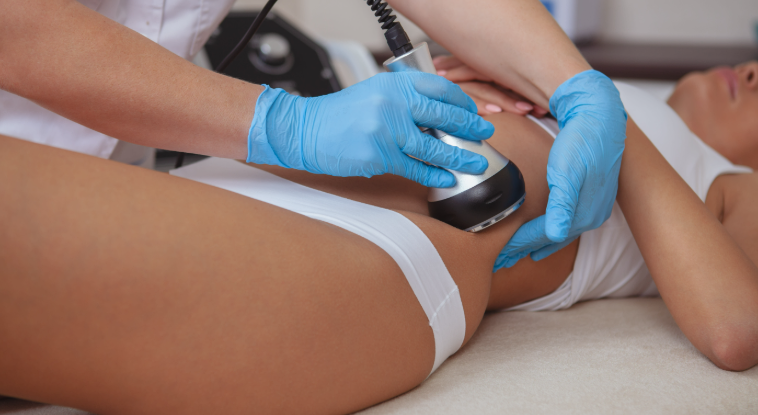
Consulting with a qualified professional can help determine the most suitable treatment option for you. They can assess your individual needs, discuss the benefits and risks of each procedure, and recommend a personalized treatment plan.
Conclusion
While at-home ultrasonic cavitation devices offer convenience and cost savings, safety and effectiveness remain key considerations. As with any cosmetic procedure, it is recommended to seek professional guidance for optimal results. Professional ultrasonic cavitation treatments, performed under the supervision of trained technicians, may provide more consistent and noticeable outcomes. However, if you decide to proceed with at-home ultrasonic cavitation, remember to prioritize safety by following manufacturer's instructions, conducting thorough research, and understanding the limitations and potential risks.
Ultimately, the choice between at-home and professional ultrasonic cavitation depends on your individual preferences, budget, and comfort level. By making informed decisions and taking necessary precautions, you can enjoy the potential benefits of ultrasonic cavitation safely, whether it be in the comfort of your own home or under the care of a qualified professional.