

Introduction
Ultrasonic cavitation has become a core technology in non-invasive body contouring, widely used in aesthetic clinics to reduce localized fat and reshape body contours. Its ability to target stubborn fat without surgery makes it especially attractive for areas like the stomach, arms, and thighs.
However, not all body areas respond the same way to cavitation. Differences in fat density, skin thickness, and circulation mean that treatment strategies must be adjusted accordingly.
For professional clinics, understanding how cavitation performs across different areas is essential for optimizing protocols, improving results, and increasing client satisfaction.
Background/Problem
Localized fat accumulation varies significantly across body regions:
- The abdomen often stores deeper and more stubborn fat
- Arms tend to have softer fat but looser skin
- Thighs may combine fat deposits with cellulite and fluid retention
Traditional slimming methods often fail because:
- They do not target specific fat layers
- Results are inconsistent across body areas
- Skin tightening is not addressed simultaneously
Clients expect tailored treatments that can effectively contour each area. This requires a device-based approach with area-specific strategies.
Technology/Mechanism
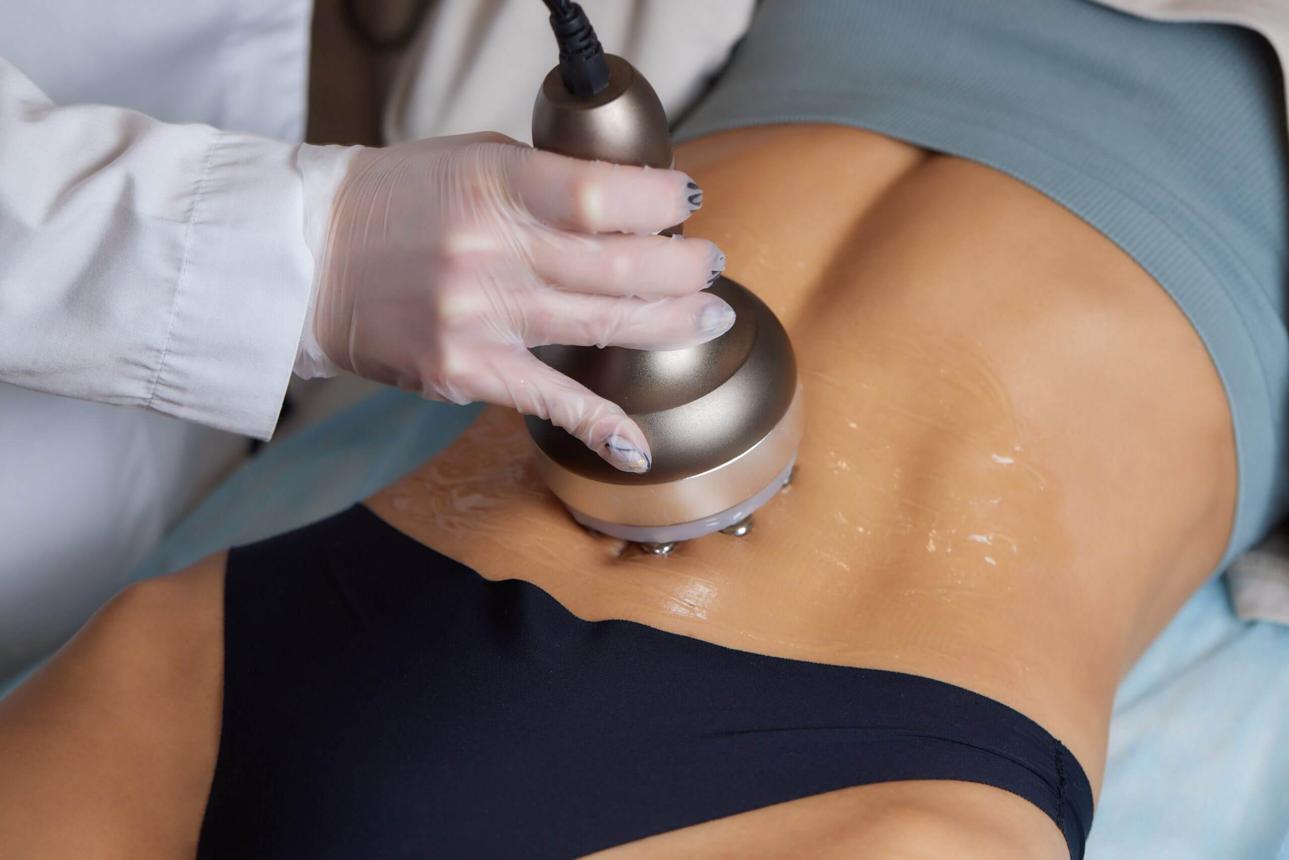
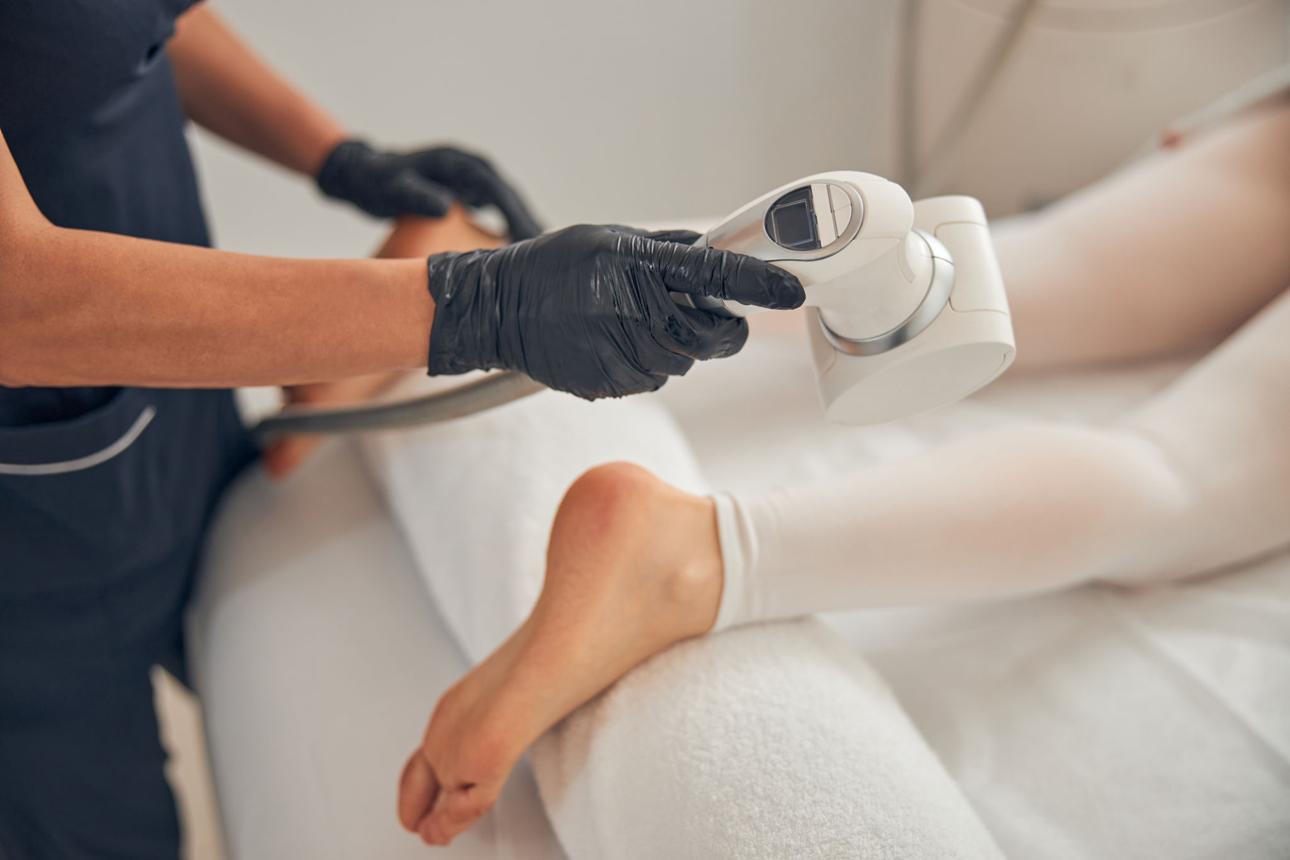
Ultrasonic cavitation uses low-frequency ultrasound waves (typically 30K–80K Hz) to create pressure changes within fat tissue.
1. Cavitation Effect
Ultrasound waves generate microbubbles in fat cells.
- Bubbles expand and collapse
- Disrupt fat cell membranes
2. Fat Breakdown and Release
Fat cells release stored lipids.
- Fatty acids enter the lymphatic system
3. Metabolic Elimination
The body processes and eliminates released fat.
- Requires hydration and circulation support
4. Area-Specific Response
Different body areas respond differently based on:
- Fat density
- Circulation
- Skin condition
Professional cavitation devices allow adjustable frequency and power, enabling customized treatments for different body zones.
What Works Best by Area
1. Stomach (Abdomen)
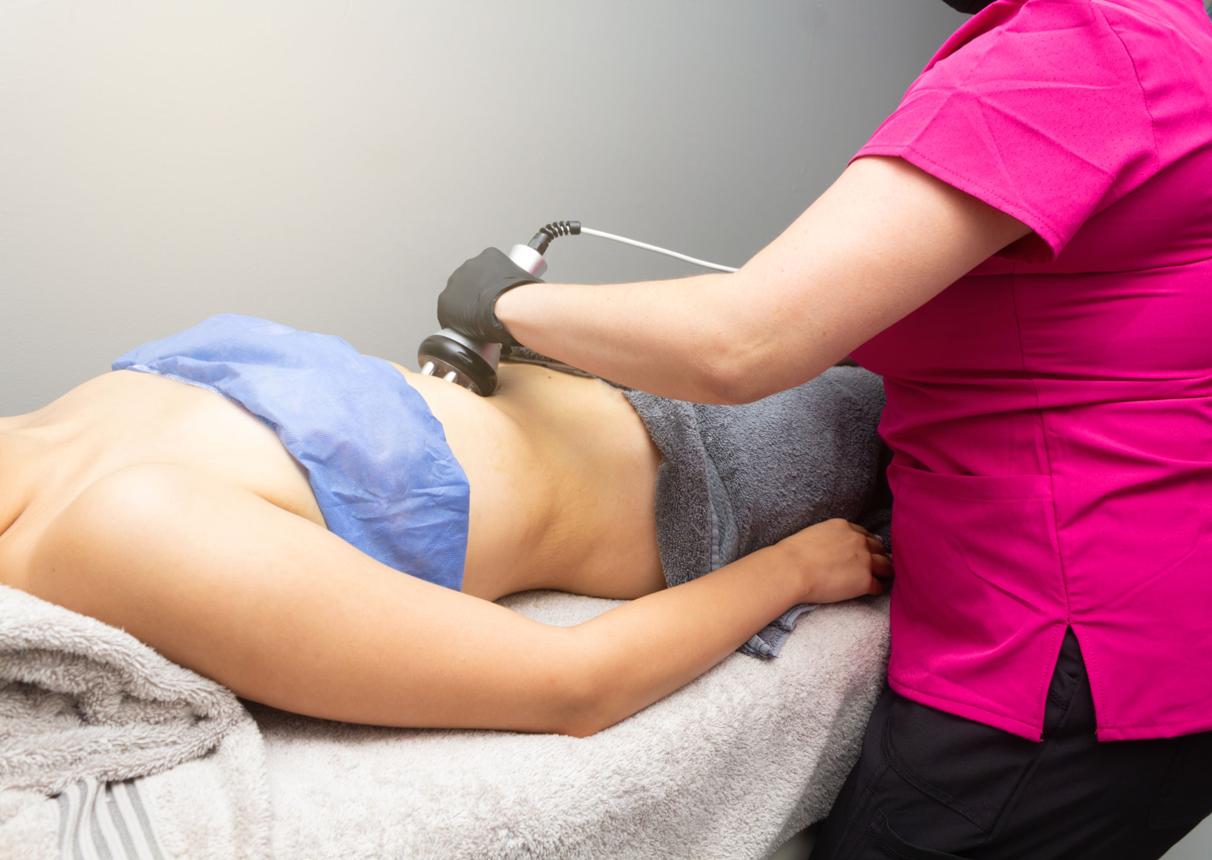
Characteristics:
- Deeper fat layers
- Often more resistant
Best Strategy:
- Moderate-to-high intensity cavitation
- Combine with vacuum therapy for lymphatic drainage
- Add RF for skin tightening
👉 Result:
- Most noticeable fat reduction area
- Requires consistent sessions (8–12+)
2. Arms
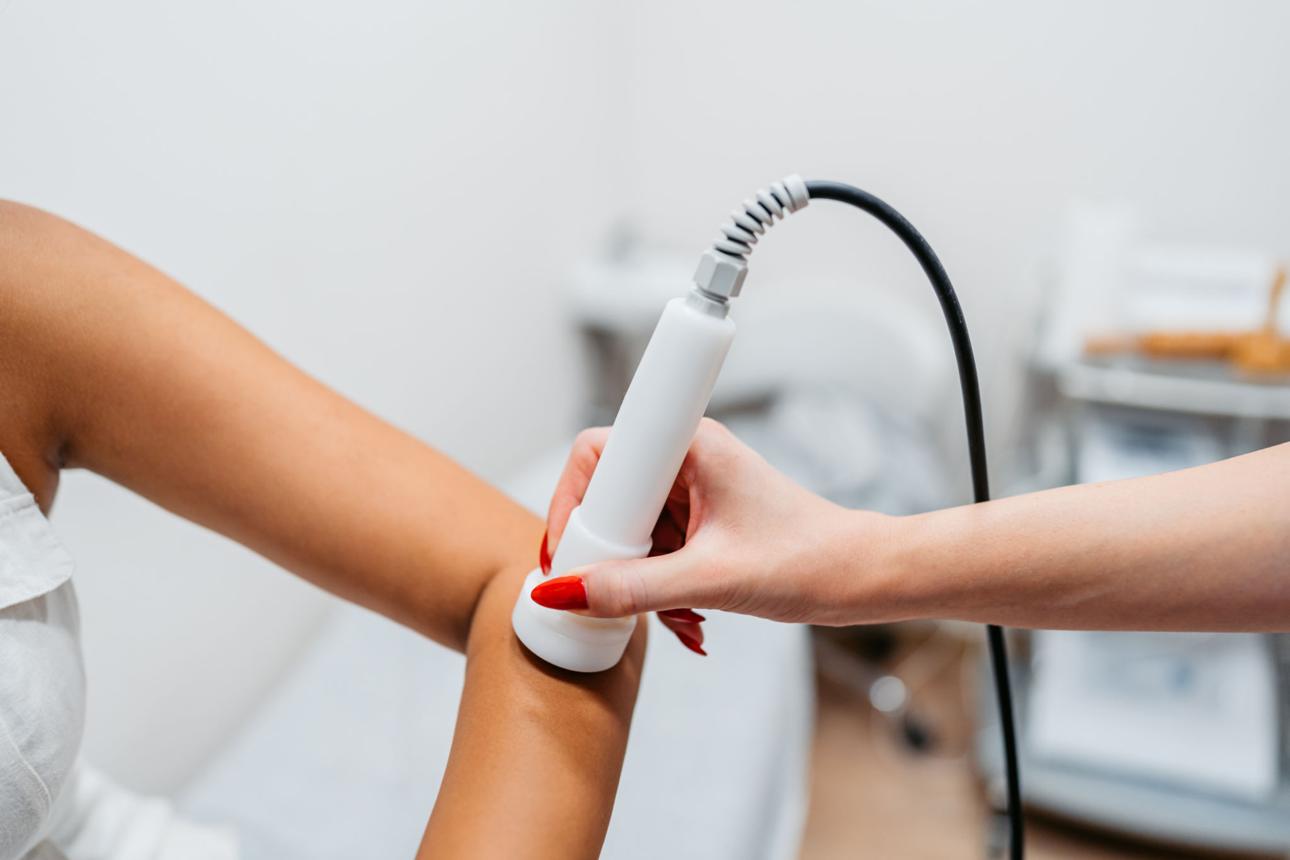
Characteristics:
- Softer fat
- Loose skin is common
Best Strategy:
- Lower intensity cavitation
- Strong emphasis on RF tightening
- Gentle vacuum support
👉 Result:
- Faster fat response
- Skin tightening is critical for visible improvement
3. Thighs
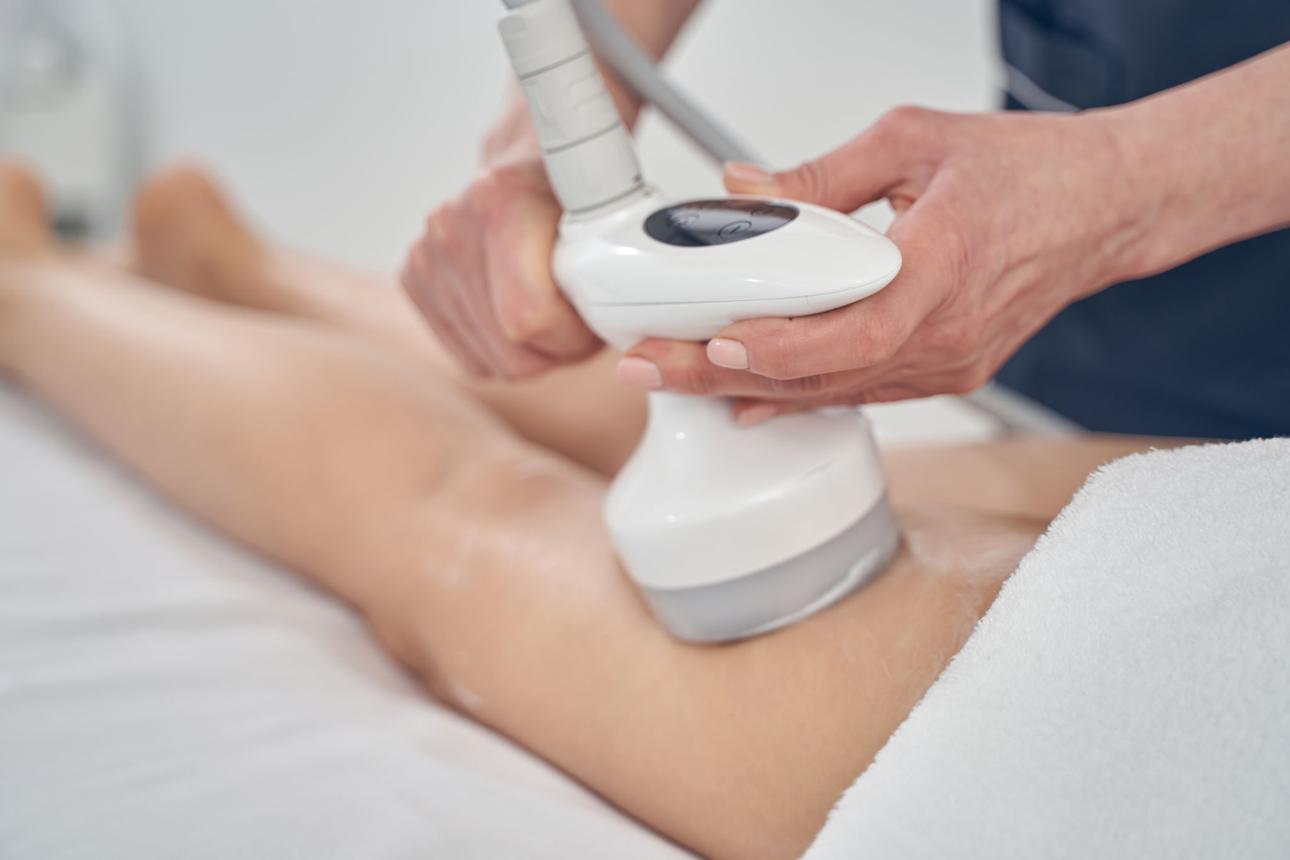
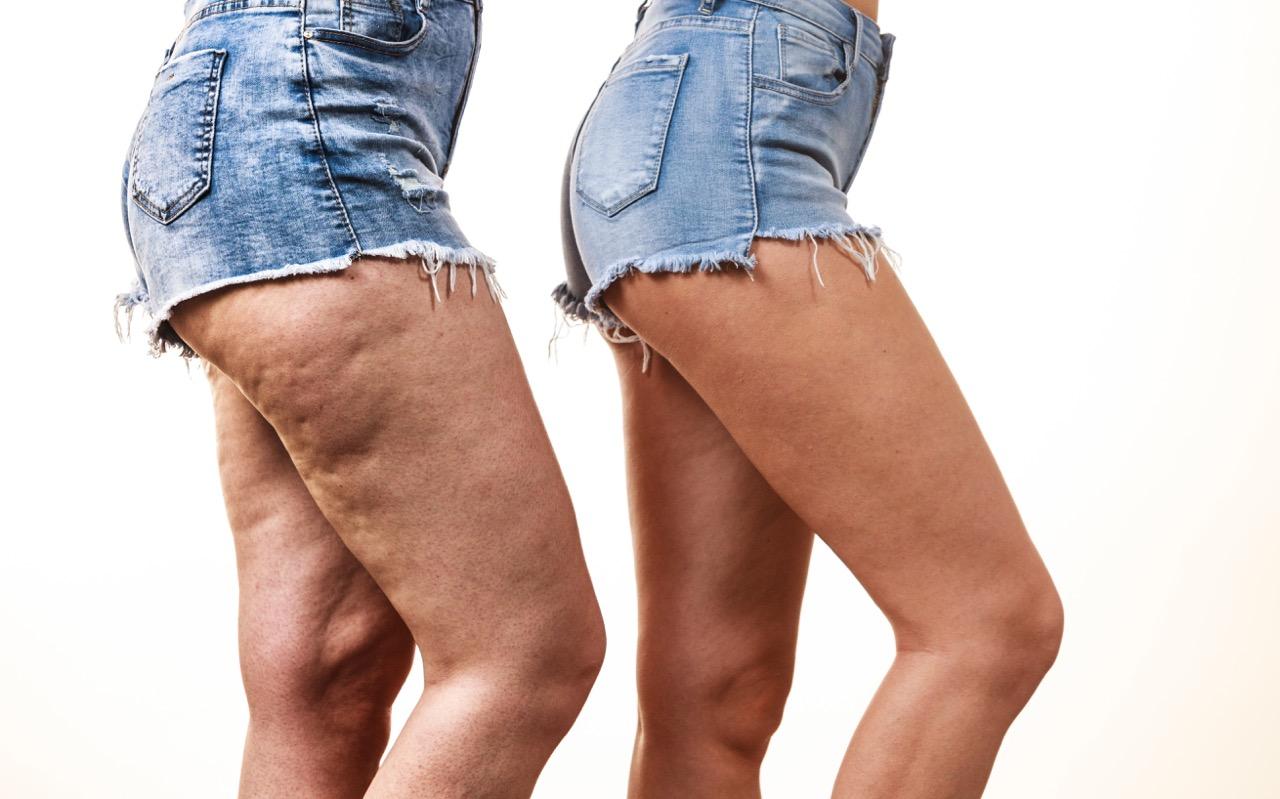
Characteristics:
- Combination of fat and cellulite
- Possible fluid retention
Best Strategy:
- Cavitation + vacuum therapy for drainage
- RF for smoothing skin texture
- Focus on lymphatic pathways
👉 Result:
- Gradual contour improvement
- Reduction in cellulite appearance
Key Factors That Influence Results
1. Treatment Protocol
Different areas require customized settings and techniques.
2. Combination Technologies
Best results are achieved when cavitation is combined with:
- RF (skin tightening)
- Vacuum (lymphatic drainage)
- EMS (muscle toning)
3. Session Frequency
- 1–2 sessions per week
- Consistent treatment is essential
4. Client Condition
- Fat thickness
- Skin elasticity
- Lifestyle factors
Advantages of Area-Specific Treatment
For clinics, tailoring cavitation protocols by body area offers:
- More predictable results
- Higher treatment efficiency
- Better client satisfaction
- Increased package conversion rates
Customized treatments also reinforce a clinic’s professional image and expertise.
Applications/Client Needs
Cavitation is suitable for clients who:
- Have localized fat deposits
- Want non-invasive body contouring
- Are willing to follow structured treatment plans
Typical applications include:
- Abdomen slimming
- Arm shaping
- Thigh contouring
Clinics often design multi-session programs combining different technologies to maximize results.
Conclusion
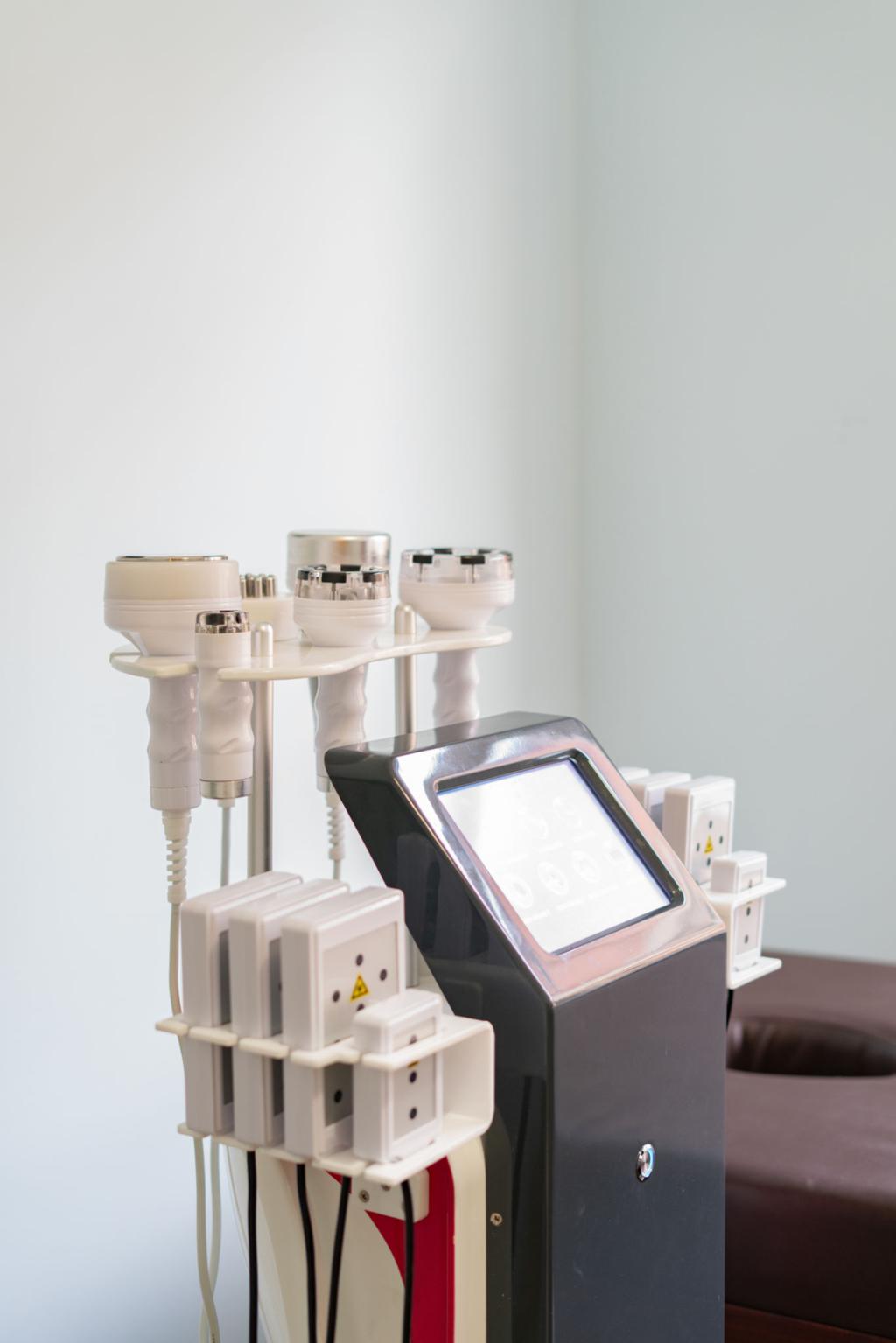
Cavitation is an effective non-invasive fat reduction technology, but its performance varies across different body areas.
The stomach responds well to higher-intensity fat reduction, arms require a balance of fat reduction and skin tightening, and thighs benefit from combined cellulite and drainage-focused treatments.
For professional aesthetic clinics, customizing cavitation protocols for each body area is the key to achieving optimal results and maximizing client satisfaction.
By integrating cavitation with complementary technologies and structured treatment plans, clinics can deliver more precise, effective, and commercially successful body contouring solutions.
Founded in 2008, Guangzhou GLM Beauty Spa Equipment Factory specializes in research, development, manufacture and selling of beauty and slimming machines. Our production base is located in Guangzhou City, Guangdong Province, China. Since our foundation, we have introduced advanced technologies and equipment, to assure high quality and high performance of our products. With professional marketing guide and excellent after-sales service, our products have been exported to over 20 countries and regions, including Southeast Asia, the Middle East, Europe and the United States, won worldwide praises and gained a good reputation.