Introduction
Non-invasive fat reduction has become one of the fastest-growing segments in the global aesthetic industry. As more clients seek body contouring solutions without surgery, downtime, or long recovery periods, technologies such as cavitation and cryolipolysis have gained widespread attention.
Both treatments are commonly promoted as non-surgical alternatives to liposuction and are widely used in beauty salons, medical spas, and aesthetic clinics. However, despite their similar positioning, cavitation and cryolipolysis work in fundamentally different ways and deliver distinct treatment experiences.
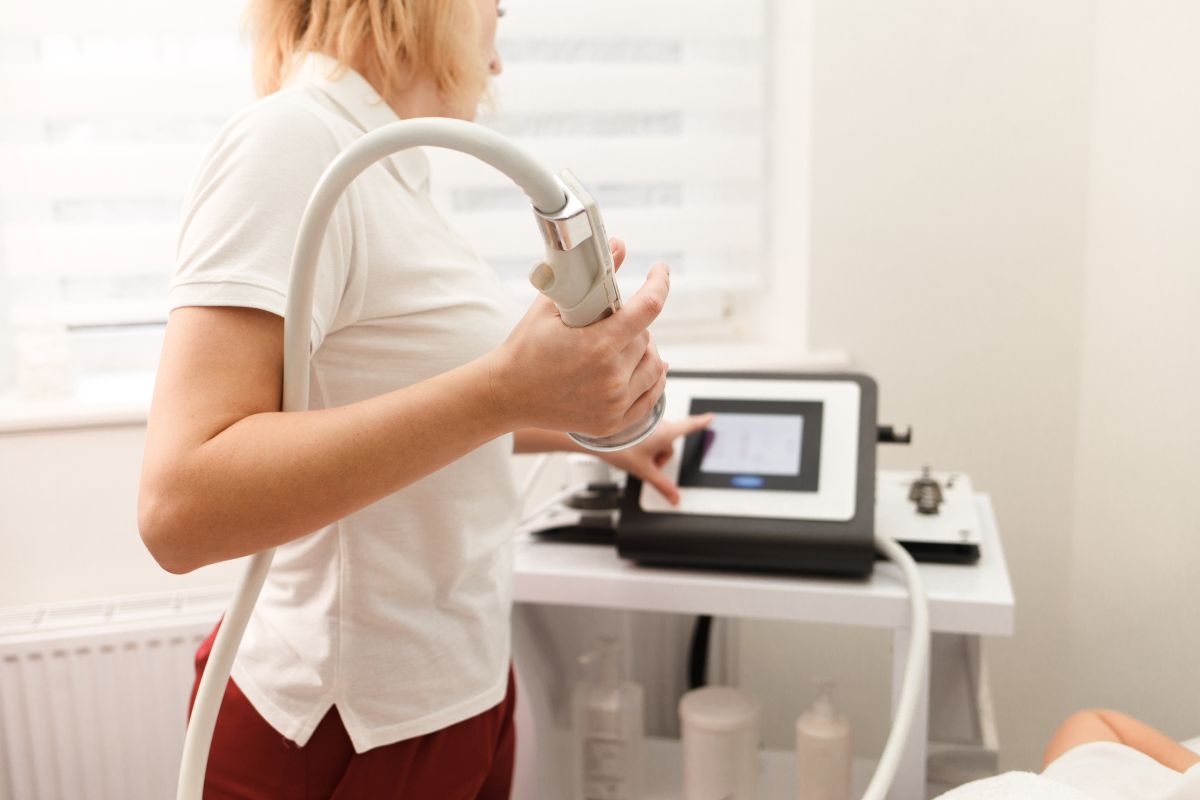
For professionals, understanding the real differences between these two technologies is essential for proper client consultation, treatment planning, and equipment investment. For clients, clarity helps set realistic expectations and improves satisfaction.
This article provides a clear, professional comparison of cavitation and cryolipolysis, focusing on their mechanisms, advantages, limitations, and ideal application scenarios in modern body contouring practice.
Background / Problem
Localized fat accumulation is one of the most common aesthetic concerns, particularly in areas such as the abdomen, thighs, flanks, arms, and back. These fat deposits are often resistant to diet and exercise due to genetic factors, hormonal influence, and metabolic patterns.
Traditional surgical options like liposuction can remove fat effectively but involve anesthesia, recovery time, and potential complications. As a result, many clients actively seek non-invasive alternatives that offer gradual improvement with lower risk and minimal disruption to daily life.
Cavitation and cryolipolysis emerged as solutions to this demand. While both aim to reduce localized fat without surgery, they approach the problem from completely different physiological pathways—one using ultrasound energy, the other using controlled cold exposure.
The challenge for clinics lies in choosing the right technology for the right client. Misunderstanding these differences can lead to mismatched expectations, suboptimal outcomes, and lower client retention.
Technology / Mechanism
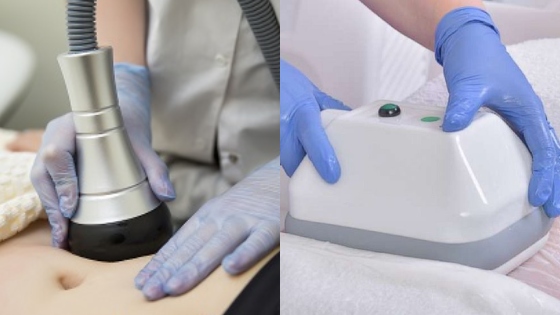
Cavitation, often referred to as ultrasonic cavitation, uses low-frequency ultrasound waves to create microscopic pressure changes within subcutaneous fat tissue. These pressure fluctuations form tiny bubbles in the fat layer, which expand and collapse, disrupting the structure of fat cells.
Once the fat cell membranes are destabilized, the contents are gradually processed by the body’s natural metabolic and lymphatic systems. Cavitation treatments are typically combined with lymphatic drainage, radiofrequency, or vacuum massage to support metabolic clearance and skin tightening.
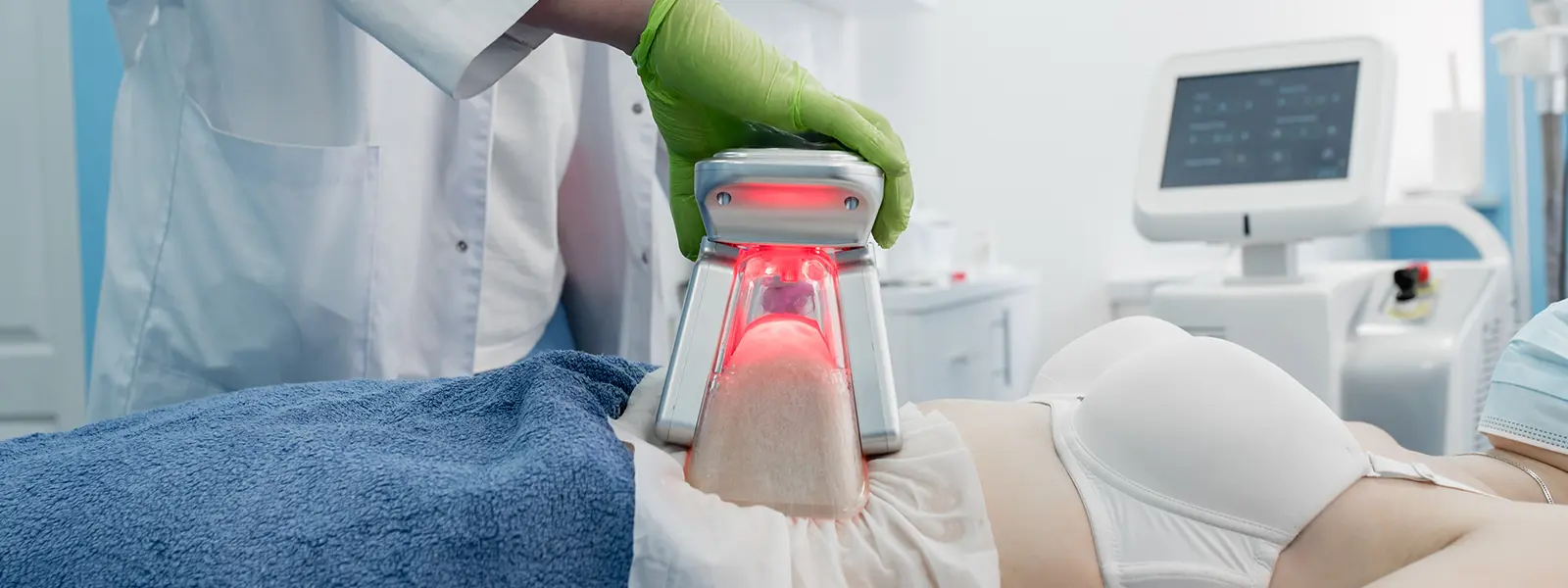
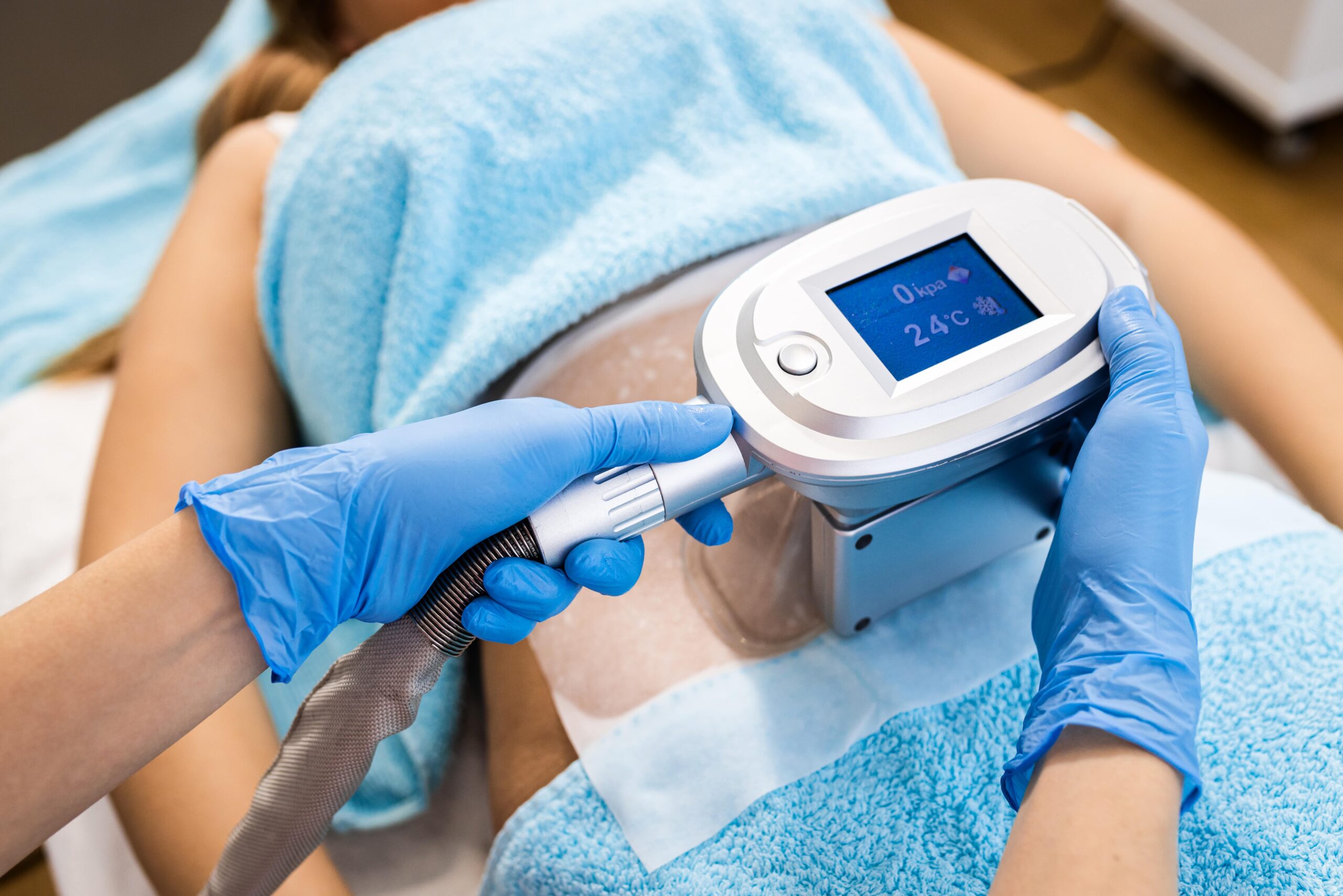
Cryolipolysis, on the other hand, is based on controlled cooling technology. It selectively exposes fat tissue to low temperatures, causing fat cells to crystallize. These cold-sensitive fat cells undergo a natural breakdown process over time, after which the body gradually eliminates them through biological pathways.
Cryolipolysis treatments usually involve applicators that suction the tissue into a cooling chamber and maintain a stable temperature for a fixed duration. Results develop gradually over several weeks.
In essence, cavitation relies on mechanical ultrasound energy to affect fat cells, while cryolipolysis uses thermal stress from cold to trigger fat cell reduction.
Advantages / Comparison
One of the key differences between cavitation and cryolipolysis lies in treatment comfort and flexibility.
Cavitation is generally perceived as comfortable and relaxing. Clients often describe a warm sensation or mild vibration, with little to no post-treatment discomfort. Sessions can be repeated frequently, allowing for gradual contour improvement and easy integration into multi-session programs.
Cryolipolysis tends to produce stronger sensations during treatment, including intense cold, pressure, and temporary numbness. Some clients may experience post-treatment tenderness, redness, or swelling, which usually resolves within days.
In terms of treatment scope, cavitation offers greater flexibility. It can be used on a wider range of body areas and is easily combined with other modalities such as RF or EMS to address skin laxity and body shaping simultaneously.
Cryolipolysis is more standardized, with predefined applicators and treatment protocols. While this ensures consistency, it may limit adaptability for irregular body areas or clients with specific contouring needs.
From a business perspective, cavitation systems often require lower initial investment and allow faster client turnover. Cryolipolysis devices typically involve higher equipment costs and longer session times but may appeal to clients seeking a more “medical-style” fat reduction experience.
Applications / Client Needs
Cavitation is well-suited for clients who prefer gradual, comfortable treatments and are open to a series-based approach. It is commonly chosen for body shaping, contour refinement, and mild to moderate localized fat concerns, especially when skin quality improvement is also desired.
Cryolipolysis is often selected by clients who want a more targeted fat reduction approach with fewer sessions. It is typically used for well-defined fat pockets in areas such as the abdomen or flanks and is popular among clients who prefer structured, device-driven procedures.
In professional settings, many clinics offer both technologies to meet diverse client needs. Cavitation may be recommended for first-time body contouring clients or those seeking maintenance treatments, while cryolipolysis may be positioned as a more intensive option for specific fat zones.
Clear consultation, body assessment, and expectation management are critical in determining which technology is most appropriate for each client.
Conclusion
Cavitation and cryolipolysis are both valuable tools in non-invasive fat reduction, but they are not interchangeable. Their real differences lie in how they work, how they feel, and how they fit into different treatment strategies.
Cavitation offers comfort, flexibility, and compatibility with combination treatments, making it ideal for progressive body contouring programs. Cryolipolysis delivers a more standardized, cold-based approach suited for focused fat reduction goals.
For clients, understanding these differences leads to better choices and higher satisfaction. For professional clinics and salons, selecting—or combining—the right technology enhances treatment outcomes, operational efficiency, and long-term business growth.
Founded in 2008, Guangzhou GLM Beauty Spa Equipment Factory specializes in research, development, manufacture and selling of beauty and slimming machines. Our production base is located in Guangzhou City, Guangdong Province, China. Since our foundation, we have introduced advanced technologies and equipment, to assure high quality and high performance of our products. With professional marketing guide and excellent after-sales service, our products have been exported to over 20 countries and regions, including Southeast Asia, the Middle East, Europe and the United States, won worldwide praises and gained a good reputation.