Introduction
Healthy, radiant skin has long been associated with confidence, beauty, and vitality. Yet daily exposure to sunlight, pollution, stress, and the natural aging process gradually leaves visible marks on the skin. Fine lines, pigmentation, acne scars, rough texture, and uneven tone often become common concerns for clients seeking a fresher, more youthful appearance.
Among the many professional aesthetic treatments available today, chemical peels remain one of the most trusted and effective solutions for skin rejuvenation. For decades, dermatologists, medical spas, and aesthetic clinics have relied on chemical peeling treatments to improve skin quality and address a wide range of concerns.
However, modern aesthetic practices have evolved far beyond traditional chemical peeling procedures. Today's professional clinics increasingly combine chemical peels with advanced aesthetic technologies to optimize treatment outcomes, enhance client comfort, and support faster skin recovery.
Understanding how chemical peels work—and how modern beauty equipment complements them—can help aesthetic professionals provide more comprehensive treatment solutions while delivering exceptional client satisfaction.
Background: Why Does Skin Lose Its Youthful Appearance?
The skin naturally renews itself through a process known as cellular turnover. In younger skin, dead skin cells are shed efficiently, allowing fresh new cells to emerge and maintain a smooth, luminous complexion.
As we age, this renewal process gradually slows down. Several factors contribute to this decline:
- UV radiation and sun damage
- Environmental pollution
- Hormonal changes
- Acne and inflammation
- Lifestyle factors such as smoking and poor sleep
- Decreased collagen and elastin production
These changes can lead to:
- Fine lines and wrinkles
- Hyperpigmentation
- Age spots
- Dull complexion
- Enlarged pores
- Acne scars
- Uneven skin texture
Many clients initially attempt to solve these concerns using home skincare products. While daily skincare plays an important role in maintaining skin health, it often struggles to deliver significant improvements for deeper skin concerns.
This is where professional chemical peeling treatments become highly valuable.
Technology and Mechanism: How Chemical Peels Work
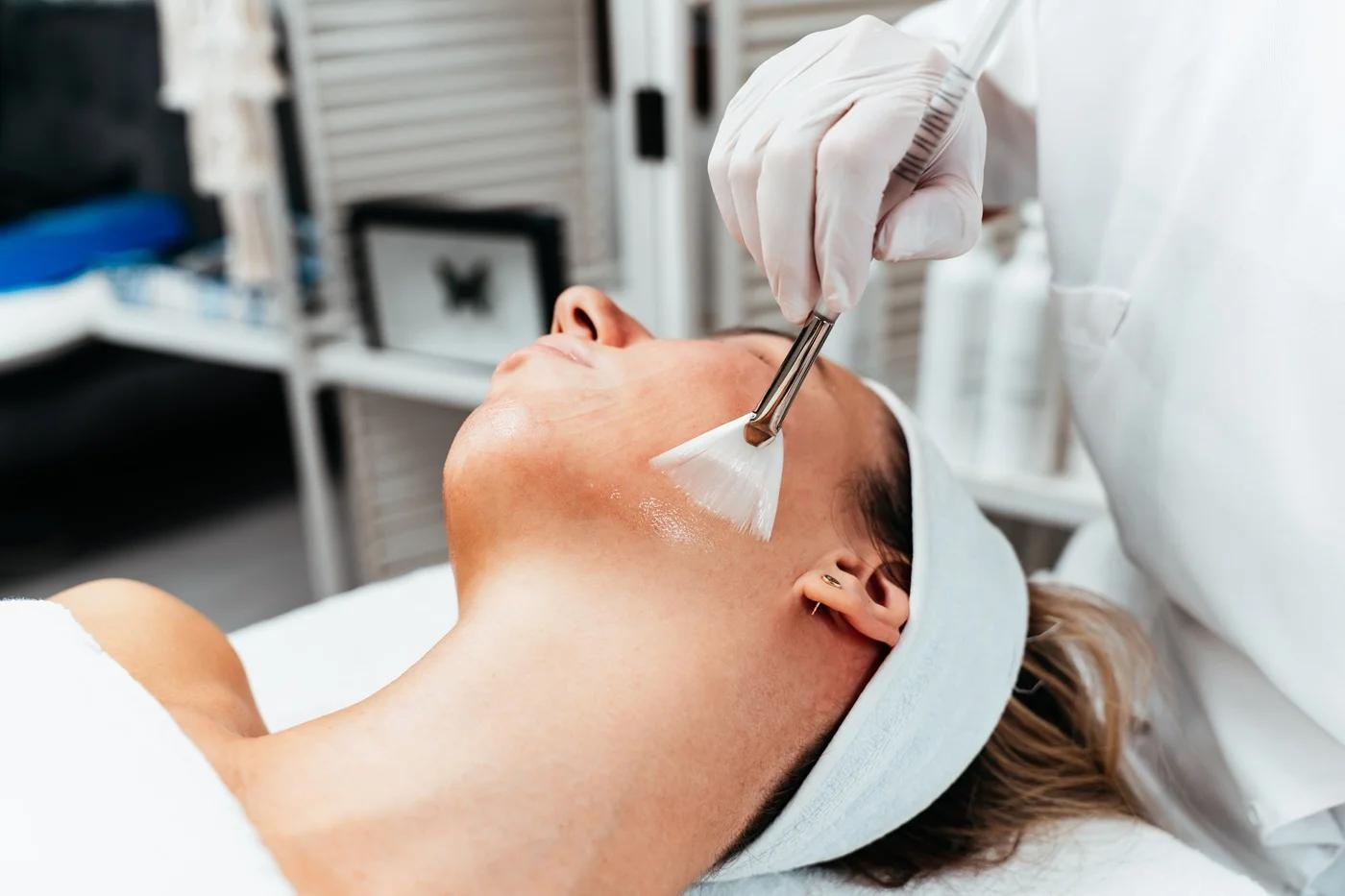
A chemical peel is a controlled skin resurfacing procedure that uses carefully formulated acids to exfoliate damaged outer layers of skin.
The treatment encourages the removal of dead skin cells while stimulating natural skin regeneration. As the skin heals, healthier and more youthful-looking skin gradually emerges.
Depending on the client's skin condition and treatment goals, practitioners may select different peel strengths:
Superficial Peels
These target the epidermis, the outermost skin layer.
Common ingredients include:
- Glycolic Acid
- Lactic Acid
- Mandelic Acid
- Salicylic Acid
Benefits include:
- Brighter skin tone
- Reduced pore congestion
- Mild acne improvement
- Improved skin smoothness
Medium-Depth Peels
These penetrate deeper into the skin.
Often used for:
- Acne scarring
- Pigmentation
- Fine wrinkles
- Sun damage
Deep Peels
Performed primarily in medical settings, deep peels address more severe skin concerns and require longer recovery periods.
The Biological Response Behind Skin Rejuvenation
Chemical peels trigger a controlled healing response within the skin.
This process stimulates:
- Collagen synthesis
- Cellular renewal
- Improved blood circulation
- Enhanced skin elasticity
- Smoother skin texture
As collagen production increases, the skin becomes firmer, more resilient, and visibly rejuvenated over time.
For aesthetic professionals, understanding this regenerative mechanism is critical because successful outcomes depend not only on the peel itself but also on supporting the skin before and after treatment.
This is where modern aesthetic technology plays an increasingly important role.
How Professional Aesthetic Devices Complement Chemical Peels
In today's competitive beauty industry, clients expect more than standalone treatments. They seek comprehensive skin rejuvenation programs that maximize results while minimizing downtime.
Professional aesthetic devices help achieve these goals.
Skin Analysis Systems
Before performing a peel, many clinics utilize advanced skin analysis devices to evaluate:
- Hydration levels
- Pigmentation patterns
- Pore conditions
- UV damage
- Skin sensitivity
This allows practitioners to create personalized treatment plans rather than relying on a one-size-fits-all approach.
Personalized treatment protocols often lead to higher client satisfaction and better long-term outcomes.
LED Light Therapy
LED technology has become a popular complementary treatment following chemical peels.
Benefits include:
- Reduced redness
- Enhanced skin recovery
- Calming inflammation
- Improved skin healing response
Different wavelengths can address specific concerns, making LED therapy an excellent addition to post-peel treatment protocols.
Oxygen Facial Systems
Following a peel, the skin may temporarily experience increased sensitivity and dehydration.
Professional oxygen infusion systems can help:
- Improve hydration
- Enhance skin comfort
- Support skin recovery
- Deliver active ingredients more effectively
These treatments are particularly popular in medical spas and high-end aesthetic clinics.
Radio Frequency Skin Rejuvenation
Radio frequency (RF) technology is frequently incorporated into broader anti-aging treatment programs.
While RF treatments are typically scheduled separately from peeling sessions, they complement chemical peels by stimulating deeper collagen remodeling.
Combined treatment plans may address:
- Surface texture issues through peeling
- Skin laxity through RF technology
- Overall skin rejuvenation through multimodal therapy
This layered approach often produces more comprehensive aesthetic improvements than either treatment alone.
Advantages of Professional Chemical Peel Programs Compared with Home Treatments
Many consumers purchase at-home peeling products hoping to achieve professional-level results. However, significant differences exist between home-use products and clinic-based treatments.
Higher Precision
Professional practitioners assess:
- Skin type
- Medical history
- Sensitivity levels
- Treatment objectives
This enables customized treatment selection.
Stronger Yet Safer Formulations
Professional-grade peels often contain higher concentrations and are applied under controlled conditions.
When performed by trained professionals, these treatments can deliver more significant improvements while maintaining safety.
Integration with Advanced Technology
Perhaps the greatest advantage of professional settings is access to advanced aesthetic equipment.
Clinics can combine:
- Skin diagnostics
- Chemical peels
- LED therapy
- Oxygen treatments
- RF rejuvenation
- Cooling technologies
This integrated approach supports both efficacy and client comfort.
Enhanced Client Experience
Modern clients increasingly value visible results combined with minimal downtime.
Professional equipment helps clinics:
- Reduce treatment discomfort
- Improve treatment consistency
- Enhance treatment outcomes
- Increase client confidence
For aesthetic businesses, this often translates into stronger client retention and repeat visits.
Applications and Client Needs
Chemical peels are highly versatile treatments that can address numerous client concerns.
Acne-Prone Skin
Chemical peels help:
- Remove excess oil
- Reduce pore blockage
- Improve acne lesions
- Minimize post-inflammatory pigmentation
Clinics frequently combine peels with LED therapy for comprehensive acne management.
Anti-Aging Treatments
Clients concerned about aging often seek solutions for:
- Fine lines
- Wrinkles
- Dullness
- Loss of skin radiance
Chemical peels can improve surface texture, while complementary technologies help stimulate deeper tissue rejuvenation.
Pigmentation Management
Hyperpigmentation remains one of the most common reasons clients seek professional aesthetic care.
Chemical peels may improve:
- Sun spots
- Age spots
- Melasma-related discoloration
- Uneven skin tone
Treatment plans are often customized according to pigmentation severity and skin type.
Pre-Event Skin Preparation
Many clients schedule superficial peels before important events such as:
- Weddings
- Corporate functions
- Photoshoots
- Social gatherings
When paired with hydrating facial technologies, these treatments can help create a brighter and healthier-looking complexion.
Medical Spa and Clinic Treatment Packages
Modern aesthetic clinics increasingly position chemical peels as part of a broader skin rejuvenation journey rather than a standalone procedure.
Common package combinations include:
- Skin Analysis + Chemical Peel
- Chemical Peel + LED Therapy
- Chemical Peel + Oxygen Infusion
- Chemical Peel + RF Rejuvenation Program
These combination treatments allow providers to address multiple skin concerns simultaneously while improving overall treatment efficiency.
Conclusion
Chemical peels continue to be one of the most effective and versatile treatments for achieving brighter, smoother, and younger-looking skin. By accelerating skin renewal and stimulating collagen production, they address a wide range of concerns including acne, pigmentation, rough texture, and early signs of aging.
Yet the future of aesthetic skincare lies not only in the peel itself but also in the integration of advanced beauty technologies. Professional skin analysis systems, LED therapy, oxygen infusion devices, and radio frequency technologies enable clinics to deliver more personalized treatments, optimize recovery, and enhance overall client satisfaction.
For aesthetic professionals, combining chemical peels with modern beauty equipment creates opportunities to offer comprehensive skin rejuvenation solutions that meet the growing expectations of today's clients. As the demand for non-invasive cosmetic treatments continues to rise, the synergy between chemical peels and advanced aesthetic technology will remain a powerful strategy for achieving vibrant, youthful skin
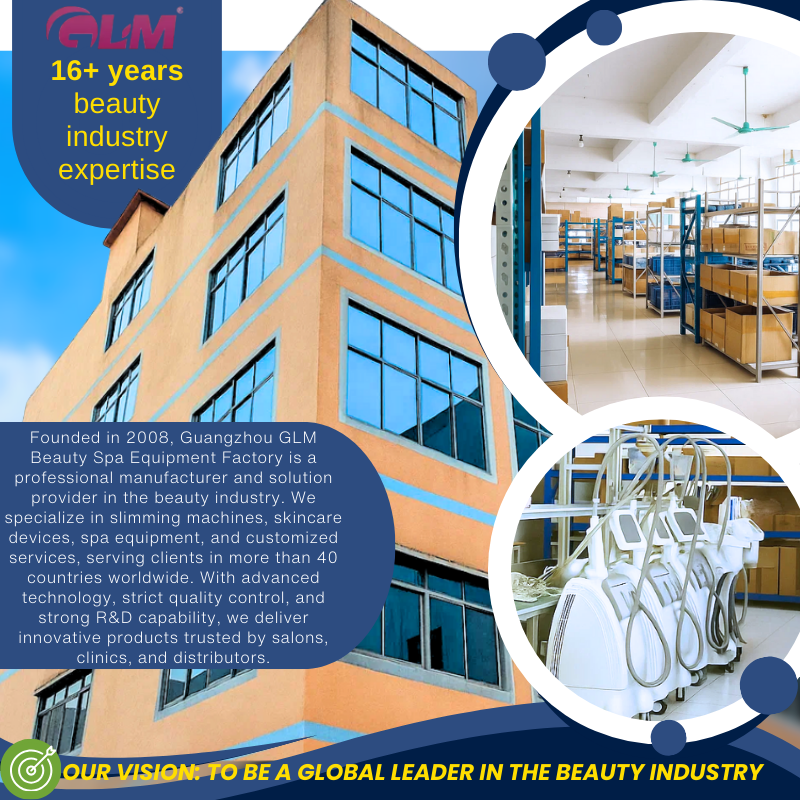
Founded in 2008, Guangzhou GLM Beauty Spa Equipment Factory specializes in research, development, manufacture and selling of beauty and slimming machines. Our production base is located in Guangzhou City, Guangdong Province, China. Since our foundation, we have introduced advanced technologies and equipment, to assure high quality and high performance of our products. With professional marketing guide and excellent after-sales service, our products have been exported to over 20 countries and regions, including Southeast Asia, the Middle East, Europe and the United States, won worldwide praises and gained a good reputation