1. Introduction
The cosmetic skin care industry in Melbourne continues to evolve as more consumers seek professional solutions for skin ageing, pigmentation, acne, uneven skin texture, and loss of firmness. From traditional facial treatments to advanced energy-based procedures, modern cosmetic clinics now offer a wide range of technologies designed to improve skin appearance without necessarily requiring invasive surgery.
However, with so many clinics, treatment options, and beauty devices available, choosing the right cosmetic skin care clinic in Melbourne can be challenging. An attractive website, extensive treatment menu, or competitive pricing does not automatically indicate professional service or reliable treatment outcomes. The quality of a clinic depends on several important factors, including practitioner qualifications, skin assessment procedures, equipment standards, treatment protocols, and patient safety practices.
In 2026, consumers are becoming more informed about aesthetic treatments. They increasingly want personalized treatment plans, transparent consultations, evidence-informed technologies, and realistic expectations. At the same time, professional beauty clinics must invest in advanced equipment and consistent operator training to meet changing client demands.
This guide explores how to choose a suitable cosmetic skin care clinic in Melbourne, what professional treatments and technologies are worth understanding, and why expertise and safety should always come before promotional claims.
2. Background and Problem: Why Choosing the Right Clinic Matters
Not all cosmetic skin care clinics provide the same level of service. Some focus primarily on relaxation and traditional facials, while others specialize in advanced skin rejuvenation, pigmentation management, acne treatments, and non-surgical skin tightening.
The difference is not simply the number of treatments offered. It is how effectively a clinic evaluates individual skin conditions and selects appropriate technologies.
Understanding Individual Skin Concerns
Clients visit cosmetic clinics for different reasons. Common concerns include:
-
Fine lines, wrinkles, and visible signs of ageing.
-
Skin laxity and reduced facial firmness.
-
Hyperpigmentation, sunspots, and uneven skin tone.
-
Enlarged pores, rough texture, and dull-looking skin.
-
Acne-prone skin and post-acne marks.
-
Dehydration and a weakened skin barrier.
These concerns may require different treatment approaches. For example, a client experiencing dehydration may benefit from professional hydration treatments, whereas someone concerned about skin laxity may require an assessment for radiofrequency or ultrasound-based procedures.
Applying the same treatment to every client is rarely an effective approach. Skin type, sensitivity, medical history, lifestyle, treatment history, and individual expectations should all influence the treatment plan.
The Risks of Choosing Based on Price Alone
Low-cost promotions can make cosmetic treatments appear attractive. However, selecting a clinic solely because it offers discounted packages may lead clients to overlook important considerations.
These include the qualifications of the practitioner, the suitability of the equipment, hygiene procedures, contraindication screening, and the clinic's ability to manage adverse reactions.
A professional clinic should explain what a treatment can realistically achieve, how many sessions may be required, what recovery period to expect, and what potential risks are involved.
The objective should not be to find the clinic offering the most treatments at the lowest price. It should be to find a provider capable of delivering appropriate, well-managed treatments.
3. Technology and Mechanism: Advanced Treatments Used by Professional Cosmetic Clinics
Technology is an important part of modern cosmetic skin care. Professional devices allow trained practitioners to deliver targeted treatments with adjustable parameters, consistent energy output, and treatment protocols designed for different skin concerns.
Understanding the basic mechanisms behind these technologies can help clients make more informed decisions.
3.1 Radiofrequency (RF) Skin Tightening
Radiofrequency technology is widely used in professional aesthetic treatments designed to improve the appearance of skin firmness and texture.
RF devices deliver controlled electrical energy into targeted tissue, generating heat through tissue resistance. Depending on the device design, treatment parameters, and applicator configuration, this thermal effect can influence collagen-related processes and support gradual improvements in skin appearance.
Professional RF systems may be used for:
-
Facial skin firming.
-
Improving the appearance of fine lines.
-
Supporting treatments for mild skin laxity.
-
Neck and jawline aesthetic treatments.
-
Selected body skin-firming applications.
Different RF technologies include monopolar, bipolar, multipolar, and fractional RF systems. Their energy delivery patterns and treatment applications differ, so the appropriate system should be selected according to the intended indication and the operator's training.
3.2 High-Intensity Focused Ultrasound (HIFU)
HIFU uses focused ultrasound energy to create controlled thermal effects at selected tissue depths. Unlike treatments that primarily work on the skin surface, appropriately designed HIFU systems can target deeper tissue structures.
In aesthetic practice, HIFU is commonly associated with non-surgical lifting and skin-tightening applications.
Potential treatment areas include:
-
Facial contouring.
-
Jawline and lower-face firming.
-
Selected neck treatments.
-
Areas with mild to moderate skin laxity.
Treatment depth, energy settings, cartridge selection, and anatomical considerations are essential. HIFU should not be treated as a universal solution for every skin concern. A qualified practitioner must determine whether the client is an appropriate candidate.
3.3 Intense Pulsed Light (IPL) and Professional Light-Based Treatments
IPL systems deliver controlled pulses of broad-spectrum light. Depending on the filters, wavelength range, energy settings, and treatment protocol, IPL may be used for selected pigmentation concerns, vascular appearance, and hair reduction.
In professional clinics, light-based treatments require careful assessment of skin phototype, tanning history, photosensitivity, and the characteristics of the target concern.
Correct parameter selection is particularly important because inappropriate settings can increase the risk of burns, pigment changes, or other adverse skin reactions.
Clients should ask whether the clinic uses a suitable device, performs skin assessments, and provides clear pre-treatment and aftercare instructions.
3.4 LED Phototherapy
LED phototherapy uses specific wavelengths of visible or near-infrared light for non-invasive skin treatments.
Different wavelength ranges are associated with different photobiological effects. Red and near-infrared light are commonly used in professional skin rejuvenation protocols, while blue light is frequently incorporated into selected acne-focused treatments.
Professional LED systems offer controlled exposure conditions and treatment coverage that may be more suitable for repeatable clinic protocols than basic consumer devices.
LED treatments are often incorporated into combination facial programs, post-treatment care, and broader skin maintenance plans.
3.5 Hydrodermabrasion and Professional Skin Hydration Systems
Hydrodermabrasion combines controlled exfoliation with fluid-based cleansing and hydration processes. Some systems use suction, specialised solutions, or multi-step treatment functions to support surface cleansing and improve the appearance of skin texture.
These treatments may be suitable for clients concerned about:
-
Dull or rough skin.
-
Surface congestion.
-
Uneven skin texture.
-
Dehydrated-looking skin.
-
Routine professional facial maintenance.
Multi-functional hydrodermabrasion equipment can help clinics combine cleansing, exfoliation, and hydration within a structured facial protocol.
However, treatment intensity and solution selection should be adjusted to individual skin sensitivity. A more aggressive treatment is not necessarily a better treatment.
4. Advantages and Comparison: Professional Clinics vs. At-Home Beauty Treatments
At-home beauty devices have become increasingly popular because they offer convenience and allow consumers to maintain simple skin care routines between professional appointments.
Nevertheless, consumer devices and professional aesthetic equipment serve different purposes.
Professional Equipment Offers Greater Treatment Control
Professional aesthetic systems are generally designed for trained operators and controlled treatment environments. Depending on the technology, they may provide:
-
More adjustable treatment parameters.
-
Different applicators or treatment heads.
-
More comprehensive treatment coverage.
-
Professional operating modes and protocols.
-
Equipment maintenance and technical support.
-
Greater flexibility for selected treatment combinations.
These features allow trained practitioners to tailor treatments to individual concerns rather than relying on a single fixed setting.
Professional Assessment Improves Treatment Selection
A major advantage of visiting a qualified clinic is access to an individual consultation.
A professional assessment may include skin condition analysis, medical history review, identification of contraindications, and discussion of realistic outcomes.
For example, a client concerned about pigmentation may not be an appropriate candidate for immediate IPL treatment if they have recently developed a tan or have a relevant skin condition. Similarly, someone with significant skin laxity may require a different treatment approach from someone with mild dehydration.
Equipment alone cannot make these decisions. Practitioner knowledge is essential.
Combination Treatments Can Address Multiple Concerns
Many professional clinics now use combination treatment strategies to address different aspects of skin appearance.
For example:
-
Hydrodermabrasion may be used for cleansing and surface hydration.
-
RF may be incorporated into selected skin-firming protocols.
-
LED may complement certain facial and maintenance treatments.
-
IPL may be considered for suitable pigmentation or vascular concerns.
-
Ultrasound-based technologies may be used for selected lifting applications.
Combination treatments should be based on clinical suitability rather than the assumption that using more technologies automatically produces better results.
The timing, treatment sequence, energy settings, and recovery requirements must be considered carefully.
5. Applications and Client Needs: What to Look for When Choosing a Melbourne Cosmetic Clinic
Selecting the right clinic involves more than comparing treatment menus. Clients should evaluate the provider's professional standards, consultation process, equipment, and approach to safety.
5.1 Check Practitioner Qualifications and Professional Registration
This should be one of the first steps when researching a cosmetic clinic.
Different cosmetic procedures have different regulatory requirements in Australia. Some treatments may be performed by appropriately trained beauty therapists, while certain medical or higher-risk procedures require registered health practitioners and additional qualifications.
For medical cosmetic procedures, clients should verify relevant registration through the Australian Health Practitioner Regulation Agency (Ahpra).
It is also important to understand who will actually perform the treatment. A clinic's advertising or ownership structure does not necessarily tell clients the qualifications of the individual operator.
Ask about:
-
Relevant professional qualifications.
-
Experience with the specific treatment.
-
Training on the equipment being used.
-
Professional registration where required.
-
Who is responsible for consultation and treatment.
5.2 Look for a Comprehensive Skin Consultation
A reliable clinic should not recommend expensive treatment packages before understanding the client's concerns.
A proper consultation should include:
-
Discussion of skin concerns and treatment goals.
-
Review of relevant medical and treatment history.
-
Assessment of skin type and current condition.
-
Identification of contraindications.
-
Explanation of available treatment options.
-
Discussion of realistic results and potential risks.
-
A personalised treatment and maintenance plan.
Some clinics also use digital skin analysis systems to evaluate visible characteristics such as pores, pigmentation patterns, wrinkles, and skin texture.
These systems can support consultation and progress monitoring, although their findings should be interpreted by trained professionals rather than treated as a standalone diagnosis.
5.3 Evaluate Equipment Quality and Technology Standards
Advanced equipment can improve treatment capabilities, but a clinic should be able to explain why a particular device is appropriate for the intended treatment.
Clients can ask:
-
What technology does the device use?
-
Is the equipment suitable for my skin concern?
-
Does the clinic follow the manufacturer's operating guidelines?
-
Is the equipment maintained and serviced regularly?
-
Are operators trained in the specific device?
-
Is the device appropriately supplied and compliant with applicable Australian requirements?
For medical devices supplied in Australia, relevant regulatory status may be checked through the Therapeutic Goods Administration (TGA), including the Australian Register of Therapeutic Goods (ARTG), where applicable.
A clinic should not rely on vague descriptions such as "medical grade" or "advanced technology" without explaining the actual device and its intended application.
5.4 Prioritise Hygiene and Patient Safety
Hygiene is fundamental to professional cosmetic services.
A well-managed clinic should maintain appropriate cleaning and disinfection procedures, use suitable single-use items where required, and follow infection prevention practices relevant to each treatment.
For procedures that involve skin penetration, additional infection control requirements apply.
Clients should also expect:
-
Clear pre-treatment instructions.
-
Appropriate contraindication screening.
-
Protective eyewear where required.
-
Documented consent for relevant procedures.
-
Clear aftercare guidance.
-
A process for reporting and managing adverse reactions.
For higher-risk procedures, clients should understand who to contact if complications occur and what follow-up arrangements are available.
5.5 Read Reviews Carefully and Evaluate Realistic Results
Online reviews can provide useful information about customer service, consultation quality, appointment management, and overall clinic experience.
However, reviews and before-and-after photographs should not be the only basis for choosing a provider.
When evaluating results, consider whether:
-
Images show comparable lighting and angles.
-
Results are presented with realistic timeframes.
-
The clinic explains the number of sessions involved.
-
Potential limitations and risks are disclosed.
-
Testimonials are presented transparently.
Be cautious of clinics promising guaranteed results, instant transformations, or identical outcomes for every client.
5.6 Consider Treatment Planning and Long-Term Support
Good skin management is rarely limited to a single appointment.
Depending on the concern, clients may need a series of treatments, maintenance sessions, appropriate home care, and periodic reassessment.
A professional clinic should explain the expected treatment schedule and allow sufficient recovery time between procedures.
The best provider is not necessarily the one recommending the most expensive package. It is the one capable of explaining why each treatment is necessary and how it contributes to the overall plan.
6. Conclusion: Making a More Informed Choice in 2026
Choosing the right cosmetic skin care clinic in Melbourne in 2026 requires a balanced evaluation of professional expertise, treatment technology, individual suitability, and patient safety.
Advanced equipment such as RF, HIFU, IPL, LED phototherapy, and hydrodermabrasion has expanded the possibilities of modern professional skin care. These technologies can support a wide range of aesthetic applications when used appropriately by trained operators.
However, equipment alone does not guarantee better results. Proper consultation, accurate skin assessment, suitable treatment parameters, hygiene standards, and realistic expectations remain essential.
For consumers, the most reliable clinic is one that prioritises individual needs over aggressive sales strategies and explains both the benefits and limitations of its treatments.
For professional beauty clinics, investing in reliable equipment, operator education, and consistent treatment protocols is equally important. As the aesthetic industry becomes more technology-driven, clinics that combine professional knowledge with appropriate equipment and responsible patient care will be better positioned to build long-term client trust.
Ultimately, better cosmetic skin care is not about choosing the most expensive device or the clinic with the longest treatment list. It is about choosing the right technology, the right professional, and the right treatment plan for each individual
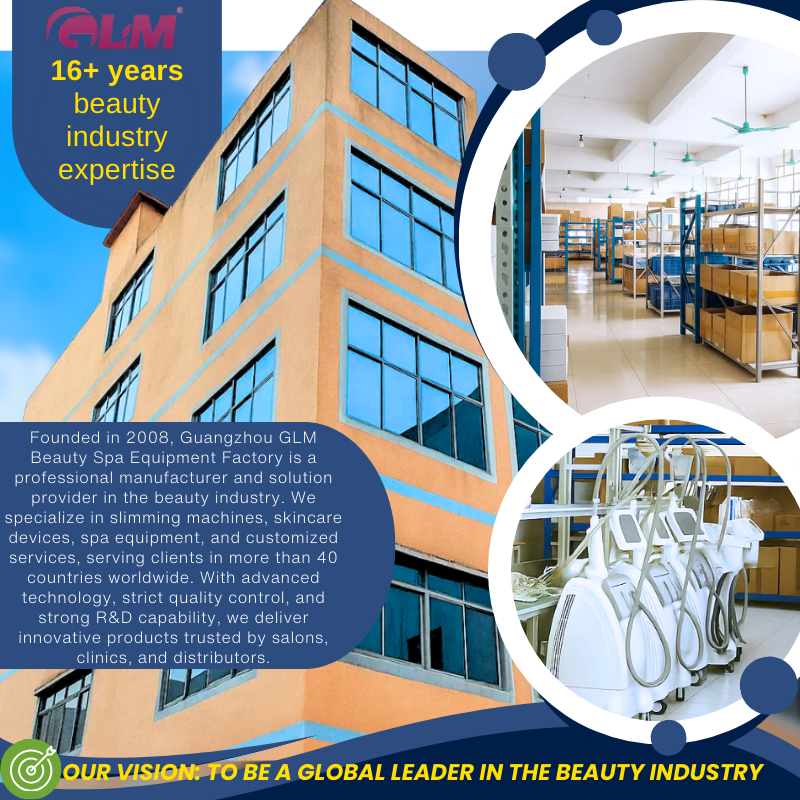
Founded in 2008, Guangzhou GLM Beauty Spa Equipment Factory specializes in research, development, manufacture and selling of beauty and slimming machines. Our production base is located in Guangzhou City, Guangdong Province, China. Since our foundation, we have introduced advanced technologies and equipment, to assure high quality and high performance of our products. With professional marketing guide and excellent after-sales service, our products have been exported to over 20 countries and regions, including Southeast Asia, the Middle East, Europe and the United States, won worldwide praises and gained a good reputation