
Choosing the Right Skincare Treatment: Microneedling vs Hydrafacial
When it comes to achieving radiant skin, there are countless skincare treatments available in the market. Two popular options that often stand out are microneedling and Hydrafacial. If you're unsure which one to choose, this comprehensive guide will help you make an informed decision.
Microneedling: A Closer Look
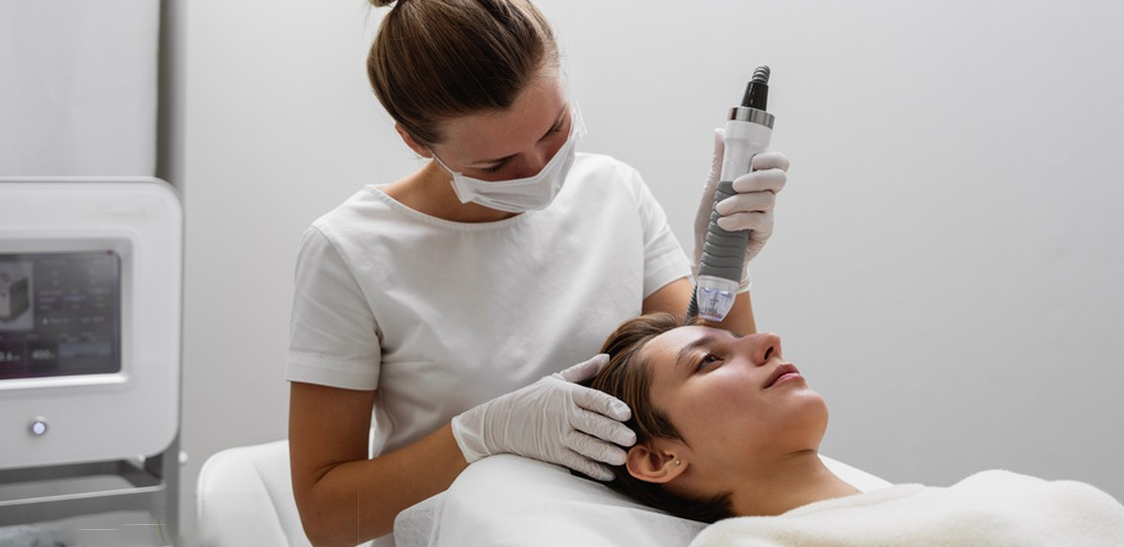
Microneedling, also known as collagen induction therapy, is a minimally invasive procedure that involves using tiny needles to create microchannels in the skin's surface. These controlled injuries stimulate the body's natural healing process, encouraging collagen and elastin production.
Benefits of Microneedling:
- Stimulates collagen production: One of the primary advantages of microneedling is its ability to boost collagen and elastin production. This results in improved skin texture, increased firmness, and reduced fine lines and wrinkles.
- Reduces fine lines and wrinkles: Microneedling helps to diminish the appearance of fine lines and wrinkles, making the skin appear smoother and more youthful.
- Improves skin texture and tone: By promoting collagen production and skin cell turnover, microneedling can improve uneven skin texture and tone.
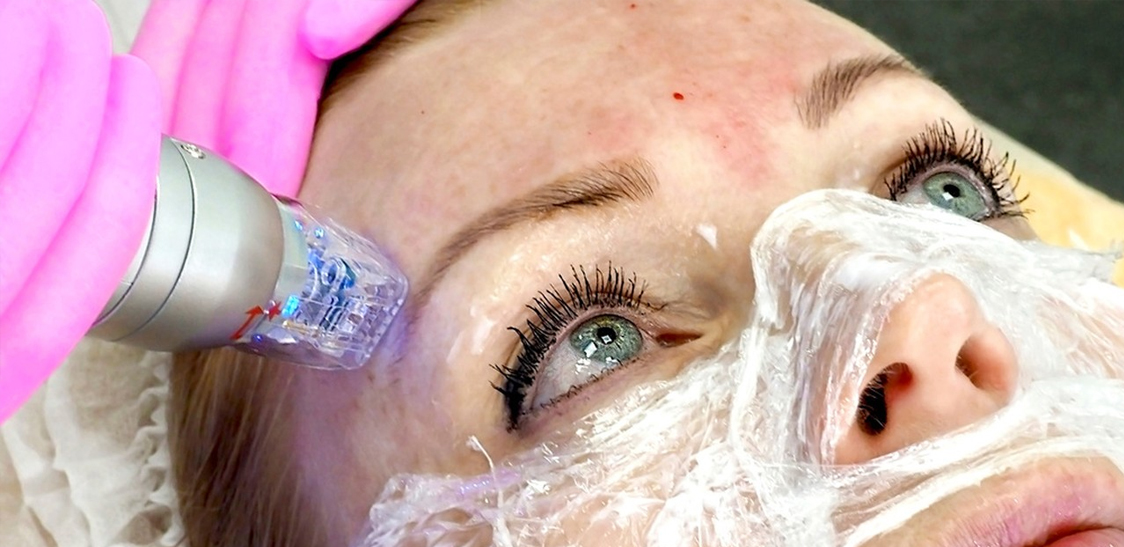
Microneedling is a suitable treatment for individuals looking to address acne scars, hyperpigmentation, and overall skin rejuvenation. However, one must consider potential side effects, which may include redness, swelling, and minor bleeding.
Hydrafacial: Understanding the Treatment
Hydrafacial is a non-invasive, multi-step skincare treatment that combines exfoliation, hydration, extraction, and antioxidant protection. This facial treatment aims to cleanse, hydrate, and nourish the skin, leaving it smooth, plump, and radiant.
Benefits of Hydrafacial:

- Deep cleansing and exfoliation: Hydrafacial cleanses the skin deeply, removing impurities, dead skin cells, and excess sebum. This process helps to unclog pores and reduce the development of acne.
- Hydration and nourishment: The treatment infuses the skin with hydrating and nourishing serums, improving moisture levels and overall skin health.
- Instant results with no downtime: Unlike some other treatments, Hydrafacial provides immediate results without any significant downtime. You can resume your daily activities right after the treatment.
Hydrafacial is suitable for all skin types and can address concerns such as congested pores, dryness, and lack of radiance. Most individuals experience no adverse effects, but some may have temporary redness or sensitivity.
Choosing the Right Treatment for You
Now that you understand the key benefits and differences between microneedling and Hydrafacial, how do you decide which treatment is suitable for you? Here are some factors to consider:

- Skin concerns and goals: Assess your primary skin concerns, whether it's fine lines, acne scars, or overall skin rejuvenation. This will help align your goals with the treatment that best addresses those concerns.
- Safety considerations: Take into account any specific skin conditions or sensitivities you may have. Consult with a skincare professional to ensure that the chosen treatment is safe and suitable for your skin.
- Budget and time constraints: Consider your budget and the time you can commit to each treatment. Microneedling is typically done in a series of sessions, while Hydrafacial may require regular maintenance.
- Consultation with a skincare professional: Seek advice from a qualified skincare professional who can assess your skin and provide personalized recommendations based on your specific needs and concerns.
Remember, what works for one individual may not work for another, so it's essential to make a decision that aligns with your unique circumstances and desired outcomes.
Microneedling vs. Hydrafacial: Pros and Cons
Let's compare microneedling and Hydrafacial side by side, taking into account different aspects:

- Efficacy: Microneedling is known for its ability to stimulate collagen production and target specific skin concerns. Hydrafacial, on the other hand, provides an overall deep cleanse and hydration but may require regular sessions for optimal results.
- Results: Microneedling offers long-term results by triggering collagen production, while Hydrafacial provides immediate radiance and hydration. Both treatments can be beneficial, depending on your desired outcomes.
- Downtime and recovery: Microneedling may involve minor downtime due to potential redness and swelling, while Hydrafacial has no downtime, allowing you to resume your daily activities immediately.
- Costs: Microneedling often requires multiple sessions, making it a more costly investment compared to Hydrafacial, which may offer quick results at a relatively lower cost per session.
It's important to note that these are general comparisons, and individual experiences may vary. Hearing testimonials, both positive and negative, from people who have tried each treatment can provide valuable insights.
When it comes to choosing between microneedling and Hydrafacial, consider your unique circumstances and preferences, in addition to the information provided. Consultation with a skincare professional is highly recommended to ensure you make an informed decision.
Conclusion: Finding the Best Skincare Treatment for You
Ultimately, when deciding between microneedling and Hydrafacial, it's crucial to evaluate your skincare goals, concerns, budget, and other factors mentioned above. Gather as much information as possible and consult with a skincare professional to determine which treatment will best suit your needs.
Remember, achieving radiant skin is a personal journey, and what works for one individual may differ from another. With the right guidance, you can make an informed decision and embark on a skincare treatment plan that will help you achieve the glowing skin you desire.