Introduction
Professional skincare is changing. Clients are no longer looking only for a relaxing facial—they increasingly want treatments that combine visible skin benefits, advanced technology, personalization, and professional expertise.
This shift has encouraged beauty salons, aesthetic clinics, and professional skincare centers to explore new treatment technologies alongside established facial procedures. Among the emerging options, cold plasma facial technology has attracted growing attention because it uses an electrically generated plasma field at relatively low temperatures rather than relying primarily on exfoliation, massage, or topical products.
But does cold plasma replace traditional facial treatments?
Not necessarily.
The more useful question for professional operators is: how does cold plasma differ from conventional facial treatments, and where can it add value to a modern treatment menu?
Traditional facials remain highly relevant. Cleansing, exfoliation, extraction, masks, massage, hydration treatments, chemical peels, LED-based treatments, and other established procedures each address different client needs. Cold plasma introduces another technological approach that can potentially complement these services.
For salons and clinics considering equipment upgrades, understanding the difference between treatment categories is important. The right device is not simply the one with the newest technology. It is the one that allows professionals to create safe, repeatable, efficient, and commercially attractive treatment protocols.
Background: Why Are Traditional Facial Treatments Evolving?
Traditional facial treatments have been the foundation of professional skincare for decades.
A typical facial may include cleansing, steaming or softening, exfoliation, extraction, massage, mask application, hydration, and finishing products. These procedures are familiar to clients and relatively easy for trained professionals to customize.
However, modern clients often expect more than basic skincare.
They may be concerned about dull-looking skin, uneven texture, excess oil, visible pores, signs of aging, dehydration, or a general lack of skin vitality. At the same time, many clients prefer treatments that do not involve significant downtime.
This has created demand for professional devices that can enhance conventional treatment protocols.
Technology-based treatments such as radio frequency, LED therapy, ultrasound, microdermabrasion, electroporation, and plasma-based systems have therefore become part of the broader professional aesthetic equipment market.
Cold atmospheric plasma is particularly interesting because plasma is not simply another form of exfoliation or mechanical stimulation. It is an energy-based technology that interacts with the skin through a combination of physical and chemical effects.
Research into cold atmospheric plasma has investigated applications involving skin biology, microbial activity, wound healing, inflammation, and transdermal delivery. However, the strength of evidence varies considerably by application, device design, treatment parameters, and clinical indication. Therefore, professional operators should distinguish between established cosmetic applications and emerging research areas.
Technology & Mechanism: What Is Cold Plasma?
Cold plasma, often referred to as cold atmospheric plasma (CAP), is an ionized gas generated under atmospheric-pressure conditions while maintaining a relatively low operating temperature compared with conventional thermal plasma.
In simple terms, an aesthetic plasma device uses electrical energy to generate a controlled plasma field. Depending on the technology, the plasma may contain charged particles, reactive oxygen and nitrogen species, electromagnetic emissions, and other active components.
These components can interact with the skin surface and biological environment.
Unlike a conventional facial, which primarily works through manual manipulation, cosmetic ingredients, exfoliation, or mechanical action, cold plasma represents an energy-based treatment approach.
This distinction is important for professional clinics.
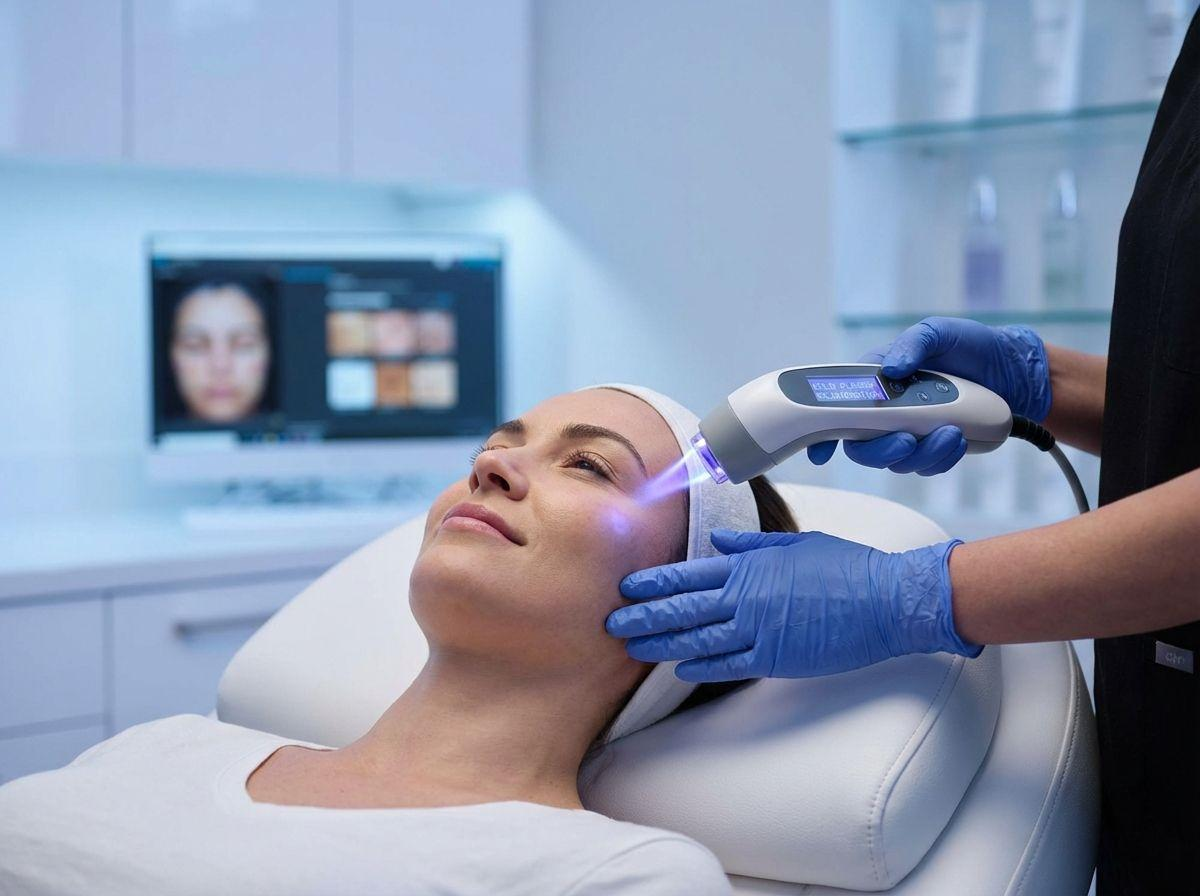
A cold plasma device can be designed with a specialized handpiece that allows the operator to control treatment distance, movement, duration, intensity, and treatment area according to the device's intended use.
Some research has explored CAP's potential effects on skin barrier properties, cellular activity, circulation, microbial environments, inflammation, and tissue repair. Reviews have also highlighted its potential for dermatological and transdermal applications.
However, cold plasma should not be treated as a universal solution for every skin concern. Device parameters and treatment protocols matter, and professional operators should follow the manufacturer's intended use, safety instructions, and applicable regulatory requirements.
Cold Plasma vs Traditional Facial: The Basic Difference
| Treatment Approach | Primary Method | Typical Professional Role |
|---|---|---|
| Traditional Facial | Manual care, products, massage, masks | General skincare and relaxation |
| Chemical Peel | Controlled chemical exfoliation | Texture and surface renewal |
| Microdermabrasion | Mechanical exfoliation | Surface exfoliation and smoothing |
| LED Therapy | Specific light wavelengths | Non-invasive light-based skincare |
| Cold Plasma | Ionized gas and reactive plasma components | Technology-driven professional facial protocols |
The important point is that these technologies are not necessarily competing treatments.
In many professional environments, they can be complementary.
Advantages & Comparison
1. Cold Plasma Is Technology-Driven
Traditional facials depend heavily on the skill of the operator and the products used during the procedure.
That is not a disadvantage. In fact, professional expertise remains essential.
However, equipment-based treatments introduce additional parameters that can be controlled and standardized. A professional plasma device can provide defined operating modes, treatment durations, handpiece designs, and user interfaces.
For clinics serving a large number of clients, this can make treatment protocols easier to standardize across operators.
2. It Can Be Integrated Into a Larger Facial Protocol
One of the strongest commercial advantages of professional aesthetic equipment is not necessarily replacing an existing service.
It is expanding it.
For example, a clinic may build a facial protocol around:
Cleanse → Exfoliate → Prepare → Cold Plasma → Mask → Hydrate → Finish
The plasma stage becomes a technology-focused component inside a broader professional facial experience.
This can make the treatment feel more sophisticated without requiring the clinic to completely redesign its existing service structure.
3. Cold Plasma Offers a Different Treatment Experience
Clients often associate professional beauty treatments with familiar procedures such as steaming, massage, exfoliation, extraction, or masks.
Cold plasma creates a different experience.
The presence of a professional handpiece, digital control system, treatment parameters, and visible technological process can help position a service as a more advanced aesthetic treatment.
For premium salons and aesthetic clinics, the perceived value of a treatment is influenced not only by the final skincare step but also by the professionalism, customization, technology, and consultation experience surrounding it.
4. Traditional Facials Remain Valuable
It is important not to overstate the role of plasma.
Traditional facials remain useful because they address fundamental skincare needs.
Cleansing can remove surface impurities. Exfoliation can help remove accumulated dead skin cells. Masks can provide targeted topical care. Massage can enhance the sensory experience of a treatment. Professional consultation allows operators to customize the procedure according to the client's skin condition and tolerance.
For many clients, a traditional facial may be exactly what they want.
The difference is that cold plasma provides another tool when a clinic wants to introduce a technology-driven treatment option.
A Visual Comparison for Professional Clinics
Applications & Client Needs
For Clients Seeking Technology-Based Skincare
Some clients actively look for advanced beauty technologies.
They may already be familiar with RF, LED, ultrasound, oxygen facials, or other professional devices. For these clients, cold plasma can become an interesting addition to a technology-focused treatment menu.
The key is professional positioning.
Rather than presenting plasma as a miracle treatment, clinics can explain that it is an energy-based technology designed for specific professional applications and that treatment outcomes depend on the device, parameters, skin condition, and treatment protocol.
This creates a more credible consultation experience.
For Premium Facial Packages
Cold plasma can also be incorporated into premium treatment packages.
For example:
Essential Facial
Cleansing + exfoliation + mask + hydration
Advanced Facial
Cleansing + exfoliation + professional device treatment + mask + hydration
Technology Facial
Skin preparation + cold plasma treatment + targeted skincare + finishing care
This structure allows a clinic to serve different customer segments without eliminating its traditional facial services.
For Repeat Treatment Programs
Professional skincare businesses benefit from treatment programs rather than relying entirely on one-time appointments.
A technology-based facial can be incorporated into a structured skincare plan when appropriate.
For example, the clinic may combine consultation, skin assessment, treatment sessions, home-care recommendations, and periodic professional maintenance.
The equipment therefore becomes part of a broader service system rather than simply another machine in the treatment room.
For Clinics Looking to Differentiate Their Services
Competition in the beauty industry is increasingly focused on experience and specialization.
A clinic offering only standard facials may have difficulty communicating why its service is different from dozens of nearby competitors.
Adding professional technology creates another point of differentiation.
Cold plasma can support a positioning strategy built around:
- Advanced skincare technology
- Professional treatment protocols
- Customized facial programs
- Non-invasive treatment experiences
- Modern treatment-room equipment
- Premium client experiences
For equipment suppliers and manufacturers, this also creates an opportunity to develop devices with practical clinic-oriented features such as intuitive interfaces, ergonomic handpieces, adjustable treatment settings, multiple operating modes, and professional-grade construction.
Professional Equipment vs Home Devices
Another important distinction is the difference between professional equipment and consumer skincare devices.
Home devices are designed around convenience, simplicity, and consumer accessibility.
Professional equipment, by contrast, can be designed around operator control, treatment workflow, durability, repeatability, and integration into commercial treatment protocols.
A professional operator may need to consider treatment parameters, client skin condition, contraindications, hygiene procedures, handpiece positioning, treatment timing, and post-treatment care.
This is why equipment selection should go beyond appearance or the number of functions listed on a product page.
A professional device should support the workflow of the treatment room.
For manufacturers, factors such as ergonomic handpiece design, stable output, clear parameter controls, safety features, easy cleaning, and reliable operation can be just as important as adding more features.
Cold Plasma or Traditional Facial: Which Should a Clinic Choose?
The answer depends on the clinic's positioning and client base.
A traditional facial may be the better choice for clients primarily seeking relaxation, cleansing, hydration, and a familiar skincare experience.
Cold plasma may be more attractive for clinics that want to build technology-driven facial services and differentiate their treatment menu.
But the strongest business strategy may not be choosing one over the other.
It may be combining them.
For example, traditional skincare steps can prepare the skin and improve the overall client experience, while a professional plasma device can provide a technology-focused stage within the treatment.
This hybrid approach allows the operator to maintain the familiar benefits of conventional facial care while introducing modern equipment into the treatment workflow.
What Should Clinics Consider Before Investing?
Before purchasing a cold plasma facial device, professional operators should evaluate several factors.
First, intended use.
Understand exactly what the device is designed for and whether its intended applications match the services your clinic wants to provide.
Second, treatment parameters.
Look for clear controls and reproducible operating settings rather than relying only on marketing claims.
Third, operator usability.
A sophisticated device is only useful if staff can operate it efficiently and consistently.
Fourth, handpiece ergonomics.
The handpiece should be comfortable for repeated professional use and suitable for precise facial treatment.
Fifth, safety and compliance.
Clinics should verify applicable regulatory requirements, certifications, instructions for use, and manufacturer documentation for their market.
Finally, commercial potential.
Consider whether the device can support new treatment packages, premium services, repeat appointments, or differentiation from competing clinics.
The best equipment investment is not necessarily the machine with the longest feature list. It is the machine that can be integrated into a practical and profitable treatment workflow.
Conclusion
Cold plasma and traditional facial treatments represent two different approaches to professional skincare.
Traditional facials rely on established techniques such as cleansing, exfoliation, massage, masks, topical products, and manual expertise. Cold plasma introduces an energy-based approach that uses controlled plasma technology and is being investigated across several dermatological and skincare applications.
The real opportunity for modern beauty clinics is not necessarily to replace traditional treatments with plasma.
Instead, cold plasma can become another professional tool within a broader treatment strategy.
When combined with consultation, skin preparation, appropriate skincare products, and professional operating protocols, advanced equipment can help clinics create more differentiated and technology-focused services.
For salons and aesthetic clinics planning their next equipment upgrade, the key question is therefore not simply, “Is cold plasma better than a traditional facial?”
A better question is:
“How can cold plasma technology complement our existing treatments and create greater value for our clients?”
That is where professional aesthetic equipment moves beyond being a machine—and becomes part of a modern treatment business
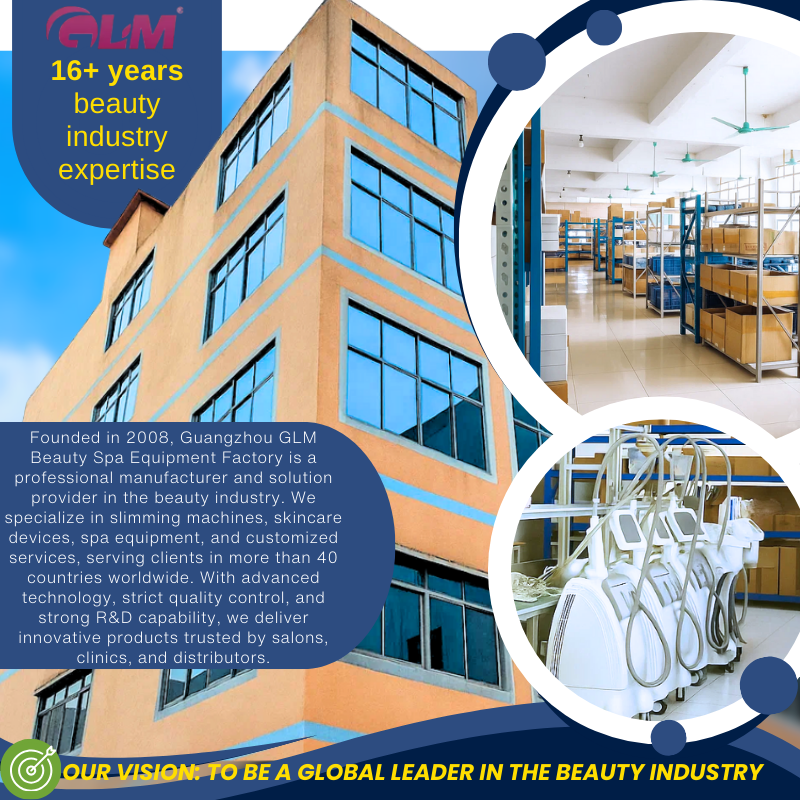
Founded in 2008, Guangzhou GLM Beauty Spa Equipment Factory specializes in research, development, manufacture and selling of beauty and slimming machines. Our production base is located in Guangzhou City, Guangdong Province, China. Since our foundation, we have introduced advanced technologies and equipment, to assure high quality and high performance of our products. With professional marketing guide and excellent after-sales service, our products have been exported to over 20 countries and regions, including Southeast Asia, the Middle East, Europe and the United States, won worldwide praises and gained a good reputation