1. Introduction
Modern aesthetic clients are increasingly interested in treatments that address several skin concerns within a carefully designed skincare program. Dullness, dehydration, uneven texture, fine lines, and reduced firmness may occur together, yet they do not necessarily respond to the same treatment method. For professional beauty salons, medical aesthetic clinics, and skin management centers, this creates an opportunity to develop more comprehensive services by combining complementary technologies.
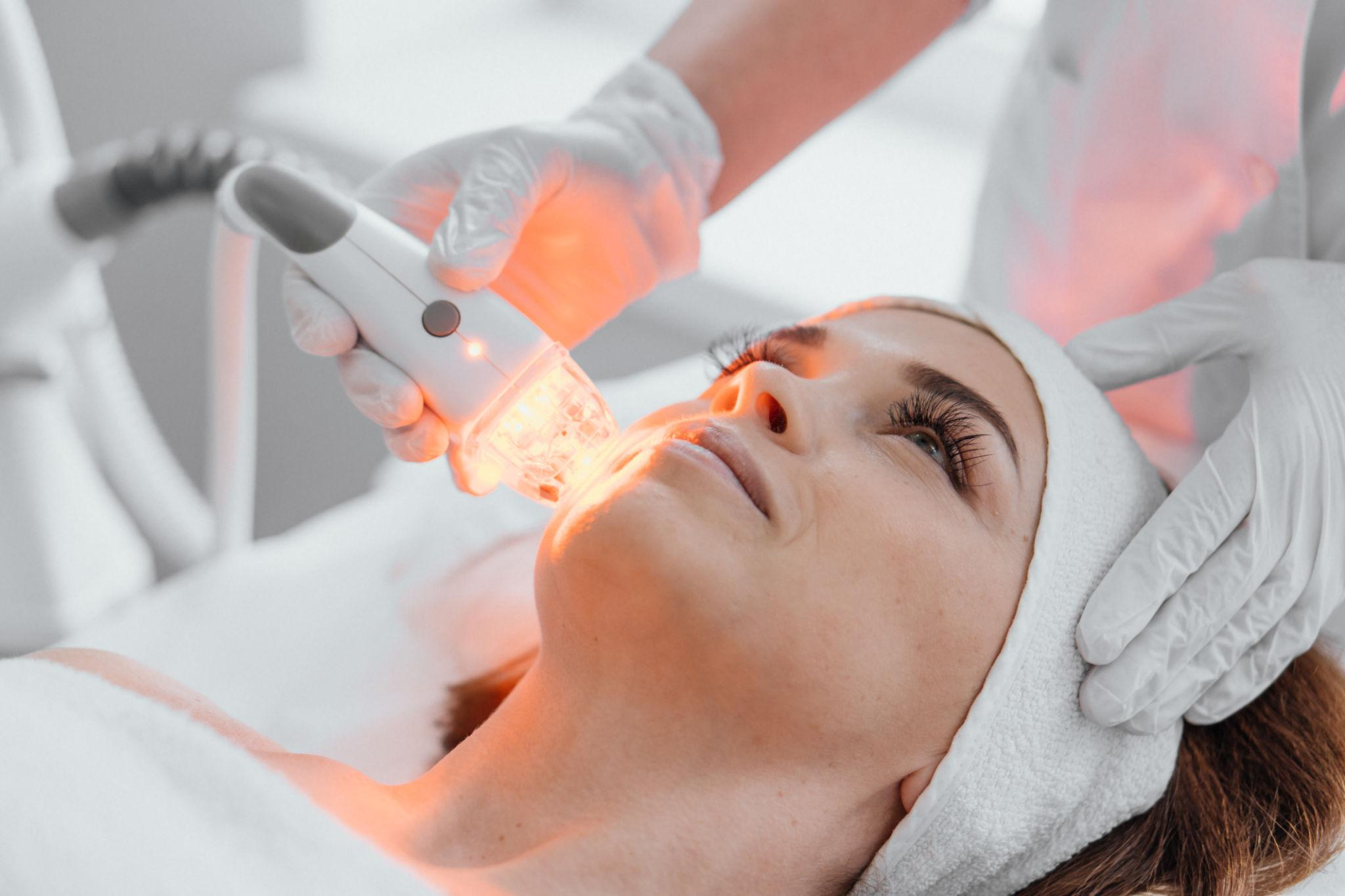
Oxygen therapy, LED light therapy, radiofrequency (RF), and ultrasound each offer a different approach to professional skin treatment. Oxygen-based facials are commonly positioned around skin refreshment, exfoliation, and hydration support. LED devices deliver selected wavelengths of light for photobiomodulation. RF systems generate controlled tissue heating, while ultrasound technologies use acoustic energy for applications that depend on the device's design and operating parameters.
The value of a multi-technology facial does not simply come from using more equipment. It comes from selecting appropriate technologies for specific skin concerns, arranging them in a suitable sequence, and adapting treatment parameters to the individual client.
For professional operators, understanding how these modalities differ is essential. A well-planned combination protocol can create a more tailored treatment experience, broaden service offerings, and help salons differentiate their facial programs without relying on a single device or treatment technique.
2. Background: Why Single-Technology Treatments May Not Address Every Concern
Skin appearance is influenced by multiple factors, including hydration, the condition of the skin barrier, environmental exposure, collagen changes associated with aging, and individual lifestyle habits. A client who complains of dullness may also experience rough texture or early signs of reduced firmness. Another client may have relatively healthy-looking skin but want to address fine lines and uneven tone.
A single technology may be appropriate for a clearly defined concern, but it should not automatically be expected to address every aspect of skin appearance.
For example, an oxygen facial may help improve the immediate appearance of dry or tired-looking skin through exfoliation and topical hydration, depending on the system and products used. However, it should not be marketed as equivalent to a dedicated skin-tightening procedure. Similarly, RF treatment is primarily selected for controlled heating and skin-firmness objectives rather than simply providing surface hydration.
LED light therapy introduces another treatment approach, with outcomes influenced by wavelength, energy dose, treatment duration, and the condition being addressed. Ultrasound adds further possibilities, but its effects vary considerably between low-intensity sonophoresis systems, cosmetic ultrasound devices, and high-intensity focused ultrasound (HIFU) platforms.
This distinction matters when designing a professional treatment menu. Combining technologies should be based on complementary functions rather than the assumption that every additional device automatically improves results.
Professional providers can begin with a structured consultation, identify the client's main concerns, assess skin condition and treatment suitability, and select only the technologies that serve a clear purpose.
3. Technology and Mechanisms: How Four Technologies Work Together
3.1 Oxygen Therapy: Preparing the Skin for a Refreshed Appearance
Oxygen-related facial treatments cover several different approaches. Some systems use topical products and controlled exfoliation to support hydration and improve the appearance of the skin. Others use oxygen delivery equipment to apply oxygen-containing streams or assist with the application of cosmetic formulations.
These methods should not be treated as interchangeable. A topical oxygen facial does not necessarily deliver oxygen into deeper skin layers, and claims about cellular oxygenation or enhanced absorption should be supported by evidence specific to the device and formulation.
In professional beauty settings, oxygen-based treatments are often incorporated into facial programs for clients seeking a refreshed appearance, improved surface smoothness, and a comfortable treatment experience. Depending on the device, the procedure may include cleansing, gentle exfoliation, topical product application, and a finishing step that supports skin hydration.
Oxygen therapy can therefore serve as the introductory or skin-conditioning component of a multi-step facial. It may help establish a suitable starting point for subsequent treatments, provided that the skin remains comfortable and the selected procedures are compatible.
3.2 LED Light Therapy: Adding Wavelength-Specific Photobiomodulation
LED light therapy uses light at selected wavelengths to produce biological responses in tissue. Different wavelengths interact with tissue differently, and the treatment effect depends on more than the color of the light alone.
Red and near-infrared light are commonly investigated for photobiomodulation and skin-rejuvenation applications. Certain protocols are designed to support the appearance of fine lines, skin texture, or post-procedure comfort. Blue light is commonly associated with acne-related applications, although suitability and effectiveness depend on the indication, wavelength, dose, and device.
LED is often attractive to professional operators because non-thermal LED treatments can be incorporated into selected facial programs without the same heating mechanism used by RF devices. Nevertheless, eye protection, device instructions, photosensitivity considerations, and treatment-specific contraindications must be addressed.
In a combined facial, LED may be used as a distinct treatment stage rather than as an automatic finishing step after every procedure. The operator should consider the client's skin condition, the intensity of the preceding treatment, and the manufacturer's recommended sequence.
Research supports continued interest in LED-based aesthetic applications, but results vary across protocols, and evidence for one indication should not be generalized to every LED device or combination treatment. A 2026 systematic review of photobiomodulation in facial aesthetic surgery also highlights the importance of standardized treatment parameters and outcome assessment.
3.3 Radiofrequency: Targeting Skin Firmness Through Controlled Heating
Radiofrequency devices deliver electromagnetic energy that produces heat in targeted tissue. Depending on the design, electrode configuration, energy level, and contact method, RF systems can be used for non-invasive skin-firmness treatments and selected skin-rejuvenation applications.
Controlled heating can influence collagen structure and stimulate tissue-remodeling processes over time. However, the depth and distribution of heating differ between monopolar, bipolar, multipolar, and other RF configurations. Results therefore depend on device engineering, operating parameters, treatment technique, and client characteristics.
For professional salons and aesthetic clinics, RF may be considered when reduced firmness or the appearance of fine lines is a primary concern. It should not be presented as a substitute for surgical lifting, nor should every RF device be assumed to produce the same degree of tightening.
When RF is combined with oxygen-based facial treatments, the two technologies can serve different purposes: the oxygen-related stage may focus on surface conditioning and hydration, while RF targets controlled heating and firmness-related objectives.
Treatment order requires care. Exfoliation, active formulations, and heat exposure can affect skin comfort. Operators should follow the device manufacturer's instructions, avoid excessive thermal exposure, and use an appropriate treatment plan for the client's skin condition.
3.4 Ultrasound: Supporting Different Applications Depending on Device Design
Ultrasound is a broad category rather than a single treatment mechanism. Low-intensity ultrasound may be used in certain cosmetic systems for product-delivery support, sometimes described as sonophoresis. Other devices use ultrasound for tissue massage or related aesthetic applications, while HIFU systems deliver focused acoustic energy to specific tissue targets.
These technologies should not be grouped together when explaining expected outcomes. A cosmetic ultrasound infusion device should not be marketed as providing the same effects as a focused-ultrasound lifting system.
For facial treatments, the appropriate application depends on the device's intended use, acoustic output, treatment head, target area, and manufacturer guidance. Ultrasound-based product-delivery systems may be incorporated into selected protocols when compatible formulations and appropriate operating conditions are available.
HIFU, by contrast, is a more specialized energy-based procedure with different treatment objectives and risk considerations. It may require medical assessment, specialized training, and compliance with local regulations.
When used alongside oxygen therapy, RF, or LED, ultrasound should have a clearly defined role. It may contribute to a tailored treatment plan, but the addition of ultrasound does not automatically make a facial more effective or suitable for every client.
4. Advantages and Comparison: Why Complementary Technologies Matter
A multi-technology facial is best understood as a coordinated treatment plan rather than a collection of independent procedures.
Each modality contributes a different potential benefit:
-
Oxygen-based facial treatments: Surface refreshment, exfoliation, and topical hydration support, depending on the system.
-
LED light therapy: Wavelength-specific photobiomodulation for selected skin-treatment objectives.
-
Radiofrequency: Controlled heating for firmness-related and skin-rejuvenation applications.
-
Ultrasound: Device-specific applications, including certain product-delivery methods or more specialized energy-based treatments.
The primary advantage of this approach is flexibility. A salon can design different facial programs around individual concerns rather than offering the same procedure to every client. For example, a hydration-focused facial may emphasize gentle skin conditioning and compatible topical products, while a firmness-focused program may prioritize an appropriate RF procedure and consider LED as a separate, complementary stage.
There is also a business advantage. A structured service menu can help operators explain why a treatment is recommended, how each stage contributes to the overall plan, and why certain clients may benefit from a series of sessions rather than a single appointment.
Professional equipment may provide advantages over basic home-use devices in terms of adjustability, treatment-head options, workflow integration, and operator control. However, professional status alone does not guarantee better results. Device quality, validated specifications, appropriate training, maintenance, and correct treatment selection remain essential.
Evidence for combined treatments is promising in selected applications, but results from one combination cannot automatically be applied to another. Published clinical literature has examined combinations involving RF and LED, as well as multi-modality aesthetic platforms. These findings support careful investigation of complementary approaches rather than a blanket claim that all four technologies produce superior results when used together.
5. Applications and Client Needs: Designing Professional Facial Programs
5.1 For Dull, Dehydrated, or Tired-Looking Skin
A hydration-focused program may begin with cleansing and gentle skin conditioning, followed by an oxygen-based facial procedure and suitable topical products. LED may be considered when appropriate for the client's needs and the device's intended use.
The objective is to improve the appearance and feel of the skin, not to promise permanent hydration or a dramatic biological transformation after one appointment.
5.2 For Early Signs of Reduced Firmness
For clients concerned about skin firmness, an appropriately selected RF system may form the main technology component. Oxygen-based treatments can be included separately when surface conditioning is also needed, while LED may be considered as an additional stage if supported by the protocol.
Operators should explain that visible changes may develop gradually and that treatment response varies. Maintenance needs, realistic expectations, and possible discomfort or temporary redness should be discussed before treatment.
5.3 For Uneven Texture and Multiple Skin Concerns
Some clients present with several concerns at once, such as rough texture, dullness, and early fine lines. A multi-technology program may help organize these priorities into a manageable sequence.
The practitioner should first identify which concern matters most to the client. Not every technology needs to be used in every session. In some cases, separating procedures across different appointments may be more appropriate than stacking them on the same day.
5.4 For Professional Salons and Aesthetic Clinics
A well-designed treatment menu can include introductory facials, hydration-focused services, LED-based programs, and more specialized RF or ultrasound procedures where permitted and appropriate.
Before introducing a combined protocol, providers should review device instructions, contraindications, sanitation requirements, training needs, and local regulations. Consultation forms, baseline photographs where appropriate, and consistent follow-up assessments can help track client response.
A professional supplier can support this process by providing clear specifications, operating manuals, training resources, maintenance guidance, and documentation relevant to the destination market. For salon owners, these practical details can be just as important as the number of functions advertised on a device.
6. Safety and Treatment Planning: More Technologies Require More Control
Combining technologies should never mean increasing energy exposure without a clear rationale. Excessive heat, aggressive exfoliation, incompatible topical products, or inappropriate sequencing may increase irritation and other adverse effects.
Before treatment, operators should review the client's medical and skin history, current skincare products, recent procedures, and relevant contraindications. RF and ultrasound devices require particular attention to their specific safety instructions and restrictions. LED users should also follow eye-protection guidance and screen for relevant photosensitivity concerns.
A practical planning process includes:
-
Assessing the client's skin condition and primary objective.
-
Confirming that each selected device is suitable for that client and treatment area.
-
Checking compatibility between procedures and topical products.
-
Following the manufacturer's parameters and sequencing recommendations.
-
Monitoring skin response and documenting outcomes.
-
Providing aftercare advice and arranging follow-up when needed.
For medical aesthetic procedures or higher-energy devices, treatment should be performed only by appropriately trained and authorized professionals in accordance with local regulations. When suitability is uncertain, defer treatment and seek qualified medical advice.
7. Conclusion
Combining oxygen therapy with LED light therapy, radiofrequency, and ultrasound offers professional beauty providers a framework for developing more personalized facial programs. The four technologies have different mechanisms and should be selected according to the client's needs, the device's intended use, and the practitioner's training.
Oxygen-based treatments may support surface conditioning and hydration-focused services. LED offers wavelength-specific photobiomodulation, RF provides controlled heating for firmness-related objectives, and ultrasound covers a range of applications that must be distinguished by device type.
The most effective professional strategy is not to use every available technology in every appointment. It is to match the right modality to the right concern, establish a safe and logical sequence, and evaluate results consistently.
For beauty salons, skin management centers, and aesthetic clinics, this approach can support a more differentiated service menu and clearer client communication. For equipment suppliers, it highlights the importance of reliable device design, transparent specifications, operator training, and practical support. Ultimately, well-designed combination treatments are built on appropriate technology selection and realistic expectations—not on the number of functions a machine can perform
Founded in 2008, Guangzhou GLM Beauty Spa Equipment Factory specializes in research, development, manufacture and selling of beauty and slimming machines. Our production base is located in Guangzhou City, Guangdong Province, China. Since our foundation, we have introduced advanced technologies and equipment, to assure high quality and high performance of our products. With professional marketing guide and excellent after-sales service, our products have been exported to over 20 countries and regions, including Southeast Asia, the Middle East, Europe and the United States, won worldwide praises and gained a good reputation