
1. Introduction
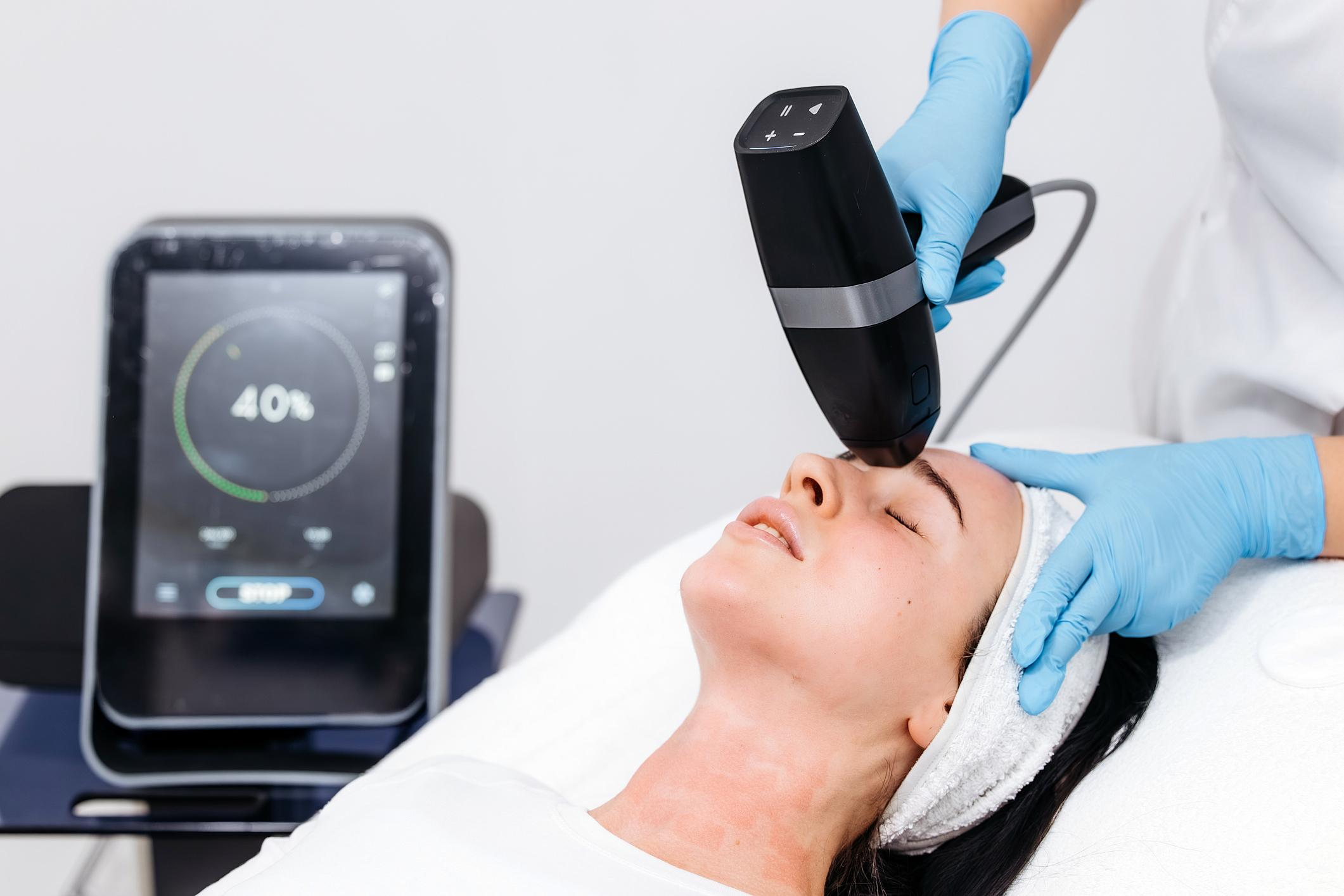
Radiofrequency (RF) technology has become an important part of professional aesthetic treatments, offering non-surgical options for improving the appearance of skin laxity, fine lines, and certain body-contouring concerns. For beauty salons, medical spas, and aesthetic clinics, RF devices can support versatile treatment menus and help meet clients' growing interest in technology-assisted skin rejuvenation.
However, successful RF treatment requires more than purchasing a powerful machine or selecting a high energy level. Treatment outcomes depend on appropriate client assessment, device-specific settings, correct handpiece movement, controlled heat delivery, and consistent safety procedures.
In 2026, treatment safety deserves particular attention. The U.S. Food and Drug Administration (FDA) issued a safety communication in October 2025 concerning serious complications associated with certain uses of RF microneedling, including burns, scarring, fat loss, disfigurement, and nerve damage. These reports highlight why professional training, appropriate patient selection, and correct device operation are essential. They should not be interpreted as evidence that every RF device carries the same risk, because different technologies have different mechanisms and indications. Source: FDA
For professional operators and clinic owners, understanding common mistakes is a practical way to improve treatment consistency, protect clients, and build a more reliable aesthetic service. This guide explains the major risks associated with RF treatments and how to avoid preventable problems.
2. Background and Common Problems
RF devices deliver electrical energy into tissue, where resistance to the current generates heat. Depending on the device design, energy may be delivered from the skin surface, through electrodes, or through microneedles that penetrate the skin. Different systems target different tissue depths and aesthetic concerns.
When appropriately applied, controlled heating can stimulate changes in collagen and improve the appearance of mild skin laxity. Certain systems are also designed for body-contouring applications. However, excessive or uneven heating can cause unwanted tissue injury.
Several mistakes occur repeatedly in professional settings.
Mistake 1: Assuming Higher Energy Means Better Results
One of the most common misconceptions is that increasing RF energy will produce faster tightening or more dramatic rejuvenation.
In reality, the displayed energy level does not tell the whole story. Tissue response also depends on exposure time, electrode configuration, treatment depth, contact quality, cooling, tissue characteristics, and the device's energy-delivery system.
Excessive energy or prolonged exposure may increase the risk of burns, persistent inflammation, scarring, and other complications. Conversely, settings that are too conservative may not produce the intended treatment response.
How to avoid it: Follow the manufacturer's instructions for the specific device and indication. Select settings according to the client's assessment, the treatment area, and the intended endpoint. Do not increase energy simply because a client wants faster results or because another operator uses a higher setting.
Mistake 2: Treating Every Client With the Same Protocol
Clients differ in skin condition, tissue thickness, sensitivity, medical history, and treatment goals. A protocol suitable for one person may be inappropriate for another.
For example, recently irritated skin, active infections, open wounds, or impaired sensation may require treatment to be postponed or avoided. Certain implanted electronic or metallic devices may also make RF treatment unsuitable, depending on the technology and treatment location.
How to avoid it: Conduct a thorough consultation before every treatment course. Review relevant medical history, medications, previous aesthetic procedures, implanted devices, skin sensitivity, and current skin condition. Follow the device-specific contraindications and refer clients to an appropriately qualified healthcare professional when suitability is uncertain.
Mistake 3: Keeping the Handpiece in One Place for Too Long
RF treatment depends on controlled energy delivery. Remaining over one spot for too long, repeating passes excessively, or concentrating energy near sensitive anatomical areas can create localized overheating.
This problem can occur even when the selected energy level appears reasonable. The cumulative thermal effect matters, not just the number displayed on the screen.
How to avoid it: Use the handpiece movement pattern, contact duration, pass count, and treatment sequence specified by the manufacturer. Maintain the required contact and coupling conditions, and avoid unnecessary repeated treatment of the same area. Never assume that a slower movement or extra pass automatically improves results.
Mistake 4: Ignoring Client Feedback
A device's display cannot always reveal how a client is experiencing the treatment. Excessive pain, unexpected burning sensations, or unusual discomfort may indicate that the procedure needs immediate reassessment.
Some clients may hesitate to report discomfort because they believe a stronger sensation means the treatment is working.
How to avoid it: Explain the expected sensations before starting and check client comfort throughout the procedure. Stop energy delivery if the client reports unusual or escalating pain, or if the skin develops concerning changes. Assess the area before deciding whether treatment can safely continue. Do not dismiss severe discomfort as a normal part of the process.
Mistake 5: Overlooking Skin Preparation and Contact Quality
Uneven contact between the handpiece and skin can contribute to inconsistent energy delivery. Depending on the device, insufficient or inappropriate coupling medium, contaminated contact surfaces, or inadequate preparation may compromise treatment quality and safety.
How to avoid it: Prepare the skin according to the device instructions. Use only the specified coupling gel or other approved consumable, in the required amount. Check the handpiece, cables, contact surfaces, and temperature-monitoring components before use. Do not substitute unapproved products or continue using equipment that appears damaged.
3. Technology and Mechanism: How RF Settings Affect the Skin
Understanding the mechanism behind RF treatment helps operators make better decisions and avoid treating the control panel as a simple power switch.
How RF Energy Works
RF systems use alternating electrical current to generate heat within targeted tissue. The resulting thermal response depends on the device's design, frequency, electrode arrangement, power delivery, treatment duration, and tissue characteristics.
Controlled heating may influence collagen structure and stimulate subsequent remodeling. These changes generally develop over time, so immediate redness or warmth should not be confused with proof of a successful long-term result.
Different RF technologies must also be distinguished:
-
Non-invasive surface RF: Delivers energy through the skin without intentionally penetrating it. It is used for selected skin-tightening and aesthetic applications.
-
Monopolar and bipolar RF: Use different electrode configurations and current paths, affecting how energy is distributed through tissue.
-
RF microneedling: Uses needles to deliver RF energy at selected depths within or beneath the skin. Because it penetrates tissue, it has distinct risks and clinical requirements.
-
Fractional RF systems: Deliver energy in a patterned distribution, with the exact mechanism depending on the device design.
These technologies are not interchangeable. Their settings, contraindications, training requirements, and expected outcomes should never be assumed to be identical.
Why Energy, Time, and Treatment Area Must Be Considered Together
The total thermal effect is influenced by several variables:
-
Energy output and pulse characteristics.
-
Duration of energy delivery.
-
Treatment depth and electrode configuration.
-
Handpiece contact and movement.
-
Local tissue thickness, hydration, and sensitivity.
-
Cooling systems and temperature feedback, where available.
-
The number and distribution of passes.
A higher setting may be appropriate in one device-specific protocol but unsafe in another. Similarly, a setting that is suitable for one anatomical area may not be suitable for a thinner or more sensitive area.
Professional operators should therefore use the manufacturer's validated protocols rather than copying numerical settings from online videos or unrelated machines.
Temperature Monitoring Is Helpful, but Not a Guarantee
Some professional RF systems include temperature sensors, impedance monitoring, feedback mechanisms, or automatic energy adjustment. These features can support more consistent treatment delivery when used correctly.
However, sensors have limitations, and a displayed temperature may not represent the temperature throughout every tissue layer. Operators must still follow the recommended technique, assess client feedback, and watch for abnormal skin responses.
Technology supports safe practice; it does not replace it.
4. Advantages and Comparison: Professional RF Devices Versus Home-Use Devices
For aesthetic businesses, the value of a professional RF system lies not simply in its power output but in its suitability for the intended service, controllability, operational consistency, and support requirements.
Professional RF Devices
Depending on the model and intended use, professional systems may offer:
-
Multiple handpieces or treatment modes for different applications.
-
Adjustable parameters within manufacturer-defined limits.
-
More detailed treatment controls and monitoring features.
-
Treatment protocols designed for trained operators.
-
Technical training, maintenance support, and documented operating procedures.
These features can help qualified practitioners tailor treatments to appropriate client needs. They do not automatically make every professional device safer or more effective; actual performance depends on the design, evidence, operator competence, and correct use.
Home-Use RF Devices
Home-use devices are generally designed for consumer operation and may use different output levels, treatment protocols, and safety controls. They may suit certain maintenance routines when used according to their instructions.
However, a home-use device should not be treated as a substitute for professional treatment, and professional equipment should never be used at home without the required training and authorization.
In particular, RF microneedling is not a home-use cosmetic procedure. The FDA has warned about serious complications associated with certain uses of these devices and recommends care from appropriately qualified and experienced healthcare providers.
For clinics and beauty businesses, the sensible approach is to select equipment according to the intended service, local regulations, staff qualifications, and client profile rather than relying on claims of maximum power or the number of functions alone.
5. Applications and Client Needs: Building a Safer RF Treatment Workflow
A structured workflow can help clinics improve consistency while making treatment decisions more transparent to clients.
Step 1: Assess the Client and Define a Realistic Goal
Begin with a consultation that identifies the client's main concern, relevant medical history, skin condition, and expectations. Determine whether the proposed RF technology is appropriate for the concern and whether additional medical assessment is required.
Explain realistic outcomes, limitations, potential adverse effects, recovery expectations, and alternative options. RF treatment should not be marketed as a guaranteed replacement for surgery or as a universal solution for every skin concern.
Step 2: Verify the Device and Treatment Protocol
Before treatment, confirm that the device is intended for the proposed application and that its instructions, consumables, and safety features are available and understood.
Check the handpiece and cables for visible damage, confirm that monitoring functions operate as intended, and verify that the selected protocol matches the treatment area and client assessment.
For device purchasers, this is also why technical documentation, operator training, after-sales support, and clear safety instructions matter when comparing suppliers.
Step 3: Prepare the Skin and Confirm Client Comfort
Prepare the treatment area using the specified procedure. Apply the approved coupling medium if required, and ensure that the handpiece makes the correct contact.
Explain what the client should expect to feel and how to communicate discomfort. Where appropriate, obtain informed consent and document the treatment plan.
Step 4: Deliver Energy With Consistent Technique
Follow the manufacturer's recommended movement pattern, contact time, energy range, and pass count. Avoid improvising settings or adding passes to compensate for uncertain results.
Monitor the client's comfort and the skin's response throughout the procedure. If unexpected pain, abnormal discoloration, blistering, or other concerning signs occur, stop treatment and follow the device's safety and clinical escalation procedures.
Step 5: Provide Aftercare and Monitor Recovery
Explain the expected short-term response and provide aftercare instructions appropriate to the device and procedure. Clients should understand which reactions are expected, which symptoms require prompt assessment, and whom to contact if a problem develops.
Persistent or worsening pain, blistering, marked swelling, unusual discoloration, or suspected burns require prompt evaluation by an appropriately qualified healthcare professional. Do not attempt to manage a suspected serious injury solely through routine cosmetic aftercare.
Step 6: Review Results and Improve the Protocol
Document the device settings, treatment area, client feedback, observed skin response, and follow-up findings. Reviewing this information helps the clinic identify inconsistent practices and refine staff training.
For multi-platform aesthetic clinics, RF may be one part of a broader treatment offering. Its role should be determined by the client's needs and the device's intended use, not by pressure to sell additional services.
6. Conclusion
RF technology can support professional skin-tightening and selected body-contouring services, but its benefits depend on appropriate application rather than maximum energy output.
The most important mistakes to avoid in 2026 are increasing energy without justification, applying identical protocols to every client, holding the handpiece in one place for too long, ignoring discomfort, overlooking contraindications, and neglecting equipment checks or aftercare.
For clinic owners, choosing a suitable RF device is only the beginning. Reliable treatment also requires trained operators, manufacturer-supported protocols, appropriate client assessment, clear documentation, and a system for recognizing and responding to complications.
When evaluating professional aesthetic equipment, prioritize controlled energy delivery, relevant safety features, clear instructions, dependable technical support, and suitability for your intended services. A well-designed device combined with disciplined operation is a stronger foundation for client trust and long-term business development than power specifications alone
Founded in 2008, Guangzhou GLM Beauty Spa Equipment Factory specializes in research, development, manufacture and selling of beauty and slimming machines. Our production base is located in Guangzhou City, Guangdong Province, China. Since our foundation, we have introduced advanced technologies and equipment, to assure high quality and high performance of our products. With professional marketing guide and excellent after-sales service, our products have been exported to over 20 countries and regions, including Southeast Asia, the Middle East, Europe and the United States, won worldwide praises and gained a good reputation