Introduction
Body contouring technologies have revolutionized aesthetic medicine, offering non-invasive solutions to reduce stubborn fat without surgery. Among the most popular treatments are Cryolipolysis (fat freezing) and Ultrasonic Cavitation. Both methods appeal to patients seeking visible body reshaping without downtime. Yet, their mechanisms, outcomes, and best-use scenarios differ significantly. For clinics, understanding these differences is essential to guide treatment planning and improve patient satisfaction.
Background: Rising Demand for Non-Invasive Fat Reduction
The global demand for non-invasive fat reduction treatments has surged over the last decade. Patients are increasingly reluctant to undergo liposuction due to risks, cost, and long recovery. Instead, technologies like Cryolipolysis and Cavitation provide safer, more comfortable alternatives that fit modern lifestyles. Market reports indicate that the body contouring sector is expected to maintain double-digit growth, fueled by consumer demand for non-surgical and customizable solutions.
Technology and Mechanism
Cryolipolysis
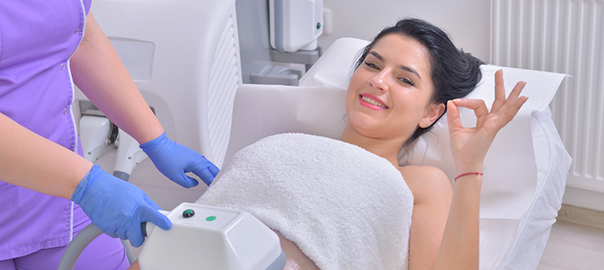
Cryolipolysis works by exposing fat cells to controlled cooling, typically between –5°C to –10°C. Fat cells are more temperature-sensitive than surrounding tissues, so they crystallize and undergo apoptosis (programmed cell death). Over the next weeks, the body naturally metabolizes these damaged cells. The method is FDA-cleared for specific areas like the abdomen, flanks, and thighs.
Key Features:
-
Selective destruction of fat cells without damaging skin or muscle
-
Results become visible within 6–12 weeks
-
Usually requires 1–3 sessions per area
Ultrasonic Cavitation
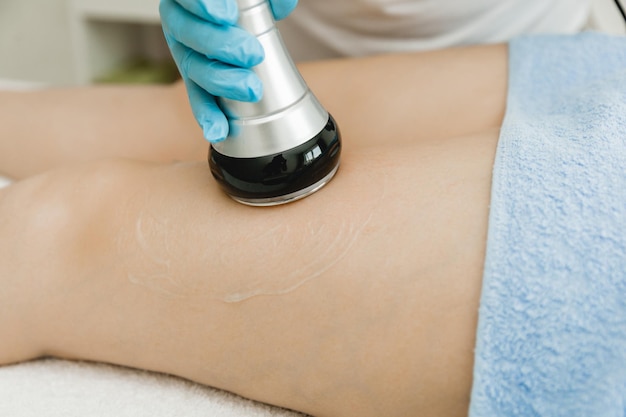
Cavitation uses low-frequency ultrasound waves to create microscopic bubbles within fat tissue. These bubbles collapse, disrupting fat cell membranes. The contents are released and processed through the lymphatic system.
Key Features:
-
Immediate circumference reduction after sessions
-
Works best on soft, localized fat deposits
-
Requires multiple sessions (typically 6–12) for optimal results
Advantages and Limitations
| Aspect | Cryolipolysis | Cavitation |
|---|---|---|
| Mechanism | Cold-induced apoptosis | Ultrasound-induced disruption |
| Results | Noticeable after weeks, long-lasting | Immediate inch loss, gradual improvement |
| Sessions | Fewer (1–3) | More frequent (6–12) |
| Target Areas | Abdomen, flanks, thighs, arms | Thighs, hips, arms, localized fat |
| Comfort | Cold, numbness, temporary bruising | Warm sensation, mild discomfort |
| Downtime | None | None |
Both methods are safe and non-invasive but differ in pace and treatment strategy.
Application Scenarios and Patient Needs
-
Cryolipolysis suits patients with stubborn fat resistant to diet and exercise, especially in defined pockets like “love handles” or lower abdomen.
-
Cavitation suits patients seeking fast circumference reduction for softer fat or broader areas. It is often preferred by clients who want visible results after several sessions with minimal discomfort.
-
Combination approaches: Some clinics combine both technologies—using Cavitation for initial reduction and Cryolipolysis for sculpting stubborn areas.
Market Trends and Clinical Adoption
Globally, Cryolipolysis is positioned as a premium, evidence-backed treatment widely adopted in medical-grade aesthetic clinics. Cavitation, by contrast, is more affordable and common in beauty spas, offering accessibility to a broader client base. Both modalities benefit from rising consumer demand for body contouring, but patient education remains crucial to set realistic expectations. Clinics that position these technologies effectively can diversify their offerings and attract different segments of clients.
Conclusion

Cryolipolysis and Cavitation are not rivals but complementary tools in modern fat reduction. Cryolipolysis provides targeted, long-lasting fat elimination, while Cavitation delivers quicker but incremental improvements. The choice depends on patient needs, budget, and treatment goals. For clinics, understanding both technologies allows them to deliver customized, effective, and safe body contouring solutions in line with today’s market trends.
Founded in 2008, Guangzhou GLM Beauty Spa Equipment Factory specializes in research, development, manufacture and selling of beauty and slimming machines. Our production base is located in Guangzhou City, Guangdong Province, China. Since our foundation, we have introduced advanced technologies and equipment, to assure high quality and high performance of our products. With professional marketing guide and excellent after-sales service, our products have been exported to over 20 countries and regions, including Southeast Asia, the Middle East, Europe and the United States, won worldwide praises and gained a good reputation.