
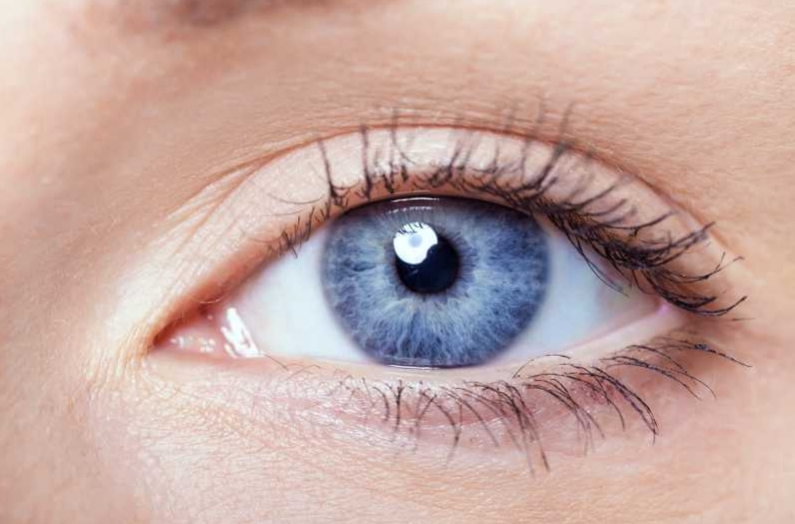
As we age, our skin gradually loses its firmness and elasticity, primarily due to a decrease in the production of collagen and elastin by our bodies. Consequently, the skin becomes thinner, more fragile, and less capable of snapping back into shape.
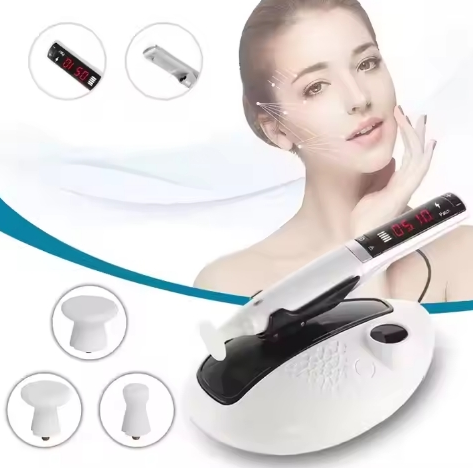
Over time, these changes manifest in various ways, with one of the earliest visible signs of aging being sagging eyelids, which can contribute to a tired or aged appearance.
Drooping or flabby eyelids are a natural part of the aging process. Nevertheless, many individuals seek to address this issue to achieve a more youthful look or to improve vision impaired by excessive skin folds. One common solution is blepharoplasty, a surgical procedure involving the removal of excess skin, muscle, and fat around the eyes.
However, for those who wish to address droopy eyelids without resorting to surgery, plasma pen therapy emerges as a promising alternative.
What is Plasma Pen Eyelid Treatment?
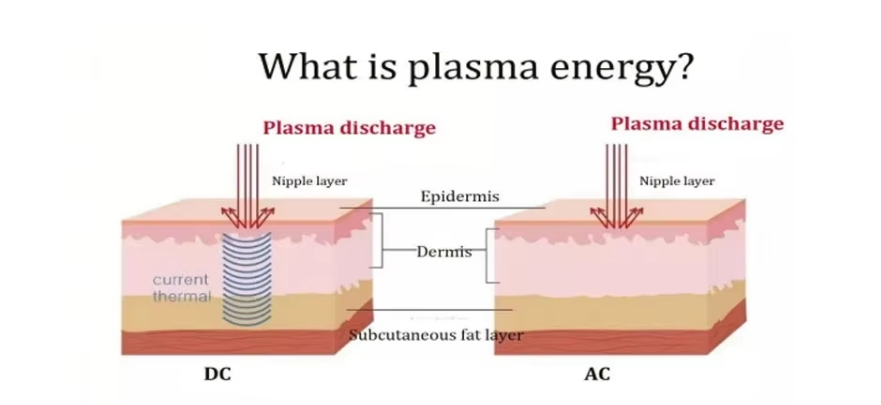
Plasma pen eyelid treatment is a non-invasive, minimally invasive procedure that utilizes low-temperature plasma energy to stimulate the skin's natural healing process. This process creates micro-injuries on the skin's surface, triggering collagen production and ultimately leading to skin tightening around the eyelids.
Risks and Side Effects of Plasma Pen Eyelid Lifting:
While plasma pen therapy offers a less invasive option compared to surgery, it is important to be aware of potential risks and side effects:
Temporary Discomfort: During and immediately after the treatment, patients may experience mild to moderate discomfort, including a stinging sensation or a feeling of warmth.
Swelling and Bruising: The treated area may become swollen and bruised, which typically resolves within a few days to a week.
Scabbing and Crusting: Micro-injuries created by the plasma energy may result in the formation of scabs or crusts on the skin's surface. Proper care and avoiding picking at these areas is crucial for optimal healing.
Skin Sensitivity: The treated skin may be more sensitive to sunlight and other external factors for several weeks post-treatment. It is essential to wear sun protection and avoid harsh skincare products during this period.
Inconsistent Results: As with any non-invasive treatment, results may vary from person to person. Multiple sessions may be required to achieve desired outcomes.
Risk of Infection: Although rare, there is a potential risk of infection at the treatment site. Adhering to post-treatment instructions and keeping the area clean can help minimize this risk.
It is crucial to consult with a qualified and experienced healthcare professional before undergoing plasma pen eyelid treatment to ensure proper assessment, understanding of potential risks, and development of a personalized treatment plan.
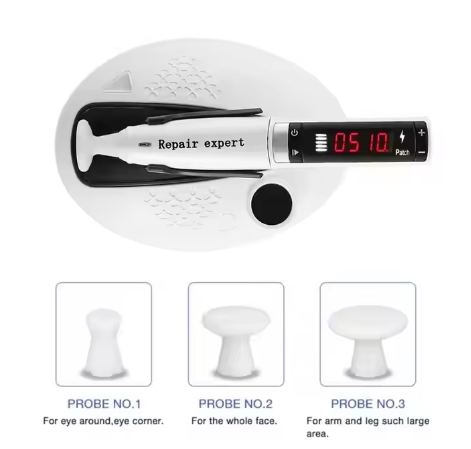
Can You Perform Eyelid Lifting with a Plasma Pen at Home?
While it may be tempting to think so, it is generally not recommended to perform eyelid lifting or any other plasma pen treatments on oneself at home. Plasma pen treatments involve the use of precise and controlled energy that, if not administered by a trained professional, can lead to complications or unsatisfactory results.
However, let's discuss how a plasma pen works in a general sense, assuming it is being used by a qualified practitioner in a controlled environment.
How Does a Plasma Pen Work?
A plasma pen harnesses the power of plasma energy to create micro-injuries on the skin's surface. These controlled injuries stimulate the skin's natural healing response, encouraging the production of collagen—a vital protein responsible for maintaining skin's firmness, elasticity, and softness. As the skin heals from these micro-injuries, the resulting scabs eventually fall off, revealing smoother, tighter, and more resilient skin beneath.
Versatility of Plasma Pen Treatments
Beyond eyelid lifting, plasma pen treatments can be used for a wide range of skin concerns. It can target areas under the eyes to address bags or puffiness, as well as address issues like stretch marks, skin tags, acne scars, and numerous other dermatological conditions.
Safety and Professionalism
It's crucial to emphasize that performing plasma pen treatments or any other form of cosmetic procedure at home, without proper training and equipment, can be dangerous and ineffective. Skin is a delicate tissue, and even minor mishaps during a procedure can lead to scarring, infection, or other undesirable outcomes.
Therefore, if you're considering plasma pen treatments for eyelid lifting or any other purpose, it's essential to consult with a licensed and experienced healthcare professional who has the necessary expertise and equipment to ensure safe and effective results.
he Benefits of Plasma Pen Treatment for Eyelids
The plasma pen can work wonders on your skin, erasing imperfections, and granting you a more youthful appearance. If that's not enough to convince you, here are additional compelling advantages of undergoing plasma pen treatment specifically for your eyelids:

Non-Invasive with Minimal Pain: Addressing eyelid droopiness and under-eye bags with the plasma pen is significantly less painful than surgical procedures. The plasma pen itself does not actually touch the skin. Instead, plasma is emitted from the tip, creating tiny wounds on the skin's surface. These micro-injuries may cause some discomfort, depending on your pain tolerance, but as the skin heals, any pain experienced is typically minimal and temporary.
Effortless Healing Process: Speaking of healing, the plasma pen treatment fully resolves within approximately two months. However, side effects such as swelling, tenderness, and scabbing typically subside within 5 to 7 days. Importantly, you don't need to take time off work to recover from plasma pen treatment. You might have to go to work with scabs on your face, but they won't hinder your daily activities as much as surgical procedures would.
Long-Lasting Results: Whether treating sagging eyelids or acne scars, the effects of plasma pen treatment can last for up to 2 to 3 years. However, if you're not satisfied with the results of your first treatment, you can undergo another plasma pen session once your skin has fully healed. This flexibility allows you to maintain your desired appearance over an extended period.
In summary, the plasma pen treatment for eyelids offers a non-invasive, minimally painful solution with a swift healing process and long-lasting results. It's an excellent choice for those seeking to rejuvenate their eyelids without the downtime and potential risks associated with surgical procedures. Always consult with a qualified professional to ensure safe and effective treatment.
Performing plasma pen eyelid lift at home is not recommended due to the potential risks and complexities involved. Plasma pen treatments are medical procedures that should be administered by licensed and experienced professionals in a controlled environment. However, I can provide you with a general understanding of the steps involved in a professional plasma pen eyelid lift procedure, which should never be attempted without proper training and supervision.
If you're considering undergoing a plasma pen eyelid lift, here's an overview of what a professional treatment might entail:
Consultation: Start by consulting with a qualified aesthetician or dermatologist who specializes in plasma pen treatments. They will assess your skin condition, discuss your goals, and determine if plasma pen therapy is suitable for you.
Preparation: On the day of your treatment, your practitioner will thoroughly cleanse your face to remove any dirt, oil, or makeup. They may also apply a topical anesthetic to minimize discomfort during the procedure.
Marking: While marking the treatment area with an eyebrow pencil or similar tool is not always necessary, your practitioner may use a marker to outline the specific areas to be targeted.
Settings Adjustment: The practitioner will adjust the settings on the plasma pen based on your skin type, the area being treated, and their professional judgment. As a client, you should not be adjusting the settings yourself.
Treatment: The practitioner will carefully apply the plasma pen to the targeted areas, creating tiny micro-injuries on the skin's surface. They will ensure that the pen is held at a safe distance from the skin and that the treatment is evenly distributed across the problem area.
Post-Treatment Care: After the treatment, your practitioner will provide you with instructions on how to care for your skin during the healing process. This may include avoiding certain products, keeping the area clean and dry, and applying any prescribed ointments or creams.
Follow-Up: Depending on your individual needs, you may be scheduled for follow-up appointments to assess your progress and address any concerns.
Remember, attempting to perform a plasma pen eyelid lift at home is not only unsafe but also ineffective. Always seek the expertise of a qualified professional to ensure your safety and satisfaction with the results.
Results of Plasma Pen Eyelid Treatment: Before and After
The plasma pen eyelid lift is a procedure that can yield noticeable results by tightening and rejuvenating the skin around the eyes. While the initial effects may be visible immediately after treatment, the full transformation typically becomes evident after 1 to 2 months. Here's a closer look at the before and after transformation, along with important considerations for the healing process.
Before and After Transformation:
Examining before and after images of plasma pen eyelid treatments reveals a marked improvement in the appearance of the eyelids. Skin appears tighter and smoother, with a reduction in the appearance of fine lines, wrinkles, and excess skin. The overall look is more youthful and refreshed.
Healing Process and Side Effects:
During the healing process, it's important to understand that the skin will undergo changes as it repairs itself. Mild discomfort such as swelling, tenderness, and redness are normal and should gradually resolve over time.
One of the most prominent side effects of plasma pen treatment is the formation of scabs. These scabs are a natural part of the healing process and should be allowed to fall off naturally. Picking or scratching at the scabs can delay recovery, increase the risk of infection, and potentially lead to scarring.
To support a smooth and effective healing process, follow your practitioner's post-treatment instructions closely. This may include avoiding certain products, keeping the treated area clean and dry, and applying any prescribed ointments or creams as directed.