Introduction
Cellulite is one of the most common aesthetic concerns among women, affecting an estimated 80–90% of post-pubertal females regardless of body weight. Even individuals who maintain healthy diets and regular exercise routines often struggle with uneven skin texture, commonly described as "orange peel" or "cottage cheese" skin.
As the demand for non-invasive body contouring continues to grow, clients are searching for treatments that promise smoother skin without surgery or lengthy recovery periods. Among these options, wood therapy massage has gained remarkable popularity across beauty salons, wellness centers, and social media platforms. Many before-and-after photos suggest dramatic improvements, leading clients to wonder:
Does wood therapy really work for cellulite reduction?
The answer is more nuanced than a simple yes or no.
Wood therapy can temporarily improve the appearance of cellulite, stimulate circulation, and promote lymphatic drainage. However, expecting it to permanently eliminate cellulite may lead to unrealistic expectations. Like many body contouring treatments, its effectiveness depends on multiple factors, including cellulite severity, treatment frequency, lifestyle, and whether it is combined with advanced aesthetic technologies.
Today, many professional clinics no longer rely on manual massage alone. Instead, they integrate wood therapy with modern body contouring devices, such as radio frequency (RF), vacuum therapy, ultrasound cavitation, EMS muscle stimulation, and infrared technologies. This combination delivers more comprehensive treatments by targeting different layers of tissue—from the skin surface to subcutaneous fat and connective tissue.
In this article, we'll explore how wood therapy works, what science says about cellulite reduction, its strengths and limitations, and why professional beauty equipment is becoming an essential partner in achieving more consistent body contouring results.
Understanding Cellulite: Why Is It So Difficult to Remove?
Before evaluating wood therapy, it's important to understand what cellulite actually is.
Contrary to popular belief, cellulite is not simply excess body fat. It is a structural condition involving several tissues beneath the skin.
Cellulite develops when:
- Fat cells enlarge beneath the skin.
- Fibrous connective bands pull the skin downward.
- Reduced circulation slows tissue metabolism.
- Lymphatic fluid accumulates.
- Skin gradually loses collagen and elasticity with age.
These combined factors create the uneven, dimpled appearance that becomes especially noticeable on areas such as:
- Thighs
- Buttocks
- Hips
- Abdomen
- Upper arms
This explains why cellulite can affect slim individuals just as often as those with higher body fat percentages.
Because cellulite involves multiple biological structures rather than one single cause, there is no universal "cure." Most professional treatments aim to improve one or more contributing factors, making the skin appear smoother and firmer rather than permanently removing cellulite.
What Is Wood Therapy Massage?
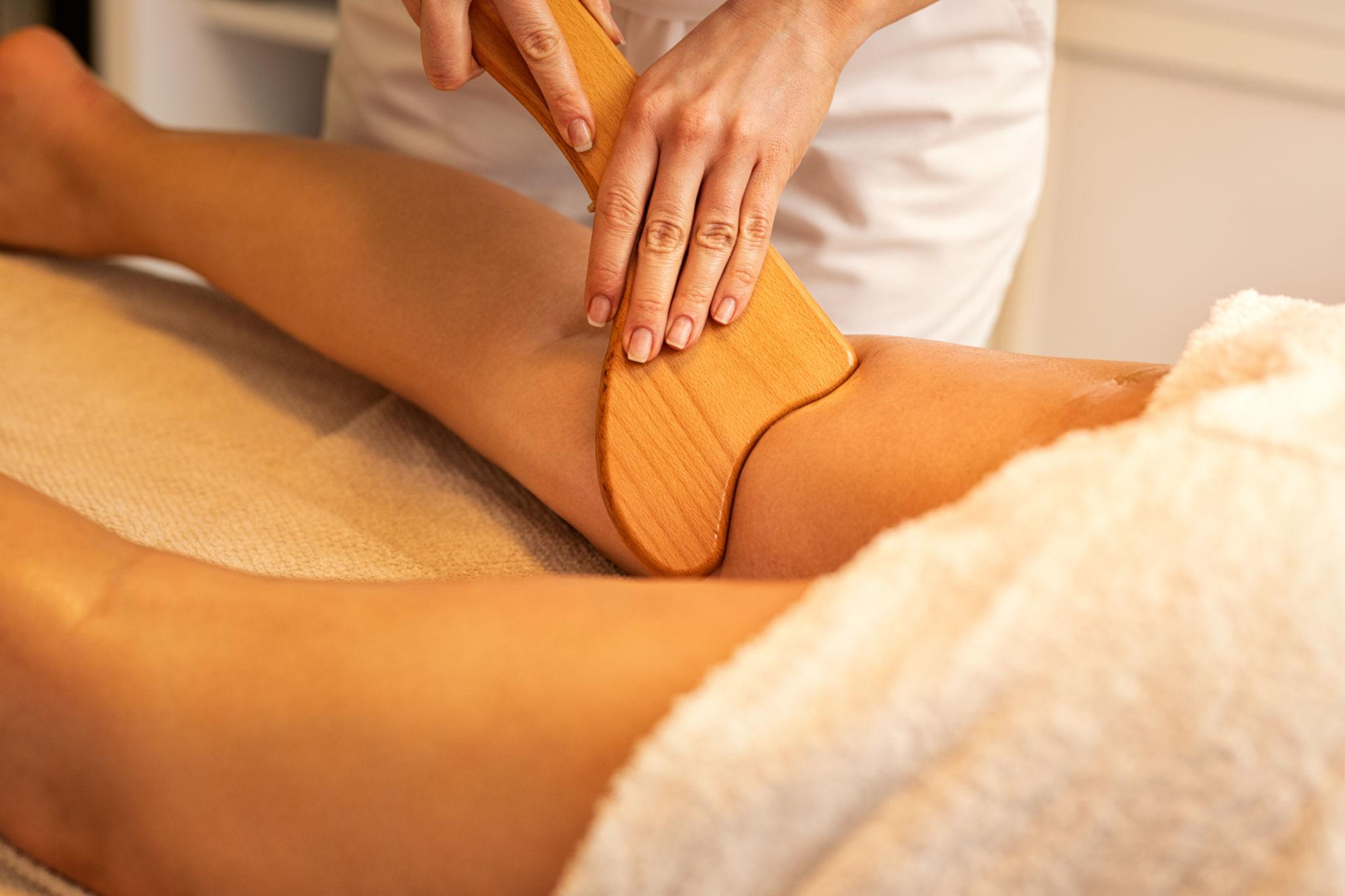
Wood therapy, sometimes referred to as maderotherapy, is a manual body sculpting technique that originated in South America and has become increasingly popular in professional aesthetic practices worldwide.
The treatment uses specially designed wooden instruments with different shapes and contours to perform rhythmic massage across targeted areas of the body.
Typical tools include:
- Contoured rollers
- Mushroom-shaped massagers
- Sculpting cups
- Ribbed rollers
- Wooden boards
- Trigger-point tools
Each tool is designed for specific body regions and treatment objectives.
Unlike traditional relaxation massage, wood therapy applies controlled mechanical pressure intended to:
- stimulate blood circulation;
- encourage lymphatic drainage;
- mobilize superficial fat deposits;
- reduce temporary fluid retention;
- relax tight fascia;
- improve skin texture.
Although the treatment feels vigorous compared with conventional massage, it remains completely non-invasive and requires no downtime.
How Does Wood Therapy Work?
The effectiveness of wood therapy comes from its ability to mechanically stimulate soft tissues through repeated pressure and rolling movements.
Rather than "breaking fat," as some marketing claims suggest, wood therapy primarily enhances several natural physiological processes.
1. Improving Blood Circulation
One of the first responses to massage is increased local blood flow.
Improved circulation allows tissues to receive:
- more oxygen;
- more nutrients;
- improved metabolic exchange.
Healthier circulation supports skin vitality and may temporarily improve overall skin appearance.
2. Supporting Lymphatic Drainage
The lymphatic system plays an essential role in removing excess fluid and metabolic waste from tissues.
Poor lymphatic circulation can contribute to:
- swelling;
- puffiness;
- fluid retention;
- heavier-looking legs.
Wood therapy encourages lymph movement through rhythmic pressure directed toward lymphatic pathways.
Many clients notice their body feels lighter immediately after treatment because temporary water retention has been reduced.
However, it's important to understand that fluid reduction should not be mistaken for fat loss.
3. Loosening Tight Connective Tissue
Cellulite becomes visible partly because fibrous connective bands pull the skin downward while fat pushes upward.
Massage helps improve tissue mobility and flexibility by working on superficial fascia.
Although manual massage cannot permanently release every fibrous septa responsible for cellulite, improving fascial mobility may reduce the prominence of skin dimpling.
4. Enhancing Skin Appearance
Immediately after treatment, increased circulation creates a temporary "plumping" effect.
Many clients observe:
- smoother-looking skin;
- improved firmness;
- healthier color;
- reduced puffiness.
These visible improvements are one reason wood therapy remains popular, particularly before vacations, weddings, or special events.
However, maintaining these results typically requires ongoing treatments and healthy lifestyle habits.
Can Wood Therapy Actually Reduce Cellulite?
The short answer is:
Yes—but mostly by improving the appearance of cellulite rather than eliminating its underlying causes.
This distinction is important for both practitioners and clients.
Wood therapy does not permanently remove fat cells, rebuild damaged connective tissue, or stop future cellulite from developing. Instead, it addresses several contributing factors that make cellulite more noticeable, such as fluid retention, sluggish circulation, mild fascial tightness, and temporary skin laxity.
For clients with mild to moderate cellulite, a structured series of treatments often leads to visibly smoother skin, especially when paired with regular exercise, hydration, and a balanced diet.
For more advanced cellulite, however, manual techniques alone may deliver limited improvement because deeper structural changes are involved. This is one reason professional clinics increasingly combine wood therapy with advanced body contouring technologies rather than relying on massage alone.
In the next section, we'll examine how modern aesthetic devices complement wood therapy by targeting deeper tissues, improving skin tightening, and supporting longer-lasting body contouring outcomes
Technology & Mechanism: Why Professional Clinics Combine Wood Therapy with Beauty Devices
While wood therapy offers valuable manual stimulation, professional aesthetic clinics increasingly recognize that cellulite is a multi-layered condition. Treating only the skin's surface rarely delivers the level of improvement clients expect.
Modern body contouring protocols therefore combine manual techniques with advanced aesthetic technologies, allowing practitioners to address multiple tissue layers in a single treatment plan.
Rather than replacing wood therapy, these devices complement it by enhancing circulation, improving skin firmness, stimulating collagen production, and supporting fat metabolism.
Let's explore how each technology contributes.
1. Radio Frequency (RF): Tightening the Skin from Within
One of the biggest contributors to visible cellulite is loss of skin elasticity.
As collagen production naturally declines with age, the skin becomes thinner and less able to conceal the uneven fat structures beneath it.
Radio Frequency (RF) technology addresses this issue by delivering controlled thermal energy into the dermis and subcutaneous tissue.
The gentle heat stimulates fibroblasts to produce:
- New collagen
- Elastin fibers
- Stronger connective tissue
Over time, this process helps:
- Improve skin firmness
- Increase elasticity
- Smooth mild cellulite
- Reduce skin laxity
- Enhance body contours
Unlike wood therapy, which mainly affects circulation and fascia, RF directly supports the skin's structural framework.
This is why RF is frequently incorporated into premium cellulite reduction programs offered by medical spas and professional beauty clinics.
2. Vacuum Therapy: Enhancing Tissue Mobilization
Vacuum therapy works on a similar principle to manual massage but provides consistent, adjustable suction that is difficult to achieve by hand alone.
The controlled negative pressure gently lifts the tissue while specially designed rollers massage the treatment area.
Its benefits include:
- Stimulating lymphatic drainage
- Increasing blood circulation
- Improving tissue flexibility
- Supporting temporary fluid reduction
- Helping smooth uneven skin texture
Compared with manual wood tools, professional vacuum systems offer:
- Adjustable suction intensity
- More consistent pressure
- Better treatment efficiency
- Reduced operator fatigue
- Greater comfort for long treatment sessions
Many practitioners begin treatments with vacuum therapy before transitioning to wood tools for detailed sculpting work.
3. Ultrasound Cavitation: Supporting Fat Reduction
Unlike massage techniques, low-frequency ultrasound cavitation focuses primarily on localized fat deposits.
The technology creates microscopic pressure changes within fatty tissue that help disrupt fat cell membranes. The released lipids are then gradually processed through the body's natural metabolic pathways.
Although cavitation is not a weight-loss treatment, it may assist body contouring for clients who have:
- Stubborn localized fat
- Mild body asymmetry
- Areas resistant to exercise
When excess fat volume decreases, cellulite often becomes less pronounced, allowing the smoothing effects of wood therapy to become more visible.
This combination is especially popular for treating:
- Abdomen
- Love handles
- Thighs
- Hips
- Buttocks
4. EMS Muscle Stimulation: Improving Body Definition
Cellulite isn't only influenced by fat and skin—it is also affected by the underlying muscles.
Electrical Muscle Stimulation (EMS) technology produces controlled muscle contractions that mimic exercise.
Professional EMS treatments may help:
- Improve muscle tone
- Enhance body definition
- Support post-treatment shaping
- Strengthen underlying tissue
Better muscle tone can create firmer body contours, making cellulite appear less noticeable.
EMS is particularly effective when incorporated into comprehensive body sculpting programs following fat reduction or skin tightening procedures.
5. Infrared Therapy: Supporting Tissue Metabolism
Infrared energy gently warms deeper tissues, promoting:
- Improved circulation
- Enhanced oxygen delivery
- Increased tissue flexibility
- Better comfort during treatment
When combined with massage techniques, infrared heating helps prepare tissues, making them more receptive to manual manipulation while improving the overall treatment experience.
Many multifunctional body contouring systems integrate infrared technology alongside RF and vacuum therapy, allowing practitioners to perform several complementary treatments without switching equipment.
Why Combination Treatments Produce Better Results
Professional practitioners increasingly understand that cellulite rarely has a single cause.
A client's concerns may involve several factors simultaneously:
- Fluid retention
- Poor circulation
- Fibrous connective tissue
- Localized fat deposits
- Skin laxity
- Reduced muscle tone
No single treatment addresses every one of these concerns.
Wood therapy is highly effective at stimulating circulation and encouraging lymphatic drainage, but it has limited influence on collagen remodeling or deeper fat reduction.
Conversely, RF excels at tightening skin but cannot replicate the manual sculpting effects of massage.
Vacuum therapy improves circulation yet cannot strengthen muscles.
EMS tones muscles but does not directly improve skin elasticity.
By combining complementary technologies, professional clinics create treatment protocols that address multiple contributing factors rather than relying on a single technique.
As a result, clients often experience:
- More noticeable body contouring
- Smoother skin texture
- Better skin firmness
- Longer-lasting visible improvements
- Greater overall satisfaction
This integrated approach has become one of the defining characteristics of modern non-invasive aesthetic treatments.
Advantages of Professional Wood Therapy Compared with Home Massage
With the growing popularity of body contouring, many consumers purchase inexpensive wooden massage tools for home use. While these products can provide a relaxing massage and encourage daily self-care, their results are generally modest compared with professional treatments.
Professional Assessment and Customized Protocols
No two clients present the same cellulite pattern, skin condition, or body contouring goals.
Professional therapists begin with a consultation to evaluate factors such as:
- Cellulite severity
- Skin elasticity
- Fat distribution
- Circulation
- Lifestyle habits
- Treatment expectations
Based on this assessment, they tailor treatment intensity, tool selection, and device combinations to achieve more targeted results.
Greater Treatment Precision
Professional-grade wooden tools are available in a wider variety of shapes and sizes, enabling practitioners to work efficiently on different anatomical areas.
Experienced therapists also understand:
- Proper pressure application
- Massage direction
- Lymphatic pathways
- Treatment sequencing
- Client comfort management
This level of expertise is difficult to replicate during self-treatment.
Integration with Advanced Technology
Perhaps the greatest advantage of professional clinics is their ability to combine manual techniques with advanced body contouring equipment.
Instead of relying solely on massage, practitioners can build a comprehensive treatment plan that incorporates:
- Radio Frequency skin tightening
- Vacuum-assisted massage
- Ultrasound cavitation
- EMS muscle stimulation
- Infrared therapy
- LED phototherapy (when appropriate)
Each technology targets a different aspect of cellulite, creating a more complete and balanced treatment protocol.
Better Consistency
Home users often struggle to maintain:
- Correct massage pressure
- Appropriate treatment duration
- Consistent treatment frequency
Professional clinics follow structured treatment schedules and standardized protocols, improving treatment consistency and making progress easier to monitor over time.
Improved Client Confidence
Beyond physical results, professional treatments also provide reassurance.
Clients appreciate:
- Expert guidance
- Personalized recommendations
- Safe treatment parameters
- Realistic expectations
- Ongoing progress evaluation
These factors contribute to higher satisfaction and stronger long-term relationships between clients and aesthetic professionals
Applications & Client Needs: Who Benefits Most from Wood Therapy?
Wood therapy is not a one-size-fits-all solution. The best results come from selecting the right candidates, combining appropriate technologies, and following a realistic treatment plan. For professional salons and aesthetic clinics, understanding client needs is just as important as choosing the right equipment.
Below are some of the most common client profiles that benefit from professional wood therapy programs.
1. Clients with Mild to Moderate Cellulite
This is the ideal group for wood therapy.
These clients typically have:
- Visible dimpling when standing
- Slight skin unevenness
- Localized fluid retention
- Generally healthy skin elasticity
For this group, wood therapy can noticeably improve skin smoothness and body contours, especially when performed as a treatment series rather than a single session.
Adding RF skin tightening or vacuum therapy can further enhance visible results by improving collagen production and tissue firmness.
2. Post-Weight-Loss Clients
Many people who successfully lose weight discover that cellulite remains.
This happens because weight loss reduces fat volume but does not necessarily improve:
- Skin laxity
- Connective tissue structure
- Collagen density
- Circulation
A professional treatment program combining wood therapy, radio frequency, and muscle stimulation can help refine body contours while improving the appearance of loose or uneven skin.
3. Clients Seeking Non-Invasive Body Contouring
Not every client wants liposuction or other invasive cosmetic procedures.
Many prefer treatments that are:
- Comfortable
- Non-surgical
- No downtime
- Gradual and natural-looking
- Suitable for regular maintenance
Wood therapy fits perfectly into this growing trend toward non-invasive aesthetic treatments.
When paired with advanced body contouring devices, clinics can offer comprehensive solutions that appeal to clients seeking visible improvements without disrupting their daily routines.
4. Wellness and Maintenance Clients
Some clients are less concerned with dramatic body reshaping and more interested in maintaining healthy circulation and supporting overall body wellness.
For these individuals, regular wood therapy sessions may help:
- Reduce feelings of heaviness in the legs
- Encourage lymphatic drainage
- Promote relaxation
- Improve skin appearance
- Complement healthy lifestyle habits
These maintenance treatments are also an excellent opportunity for clinics to build long-term client relationships through recurring service packages.
Setting Realistic Expectations
One of the most important responsibilities of aesthetic professionals is educating clients about what wood therapy can—and cannot—achieve.
Wood therapy can help:
- Improve the appearance of cellulite
- Enhance circulation
- Reduce temporary fluid retention
- Promote smoother-looking skin
- Support body contouring programs
However, it cannot:
- Permanently eliminate cellulite
- Remove fat cells
- Replace healthy nutrition and exercise
- Prevent future cellulite formation
- Deliver permanent results after a single treatment
Honest communication builds trust and increases client satisfaction. Clients who understand that body contouring is a gradual process are more likely to complete their treatment plans and maintain realistic expectations.
Why Modern Beauty Equipment Is Shaping the Future of Body Contouring
The beauty industry continues to evolve as client expectations increase.
Today's consumers are well-informed. They often research treatments online, compare before-and-after results, and seek clinics that offer advanced, evidence-based technologies rather than traditional massage alone.
As a result, many professional salons, medical spas, and aesthetic clinics are investing in multifunctional body contouring systems that combine several technologies into one platform.
These integrated systems may include:
- Radio Frequency (RF)
- Vacuum Therapy
- Ultrasound Cavitation
- EMS Muscle Stimulation
- Infrared Therapy
- LED Light Therapy
Combined with skilled manual techniques such as wood therapy, these technologies allow practitioners to create personalized treatment protocols tailored to each client's body composition, aesthetic goals, and treatment response.
For beauty equipment manufacturers, this trend also presents an opportunity to develop versatile, clinic-oriented solutions that improve treatment efficiency while expanding service offerings.
Rather than viewing wood therapy and beauty devices as competing options, the industry increasingly recognizes them as complementary tools within a comprehensive body contouring strategy.
Conclusion
So, does wood therapy massage really work for cellulite reduction?
The answer is yes—but with realistic expectations.
Wood therapy can effectively improve circulation, encourage lymphatic drainage, reduce temporary fluid retention, and enhance the overall appearance of cellulite. For many clients, it delivers visibly smoother skin and a more sculpted silhouette, particularly when performed by trained professionals as part of a structured treatment program.
However, cellulite is a complex condition involving fat, connective tissue, skin quality, and circulation. No single technique can address every contributing factor.
This is why professional aesthetic clinics increasingly combine wood therapy with advanced technologies such as radio frequency, vacuum therapy, ultrasound cavitation, EMS, and infrared energy. By targeting multiple tissue layers simultaneously, these integrated treatments provide more comprehensive, consistent, and longer-lasting improvements.
For beauty professionals, embracing this combined approach not only enhances treatment outcomes but also enables clinics to offer higher-value services that meet the growing demand for safe, non-invasive body contouring.
As the aesthetics industry continues to advance, the future of cellulite treatment is unlikely to rely on a single method. Instead, success lies in combining skilled hands, innovative technology, and personalized treatment plans to help clients achieve smoother skin, improved body confidence, and sustainable aesthetic results
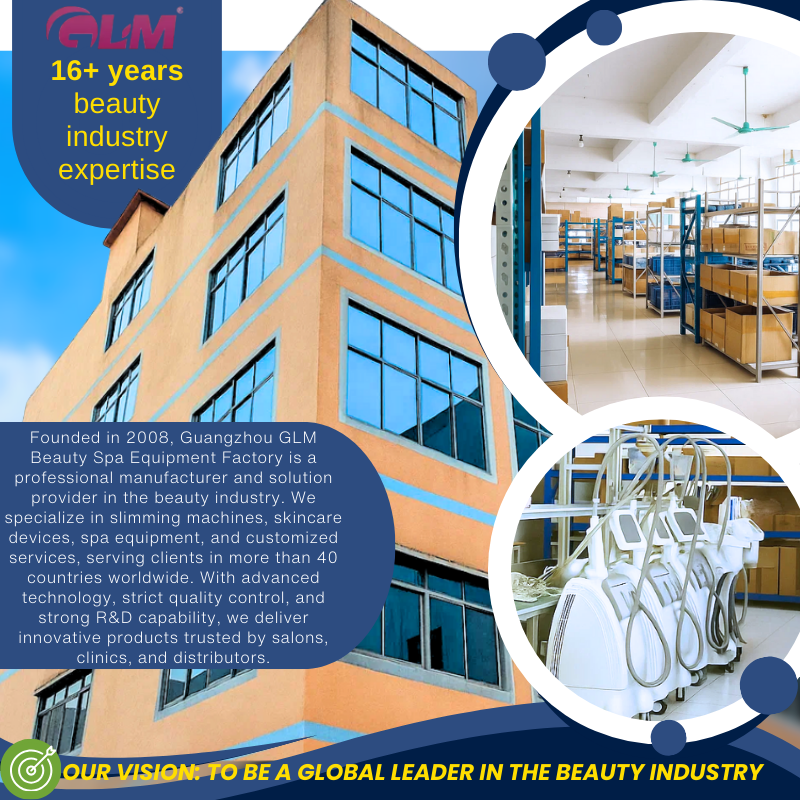
Founded in 2008, Guangzhou GLM Beauty Spa Equipment Factory specializes in research, development, manufacture and selling of beauty and slimming machines. Our production base is located in Guangzhou City, Guangdong Province, China. Since our foundation, we have introduced advanced technologies and equipment, to assure high quality and high performance of our products. With professional marketing guide and excellent after-sales service, our products have been exported to over 20 countries and regions, including Southeast Asia, the Middle East, Europe and the United States, won worldwide praises and gained a good reputation