Does Your Clinic Need an LED Phototherapy Device?
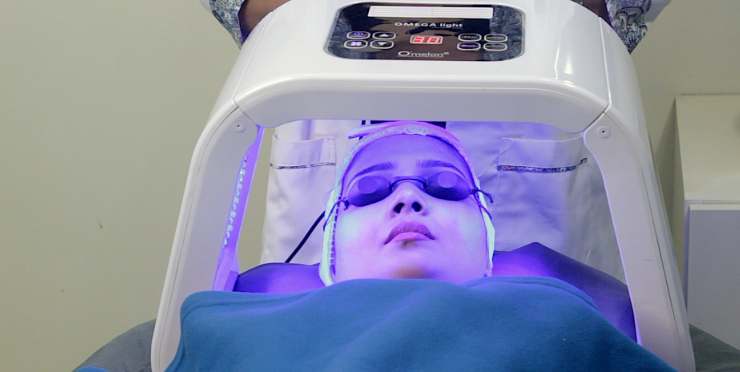
In the rapidly evolving world of medical and aesthetic treatments, keeping pace with technology is crucial for any clinic aiming to offer the best in patient care. Among the numerous technological advancements, LED phototherapy stands out for its versatility and effectiveness. But the question remains: is an LED phototherapy device a necessary addition to your clinic? This blog post delves into the functionality, benefits, and considerations involved in making an informed decision.
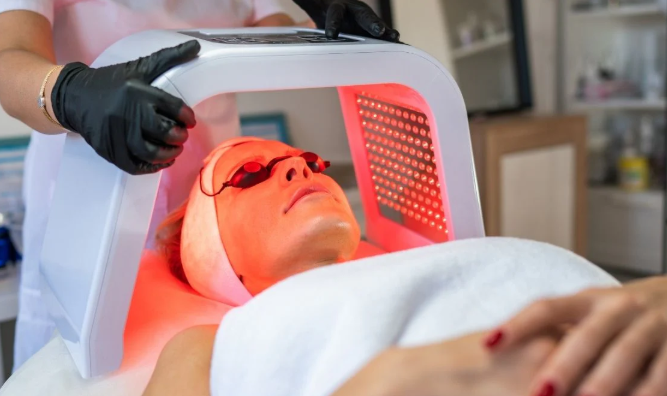
Comprehensive Guide to LED Phototherapy: Technology, Clinical Applications, and Strategic Implementation for Medical Practices
1. Introduction to LED Phototherapy: Principles and Mechanisms
LED (Light-Emitting Diode) phototherapy is a non-invasive, non-thermal therapeutic modality that utilizes specific wavelengths of light to stimulate cellular and molecular processes within the skin and underlying tissues. Unlike lasers, which emit coherent, monochromatic light, LEDs produce polychromatic, non-coherent light at lower intensities, minimizing the risk of thermal damage while enabling broader treatment applications.
1.1 Mechanisms of Action
- Photobiomodulation (PBM): The primary mechanism involves the absorption of photons by chromophores (e.g., cytochrome c oxidase in mitochondria, porphyrins in bacteria) within cells, triggering a cascade of biochemical reactions.
- Key Effects:
- Increased ATP Production: Enhances mitochondrial function, promoting cellular energy metabolism.
- Modulation of Inflammation: Reduces pro-inflammatory cytokines (e.g., TNF-α, IL-1β) and increases anti-inflammatory mediators (e.g., IL-10).
- Fibroblast Stimulation: Boosts collagen and elastin synthesis for skin rejuvenation.
- Antimicrobial Activity: Blue light (405–470 nm) disrupts bacterial DNA replication, targeting Propionibacterium acnes in acne.
- Vasodilation and Angiogenesis: Improves blood flow and oxygenation, accelerating wound healing.
1.2 Wavelength Spectrum and Therapeutic Targets
| Wavelength (nm) | Color | Penetration Depth | Key Applications |
|---|---|---|---|
| 405–470 | Blue | Superficial (0.5–1 mm) | Acne, MRSA, pre-cancerous lesions |
| 630–660 | Red | Intermediate (1–3 mm) | Skin rejuvenation, wound healing, pain relief |
| 810–850 | Near-Infrared (NIR) | Deep (3–5 mm) | Musculoskeletal pain, neuropathy, joint inflammation |
| 940 | Invisible NIR | Deep (5–10 mm) | Deep tissue healing, sports recovery |
2. Clinical Applications of LED Phototherapy
2.1 Dermatology and Aesthetics
- Acne Vulgaris:
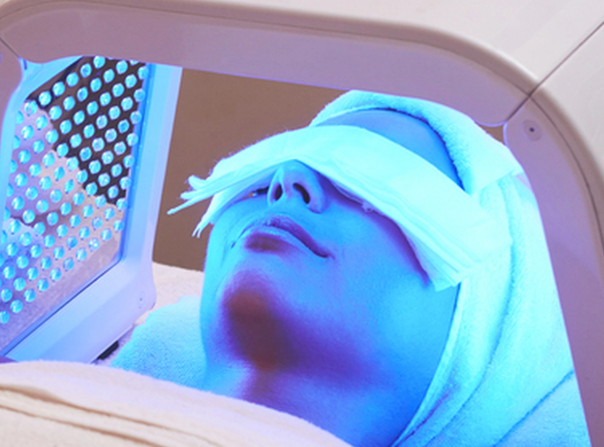
- Blue Light (415 nm): Targets porphyrins in P. acnes, inducing photodynamic cell death.
- Combination Therapy: Blue + Red light (415 nm + 633 nm) reduces inflammation and sebaceous gland activity.
- Efficacy: 30–50% reduction in inflammatory lesions after 4–8 weekly sessions (FDA-cleared devices: Omnilux Blue®, Dermablue®).
- Skin Rejuvenation:
- Red Light (633 nm): Stimulates collagen synthesis, reduces fine lines, and improves skin texture.
- NIR Light (830 nm): Enhances dermal remodeling and elasticity.
- Protocol: 2–3 sessions/week for 4–6 weeks; maintenance every 1–2 months.
- Psoriasis and Eczema:
- NIR Light (830 nm): Modulates immune response, reducing Th1/Th17 cytokines.
- Adjunctive Therapy: Used with topical steroids or biologics to reduce flare-ups.
2.2 Wound Healing and Tissue Repair
- Chronic Wounds (Diabetic Ulcers, Pressure Sores):
- NIR Light (830 nm): Accelerates angiogenesis, reduces inflammation, and promotes fibroblast proliferation.
- Protocol: Daily treatments for 15–20 minutes until 80% re-epithelialization.
- Post-Surgical Recovery:
- Combination Red/NIR Light: Reduces edema, bruising, and pain after liposuction, facelifts, or laser resurfacing.
- Efficacy: 50% faster wound closure and 30% reduced pain scores compared to controls.
2.3 Pain Management and Musculoskeletal Disorders
- Arthritis and Joint Pain:
- NIR Light (830–940 nm): Penetrates deep into joints, reducing TNF-α and IL-6 levels.
- Protocol: 2–3 sessions/week for 4 weeks; sustained relief for 3–6 months.
- Neuropathic Pain (Diabetic Neuropathy, Postherpetic Neuralgia):
- NIR Light (830 nm): Increases endorphin release and modulates sodium channels.
- Efficacy: 40–60% reduction in pain scores in randomized trials.
- Sports Medicine:
- Pre/Post-Exercise NIR Therapy: Reduces DOMS (Delayed Onset Muscle Soreness) by 30–50%.
3. Benefits of LED Phototherapy for Medical Clinics
3.1 Clinical Advantages
- Non-Invasive and Painless: No anesthesia, downtime, or adverse effects (unlike lasers, chemical peels, or injectables).
- Versatility: Treats dermatological, surgical, neurological, and orthopedic conditions with a single device.
- Patient Compliance: Comfortable, relaxing treatments with immediate post-procedure resumption of activities.
- Adjunctive Potential: Enhances outcomes when combined with microneedling, PRP, or topicals (e.g., retinoids for acne).
3.2 Operational and Financial Benefits
- Low Consumable Costs: No single-use disposables (unlike RF microneedling or laser resurfacing).
- High Profit Margins:
- Treatment Cost: 300/session (retail).
- Reimbursement: Some insurers cover for wound healing (CPT codes: 97026, 97032).
- Space Efficiency: Handheld devices require minimal room (10–15 ft²) vs. large laser systems (50–100 ft²).
- Marketing Appeal: Positions clinic as tech-forward, patient-centric, attracting millennials and boomers alike.
4. Key Considerations Before Purchasing an LED Phototherapy Device
4.1 Technical Specifications
- Wavelength Range: Ensure coverage of blue (405–470 nm), red (630–660 nm), and NIR (810–940 nm) for maximum versatility.
- Irradiance (mW/cm²): Optimal range is 30–100 mW/cm²; higher irradiance may cause thermal discomfort.
- Treatment Area: Larger panels (e.g., Celluma PRO®, Omnilux Revive2®) cover full face/body in 10–20 minutes.
- Portability: Handheld devices (e.g., DPL II Flex Pad®) are ideal for spot treatments or home-use rental programs.
4.2 Cost Analysis
| Cost Component | Range |
|---|---|
| Device Purchase | 30K |
| Annual Maintenance | 1,500 |
| Staff Training | 3K (initial) |
| Marketing | 5K/year |
- ROI Calculation:
- Initial Investment: $15K (mid-range device).
- Monthly Revenue: 50 treatments × 7,500.
- Monthly Costs: $1,500 (maintenance + supplies).
- Break-Even: 3–4 months.
4.3 Regulatory and Compliance
- FDA Clearance: Verify that the device is cleared for specific indications (e.g., acne, pain, wound healing).
- State Regulations: Some states require licensed practitioners (e.g., MD, NP, PA) to operate LED devices.
- Informed Consent: Document risks (e.g., temporary redness, photosensitivity) and alternatives (e.g., topicals, oral antibiotics).
4.4 Staff Training and Certification
- Manufacturer Training: 1–2 days of hands-on instruction on device operation, treatment protocols, and safety.
- Advanced Courses:
- World Association for Laser Therapy (WALT): Certification in PBM.
- Aesthetic Medical Educators Training (AMET): Clinical applications in dermatology and pain management.
- Continuing Education: 8–12 hours/year on new protocols (e.g., combination with PRP, RF).
5. Evaluating Your Clinic’s Needs for LED Phototherapy
5.1 Patient Demographics and Demand Assessment
- Target Populations:
- Aesthetic Clients: 25–55 years, seeking non-surgical anti-aging or acne solutions.
- Chronic Pain Patients: 50+ years, with arthritis, neuropathy, or post-op recovery needs.
- Sports Medicine Clients: Athletes (amateur to professional) seeking accelerated recovery.
- Market Research:
- Survey existing patients: "Would you be interested in LED therapy for [acne/aging/pain]?"
- Analyze local competition: How many clinics offer LED? What are their pricing/reputation gaps?
5.2 Service Portfolio Alignment
- Complementary Treatments:
- Dermatology: Pair with microneedling, chemical peels, or IPL for synergistic results.
- Pain Management: Combine with physical therapy, dry needling, or ultrasound.
- Wound Care: Integrate with negative pressure wound therapy (NPWT) or hyperbaric oxygen.
- Avoid Redundancy: If your clinic already offers low-level laser therapy (LLLT), emphasize LED’s larger treatment areas and lower cost per patient.
5.3 Facility and Resource Requirements
- Space:
- Treatment Room: 100–150 ft² for full-body panels; 50 ft² for handheld devices.
- Privacy: Ensure curtains or doors for patient comfort during facial treatments.
- Equipment:
- LED Panel: 20K (e.g., Healite II®, LightStim®).
- Protective Eyewear: 100/pair (required for blue/NIR light).
- Patient Gowns: Disposable or reusable to shield sensitive areas.
- Staffing:
- 1–2 Aestheticians/RNs for treatments.
- 1 Medical Director for oversight and emergencies.
6. Marketing and Patient Education Strategies
6.1 Digital Marketing Tactics
- SEO Optimization: Target keywords like "LED light therapy for acne," "non-invasive pain relief," "post-surgical recovery."
- Social Media Campaigns:
- Before/After Videos: Showcase acne clearance, wound healing, or pain reduction.
- Educational Reels/TikToks: Explain "How LED therapy works" or "Top 5 benefits."
- Influencer Partnerships: Collaborate with fitness trainers (for sports recovery) or skincare bloggers.
- Retargeting Ads: Target users who viewed your LED therapy page but did not book.
6.2 Patient Education Materials
- Brochures: Explain wavelengths, treatment protocols, and expected outcomes.
- Animated Videos: Demonstrate mitochondrial activation and collagen synthesis.
- Webinars: Host free sessions on "LED Therapy for Chronic Pain" or "Acne Solutions Without Antibiotics."
6.3 Patient Retention Strategies
- Membership Programs: Offer unlimited monthly LED sessions for 300.
- Referral Bonuses: $50 credit per new client.
- Post-Treatment Follow-Ups: Call 1 week post-session to assess satisfaction and schedule maintenance.
7. Pros and Cons: A Balanced Perspective
7.1 Advantages
- Non-Invasive and Safe: No scarring, infections, or systemic side effects.
- High Patient Satisfaction: 90%+ report improvement in acne, pain, or skin texture (ASLMS, 2023).
- Recurring Revenue: Clients return monthly for maintenance.
- Brand Differentiation: Positions clinic as a leader in regenerative medicine.
7.2 Challenges
- Moderate Initial Cost: Device purchase may strain small practices.
- Competition: 15+ brands in the market; differentiation requires marketing and outcomes data.
- Treatment Fatigue: Some patients may prefer faster results from lasers or injectables.
- Limited Insurance Coverage: Mostly cash-pay; emphasize cost-effectiveness vs. long-term medications.
Conclusion
In conclusion, the decision to integrate an LED phototherapy device into your clinic hinges on various factors, from financial investment to patient demand. By carefully evaluating the benefits, costs, and specific needs of your clinic, you can make a well-informed decision that could enhance your service offerings and increase patient satisfaction. Embrace the potential of LED phototherapy to stay competitive and innovative in an ever-advancing healthcare landscape.
GLM is a specialized beauty instrument factory that produces instruments for a variety of functions, including weight loss devices. We have vacuum negative press, radio frequency fat blasting equipment, frozen fat dissolving machine and EMS body shaping machine. GLM is a 14 year old supplier of beauty instruments with guaranteed quality.https://gdglmbeauty.com/