Introduction
The aesthetic industry is constantly evolving, driven by innovations that promise better results, greater comfort, and improved client satisfaction. Among the most popular skin rejuvenation and active ingredient delivery techniques are traditional mesotherapy and electroporation therapy.
Both methods are designed to improve the penetration of beneficial ingredients into the skin, helping address concerns such as aging, dehydration, pigmentation, dullness, and loss of elasticity. However, they differ significantly in technology, treatment experience, downtime, and operational requirements.
For professional clinics, medical spas, and beauty salons, understanding the differences between these two technologies is essential when choosing equipment, designing treatment menus, and meeting diverse client expectations.
So, which approach delivers the better overall solution in today's beauty market? Let's take a closer look.
Background: Why Skin Absorption Matters
One of the biggest challenges in skincare is the skin's natural protective barrier.
The outermost layer of the skin, known as the stratum corneum, serves as a defense system against environmental damage and unwanted substances. While this barrier is essential for skin health, it also limits the penetration of many beneficial skincare ingredients.
Research has shown that a large percentage of topical products remain on the skin surface, with only a small amount reaching deeper layers where collagen production, cellular repair, and hydration processes occur.
As consumers increasingly seek visible results from skincare treatments, professional aesthetic technologies have focused on improving ingredient delivery beyond what traditional topical application can achieve.
This demand has led to the widespread adoption of both mesotherapy and electroporation systems in clinics and aesthetic centers worldwide.
Understanding Traditional Mesotherapy
What Is Mesotherapy?
Traditional mesotherapy is a minimally invasive procedure that involves delivering active ingredients directly into the middle layers of the skin through a series of microinjections.
The treatment originated in Europe and has become widely used for:
- Facial rejuvenation
- Hydration treatments
- Pigmentation correction
- Hair restoration
- Body contouring support
- Cellulite reduction
Common mesotherapy formulations may include:
- Hyaluronic acid
- Vitamins
- Amino acids
- Peptides
- Antioxidants
- Growth factors
By bypassing the skin barrier, practitioners can place these ingredients directly where they are needed.
How Does Mesotherapy Work?
During treatment, a practitioner uses fine needles or specialized injection devices to introduce nutrient-rich solutions into targeted tissue layers.
The procedure creates controlled microtrauma, which may stimulate:
- Increased blood circulation
- Collagen synthesis
- Tissue regeneration
- Cellular repair responses
The combination of ingredient delivery and skin stimulation contributes to the treatment outcome.
Limitations of Traditional Mesotherapy
Although mesotherapy remains popular, it presents several challenges:
Discomfort
Even with ultra-fine needles, some clients experience pain or discomfort.
Downtime
Redness, swelling, bruising, and injection marks may occur after treatment.
Infection Risks
Any procedure involving skin penetration requires strict hygiene protocols.
Needle Anxiety
Many clients avoid injectable treatments due to fear of needles.
Operator Dependency
Results often depend heavily on practitioner skill and injection technique.
As the demand for non-invasive aesthetic procedures continues to grow, many clinics have started exploring alternatives that can provide similar benefits with greater comfort.
Understanding Electroporation Technology
What Is Electroporation?
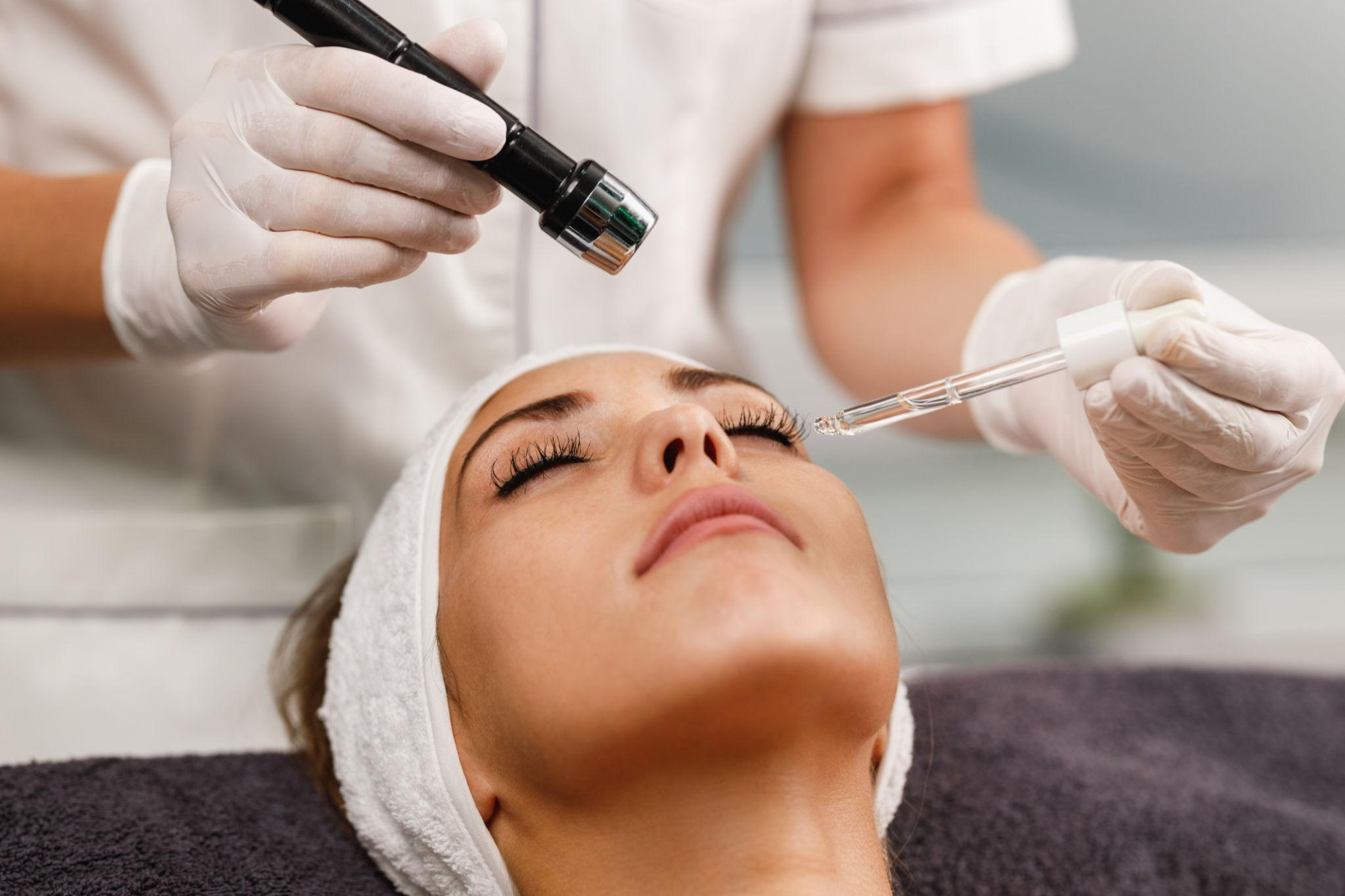
Electroporation is an advanced non-invasive technology that temporarily increases skin permeability using controlled electrical pulses.
The treatment is often referred to as:
- Needle-free mesotherapy
- Virtual mesotherapy
- Transdermal electroporation therapy
Instead of physically puncturing the skin, electroporation creates temporary microscopic pathways within cell membranes and skin tissues, allowing active ingredients to penetrate more effectively.
How Does Electroporation Work?
Professional electroporation devices generate carefully controlled electrical fields that influence the lipid structure of the skin barrier.
During treatment:
- Electrical pulses are delivered to the treatment area.
- Temporary microchannels are formed.
- Active ingredients pass through the skin more efficiently.
- Cell membranes become more receptive to nutrient absorption.
- The skin barrier naturally restores itself after treatment.
Because the process does not rely on needles, clients typically experience minimal discomfort and no recovery period.
Ingredients Commonly Used with Electroporation
Professional practitioners often combine electroporation systems with:
- Hyaluronic acid serums
- Peptides
- Vitamin C
- Anti-aging complexes
- Brightening formulations
- Collagen-supporting ingredients
- Hydration boosters
The technology allows clinics to customize treatments according to specific client concerns.
Electroporation vs. Traditional Mesotherapy: A Detailed Comparison
Treatment Comfort
Traditional Mesotherapy
- Involves needles
- May cause discomfort
- Potential bruising and redness
Electroporation
- Needle-free procedure
- Comfortable treatment experience
- Suitable for sensitive clients
Winner: Electroporation
Modern consumers increasingly prioritize comfort and convenience.
Downtime
Traditional Mesotherapy
Clients may experience:
- Swelling
- Bruising
- Injection marks
- Temporary redness
Electroporation
Most clients return to normal activities immediately after treatment.
Winner: Electroporation
Ingredient Delivery
Traditional Mesotherapy
Direct placement of ingredients into target tissues can provide high delivery efficiency.
Electroporation
Advanced professional systems can significantly enhance transdermal absorption without skin puncture.
Winner: Depends on Treatment Goals
For certain medical applications, injections may remain advantageous. For many cosmetic treatments, electroporation provides an excellent balance of efficacy and comfort.
Safety Profile
Traditional Mesotherapy
Requires:
- Sterile needles
- Injection expertise
- Strict infection control
Electroporation
Non-invasive treatment reduces many risks associated with injections.
Winner: Electroporation
Client Acceptance
Today's consumers increasingly seek:
- Non-invasive treatments
- No downtime
- Comfortable experiences
- Quick treatment sessions
Electroporation aligns closely with these market trends.
Winner: Electroporation
Business Efficiency
From a clinic management perspective, electroporation offers several advantages:
- Faster treatment turnover
- Simplified treatment protocols
- Broader client appeal
- Reduced consumable costs
- Easier staff training
Traditional mesotherapy often requires additional certifications, advanced injection skills, and more extensive aftercare management.
Winner: Electroporation
Applications and Client Needs
Clients Seeking Hydration
Electroporation can enhance the penetration of hydrating serums and hyaluronic acid, making it an excellent option for dehydrated skin.
Anti-Aging Treatments
Professional electroporation systems are commonly incorporated into anti-aging treatment programs designed to support:
- Skin firmness
- Elasticity
- Radiance
- Fine-line reduction
The technology is often combined with radio frequency, LED therapy, ultrasound, or oxygen infusion treatments for enhanced outcomes.
Sensitive Skin Clients
Because there are no needles involved, electroporation is frequently selected for clients who are sensitive, anxious about injections, or seeking gentler treatment options.
Professional Salon and Clinic Services
For beauty businesses, electroporation technology can be integrated into:
- Facial rejuvenation programs
- Premium hydration treatments
- Brightening protocols
- Anti-aging packages
- Post-treatment recovery programs
Its versatility allows clinics to create multiple service offerings using a single platform.
Why Professional Electroporation Devices Continue to Gain Popularity
The global aesthetic market is moving toward technologies that combine:
- Visible results
- Minimal downtime
- Enhanced client comfort
- Operational efficiency
Professional electroporation equipment meets all four requirements.
Compared with home-use beauty devices, professional systems typically provide:
- Higher energy stability
- More precise parameter control
- Greater ingredient penetration efficiency
- Consistent treatment performance
- Better suitability for commercial operations
These advantages help clinics deliver a more professional treatment experience while maximizing equipment utilization and return on investment.
Conclusion
When comparing electroporation and traditional mesotherapy, neither technology completely replaces the other. Traditional mesotherapy continues to hold value for certain advanced applications requiring direct injection-based delivery.
However, for the modern beauty salon, aesthetic clinic, or medical spa focused on non-invasive skin rejuvenation, client comfort, operational efficiency, and broad market appeal, electroporation has emerged as a highly attractive solution.
As consumer demand shifts toward painless, convenient, and effective treatments, needle-free technologies are becoming increasingly important components of professional aesthetic service portfolios.
For businesses looking to expand treatment offerings while maintaining a comfortable client experience, advanced electroporation systems represent a practical and future-oriented investment
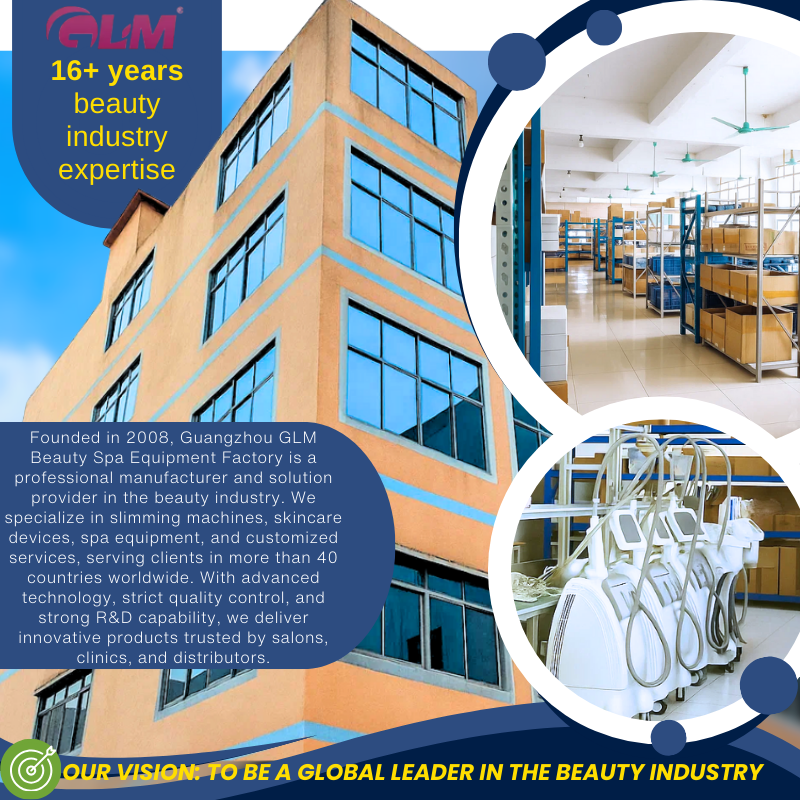
Founded in 2008, Guangzhou GLM Beauty Spa Equipment Factory specializes in research, development, manufacture and selling of beauty and slimming machines. Our production base is located in Guangzhou City, Guangdong Province, China. Since our foundation, we have introduced advanced technologies and equipment, to assure high quality and high performance of our products. With professional marketing guide and excellent after-sales service, our products have been exported to over 20 countries and regions, including Southeast Asia, the Middle East, Europe and the United States, won worldwide praises and gained a good reputation