1. Introduction
The professional aesthetics industry is evolving rapidly in 2026. Clients are increasingly looking for non-surgical and minimally invasive treatments that address visible signs of aging, uneven skin texture, unwanted pigmentation, and body contouring concerns. At the same time, aesthetic clinics and medical spas are seeking advanced equipment that can deliver versatile treatment options, consistent performance, and better business efficiency.
Energy-based treatments have become an important part of this development. By using controlled forms of energy to interact with specific skin structures and underlying tissues, professional aesthetic devices can support a wide range of treatments, from skin rejuvenation and wrinkle reduction to skin tightening and body contouring.
Among the most widely used technologies are lasers, radiofrequency (RF), and ultrasound. Although they all rely on energy delivery, each technology works differently and targets different tissue structures. Understanding these differences allows professional practitioners to select appropriate equipment and develop treatment protocols that better match individual client needs.
In 2026, the value of energy-based aesthetic devices is no longer measured only by the number of functions they offer. Treatment precision, adjustable parameters, safety features, operational flexibility, and the ability to integrate different technologies into a clinic's service portfolio are becoming equally important.
2. Background and the Growing Demand for Energy-Based Treatments
Traditional skincare services primarily focus on the skin's surface. Facials, exfoliation, masks, and topical skincare products can help improve skin appearance and maintain skin condition. However, clients with concerns such as deeper wrinkles, reduced skin firmness, stubborn pigmentation, and localized body contouring may require treatment approaches that interact with deeper skin structures.
This is where energy-based technologies provide additional options.
Unlike conventional topical treatments, energy-based devices deliver controlled energy into targeted tissue areas. Depending on the technology, this energy may be absorbed by specific pigments, converted into heat, or used to create mechanical effects within tissue.
Several factors are contributing to the growing adoption of these treatments:
Demand for non-surgical aesthetic services: Many clients prefer treatments that do not involve traditional surgery and may offer shorter recovery periods, depending on the procedure.
Personalized treatment expectations: Clients have different skin types, concerns, and tolerance levels. Clinics need equipment with adjustable settings and treatment options that can accommodate individual requirements.
Expansion of professional aesthetic services: Med spas, beauty salons, dermatology practices, and aesthetic clinics are expanding their service portfolios to include more advanced skin and body treatments.
Business differentiation: Professional equipment allows clinics to develop specialized treatment programs rather than relying exclusively on basic facial services.
For clinic owners, investing in energy-based equipment is therefore not simply about purchasing a machine. It is about expanding service capabilities, improving treatment flexibility, and creating more opportunities to meet evolving client expectations.
3. Technology and Mechanisms: How Lasers, RF, and Ultrasound Work
Although lasers, RF, and ultrasound are often discussed together, their mechanisms are fundamentally different. Each technology interacts with tissue through a distinct physical process.
3.1 Laser Technology: Targeted Light Energy for Skin Treatments
Laser devices use concentrated light energy at specific wavelengths. Different wavelengths interact with different tissue components, including melanin, hemoglobin, and water.
This interaction is known as selective photothermolysis. In appropriate applications, the target absorbs light energy and converts it into heat, allowing practitioners to address selected structures while aiming to limit unnecessary effects on surrounding tissue.
Depending on the wavelength, pulse duration, and device configuration, professional aesthetic lasers may be used for:
-
Pigmentation and selected sun-related discoloration.
-
Hair reduction through selective targeting of melanin in hair follicles.
-
Vascular lesion treatments using wavelengths absorbed by hemoglobin.
-
Skin resurfacing and texture improvement.
-
Certain applications designed to stimulate dermal remodeling.
Different laser systems are developed for different clinical indications. For example, diode lasers are widely used in professional hair reduction, while fractional laser systems are designed to create controlled microscopic treatment zones that support skin remodeling.
The effectiveness and safety of laser treatments depend on wavelength selection, fluence, pulse duration, spot size, skin characteristics, and appropriate cooling and treatment protocols.
For professional clinics, investing in a suitable laser platform can expand treatment offerings across several aesthetic categories. However, equipment selection must always be based on the intended indication, regulatory status, operator qualifications, and the manufacturer's instructions.
3.2 Radiofrequency (RF): Controlled Heating for Skin Tightening
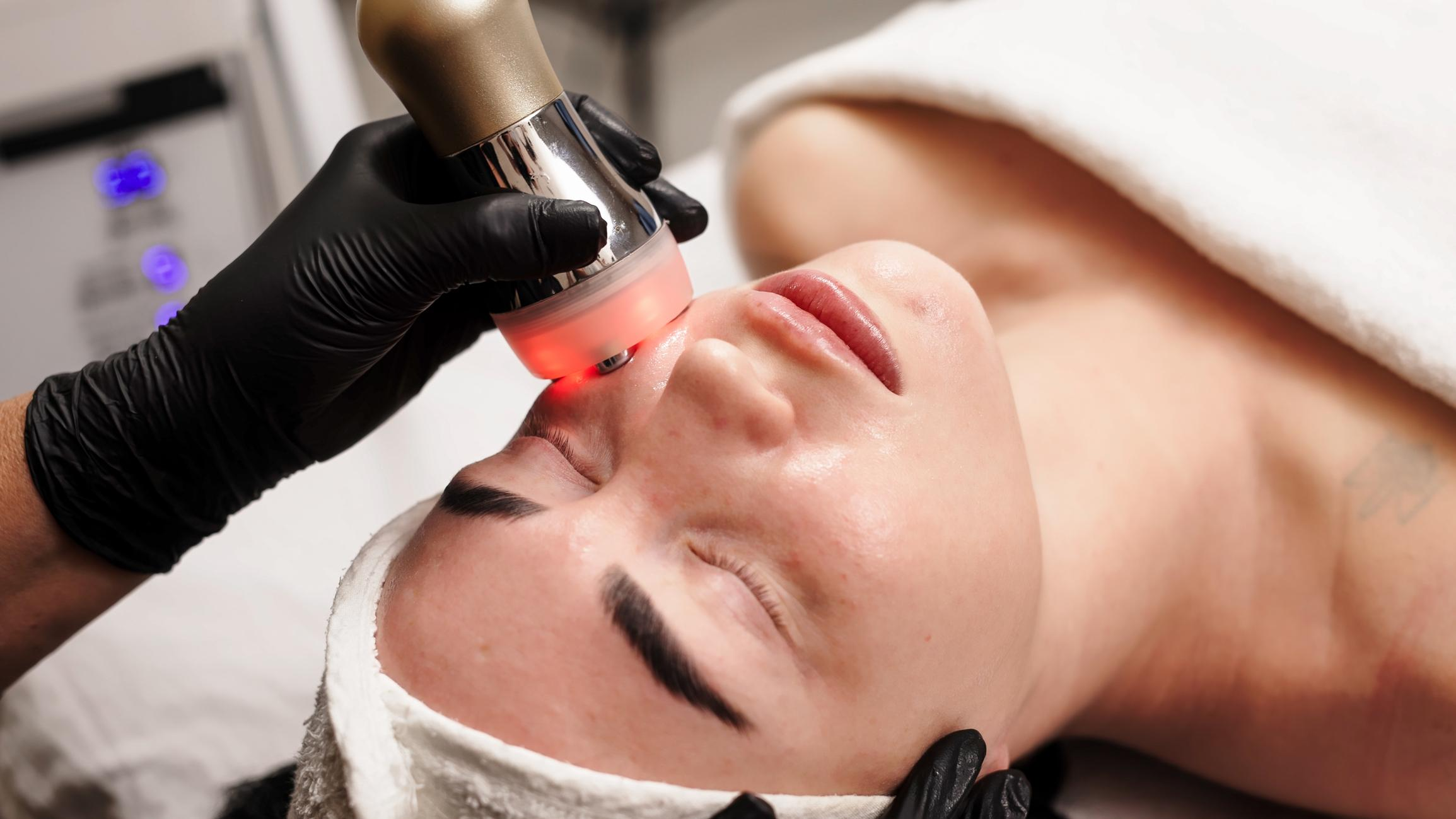
Radiofrequency technology uses electromagnetic energy to generate heat within biological tissue. Unlike optical laser systems, RF does not depend on a specific chromophore such as melanin as its primary target.
When RF energy passes through tissue, electrical resistance contributes to heat generation. Depending on the system design, electrode configuration, frequency, power, and treatment method, RF can deliver controlled thermal energy to different tissue depths.
In aesthetic applications, RF is commonly associated with skin tightening and the appearance of improved skin firmness.
Controlled heating can produce immediate collagen fiber contraction and initiate a longer-term tissue remodeling response. Over time, the body's natural healing processes may contribute to changes in collagen structure and skin appearance.
Professional RF devices may include several configurations:
-
Monopolar RF: Uses an electrode arrangement that allows energy to travel through a larger tissue pathway.
-
Bipolar RF: Uses two electrodes to deliver energy within a more localized treatment area.
-
Multipolar RF: Uses multiple electrodes to distribute energy across a treatment zone.
-
Fractional RF: Delivers energy through an array of small treatment points, depending on the device design.
RF technology is used in professional facial treatments, skin-firming programs, and selected body contouring applications. Some platforms combine RF with vacuum, massage, or other technologies to provide additional treatment functions.
For clinic operators, adjustable energy levels, temperature monitoring, contact quality, treatment duration, and appropriate cooling systems are important considerations. RF is not simply about generating more heat; it is about delivering energy in a controlled and reproducible way.
3.3 Ultrasound Technology: Acoustic Energy for Deeper Tissue Applications
Ultrasound devices use high-frequency sound waves to interact with biological tissue. Their effects depend on frequency, intensity, pulse characteristics, focusing, and the specific treatment technology.
In professional aesthetics, ultrasound includes several distinct approaches.
High-Intensity Focused Ultrasound (HIFU) concentrates acoustic energy at selected focal points beneath the skin. This creates localized thermal effects at targeted depths while aiming to minimize energy deposition along the path of the ultrasound beam.
Depending on the device and indication, HIFU may be used in selected skin-lifting and tightening procedures.
Ultrasound cavitation systems use acoustic energy to create mechanical effects in fluid-containing environments. Certain aesthetic body contouring devices are marketed for localized body treatments, although clinical evidence, treatment outcomes, and regulatory indications vary significantly between systems.
Conventional therapeutic ultrasound may be used in selected professional body treatment protocols, depending on the equipment and its intended purpose.
The main advantage of ultrasound technology is its ability to deliver acoustic energy to specific tissue locations without relying on direct surface heating alone.
However, ultrasound systems require appropriate treatment depth selection, coupling, applicator positioning, and energy control. Improper operation may cause unwanted thermal or mechanical tissue effects.
For professional clinics, ultrasound equipment should be selected according to its verified technical specifications, intended use, and applicable regulatory requirements.
4. Advantages and Comparison: Why Clinics Need Different Energy Technologies
Lasers, RF, and ultrasound are not interchangeable technologies. Each has different strengths, making them suitable for different treatment objectives.
| Technology | Energy Type | Main Interaction | Common Professional Applications |
|---|---|---|---|
| Laser | Optical energy | Selective absorption by tissue components | Hair reduction, pigmentation, vascular treatments, resurfacing |
| RF | Electromagnetic energy | Controlled electrical heating of tissue | Skin tightening, firming, selected body treatments |
| Ultrasound | Acoustic energy | Thermal and/or mechanical tissue effects | HIFU lifting, selected body treatments, ultrasound-based protocols |
4.1 More Targeted Treatment Options
One of the major advantages of energy-based equipment is the ability to select different treatment approaches according to the client's concerns.
A client concerned about pigmentation may be more suitable for an appropriately selected laser treatment. Someone seeking improved skin firmness may benefit from an RF-based protocol or a suitable ultrasound procedure.
This flexibility allows practitioners to move beyond one-size-fits-all services and create more individualized treatment plans.
4.2 Expanded Service Portfolios
Professional clinics often serve clients with different aesthetic priorities. A clinic that offers only basic facials may have limited options for addressing more complex concerns.
Adding suitable laser, RF, or ultrasound equipment can expand the range of services offered, including skin rejuvenation, hair reduction, skin tightening, and selected body treatments.
Multi-function platforms may also help clinics make better use of available treatment rooms and staff resources, provided each function is appropriate for the clinic's clients and operator capabilities.
4.3 Professional Equipment Versus Home-Use Devices
Home-use beauty devices have become increasingly popular, particularly for basic skincare maintenance. However, they should not be considered equivalent to professional aesthetic equipment.
Professional systems are generally designed around more specific treatment indications, adjustable technical parameters, dedicated applicators, and structured operating protocols.
Depending on the device category and local regulations, professional equipment may also require trained operators, medical oversight, or additional safety procedures.
Home-use devices generally prioritize convenience and accessible operation, while professional equipment is designed for controlled treatment delivery within a professional service environment.
This distinction is important for clinic owners. A professional device should be evaluated not only by its advertised power or number of functions but also by its clinical suitability, technical documentation, safety systems, maintenance requirements, and operator training support.
4.4 Technology Combinations and Treatment Flexibility
Another important development is the integration of multiple energy technologies into professional aesthetic platforms.
For example, some devices combine RF with ultrasound, LED, vacuum, or mechanical massage functions. These combinations may allow practitioners to create different treatment experiences within one equipment platform.
However, combining technologies does not automatically guarantee better results. Each modality must have a clear purpose, suitable parameters, and an appropriate treatment sequence.
The real advantage of multi-technology equipment lies in operational flexibility and the ability to support different services, rather than simply increasing the number of functions displayed on a control panel.
5. Applications and Client Needs in Professional Aesthetic Clinics
Understanding client concerns is essential when selecting energy-based equipment. Different technologies serve different purposes, and the treatment plan should begin with an appropriate consultation and assessment.
5.1 Skin Rejuvenation and Pigmentation Management
Clients concerned about uneven skin tone, visible sun damage, and selected pigmentation conditions may benefit from appropriately indicated laser treatments.
Practitioners should first identify the type of pigmentation, assess skin characteristics, review medical history, and determine whether the selected device is suitable.
Not all pigmentation responds to the same wavelength or treatment method. Some conditions may worsen following inappropriate energy exposure, making professional assessment particularly important.
5.2 Skin Tightening and Wrinkle Appearance
Reduced skin firmness and visible wrinkles are common concerns among clients seeking non-surgical aesthetic services.
RF devices are frequently incorporated into professional skin-firming programs because they deliver controlled thermal energy to tissue. Selected ultrasound technologies, including HIFU, may also be used for lifting and tightening applications.
The appropriate approach depends on treatment depth, skin condition, device indication, and individual expectations.
Practitioners should explain that results vary and that some treatments may require multiple sessions or ongoing maintenance.
5.3 Hair Reduction and Long-Term Treatment Programs
Laser hair reduction remains an important service category for many professional aesthetic businesses.
Diode and other suitable laser systems target melanin within hair follicles. Because hair grows in different cycles, multiple treatment sessions are generally needed to achieve meaningful and sustained hair reduction.
Clinics should consider wavelength options, cooling technology, spot size, pulse settings, skin-type compatibility, and the equipment's intended use when selecting a professional hair reduction platform.
5.4 Body Contouring and Localized Treatment Services
Body contouring is another area where RF and ultrasound-based devices are frequently used.
Depending on the equipment and its regulatory indication, these systems may be incorporated into professional programs targeting localized body appearance and skin firmness.
Some platforms also integrate vacuum massage or mechanical rolling functions to provide additional treatment options.
For clinic owners, the key is to match equipment capabilities with actual client demand. A device with multiple functions is only commercially valuable when those functions are relevant, safe to operate, and supported by appropriate training and protocols.
6. Choosing the Right Energy-Based Equipment for Your Clinic
Selecting professional aesthetic equipment requires more than comparing prices and technical specifications.
Clinic owners should evaluate several factors before making an investment.
1. Intended treatment applications
Identify the services your clinic wants to offer. A laser system designed for hair reduction should not be evaluated as though it were a universal skin rejuvenation platform.
2. Technical specifications
Review wavelengths, frequency, energy output, pulse duration, treatment depth, applicator design, and cooling configuration where relevant. Specifications should be verified against the manufacturer's documentation.
3. Safety and compliance
Check applicable certifications, regulatory clearances or approvals, electrical safety documentation, contraindications, and operating requirements. Certification in one market does not automatically authorize use in another.
4. Operator training and technical support
Professional devices require appropriate training. Suppliers should provide clear operating instructions, treatment guidance, maintenance information, and responsive technical support.
5. Long-term operating costs
Consider consumables, replacement handpieces, maintenance, calibration, staff training, and equipment downtime. The purchase price is only one part of the total investment.
6. Business and treatment efficiency
Evaluate how the equipment fits into your existing service menu, treatment room capacity, staff workflow, and target customer base. The best investment is not necessarily the machine with the most functions, but the one that supports sustainable service demand.
7. Conclusion: The Future of Professional Aesthetic Treatments
In 2026, energy-based treatments continue to shape the development of professional aesthetic clinics. Laser, RF, and ultrasound technologies offer different approaches to addressing skin and body concerns, giving practitioners more options for developing personalized treatment programs.
Laser technology provides targeted optical energy for applications such as hair reduction, pigmentation management, and skin resurfacing. RF delivers controlled thermal energy for skin-firming and selected body treatments. Ultrasound uses acoustic energy for focused lifting and other tissue-related applications, depending on the system.
For clinic owners and professional practitioners, the most important consideration is not simply which technology is the most advanced. It is whether the equipment matches the clinic's treatment goals, client needs, operator qualifications, and regulatory requirements.
As client expectations continue to evolve, clinics that invest in appropriate professional equipment, operator education, and well-designed treatment protocols will be better positioned to build differentiated services and maintain long-term business value.
The future of aesthetic technology is not about using more energy. It is about using the right technology, at the right depth, with the right parameters, for the right client
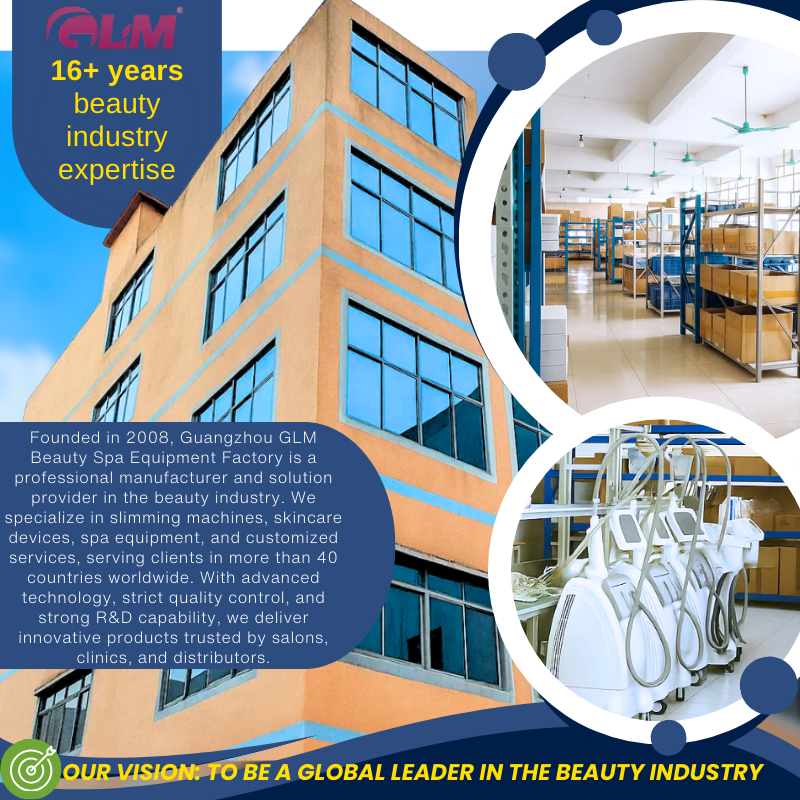
Founded in 2008, Guangzhou GLM Beauty Spa Equipment Factory specializes in research, development, manufacture and selling of beauty and slimming machines. Our production base is located in Guangzhou City, Guangdong Province, China. Since our foundation, we have introduced advanced technologies and equipment, to assure high quality and high performance of our products. With professional marketing guide and excellent after-sales service, our products have been exported to over 20 countries and regions, including Southeast Asia, the Middle East, Europe and the United States, won worldwide praises and gained a good reputation