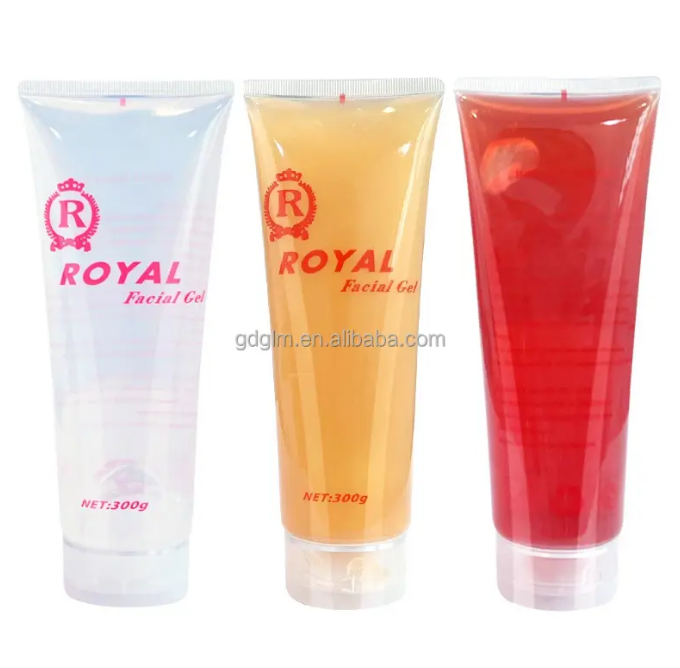
Comprehensive Guide to Ultrasonic Cavitation Gels: Enhancing Safety and Efficacy in Aesthetic Treatments
1. Introduction to Ultrasonic Cavitation Therapy and the Role of Gels
Ultrasonic cavitation has emerged as a cornerstone of non-invasive body contouring and skin rejuvenation, leveraging low-frequency ultrasound waves to disrupt adipocytes (fat cells) and stimulate collagen remodeling. The therapy’s efficacy hinges on precise energy delivery and thermal management—tasks optimized by ultrasonic cavitation gels. These specialized formulations serve dual functions:
- Acoustic Coupling: Facilitating efficient transmission of ultrasound waves into tissues.
- Skin Protection: Minimizing friction, cooling the epidermis, and reducing the risk of thermal burns or abrasions.
Given the procedure’s growing popularity—with the global ultrasonic cavitation market projected to reach $2.1 billion by 2028—the selection and application of cavitation gels demand rigorous scrutiny.
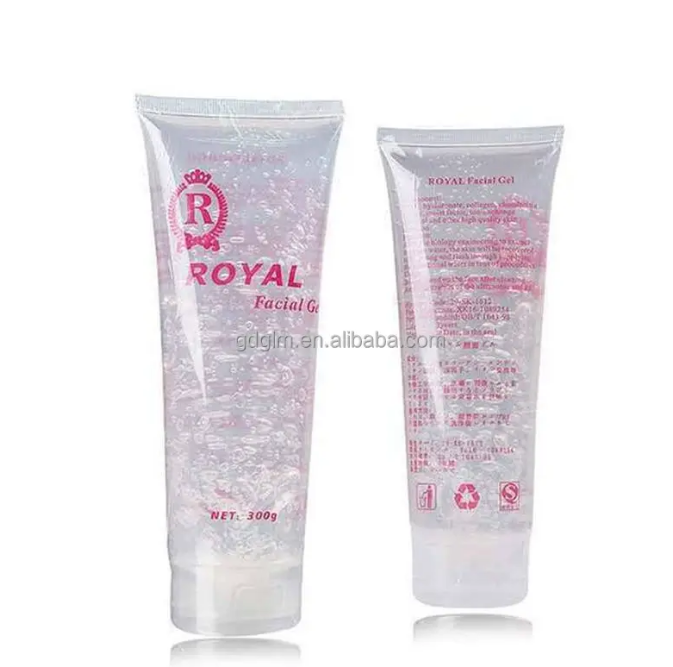
2. Composition and Formulation of Ultrasonic Cavitation Gels
The formulation of cavitation gels is a meticulous blend of biocompatible ingredients designed to balance conductivity, hydration, and safety.
2.1 Core Components and Their Functions
| Ingredient | Role in Cavitation Gels | Mechanism of Action |
|---|---|---|
| Water (Aqua) | Base solvent | Ensures smooth application and uniform ultrasound propagation. |
| Glycerin | Humectant | Attracts and retains moisture, preventing trans-epidermal water loss (TEWL). |
| Aloe Vera Gel | Anti-inflammatory, soothing | Inhibits pro-inflammatory cytokines (e.g., TNF-α, IL-6) and accelerates wound healing. |
| Carbomer | Thickening agent | Forms a pH-dependent gel network, enhancing viscosity and adhesion. |
| Hyaluronic Acid | Hydrating, plumping | Binds up to 1,000x its weight in water, improving skin elasticity and texture. |
| Propylene Glycol | Humectant, solvent | Enhances gel spreadability and aids in transdermal penetration of active ingredients. |
| Phenoxyethanol | Preservative | Inhibits microbial growth (e.g., Staphylococcus aureus, Pseudomonas aeruginosa). |
2.2 Advanced Additives for Enhanced Performance
- Vitamin E (Tocopherol): Antioxidant properties to neutralize free radicals generated during cavitation.
- Allantoin: Keratolytic agent to promote skin exfoliation and accelerate post-treatment recovery.
- Panthenol (Pro-Vitamin B5): Moisturizes and reduces erythema via its anti-inflammatory effects.
- Nanoencapsulated Actives: Liposomes or solid lipid nanoparticles (SLNs) to deliver retinol or peptides for synergistic skin tightening.
3. Differentiation from Diagnostic Ultrasound Gels
While both cavitation and diagnostic ultrasound gels facilitate acoustic coupling, critical distinctions exist:
| Parameter | Ultrasonic Cavitation Gels | Diagnostic Ultrasound Gels |
|---|---|---|
| Formulation | Optimized for thermal dissipation and friction reduction. | Prioritizes high acoustic impedance matching for clear imaging. |
| Ingredient Exclusions | Avoids alcohols, fragrances, or dyes that may irritate during prolonged contact. | May include alcohols (e.g., isopropyl) for rapid drying. |
| pH Stability | Maintains skin-neutral pH (5.5–6.5) to prevent irritation. | Often buffered to pH 7–8 for diagnostic equipment compatibility. |
| Viscosity | Thicker consistency (10,000–50,000 cP) for sustained adhesion. | Thinner (1,000–10,000 cP) to enable rapid gel reapplication. |
| Thermal Conductivity | Enhanced with cooling agents (e.g., menthol derivatives). | Minimal thermal considerations; optimized for sound wave transmission. |
4. Mechanism of Action: How Gels Enhance Cavitation Outcomes
The synergy between cavitation gels and ultrasound waves is governed by acoustic impedance matching and thermoregulation:
4.1 Acoustic Coupling Efficiency
- Impedance Matching: The gel’s acoustic impedance (~1.5–1.8 MRayl) bridges the gap between the transducer (~3.3 MRayl) and skin (~1.6 MRayl), minimizing reflections and maximizing energy delivery.
- Cavitation Nucleation: Gel viscosity influences bubble formation dynamics; optimal formulations balance viscosity to sustain cavitation without excessive bubble collapse.
4.2 Thermal Protection
- Heat Dissipation: Gels with high water content and thermal conductivities (~0.6 W/m·K) absorb and disperse heat generated by ultrasonic friction.
- Cooling Effect: Menthol derivatives or phase-change materials (PCMs) in gels provide localized cooling, reducing the risk of epidermal burns.
5. Selection Criteria for Optimal Cavitation Gels
To maximize safety and efficacy, practitioners should evaluate gels based on:
5.1 Skin Type Compatibility
| Skin Type | Recommended Gel Features | Ingredients to Prioritize |
|---|---|---|
| Dry/Sensitive | High humectant content, pH-balanced, fragrance-free. | Glycerin, aloe vera, panthenol. |
| Oily/Acne-Prone | Non-comedogenic, lightweight, oil-free. | Hyaluronic acid, propylene glycol, willow bark extract (salicylic acid alternative). |
| Mature/Aging | Collagen-stimulating, firming, anti-wrinkle. | Peptides (e.g., Matrixyl 3000), retinyl palmitate, ceramides. |
5.2 Technical Specifications
- Viscosity: 15,000–30,000 cP for optimal spreadability and adhesion.
- Electrical Conductivity: 0.1–1.0 S/m to prevent static buildup during treatment.
- Sterility: Single-use or gamma-irradiated formulations for infection control.
5.3 Certifications and Compliance
- FDA 510(k) Clearance: Validates safety for medical use.
- ISO 13485 Certification: Ensures manufacturing quality standards.
- Dermatologist Testing: Confirms hypoallergenicity and non-irritancy.
6. Best Practices for Gel Application and Treatment
6.1 Pre-Treatment Preparation
- Skin Cleansing: Use a pH-balanced, non-abrasive cleanser to remove oils and debris.
- Patch Testing: Apply a pea-sized amount of gel to the forearm; monitor for 24 hours for adverse reactions.
- Temperature Control: Store gels at 15–25°C to maintain viscosity; avoid overheating, which may degrade active ingredients.
6.2 During-Treatment Protocol
- Gel Layer Thickness: Apply 2–3 mm uniformly to ensure continuous contact.
- Transducer Movement: Use slow, overlapping circular motions at 1–2 cm/s to prevent localized heating.
- Power Settings: Adjust intensity (0.5–1.5 W/cm²) based on patient feedback and skin type.
6.3 Post-Treatment Care
- Gel Removal: Wipe gently with a damp cloth; avoid abrasive scrubbing.
- Moisturization: Apply a ceramide-rich cream to restore the skin barrier.
- Sun Protection: Recommend SPF 50+ sunscreen for 72 hours post-treatment to prevent hyperpigmentation.
7. Adverse Events and Mitigation Strategies
Despite their safety profile, cavitation gels may cause:
7.1 Common Adverse Reactions
- Erythema: Transient redness (resolves within 2 hours).
- Pruritus: Mild itching (manage with 1% hydrocortisone cream).
- Folliculitis: Bacterial infection of hair follicles (treat with topical antibiotics).
7.2 Rare but Serious Risks
- Allergic Contact Dermatitis: Due to preservatives (e.g., phenoxyethanol) or botanical extracts.
- Thermal Burns: From prolonged high-intensity treatments without adequate gel reapplication.
Prevention:
- Conduct allergen patch testing for patients with a history of dermatitis.
- Reapply gel every 10–15 minutes during prolonged sessions.
- Monitor skin temperature with an infrared thermometer (target ≤40°C).
8. Future Trends in Cavitation Gel Technology
- Smart Gels: Embedded sensors to monitor treatment parameters (e.g., temperature, impedance) in real time.
- Drug-Delivery Systems: Gels loaded with lipolytic agents (e.g., deoxycholic acid) for enhanced fat reduction.
- Sustainable Formulations: Biodegradable polymers and natural preservatives (e.g., rosemary extract) to reduce environmental impact.
9. Conclusion: The Gel-Technology Synergy
Ultrasonic cavitation gels are not mere accessories but critical determinants of treatment success. By selecting gels tailored to skin type, ensuring impeccable application techniques, and adhering to safety protocols, practitioners can elevate cavitation outcomes while safeguarding patient well-being. As technology evolves, the integration of intelligent formulations and real-time monitoring will further refine the role of gels, cementing their status as indispensable allies in aesthetic medicine.
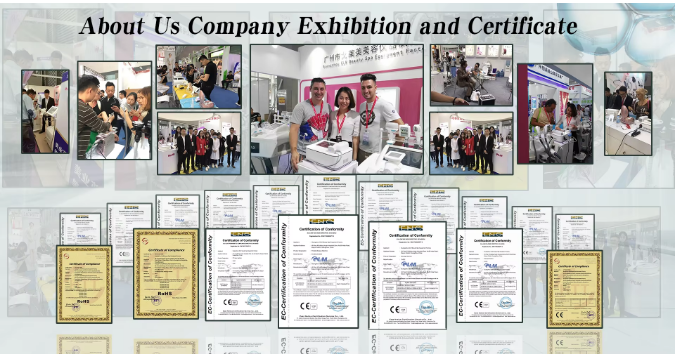
GLM is a specialized beauty instrument factory that produces instruments for a variety of functions, including weight loss devices. We have vacuum negative press, radio frequency fat blasting equipment, frozen fat dissolving machine and EMS body shaping machine. GLM is a 14 year old supplier of beauty instruments with guaranteed quality.https://gdglmbeauty.com/