Introduction
Hair and scalp concerns have become one of the fastest-growing segments in the professional beauty industry. Consumers are no longer seeking quick cosmetic fixes—they want personalized solutions backed by visible results. Whether the concern is hair thinning, excessive oil production, dandruff, scalp sensitivity, or early-stage hair loss, successful treatment begins long before the first serum is applied.
Modern aesthetic clinics and professional salons are increasingly adopting a complete hair care workflow that starts with scalp analysis and progresses through customized treatment protocols. Rather than relying on assumptions, practitioners can now use advanced diagnostic technology to understand scalp conditions, identify underlying issues, and recommend targeted therapies based on objective data.
This shift from experience-based consultations to technology-assisted diagnosis is transforming professional hair care. It not only improves treatment outcomes but also enhances client confidence and long-term loyalty.
For equipment manufacturers and professional clinics, understanding this complete process—from detection to treatment—is becoming essential for delivering consistent, high-quality services.
Background: Why Traditional Hair Consultations Are No Longer Enough
Consumer awareness of scalp health has increased significantly over the past few years. Social media, dermatology education, and growing interest in preventive beauty have encouraged more people to treat the scalp as an extension of skincare rather than simply the foundation for hair.
However, many traditional consultations still rely primarily on visual observation or client descriptions.
Questions such as:
- "Does your scalp feel oily?"
- "Are you experiencing hair shedding?"
- "Do you have dandruff?"
can provide useful information, but they rarely reveal the complete picture.
Hair problems often develop gradually beneath the scalp surface before becoming visibly noticeable. Without objective analysis, professionals may recommend treatments that address symptoms rather than underlying causes.
For example:
- Excessive oil production may actually be linked to dehydration.
- Hair thinning may result from poor scalp circulation instead of genetics alone.
- Dry flakes may be mistaken for dandruff when they are actually caused by scalp irritation.
- Follicle blockage may reduce hair density long before visible hair loss appears.
This is why professional scalp detection systems have become a standard component of many advanced hair care clinics. They allow practitioners to evaluate scalp conditions scientifically before designing treatment protocols.
Technology Behind Modern Hair Diagnosis
Digital Scalp Imaging
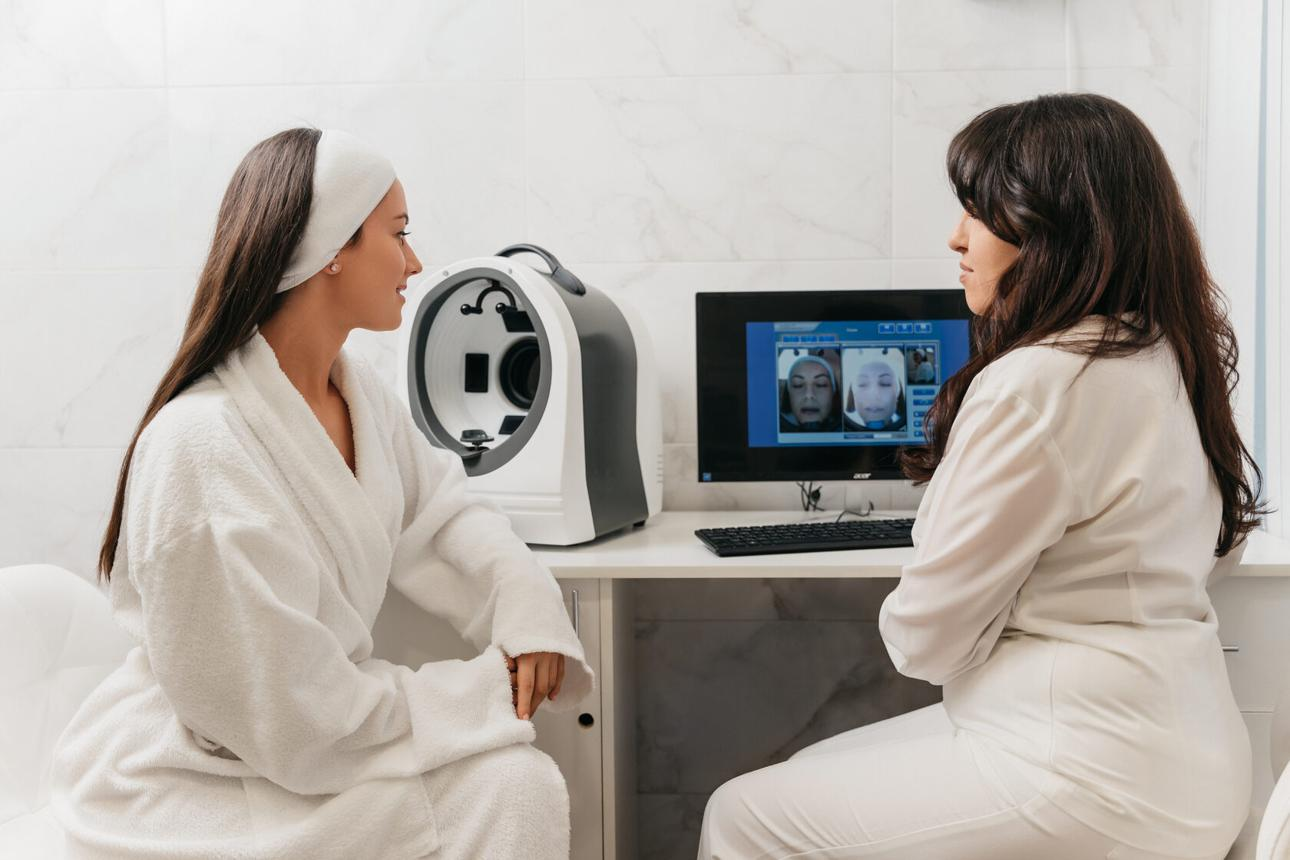
Professional scalp analyzers use high-definition cameras with multiple magnification levels to capture detailed images of the scalp and hair follicles.
These systems allow practitioners to observe:
- Hair follicle density
- Hair shaft thickness
- Sebum distribution
- Dead skin accumulation
- Scalp redness
- Follicular blockage
- Hair growth direction
- Scalp sensitivity indicators
Rather than relying on assumptions, clinics can visually demonstrate the condition of the scalp to clients.
This visual communication improves consultation efficiency while increasing treatment acceptance
AI-Assisted Hair Analysis
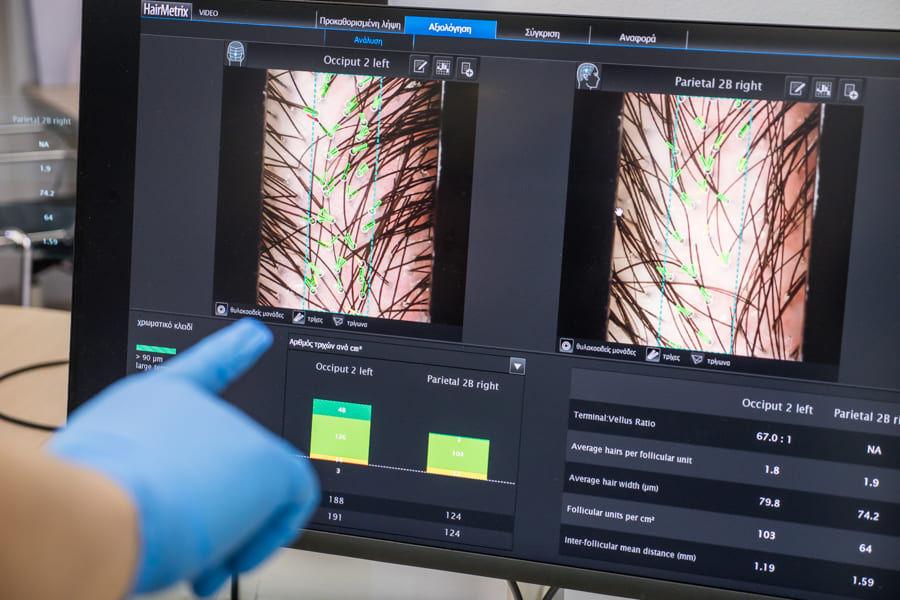
Many next-generation scalp analyzers incorporate intelligent software capable of measuring and comparing scalp conditions.
Instead of simply displaying images, these systems can analyze parameters such as:
- Hair density
- Follicle health
- Sebum level
- Moisture balance
- Sensitivity score
- Scalp cleanliness
- Hair thickness distribution
Some platforms even generate visual reports that clients can easily understand.
For clinics, these reports become valuable consultation tools that strengthen professional credibility and encourage long-term treatment plans.
Building Trust Through Visualization
One of the biggest challenges in hair treatment is that clients often cannot see the problem themselves.
Unlike facial wrinkles or pigmentation, scalp issues are largely hidden.
By displaying magnified images before treatment, practitioners transform invisible concerns into visible evidence.
Clients are more likely to understand:
- Why treatment is recommended
- Which scalp condition needs improvement
- How progress will be monitored
- What realistic expectations should be
This transparency significantly increases treatment compliance.
From Detection to Treatment: The Professional Workflow
Professional hair care is most effective when every step is connected. Modern clinics increasingly follow a structured workflow rather than offering isolated treatments.
Step 1: Consultation and Client Assessment
Every treatment begins with understanding the client's concerns.
Professionals typically evaluate:
- Lifestyle
- Diet
- Stress level
- Hair care habits
- Chemical treatment history
- Family history
- Current scalp symptoms
This information provides important context before instrument-based diagnosis begins.
Step 2: Professional Scalp Detection
The scalp analyzer performs detailed imaging and data collection.
During this stage, practitioners identify:
- Oily scalp
- Dry scalp
- Mixed scalp
- Sensitive scalp
- Follicle congestion
- Hair miniaturization
- Excessive keratin buildup
Instead of offering a universal treatment, professionals create individualized care plans.
Step 3: Deep Scalp Cleansing
Once scalp conditions have been identified, deep cleansing is often the first treatment stage.
Professional scalp cleansing devices help remove:
- Sebum buildup
- Cosmetic residue
- Dead skin cells
- Environmental pollutants
- Follicular debris
A cleaner scalp creates a healthier environment for subsequent treatments while improving the absorption of active ingredients.
Unlike basic home cleansing, professional systems typically combine controlled suction, water-based cleansing, or specialized scalp exfoliation technologies to achieve more consistent results
Step 4: Targeted Scalp Nourishment and Active Ingredient Infusion
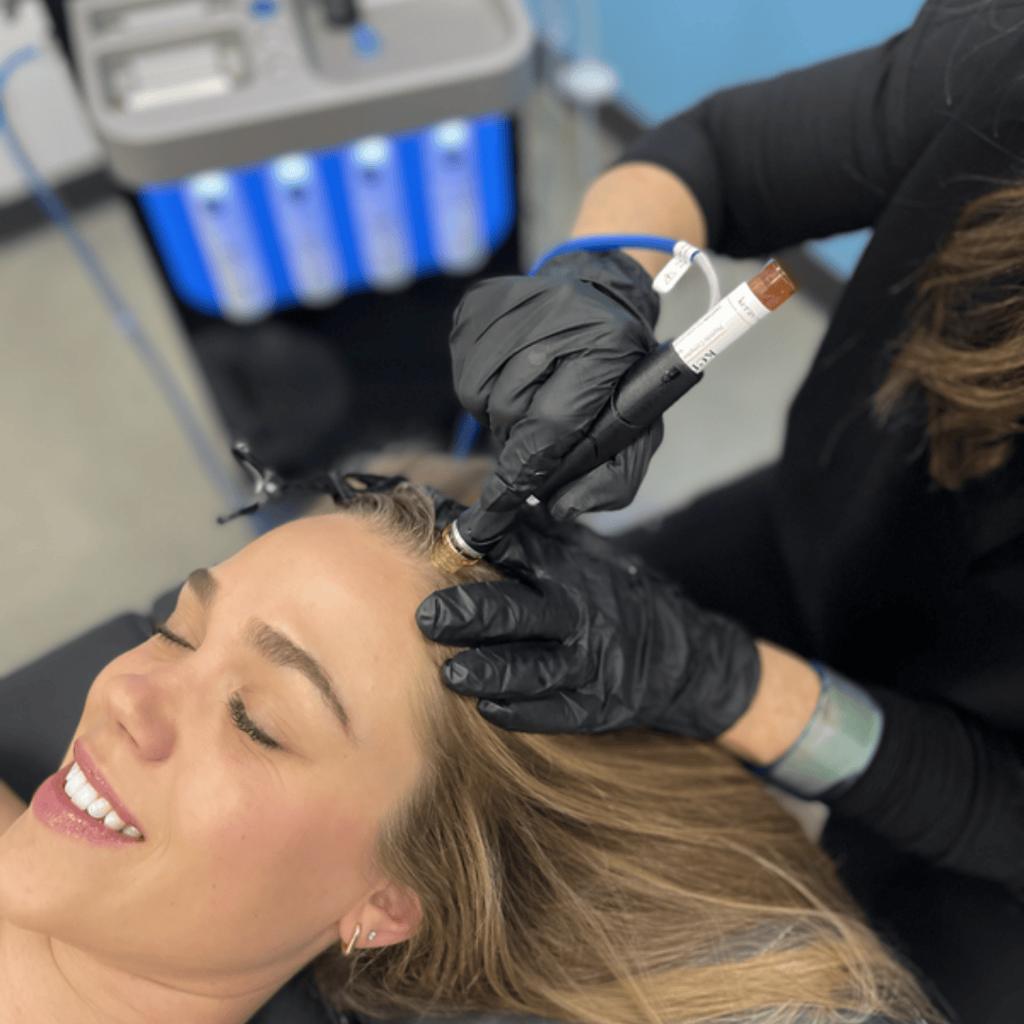
Once the scalp has been thoroughly cleansed, the next objective is to restore balance and deliver beneficial ingredients where they are needed most. At this stage, professional clinics often use infusion technologies rather than relying solely on manual application of serums.
Healthy scalp function depends on adequate hydration, balanced sebum production, and an optimal environment for hair follicles. When the scalp barrier is compromised or follicles are obstructed, even high-quality products may not perform as expected.
Professional infusion devices are designed to improve the distribution and penetration of scalp care formulations. Depending on the treatment protocol, practitioners may use technologies such as:
- Electroporation
- Oxygen infusion
- Jet infusion
- Ultrasonic delivery
- Cold therapy-assisted infusion
These technologies help create favorable conditions for ingredient absorption without the discomfort associated with invasive procedures.
Common professional scalp solutions include ingredients such as:
- Hyaluronic acid for hydration
- Peptides for scalp conditioning
- Botanical extracts to soothe sensitive skin
- Amino acids to support scalp health
- Vitamin complexes for overall scalp nourishment
Rather than promoting a single "miracle ingredient," experienced practitioners focus on selecting formulations that match each client's diagnosed scalp condition.
Step 5: Energy-Based Technologies to Support Scalp Health
Following cleansing and nutrient delivery, many clinics incorporate energy-based devices to further enhance treatment outcomes.
These technologies are not intended to replace medical therapies. Instead, they are commonly integrated into professional aesthetic protocols to help optimize the scalp environment and improve the overall treatment experience.
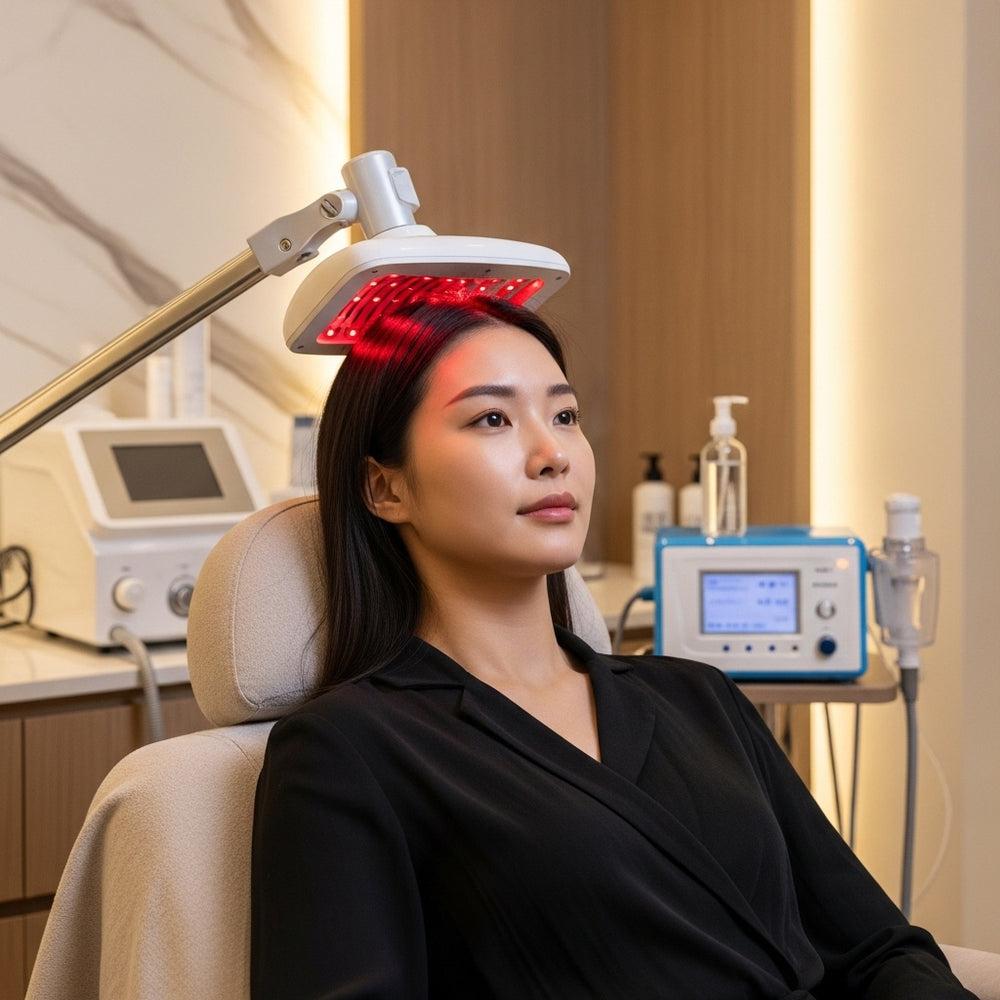
LED Light Therapy
LED therapy has become a popular addition to professional scalp treatments because it is comfortable, non-invasive, and suitable for many client types.
Different wavelengths may be selected according to treatment goals.
For example:
- Red light is commonly used in protocols designed to support scalp vitality.
- Blue light may be incorporated into treatments for oily or acne-prone scalps.
- Near-infrared light is often included in comprehensive scalp wellness programs.
Because LED treatments require no downtime, they are easy to combine with other professional procedures.
Radio Frequency (RF)
Radio frequency technology is widely recognized in aesthetic medicine for skin tightening, but specialized low-energy RF systems are also being incorporated into some scalp care protocols.
Controlled thermal energy may help:
- Improve local comfort during treatment
- Support microcirculation
- Enhance the treatment experience
- Complement nutrient delivery procedures
Professional operators adjust treatment parameters carefully according to scalp condition and client comfort.
High Frequency Therapy
High frequency technology has been used in professional beauty treatments for decades.
In scalp applications, practitioners often include high frequency as part of cleansing or post-cleansing protocols because it may help create a cleaner scalp environment while providing a refreshing treatment sensation.
Its popularity stems from its simplicity, efficiency, and compatibility with other non-invasive technologies
Step 6: Monitoring Progress Through Digital Comparison
One advantage of digital scalp diagnosis is that it extends beyond the initial consultation.
Professional clinics can capture standardized images throughout the treatment journey, allowing practitioners and clients to compare changes over time.
Progress monitoring may include observations such as:
- Improved scalp cleanliness
- Better moisture balance
- Reduced oil accumulation
- Healthier-looking follicles
- Increased appearance of hair density
- Improved scalp condition after ongoing care
Visual comparison provides objective feedback that supports treatment planning and helps clients better understand their progress.
This data-driven approach also strengthens communication between practitioners and clients, making follow-up consultations more productive and personalized.
Advantages of Professional Equipment Compared with Home Care
Home scalp care products play an important role in maintaining daily hair hygiene. However, they are generally designed for routine maintenance rather than detailed assessment or intensive professional treatment.
Professional equipment offers several distinct advantages.
Accurate Diagnosis
Professional scalp analyzers provide magnified imaging and measurable data that cannot be obtained through simple visual inspection at home.
Customized Treatment Protocols
Instead of recommending identical products for every client, clinics can tailor treatment plans according to individual scalp conditions.
Multiple Technologies in One Session
Professional systems often combine diagnosis, cleansing, infusion, light therapy, and monitoring within a single workflow, creating a more comprehensive service.
Consistent Treatment Standards
Professional equipment delivers controlled treatment parameters, helping practitioners maintain consistency across different sessions and different clients.
Stronger Client Engagement
When clients can clearly see their scalp condition before and after treatment, they tend to better understand the value of professional care and are more likely to remain committed to long-term treatment plans.
Rather than replacing home care, professional treatments and daily maintenance work best as complementary parts of an overall hair wellness strategy.
Applications for Different Client Needs
A complete detection-to-treatment workflow can be adapted to a wide range of professional settings and client concerns.
Clients with Oily Scalps
Professional diagnosis helps distinguish excessive sebum production from temporary imbalance, allowing practitioners to recommend appropriate cleansing and balancing treatments.
Clients Experiencing Hair Thinning
Digital imaging enables early observation of changes in hair density and follicle condition, supporting more personalized treatment planning.
Clients with Sensitive Scalps
Scalp analysis can identify visible signs of irritation, allowing professionals to select gentler treatment protocols and soothing formulations.
Clients Receiving Preventive Hair Care
Not every client visits a clinic because of noticeable hair loss. Many simply want to maintain healthy scalp conditions before concerns become more significant.
Preventive scalp analysis and routine professional maintenance are becoming increasingly popular among younger consumers who view scalp care as an extension of long-term skin wellness.
The Future of Integrated Hair Care
The professional hair care industry is moving toward more intelligent, data-driven, and personalized service models.
Several trends are shaping this evolution:
- AI-assisted scalp diagnostics
- Digital client records and treatment tracking
- Multi-function platforms combining diagnosis and therapy
- Personalized scalp care programs
- Integration of aesthetic technologies with scalp wellness services
- Increased emphasis on preventive care rather than reactive treatment
As these technologies continue to evolve, clinics will be able to deliver more consistent treatment experiences while improving operational efficiency.
For manufacturers, this trend highlights the growing demand for equipment that integrates multiple technologies into a seamless clinical workflow.
Conclusion
Professional hair care has progressed far beyond traditional shampoo treatments and visual consultations. Today, successful scalp management begins with accurate diagnosis, continues through customized treatment protocols, and relies on continuous monitoring to evaluate progress.
From digital scalp detection and deep cleansing to active ingredient infusion and energy-based therapies, every stage of the workflow contributes to a more personalized client experience and a more scientific approach to scalp care.
For aesthetic clinics, salons, and professional beauty practitioners, investing in advanced hair care technologies is no longer simply about adding another service. It is about delivering measurable value, improving client confidence, and building long-term relationships through evidence-based care.
As demand for personalized scalp wellness continues to grow, the complete journey—from detection to treatment—is becoming the new standard for professional hair care
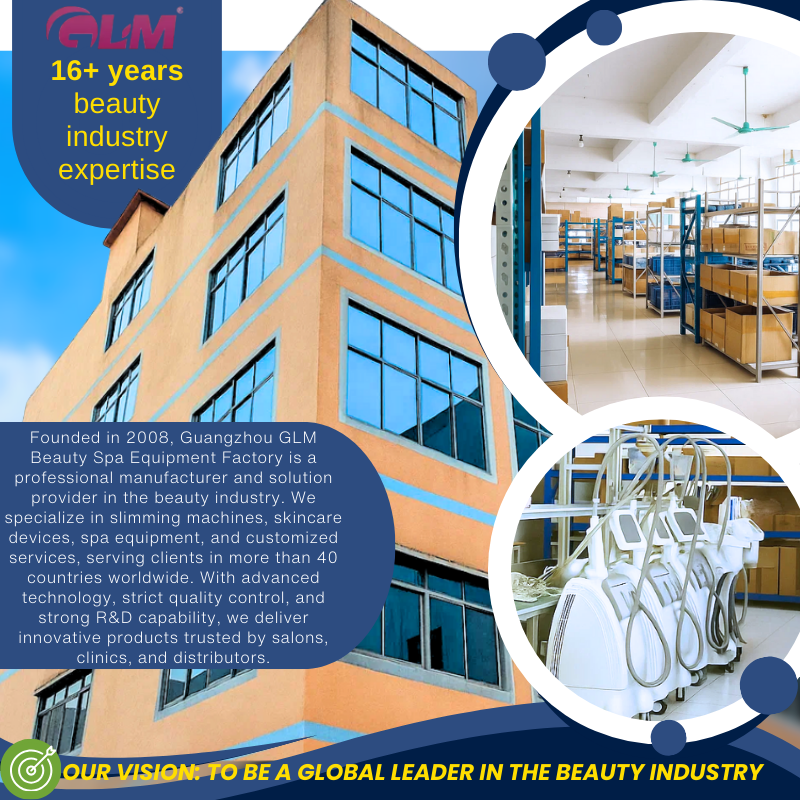
Founded in 2008, Guangzhou GLM Beauty Spa Equipment Factory specializes in research, development, manufacture and selling of beauty and slimming machines. Our production base is located in Guangzhou City, Guangdong Province, China. Since our foundation, we have introduced advanced technologies and equipment, to assure high quality and high performance of our products. With professional marketing guide and excellent after-sales service, our products have been exported to over 20 countries and regions, including Southeast Asia, the Middle East, Europe and the United States, won worldwide praises and gained a good reputation