Introduction
Every body contouring clinic hears the same frustration:
“I exercise, I eat well—but this area just won’t change.”
Stubborn fat deposits—especially around the abdomen, thighs, flanks, and arms—often resist diet and exercise. These localized pockets are influenced by genetics, hormones, and fat cell distribution patterns.
Not every client wants surgery.
Not every client qualifies for liposuction.
And many prefer gradual, non-invasive solutions.
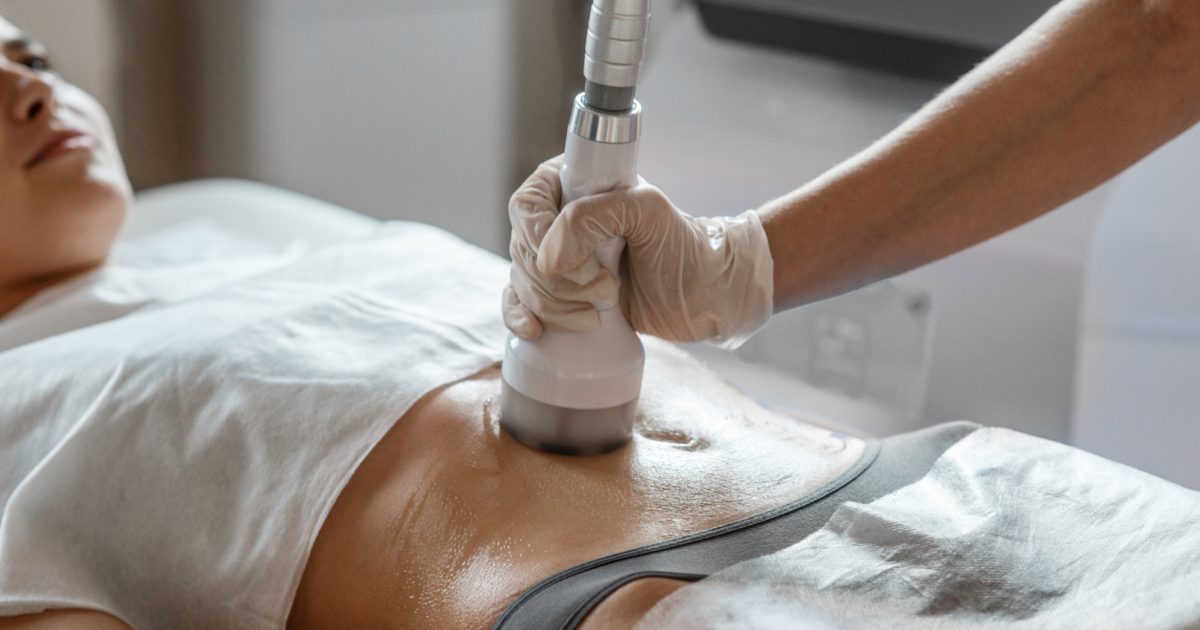
This is where ultrasound cavitation has built its place in professional body sculpting.
Let’s break it down clearly—what it is, how it works, and where it truly fits.

What Is Cavitation?
Cavitation refers to the formation of microscopic bubbles in a liquid medium due to rapid pressure changes.
In aesthetic applications, low-frequency ultrasound (commonly 30–40 kHz) is applied to adipose tissue.
These sound waves create rapid compression and decompression cycles in tissue fluids, forming tiny vacuum bubbles. When these bubbles collapse, they generate mechanical stress that affects nearby fat cells.
This is a mechanical effect, not thermal destruction like laser or RF-based fat reduction.
How Cavitation Targets Stubborn Fat
1️⃣ Mechanical Disruption of Adipose Cells
Low-frequency ultrasound creates oscillation in the fat layer.
The resulting pressure variation can:
-
Disturb fat cell membranes
-
Promote release of stored triglycerides
-
Increase permeability
The fat is then processed gradually through the body’s natural metabolic pathways.
It is not instant fat removal.
It is assisted metabolic elimination.
2️⃣ Improved Local Circulation
Ultrasound vibration enhances:
-
Blood flow
-
Lymphatic circulation
-
Tissue oxygenation
This supports smoother appearance and may reduce mild fluid retention in treated areas.
3️⃣ Temporary Reduction in Volume
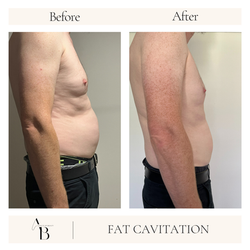
Clients often observe:
-
Slight circumference reduction
-
Softer fat texture
-
Improved contour transitions
The key word here is contour, not dramatic weight loss.
Why Cavitation Works Well for “Stubborn” Areas
Certain fat deposits are:
-
Fibrous
-
Poorly vascularized
-
Resistant to exercise
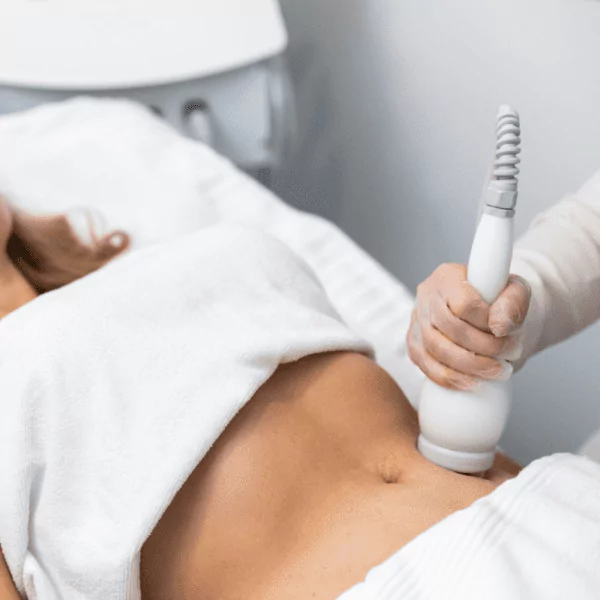
Cavitation’s mechanical vibration can be particularly helpful in areas like:
-
Lower abdomen
-
Love handles
-
Inner thighs
-
Upper arms
However, it is most suitable for clients with localized fat—not generalized obesity.
Expectation management is critical.
Cavitation vs Other Fat Reduction Technologies
Cavitation vs Cryolipolysis
-
Cryolipolysis freezes fat cells
-
Cavitation mechanically disrupts fat cells
Cryolipolysis often produces more dramatic fat reduction but involves longer result timelines and higher equipment cost.
Cavitation offers:
-
Gradual improvement
-
No extreme temperature exposure
-
Lower entry barrier for clinics
Cavitation vs RF Body Tightening
-
RF focuses on skin tightening
-
Cavitation focuses on fat layer
They address different structural levels.
Many professional clinics combine both for enhanced results:
-
Cavitation → reduce localized fat
-
RF → tighten overlying skin
Layered treatment planning produces better contour refinement.
Ideal Candidate Profile
Cavitation works best for clients who:
-
Are near their ideal body weight
-
Have pinchable localized fat
-
Maintain stable lifestyle habits
-
Understand gradual improvement
It is not a weight-loss treatment.
It is a body contour refinement tool.
Clinics that clearly communicate this avoid dissatisfaction.
Treatment Experience
During a session, clients may feel:
-
Mild warmth
-
Vibration sensation
-
Light buzzing sound (common due to ultrasound frequency)
Sessions usually last 20–40 minutes per area.
Most treatment plans include multiple sessions spaced weekly.
Hydration before and after treatment is commonly recommended to support metabolic processing.
Safety Considerations
Professional cavitation systems must offer:
-
Stable frequency output
-
Controlled energy levels
-
Consistent handpiece performance
Overly aggressive settings can increase discomfort without improving results.
Proper operator training matters more than raw power.
Contraindications may include:
-
Pregnancy
-
Severe liver disease
-
Metal implants in treatment area
-
Serious cardiovascular conditions
Screening is essential.
Business Value for Clinics
Cavitation remains popular in body contouring clinics because:
-
It is non-invasive
-
No downtime is required
-
Treatment packages encourage repeat visits
-
It integrates well with EMS and RF programs
For clinics building structured body sculpting protocols, cavitation often serves as the fat-layer entry treatment.
It is approachable, scalable, and widely recognized in the market.
The Realistic Outcome
Let’s stay practical.
Cavitation does not:
-
Replace liposuction
-
Eliminate large fat volumes
-
Create instant dramatic transformation
What it does well:
-
Smooth localized bulges
-
Improve contour transitions
-
Support visible refinement in combination programs
When used correctly, it helps clients move from “stubborn fat frustration” to “smoother body lines.”
That’s the right positioning.
Strategic Role in Modern Body Contouring
Today’s effective body sculpting model typically addresses three layers:
-
Fat reduction
-
Muscle toning
-
Skin tightening
Cavitation addresses the first layer.
Clinics that combine it with EMS (muscle layer) and RF (skin layer) create more complete transformations.
Single-layer treatments limit results.
Layered strategies enhance them.
Conclusion
Ultrasound cavitation uses low-frequency sound waves to mechanically target localized fat deposits, supporting gradual contour improvement without surgery.
It is best suited for stubborn, pinchable fat in clients near their ideal weight.
While not a replacement for surgical fat removal, cavitation remains a valuable tool in professional body sculpting programs—especially when integrated into comprehensive, multi-layer treatment strategies.
Smooth contours come from structured planning—not single treatments.
Founded in 2008, Guangzhou GLM Beauty Spa Equipment Factory specializes in research, development, manufacture and selling of beauty and slimming machines. Our production base is located in Guangzhou City, Guangdong Province, China. Since our foundation, we have introduced advanced technologies and equipment, to assure high quality and high performance of our products. With professional marketing guide and excellent after-sales service, our products have been exported to over 20 countries and regions, including Southeast Asia, the Middle East, Europe and the United States, won worldwide praises and gained a good reputation.