
Introduction
In modern aesthetic clinics, non-invasive skin tightening technologies are among the most in-demand treatments. Clients increasingly prefer procedures that deliver visible lifting and firming results without surgery or downtime.
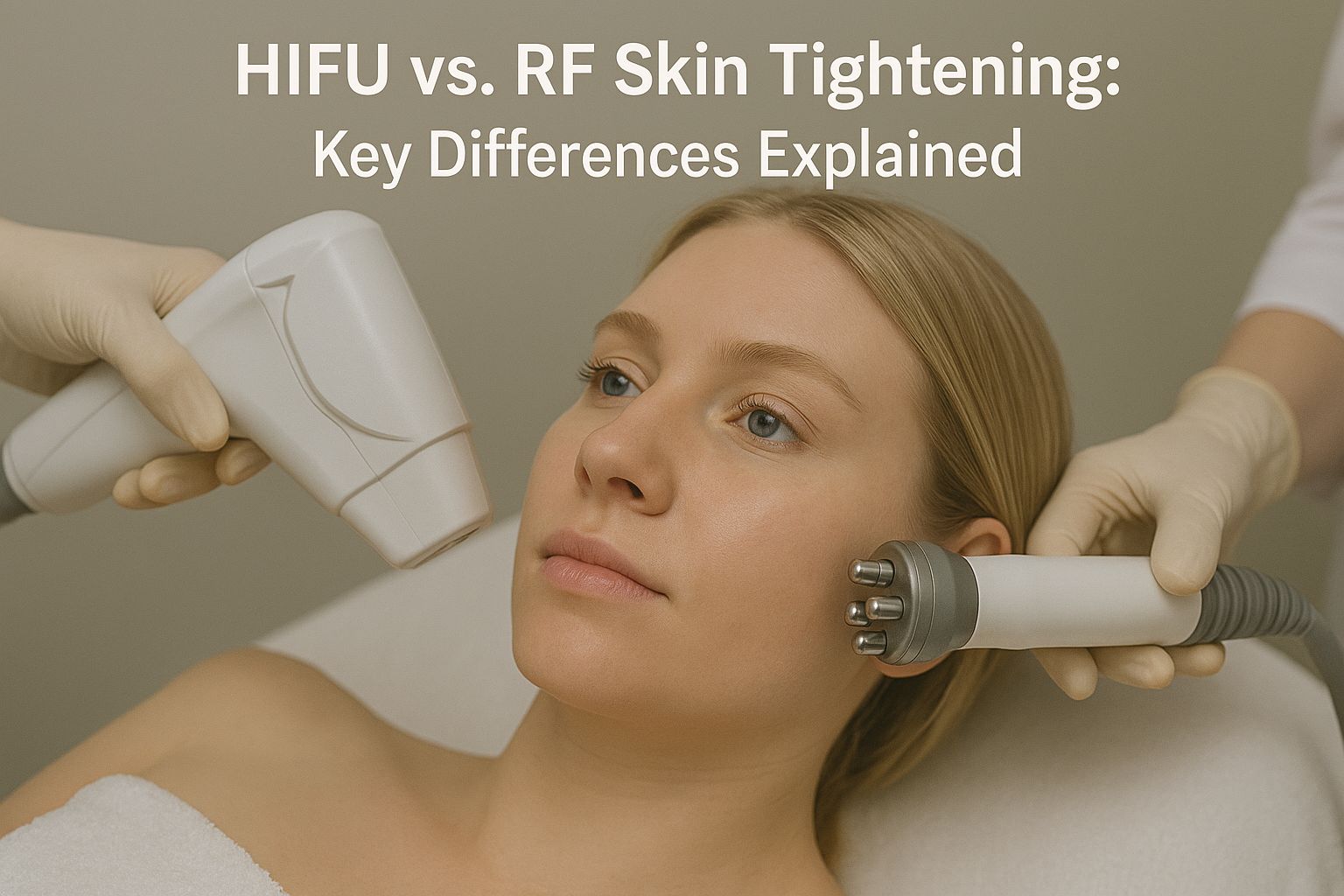
Two of the most widely used technologies are HIFU (High-Intensity Focused Ultrasound) and Radiofrequency (RF) Skin Tightening. Both aim to improve skin firmness and stimulate collagen production, but they differ significantly in how deeply they penetrate the skin and how they achieve results.
Understanding the differences between these two technologies is essential for clinics when selecting the right equipment and designing effective treatment protocols.
Background / Problem
Skin aging is primarily caused by the gradual breakdown of structural proteins such as collagen and elastin. Over time, this leads to:
-
Skin laxity
-
Wrinkles
-
Loss of facial contour
One critical anatomical layer involved in facial lifting is the SMAS (Superficial Musculoaponeurotic System). This layer lies beneath the dermis and plays a key role in supporting facial structure.
Traditional surgical facelifts target the SMAS layer to achieve significant lifting results. However, many clients prefer non-invasive alternatives that can stimulate similar lifting effects without surgery.
This is where HIFU and RF technologies come into play.
Technology / Mechanism
Although both treatments aim to tighten skin, their mechanisms and depth of action differ greatly.
1. How HIFU Works (Deep Structural Targeting)
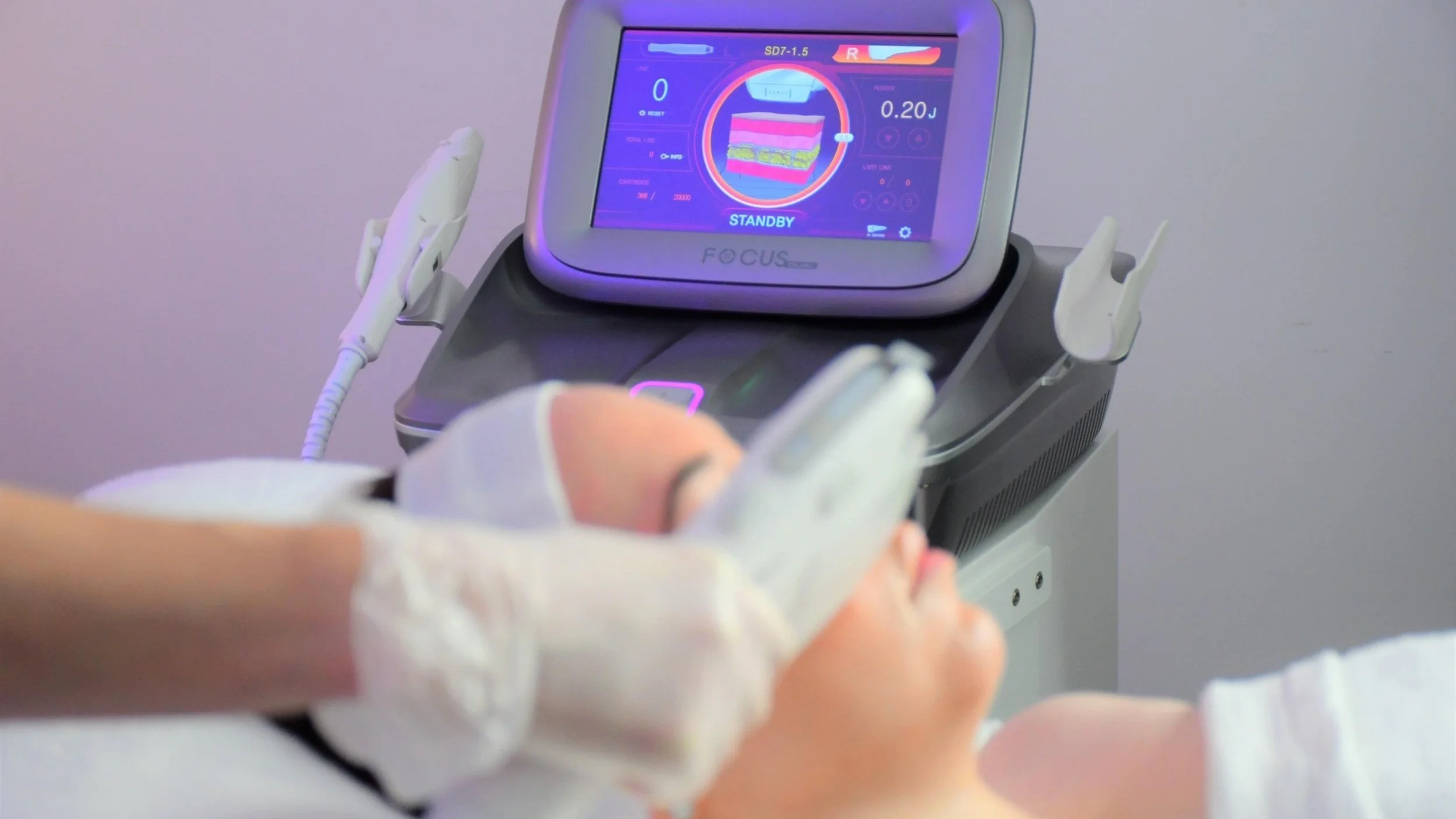
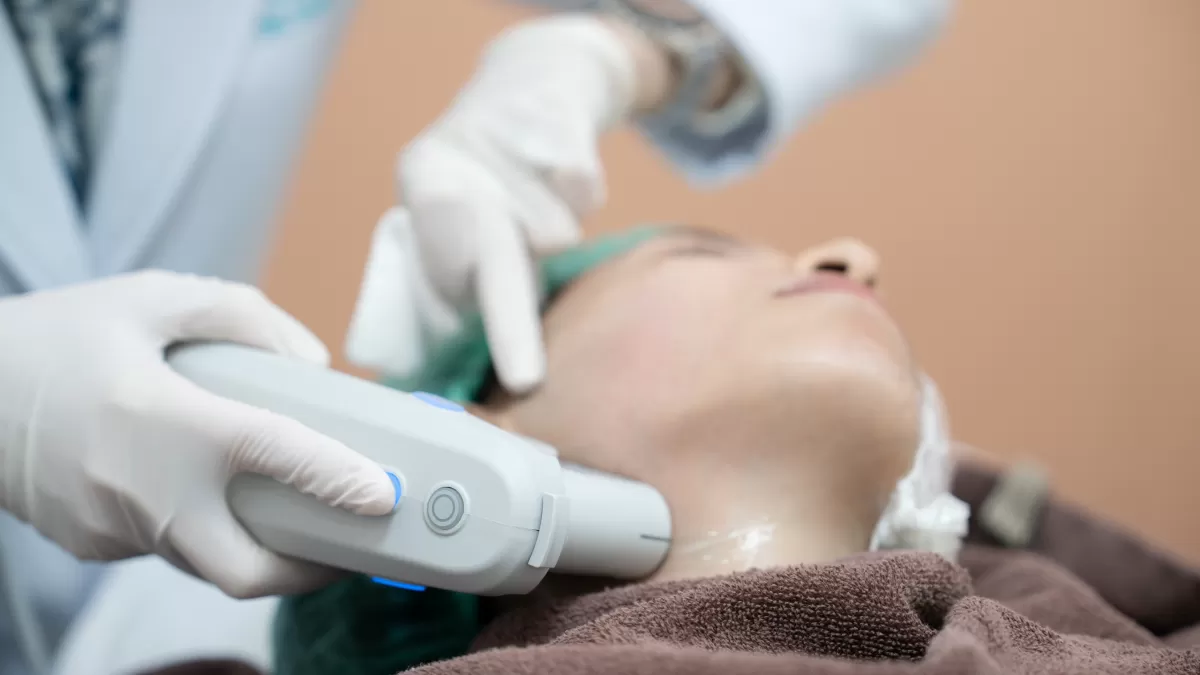
HIFU (High-Intensity Focused Ultrasound) uses focused ultrasound energy to deliver precise thermal coagulation points deep within the skin.
-
Penetration depth: up to 4.5mm
-
Targets: Dermis, subcutaneous tissue, and SMAS (Superficial Musculoaponeurotic System)
-
Mechanism: Creates controlled thermal injury points that stimulate collagen regeneration
Because HIFU can reach the SMAS layer, it is often considered the closest non-invasive alternative to a surgical facelift.
This deep penetration allows for structural lifting rather than just surface tightening.
2. How RF Works (Dermal Heating and Tightening)
Radiofrequency (RF) Skin Tightening uses electromagnetic energy to heat the skin tissues.
-
Penetration depth: typically 1–3mm
-
Targets: Dermis layer
-
Mechanism: Uniform heating stimulates collagen production and improves skin elasticity
RF technology is particularly effective for improving skin texture, fine lines, and mild to moderate laxity.
Unlike HIFU, RF does not typically reach the SMAS layer but provides consistent heating across the treated area.
Advantages / Comparison
Understanding the differences between HIFU and RF helps clinics choose the right solution for different treatment goals.
Depth of Penetration
-
HIFU: Reaches deeper layers including SMAS
-
RF: Primarily targets the dermis
👉 Conclusion: HIFU goes significantly deeper than RF.
Treatment Focus
-
HIFU: Structural lifting and contour definition
-
RF: Skin tightening and texture improvement
Precision vs Coverage
-
HIFU: Delivers focused energy at specific depths
-
RF: Provides broader, uniform heating
Comfort and Treatment Experience
-
HIFU: May cause deeper sensation due to focused energy
-
RF: Generally more comfortable with warming sensation
Treatment Frequency
-
HIFU: Usually performed less frequently (long-lasting effects)
-
RF: Often requires multiple sessions for optimal results
Applications / Client Needs
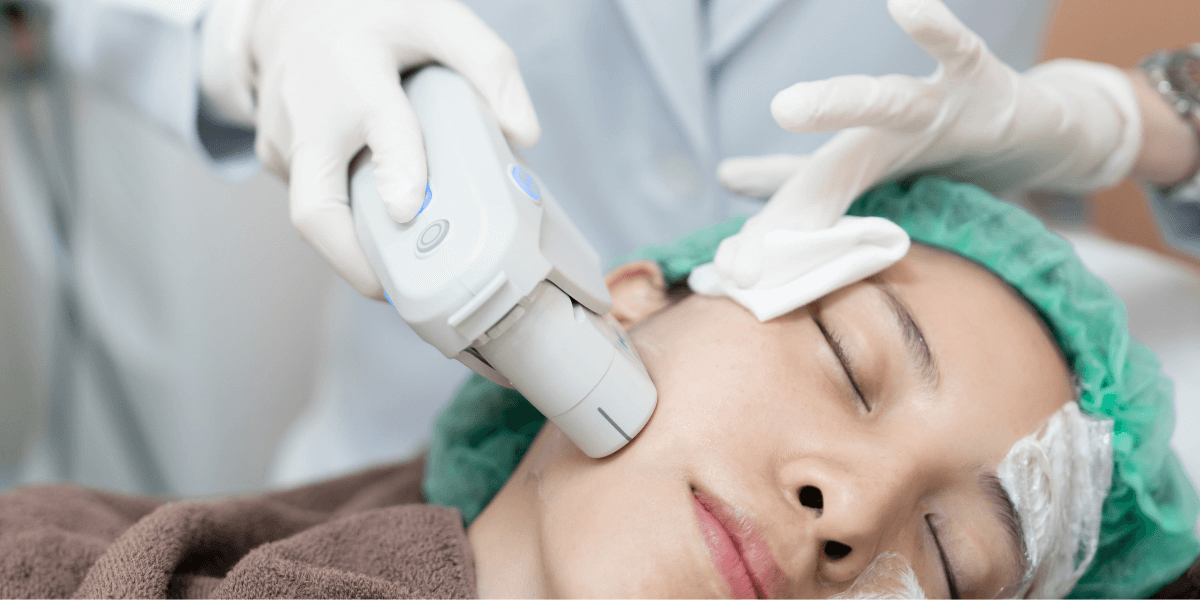
Both HIFU (High-Intensity Focused Ultrasound) and Radiofrequency (RF) Skin Tightening are widely used in professional aesthetic clinics, but they serve different client needs.
When to Choose HIFU
-
Clients with moderate to advanced skin laxity
-
Those seeking lifting effects similar to a facelift
-
Focus on deeper structural support
When to Choose RF
-
Clients with early signs of aging
-
Those looking to improve skin texture and elasticity
-
Suitable for maintenance treatments
Combined Treatments
Many clinics combine HIFU and RF technologies to achieve comprehensive results:
-
HIFU for deep lifting
-
RF for surface tightening and skin quality improvement
This layered approach allows clinics to target multiple skin depths effectively.
Conclusion
When comparing HIFU (High-Intensity Focused Ultrasound) and Radiofrequency (RF) Skin Tightening, the key difference lies in depth.
HIFU penetrates deeper, reaching the SMAS (Superficial Musculoaponeurotic System), making it ideal for structural lifting. In contrast, RF focuses on the dermis, delivering effective skin tightening and collagen stimulation.
For modern aesthetic clinics, the most effective strategy is often not choosing one over the other, but combining both technologies to provide a complete, multi-layered skin rejuvenation solution.
Founded in 2008, Guangzhou GLM Beauty Spa Equipment Factory specializes in research, development, manufacture and selling of beauty and slimming machines. Our production base is located in Guangzhou City, Guangdong Province, China. Since our foundation, we have introduced advanced technologies and equipment, to assure high quality and high performance of our products. With professional marketing guide and excellent after-sales service, our products have been exported to over 20 countries and regions, including Southeast Asia, the Middle East, Europe and the United States, won worldwide praises and gained a good reputation.