Introduction
As demand for non-surgical aesthetic treatments continues to grow, two technologies dominate the field of skin tightening: High-Intensity Focused Ultrasound (HIFU) and Radiofrequency (RF). Both methods offer patients a way to achieve firmer, more youthful-looking skin without surgery. Yet, many people are unsure which treatment is right for them. To answer that, it’s important to understand how each technology works, their benefits, and their best-suited applications.
Background: Why Non-Surgical Skin Tightening?

Skin naturally loses elasticity with age due to declining collagen and elastin production. Traditionally, surgical facelifts were the go-to solution, but they involve significant downtime, risk, and expense. Non-surgical devices like HIFU and RF bridge this gap, offering a way to rejuvenate skin without invasive procedures.
Both treatments aim to stimulate collagen remodeling, but they differ in mechanisms, penetration depth, and treatment outcomes. Patients’ choice often depends on their age, skin condition, and desired results.
How HIFU Works
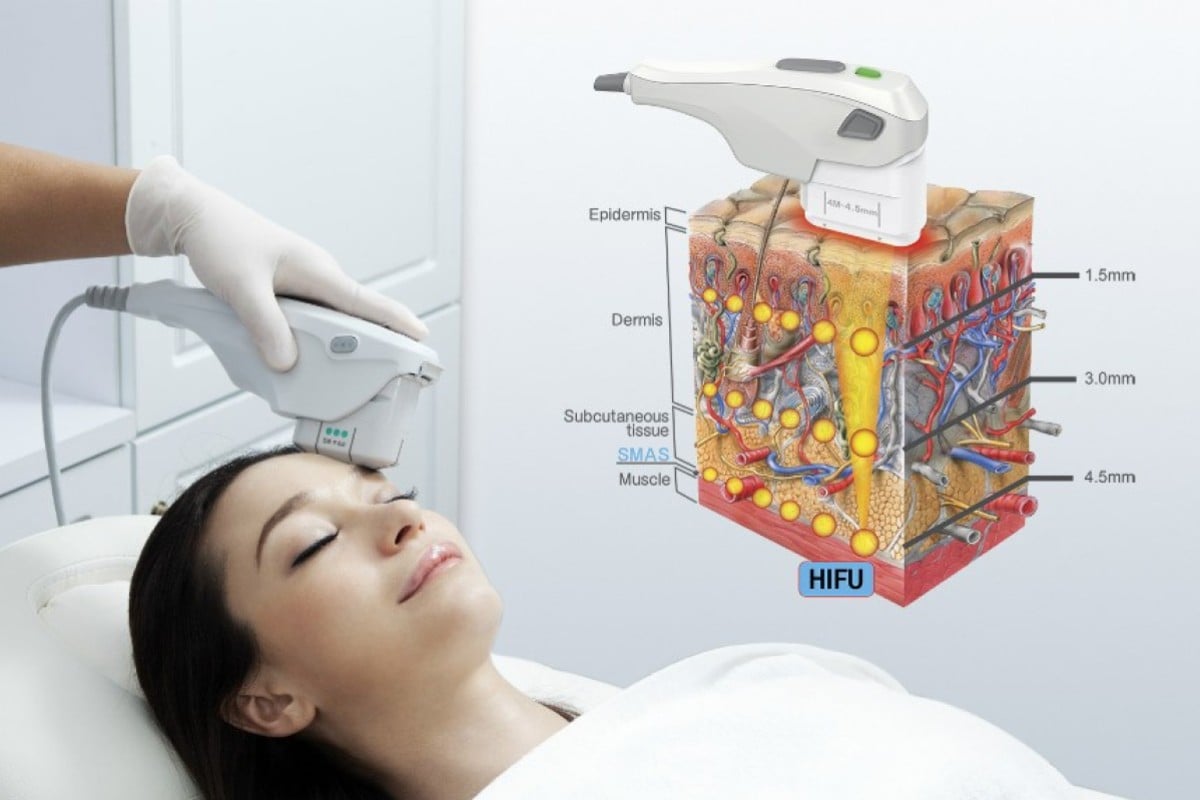
HIFU uses focused ultrasound energy to penetrate deep into the skin layers, specifically targeting the SMAS (Superficial Musculoaponeurotic System), which is the same layer tightened during surgical facelifts.
The ultrasound energy generates thermal coagulation points, causing controlled micro-damage that triggers the body’s natural healing response. This stimulates collagen and elastin production, leading to gradual skin tightening and lifting over 2–3 months.
Key Features of HIFU:
-
Penetrates deeper than most non-surgical devices (up to 4.5 mm)
-
Effective for lifting sagging skin, particularly around the jawline and neck
-
Results appear gradually and can last 12–18 months
-
Requires fewer sessions compared to RF
However, because HIFU reaches deeper structures, treatments may cause discomfort and are less effective for superficial texture improvement.
How RF Works

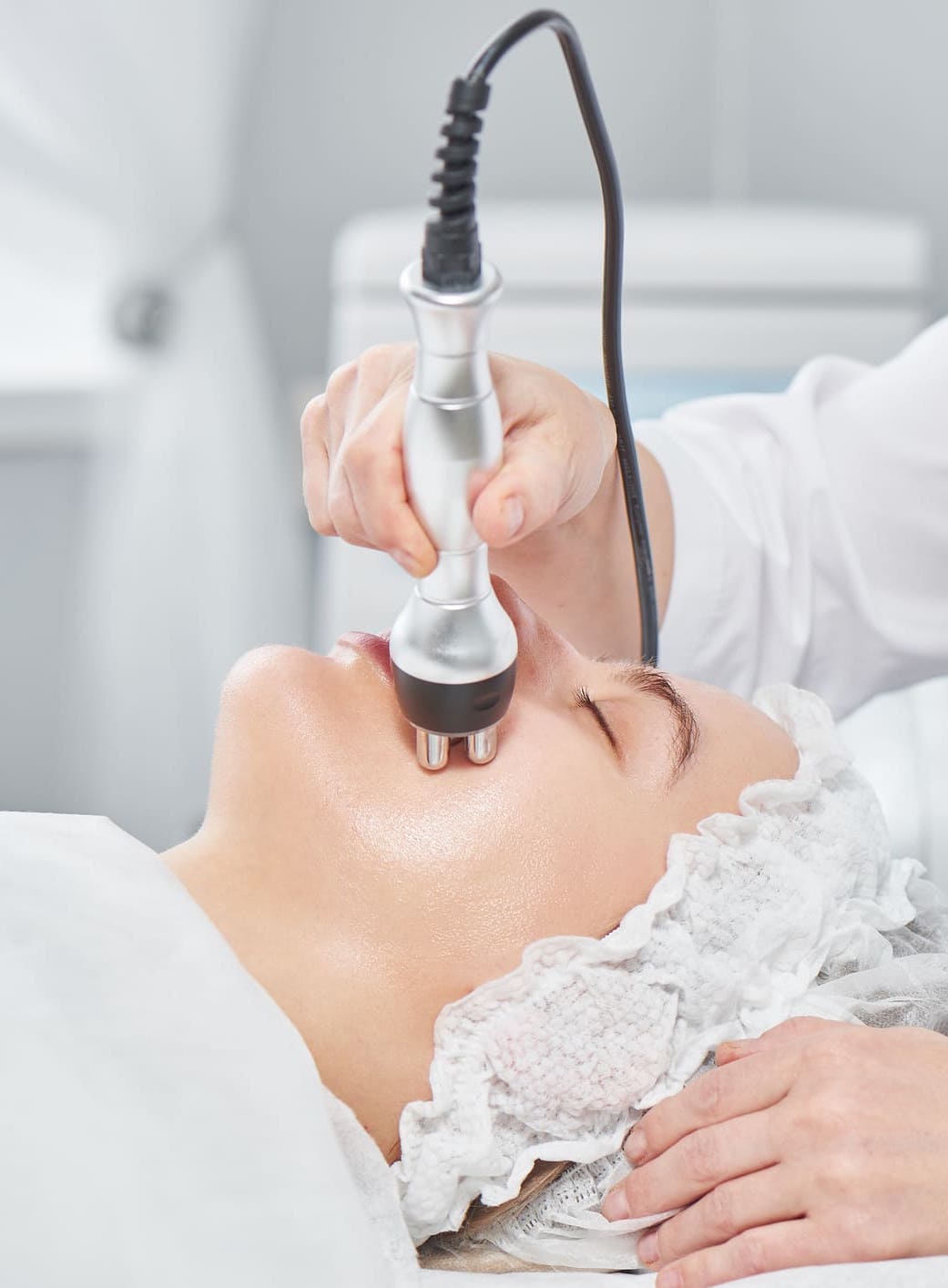
Radiofrequency uses electromagnetic waves to heat the skin’s dermis, usually up to 1.5–3 mm deep. The heat stimulates collagen contraction and new collagen synthesis, improving skin firmness and reducing fine lines.
Unlike HIFU, RF primarily targets the dermal layers rather than the SMAS. This makes RF particularly effective for improving skin texture and elasticity on the surface level.
Key Features of RF:
-
Works best for fine lines, mild sagging, and overall skin texture improvement
-
Often requires multiple sessions for optimal results
-
Comfortable treatment with minimal downtime
-
Suitable for larger treatment areas like face, abdomen, and thighs
RF tends to provide more immediate results, but they may not last as long as HIFU.
HIFU vs. RF: A Detailed Comparison
| Feature | HIFU | RF |
|---|---|---|
| Mechanism | Focused ultrasound energy | Radiofrequency energy |
| Target Depth | SMAS (up to 4.5 mm) | Dermis (1.5–3 mm) |
| Primary Effect | Lifting and tightening | Smoothing and firming |
| Best For | Jawline, chin, neck, deeper sagging | Fine lines, mild sagging, skin texture |
| Sessions Needed | 1–2 sessions per year | 4–6 sessions for maintenance |
| Results Duration | 12–18 months | 6–12 months |
| Comfort Level | More discomfort, requires numbing | Generally comfortable |
Application Scenarios and Patient Needs
HIFU is ideal for:
-
Patients in their late 30s and above with visible sagging
-
Individuals looking for a non-surgical alternative to facelift
-
Jawline definition and tightening under the chin
-
Long-lasting results with fewer sessions
RF is ideal for:
-
Younger patients with early signs of aging
-
Those seeking improvement in fine lines and overall skin quality
-
Patients wanting a comfortable procedure with minimal downtime
-
Large-area treatments like abdomen or thighs for firming
Combining HIFU and RF
In practice, many clinics combine both treatments for comprehensive results. HIFU provides deep lifting, while RF refines surface texture and elasticity. Together, they create a layered approach to anti-aging, addressing both structural sagging and skin smoothness.
This combination therapy reflects a growing trend in aesthetics: tailoring treatments to patient needs rather than relying on a single solution.
Market Trends and Future Outlook
Globally, the market for non-invasive skin tightening devices is expanding rapidly. Patients increasingly demand treatments that are effective, safe, and convenient. HIFU and RF both meet these demands, though in different ways.
Social media has played a role in popularizing HIFU as a “lunchtime facelift,” while RF remains widely trusted for its versatility. The future may see more hybrid devices offering combined ultrasound and RF technology to maximize results.
Conclusion
Both HIFU and RF offer unique advantages for non-surgical skin tightening. HIFU excels in deeper lifting and long-term results, while RF shines in improving fine lines and surface texture with comfort.
Choosing between them depends on individual skin concerns, age, and treatment goals. For many patients, the ideal solution may not be HIFU vs. RF, but rather HIFU and RF together for a complete rejuvenation strategy.
Founded in 2008, Guangzhou GLM Beauty Spa Equipment Factory specializes in research, development, manufacture and selling of beauty and slimming machines. Our production base is located in Guangzhou City, Guangdong Province, China. Since our foundation, we have introduced advanced technologies and equipment, to assure high quality and high performance of our products. With professional marketing guide and excellent after-sales service, our products have been exported to over 20 countries and regions, including Southeast Asia, the Middle East, Europe and the United States, won worldwide praises and gained a good reputation.