
Hip Dips vs Love Handles: Similarities and Differences Explained
Introduction:
Hip dips and love handles are two common terms used to describe specific areas of the body that many individuals feel self-conscious about. But are they the same thing? In this blog post, we will delve into the similarities and differences between hip dips and love handles. Understanding these nuances can help you in your journey towards body acceptance and self-love.
What are Hip Dips?
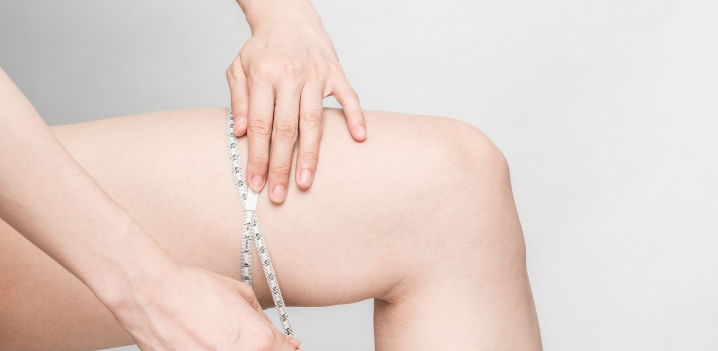
Hip dips, which are also colloquially known as violin hips or shelf hips, are a distinctive anatomical feature that adds a unique touch to one's physique. They refer to the inward curvature that naturally occurs where the hips transition into the thighs, creating a noticeable dip or depression in the hip area. This curvature gives the silhouette a distinct hourglass-like appearance, accentuating the curves of the female body.
Hip dips are a natural and inherent part of the human body's skeletal structure. However, their prominence can vary greatly among individuals, depending on various factors such as genetics, body fat distribution, and overall body composition. Some individuals may have more pronounced hip dips while others may have a smoother transition from hips to thighs.
Despite the common misconception, hip dips are not a flaw or imperfection. Rather, they are a normal variation in body shape and should be celebrated as part of an individual's unique beauty. They contribute to the diversity of body types and add character to one's silhouette. In fact, many fashion enthusiasts and celebrities have embraced their hip dips and use them as a way to express their individuality and style.
It's important to remember that body shape and appearance are subjective and should not be used as a measure of self-worth or attractiveness. Everyone's body is unique and beautiful in its own way, and hip dips are just one of the many features that make up a person's physical identity.
What are Love Handles?
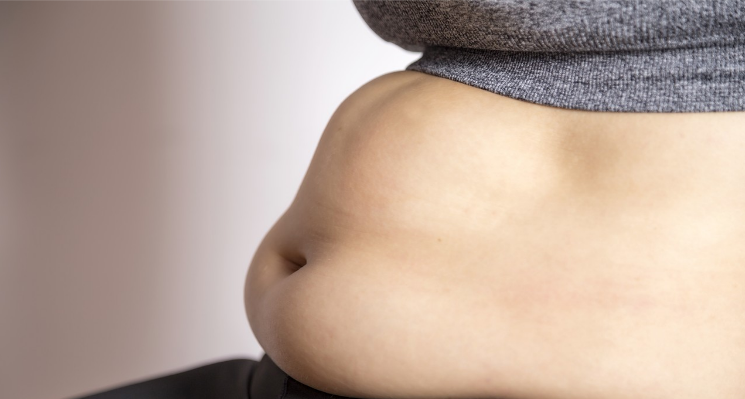
Love handles, in contrast to hip dips, refer to specific pockets of excess fat that tend to accumulate around the waistline, extending laterally from the hips towards the lower back region. They are a common feature among many individuals and are often a source of concern for those seeking to maintain a healthy and aesthetically pleasing body shape.
The appearance of love handles is typically characterized by bulges or rolls of fat that are visible when wearing tight-fitting clothing. These areas of fat accumulation can be caused by a combination of factors, including a lack of muscle tone, excess calorie intake, and insufficient physical activity.
Genetics play a significant role in the development of love handles. Some individuals may be predisposed to storing fat in these particular areas due to their genetic makeup. However, diet and lifestyle choices also have a significant impact. A diet high in processed foods, sugary beverages, and unhealthy fats can contribute to weight gain and the accumulation of excess fat around the waistline. Similarly, a sedentary lifestyle with little physical activity can lead to a decrease in muscle mass and an increase in body fat, particularly in the abdominal region.
While love handles may be a source of concern for some, it's important to remember that body shape and appearance are subjective and should not be used as a measure of self-worth or attractiveness. Everyone's body is unique and beautiful in its own way. However, for those who are interested in reducing love handles, a combination of healthy diet, regular physical activity, and targeted strength training can help tone the abdominal muscles and reduce excess fat around the waistline.
Similarities between Hip Dips and Love Handles:
While hip dips and love handles refer to distinct anatomical features of the body, they do share some notable similarities. Here are a few key points that highlight the parallels between these two areas:
-
Location: Both hip dips and love handles are located in the hip and waist region, often making them visually prominent when wearing certain types of clothing. Specifically, hip dips occur where the hips meet the thighs, while love handles accumulate around the waistline, extending from the hips towards the back. This close proximity can sometimes cause them to be perceived as a single feature, though they are anatomically distinct.
-
Aesthetic Concern: Many individuals express concern about the appearance of both hip dips and love handles. They can create a less defined waistline and impact the overall proportions of one's body, potentially affecting self-confidence and satisfaction with one's appearance. Both hip dips and love handles are often targeted for improvement through various beauty and fitness routines.
-
Relationship with Body Shape: Both hip dips and love handles are influenced by an individual's unique body shape and skeletal structure. Genetics play a significant role in determining how prominent these features are. Some individuals may be predisposed to having more pronounced hip dips or love handles due to their genetic makeup. However, it's important to note that body shape and appearance are subjective and should not be used as a measure of self-worth or attractiveness.
-
Exercise and Diet: While hip dips are primarily a result of the body's skeletal structure and cannot be completely eliminated, targeted exercises and a balanced diet can help reduce the appearance of love handles. Strength training, cardio exercises, and a diet rich in lean proteins, fruits, and vegetables can contribute to a reduction in excess body fat and an improvement in overall body composition. This can help tone the abdominal muscles and reduce the prominence of love handles, though results may vary depending on an individual's genetics, body type, and commitment to a healthy lifestyle.
Differences between Hip Dips and Love Handles:
While hip dips and love handles may share some superficial similarities, there are crucial differences that are essential to understand:
- Physiology:
Hip dips are a natural anatomical feature that is a part of the individual's skeletal structure. They refer to the indentation or dip that appears on the outer curve of the hips, just below the pelvic bone. This indentation is a result of the natural shape and width of the pelvis and hip bones.
Love handles, on the other hand, are not a structural feature but rather a result of excess fat accumulation. They refer to the fatty deposits that accumulate around the waistline, specifically the lateral aspects of the abdomen and hips.
- Fat Distribution:
Hip dips are not directly related to fat distribution. They are a structural feature that exists regardless of the amount of body fat present. However, individuals with more body fat may find that their hip dips are less noticeable due to the additional fat tissue covering them.
Love handles, on the contrary, are directly related to fat distribution. They occur when there is an accumulation of fat around the waistline, specifically in the area where the love handles are located. This fat accumulation is a result of various factors, including genetics, diet, and lifestyle.
- Causes:
Hip dips are primarily influenced by the individual's skeletal width and the shape of their pelvis. The width of the hip bones and the angle of the pelvis determine the degree of indentation or dip that appears on the outer curve of the hips.
Love handles, however, can be caused by a combination of factors. Genetics plays a role in determining where fat tends to accumulate on the body. Poor diet, lack of exercise, and hormonal changes can also contribute to the development of love handles. Excess calories consumed without adequate physical activity can lead to weight gain and fat accumulation, including around the waistline.
- Modifiability:
Hip dips are a natural part of the body's structure and cannot be eliminated entirely. While certain exercises and lifestyle changes may help to tone the surrounding muscles and improve the overall appearance of the hips, the indentation itself will remain.
Love handles, on the other hand, can be reduced through a combination of regular exercise, a healthy diet, and overall weight loss. Increasing physical activity and reducing calorie intake can help to burn excess fat and improve body composition. Targeted exercises, such as core strengthening and cardio workouts, can also help to tone the abdominal muscles and reduce the prominence of love handles. However, it's important to note that the results of these efforts may vary depending on individual genetics, body type, and commitment to a healthy lifestyle.
Strategies to Minimize the Appearance of Hip Dips and Love Handles:
While self-love and acceptance are paramount, there are certain strategies and practices that can assist in minimizing the appearance of hip dips and love handles. Here are some detailed tips to consider:
-
Strength Training:
- Target specific muscle groups: Engage in exercises that focus on strengthening the hips, glutes, and core muscles. Squats, lunges, hip thrusts, and deadlifts are excellent exercises for building muscle in these areas.
- Improve muscle tone: With regular strength training, you can improve the tone and definition of the muscles in your hips and core, giving your waistline a more sculpted appearance.
- Consult a professional: It's important to use correct form and technique when performing these exercises. Consider working with a personal trainer or fitness coach to ensure you're getting the most out of your workouts.
-
Cardiovascular Exercise:
- Burn calories: Cardio exercises, such as running, cycling, swimming, or jumping rope, help you burn calories and support weight loss. This can lead to a reduction in body fat, including around the waistline.
- Increase your heart rate: Cardio workouts get your heart rate up and improve cardiovascular health. Regular cardio exercise can also improve your mood and energy levels.
- Mix it up: Variety is key when it comes to cardio. Try different exercises to keep your workouts interesting and challenging.
-
Balanced Diet:
- Focus on nutrition: A balanced diet that includes lean proteins, complex carbohydrates, healthy fats, and plenty of fruits and vegetables is essential for overall health and weight management.
- Portion control: Pay attention to the portions of food you're eating. Overeating, even healthy foods, can lead to weight gain.
- Avoid fad diets: Crash diets or extreme weight-loss plans are often unhealthy and unsustainable. Focus on making sustainable changes to your diet that you can maintain over time.
-
Embrace Body Acceptance:
- Recognize that bodies are diverse: Hip dips and love handles are normal variations of the body. Everyone's body is unique and beautiful in its own way.
- Focus on what your body can do: Rather than obsessing over specific features, celebrate the things your body can do. Appreciate your body's strength, flexibility, and endurance.
- Seek support: If you're struggling with body image issues, consider seeking support from a therapist, counselor, or support group. Talking to someone can help you develop a more positive body image and self-esteem.
Body Positivity and Embracing Individuality:
In a society that often propagates unrealistic ideals of beauty, fostering self-acceptance and cherishing one's uniqueness becomes paramount. Here are some detailed tips to nurture a more body-positive mindset:
-
Surround Yourself with Positive Influence:
- Social Media: Follow accounts that promote body positivity and celebrate diverse body types. Avoid accounts that promote unhealthy or unrealistic beauty standards.
- Reading Materials: Read books, articles, and blogs that discuss the importance of body acceptance and diversity. These can provide valuable insights and inspiration.
- Activities: Engage in activities that make you feel empowered and confident. This can include joining a self-esteem group, attending workshops, or participating in community events.
-
Practice Self-Care:
- Mental Well-being: Prioritize your mental health by engaging in activities that promote self-love and positivity. This can include meditation, journaling, or participating in therapy.
- Physical Well-being: Take care of your physical health by eating a balanced diet, getting enough sleep, and exercising regularly. These habits can contribute to a positive body image.
- Hobbies: Participate in hobbies that make you feel happy and fulfilled. This can be anything from painting, dancing, or cooking to hiking, reading, or writing.
-
Celebrate Progress, not Perfection:
- Self-worth: Remember that your value and worth are not defined by your physical appearance. Acknowledge and celebrate the personal growth, achievements, and unique qualities that make you special.
- Flaws and Imperfections: Everyone has flaws and imperfections. Accepting and loving yourself, including your flaws, is a crucial step in fostering body positivity.
- Inner Strength: Focus on the inner strengths and qualities that make you who you are. These are the things that truly define you and make you unique.
Conclusion:
In conclusion, hip dips and love handles may appear similar in certain ways, but they have distinct differences. Hip dips are a natural part of the body's structure, whereas love handles are related to excess fat accumulation. By understanding these differences and practicing body acceptance, you can navigate your wellness journey with confidence and embrace the beauty of your unique body shape. Remember, the goal should always be self-love and overall well-being rather than striving for unattainable standards of perfection.