Introduction
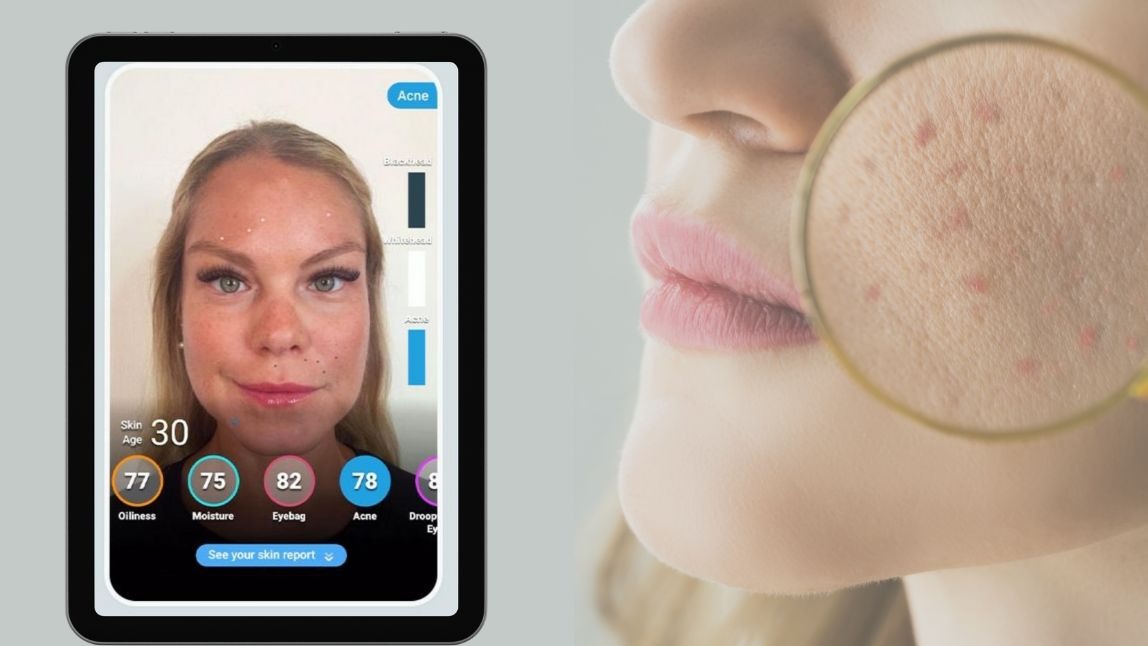
In modern aesthetic medicine, precision and personalization have become central to effective skin treatments. Traditional skin analysis methods—visual inspection or magnification with lamps—often fail to capture underlying concerns such as early pigmentation, sub-surface inflammation, or UV-induced damage. This gap between what the eye can see and what truly exists beneath the skin has driven the rise of advanced diagnostic tools.
AI-powered skin scanners represent a breakthrough in this space. By combining ultraviolet (UV) light, multi-spectrum imaging, and artificial intelligence, these devices offer practitioners an in-depth view of the skin that goes beyond surface-level observation. This article explores how AI skin scanners work, the problems they address, their advantages over traditional tools, and the ways they shape patient care in aesthetic clinics.
The Background: Why Surface-Level Assessment Falls Short
Conventional skin evaluation typically relies on a trained practitioner’s visual observation. While experience matters, human assessment is inherently limited. Subtle pigmentation, microvascular changes, or UV-related damage may remain invisible until they progress into noticeable skin concerns.
For patients, this often results in frustration: treatments may seem ineffective because underlying causes are left unaddressed. For clinics, reliance on visual inspection alone reduces the ability to customize treatment plans and track measurable progress.
The demand for more precise diagnostic methods has grown alongside consumer expectations for evidence-based skincare. This is where AI-enhanced skin scanners find their niche.
The Technology: How AI Skin Scanners Work
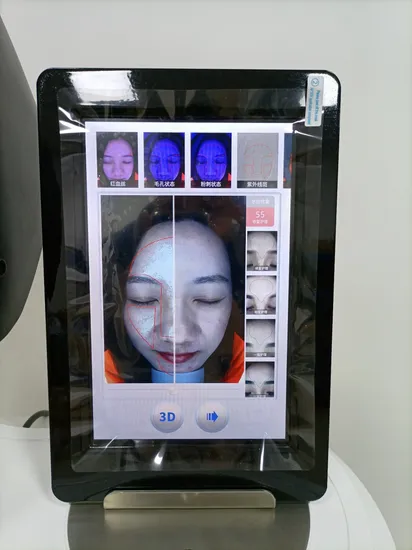
AI skin scanners integrate three major technologies:
-
UV and Polarized Light Imaging
UV light reveals pigmentation and sun damage hidden beneath the epidermis. Polarized light captures vascular networks and structural irregularities that normal light misses. -
High-Resolution Cameras
Multi-angle imaging provides a three-dimensional analysis of skin texture, pore size, wrinkles, and hydration distribution. -
Artificial Intelligence Algorithms
Machine learning models compare captured images against large dermatological datasets. The AI identifies abnormalities, quantifies severity, and generates a risk profile for potential future concerns.
By uniting these components, AI skin scanners provide both diagnostic accuracy and predictive insights.
Advantages Over Traditional Assessment
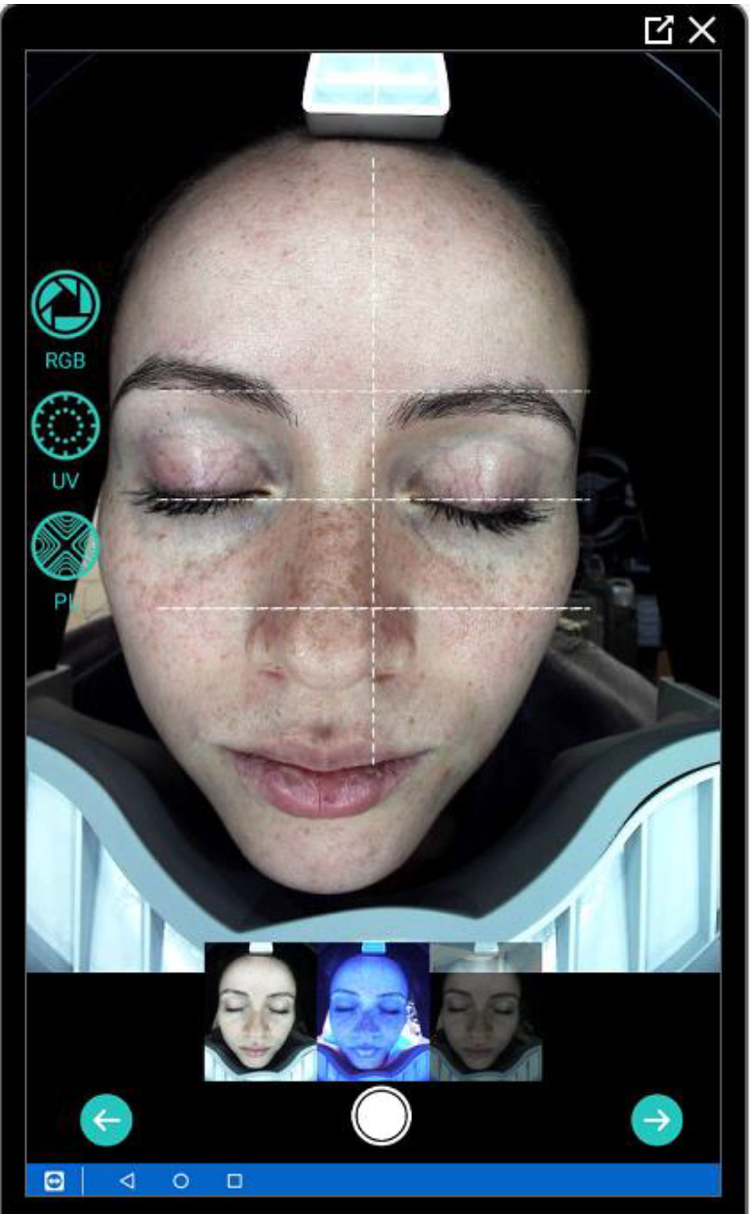
Compared with conventional diagnostic tools, AI skin scanners offer several advantages:
-
Early Detection: Identifies problems before they become clinically visible.
-
Data-Driven Precision: Reduces subjective bias by using quantified measurements.
-
Progress Tracking: Allows before-and-after comparisons, motivating patients and validating treatment success.
-
Personalization: Facilitates tailored treatment plans based on unique skin conditions.
-
Patient Education: Visual reports help patients understand invisible concerns, improving trust and compliance.
These advantages transform consultations into data-backed discussions, enhancing both clinical decision-making and patient confidence.
Applications in Aesthetic Clinics and Client Needs
AI skin scanners are increasingly integrated into multiple aspects of modern clinics:
-
Initial Consultation: Establishes baseline conditions and builds patient trust.
-
Treatment Planning: Helps practitioners recommend suitable therapies (e.g., laser, RF, cryotherapy).
-
Monitoring Progress: Tracks subtle changes, ensuring that interventions are effective.
-
Preventive Care: Identifies risks for sun damage, acne scarring, or premature aging before visible onset.
From the client’s perspective, there is a growing preference for transparency and measurable results. Patients want to see objective evidence, not just verbal reassurance. AI skin scanners meet this demand, bridging the gap between clinical expertise and patient expectations.
Market Trends and Clinical Value
The adoption of AI technologies in dermatology and aesthetics reflects a broader healthcare trend: integrating machine learning for precision diagnostics. Market research indicates rapid growth in AI-based diagnostic tools, particularly in Asia-Pacific, North America, and Europe.
Clinics using AI skin scanners differentiate themselves by offering evidence-based care. For patients, this increases trust and loyalty, while for practitioners, it supports better outcomes and clinic reputation.
As aesthetic practices evolve into technologically advanced care centers, AI-driven skin analysis is becoming a core element of client consultation and long-term skin health management.
Conclusion
AI skin scanners are more than diagnostic tools—they represent a paradigm shift in aesthetic medicine. By combining UV imaging, advanced cameras, and artificial intelligence, these devices uncover hidden skin concerns, guide personalized treatments, and improve patient-clinic communication. In a field where results and trust are paramount, AI skin scanners provide both scientific precision and practical value.
Founded in 2008, Guangzhou GLM Beauty Spa Equipment Factory specializes in research, development, manufacture and selling of beauty and slimming machines. Our production base is located in Guangzhou City, Guangdong Province, China. Since our foundation, we have introduced advanced technologies and equipment, to assure high quality and high performance of our products. With professional marketing guide and excellent after-sales service, our products have been exported to over 20 countries and regions, including Southeast Asia, the Middle East, Europe and the United States, won worldwide praises and gained a good reputation.