Introduction
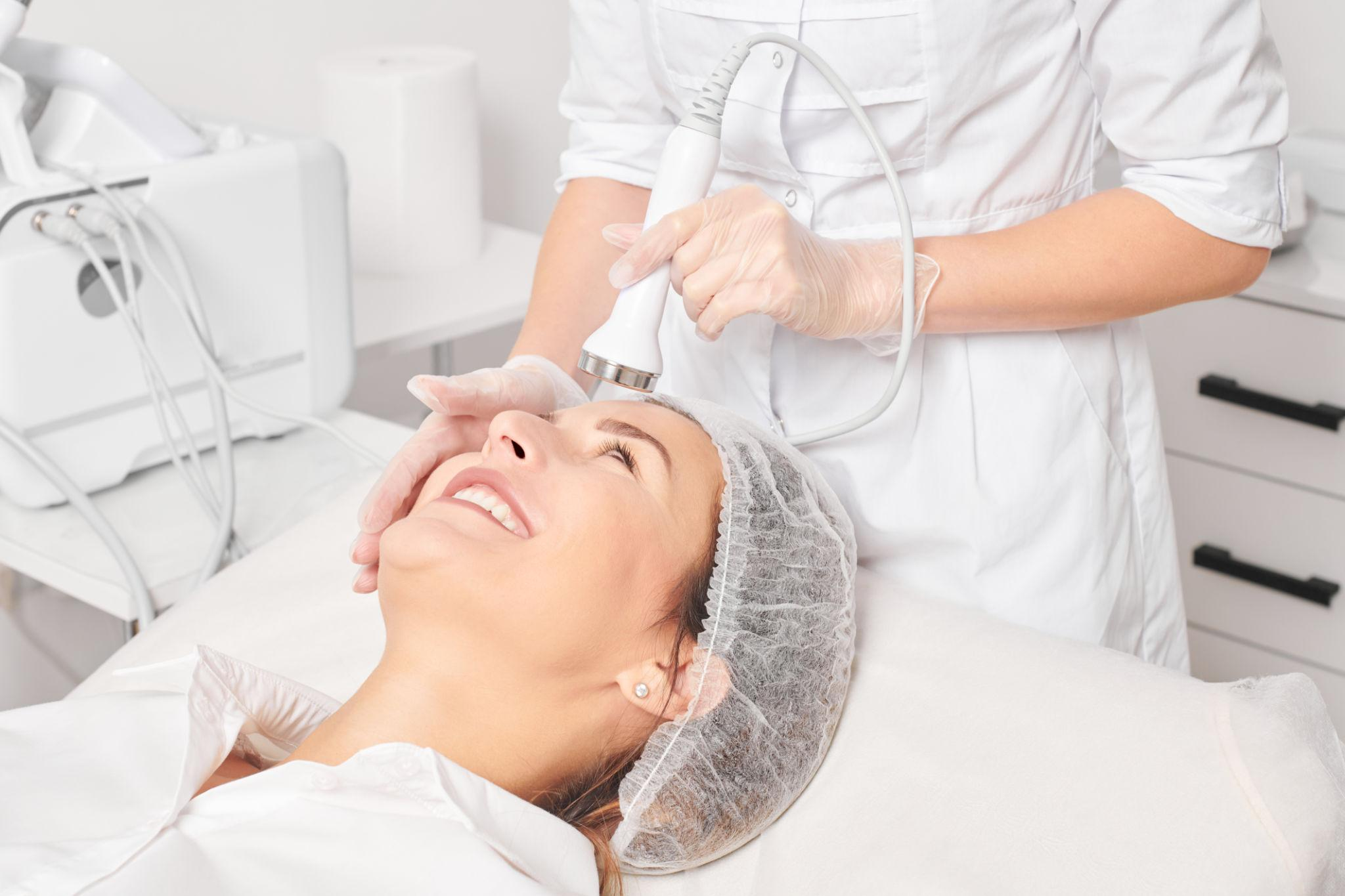
Ultrasound technology has become one of the most versatile and widely adopted modalities in modern aesthetic medicine and professional beauty treatments. From skin tightening and facial rejuvenation to body contouring and fat reduction, ultrasound-based devices are now common in medical spas, aesthetic clinics, and beauty centers worldwide.
However, many practitioners and clients focus primarily on treatment results while paying less attention to the underlying factors that determine those outcomes. Among the most critical parameters are ultrasound frequency and ultrasound intensity. These two variables significantly influence how ultrasound energy interacts with biological tissues, affecting treatment depth, thermal response, cellular stimulation, and ultimately the therapeutic effect.
Understanding the relationship between frequency, intensity, and tissue response allows professionals to select the appropriate treatment protocols and maximize both safety and efficacy. This knowledge is especially important for clinics investing in advanced ultrasound beauty equipment, where precision and customization can directly impact client satisfaction.
Background: Why Ultrasound Parameters Matter
Ultrasound refers to sound waves with frequencies above the range of human hearing, typically exceeding 20 kHz. In aesthetic and therapeutic applications, ultrasound waves are generated by specialized transducers that convert electrical energy into mechanical vibrations.
When these waves enter the skin and underlying tissues, they create various biological effects, including:
- Thermal heating
- Mechanical stimulation
- Increased circulation
- Enhanced cellular activity
- Tissue remodeling
- Collagen regeneration
While ultrasound technology may appear straightforward, treatment outcomes depend heavily on how the energy is delivered. Two devices using the same technology can produce very different results if their frequency and intensity settings differ.
For professional practitioners, understanding these parameters is essential because different treatment goals require different tissue interactions. For example:
- Deep fat reduction requires energy penetration into subcutaneous tissue.
- Skin rejuvenation focuses on stimulating collagen within the dermis.
- Muscle recovery treatments target soft tissue healing.
- High-intensity focused ultrasound (HIFU) treatments require precise thermal coagulation points.
Therefore, selecting the correct frequency and intensity is not simply a technical consideration—it is a clinical decision that influences treatment success.
Technology and Mechanism: How Frequency and Intensity Influence Therapeutic Effects
Understanding Ultrasound Frequency
Frequency refers to the number of sound wave cycles generated per second and is measured in megahertz (MHz).
In aesthetic applications, commonly used frequencies include:
- 1 MHz
- 3 MHz
- 5 MHz
- 7 MHz
- 10 MHz and above
Low-Frequency Ultrasound: Deeper Penetration
Lower frequencies generally penetrate deeper into tissue.
For example:
| Frequency | Approximate Penetration Depth |
|---|---|
| 1 MHz | 3–5 cm |
| 3 MHz | 1–2 cm |
| 7 MHz | Superficial dermis |
| 10 MHz+ | Epidermal layers |
Because low-frequency ultrasound travels deeper, it is often utilized for:
- Body contouring
- Fat reduction
- Cellulite treatments
- Deep tissue therapy
- Muscle recovery applications
In professional body sculpting systems, lower frequencies help deliver energy into deeper adipose tissue where fat metabolism and contouring effects are desired.
High-Frequency Ultrasound: Precise Superficial Treatment
Higher frequencies provide more focused treatment within superficial skin layers.
These frequencies are commonly used for:
- Facial rejuvenation
- Skin tightening
- Fine line reduction
- Collagen stimulation
- Anti-aging procedures
Since high-frequency waves are absorbed more quickly, they create concentrated biological effects within the dermis without excessively affecting deeper tissues.
This precision is particularly valuable in facial treatments where practitioners seek to improve skin quality while minimizing unnecessary tissue heating.
Understanding Ultrasound Intensity
Intensity describes the amount of ultrasound energy delivered per unit area and is usually measured in watts per square centimeter (W/cm²).
Intensity determines the strength of the biological response.
Generally, ultrasound intensity can be categorized into:
Low Intensity
Low-intensity ultrasound generates mild mechanical stimulation with limited thermal effects.
Benefits may include:
- Enhanced microcirculation
- Improved lymphatic drainage
- Reduced inflammation
- Accelerated tissue recovery
These settings are often used in therapeutic and post-treatment recovery protocols.
Moderate Intensity
Moderate intensity creates a balance between thermal and mechanical effects.
Applications include:
- Skin revitalization
- Collagen activation
- Improved product penetration
- General anti-aging treatments
Many professional facial ultrasound systems operate within this range because it provides noticeable results while maintaining excellent comfort.
High Intensity
High-intensity ultrasound produces significant thermal effects within targeted tissue layers.
Applications include:
- HIFU skin tightening
- SMAS lifting
- Fat cell disruption
- Tissue coagulation
At these levels, tissue temperatures can rise sufficiently to trigger controlled collagen denaturation and remodeling processes.
This mechanism forms the basis of many non-invasive lifting and contouring procedures performed in aesthetic clinics.
The Interaction Between Frequency and Intensity
Frequency and intensity should never be viewed independently.
Their combined effect determines:
- Penetration depth
- Energy absorption
- Thermal generation
- Mechanical stimulation
- Treatment precision
For example:
Low Frequency + High Intensity
This combination is commonly used for body contouring and fat reduction.
Advantages include:
- Deep energy delivery
- Enhanced adipose tissue targeting
- Greater thermal effect in subcutaneous layers
Professional cavitation and body sculpting systems frequently utilize this approach.
High Frequency + Moderate Intensity
This combination is ideal for facial rejuvenation.
Benefits include:
- Controlled dermal stimulation
- Enhanced collagen production
- Reduced risk of overheating deeper structures
Many premium anti-aging devices are designed around these parameters.
Focused Ultrasound Systems
Advanced HIFU platforms represent a sophisticated example of optimizing both frequency and intensity.
By concentrating high-intensity ultrasound energy at precise depths, these systems can:
- Stimulate collagen contraction
- Trigger neocollagenesis
- Improve facial lifting
- Tighten loose skin
Without damaging surrounding tissue.
Advantages of Professional Ultrasound Equipment Compared with Home Devices
As consumer beauty devices become increasingly popular, many clients wonder whether home-use ultrasound systems can provide results similar to professional treatments.
The answer largely depends on energy delivery capability.
Greater Energy Precision
Professional systems offer:
- Adjustable frequencies
- Multiple treatment depths
- Accurate energy control
- Customized protocols
Home devices typically operate at fixed parameters for safety reasons.
Stronger Therapeutic Effects
Clinical-grade equipment can achieve energy levels sufficient to stimulate significant biological responses.
Examples include:
- Dermal remodeling
- Deep collagen regeneration
- Fat layer targeting
- SMAS tightening
These outcomes generally exceed what home-use devices can safely deliver.
Enhanced Treatment Customization
Professional practitioners can tailor frequency and intensity according to:
- Skin thickness
- Age
- Treatment goals
- Body area
- Tissue condition
This personalization often leads to more predictable and effective outcomes.
Applications Based on Client Needs
Different clients require different ultrasound treatment strategies.
Skin Laxity and Aging Concerns
Clients experiencing:
- Fine lines
- Wrinkles
- Sagging skin
May benefit from higher-frequency treatments designed to stimulate collagen production within the dermis.
Facial Lifting Requirements
For clients seeking non-surgical lifting effects, focused ultrasound technologies can target deeper structural layers responsible for skin support.
Body Contouring Goals
Individuals interested in:
- Waist shaping
- Abdomen contouring
- Thigh reduction
May benefit from lower-frequency systems capable of reaching subcutaneous fat tissue.
Post-Treatment Recovery
Low-intensity ultrasound can support:
- Circulation improvement
- Tissue healing
- Recovery optimization
Making it a valuable addition to comprehensive aesthetic treatment plans.
Comprehensive Anti-Aging Programs
Many modern clinics combine multiple ultrasound frequencies and intensities within a single treatment strategy.
This layered approach allows practitioners to address:
- Surface skin quality
- Dermal collagen
- Deep structural support
Resulting in more comprehensive rejuvenation outcomes.
Conclusion
The therapeutic effectiveness of ultrasound treatments depends largely on two fundamental parameters: frequency and intensity. Frequency determines how deeply ultrasound energy penetrates the tissue, while intensity influences the strength of the biological response.
Lower frequencies generally provide deeper penetration suitable for body contouring and fat reduction, whereas higher frequencies are ideal for superficial skin rejuvenation and collagen stimulation. Likewise, intensity levels dictate whether treatments focus on gentle stimulation, tissue remodeling, or targeted thermal coagulation.
For aesthetic clinics, medical spas, and professional beauty centers, understanding these principles is essential for selecting the right equipment and developing effective treatment protocols. Modern ultrasound beauty systems offer the flexibility to customize frequency and intensity settings, enabling practitioners to deliver personalized treatments that maximize both safety and results.
As demand for non-invasive aesthetic procedures continues to grow, advanced ultrasound technologies remain a cornerstone of professional beauty treatments, providing reliable solutions for skin tightening, rejuvenation, body sculpting, and overall aesthetic enhancement
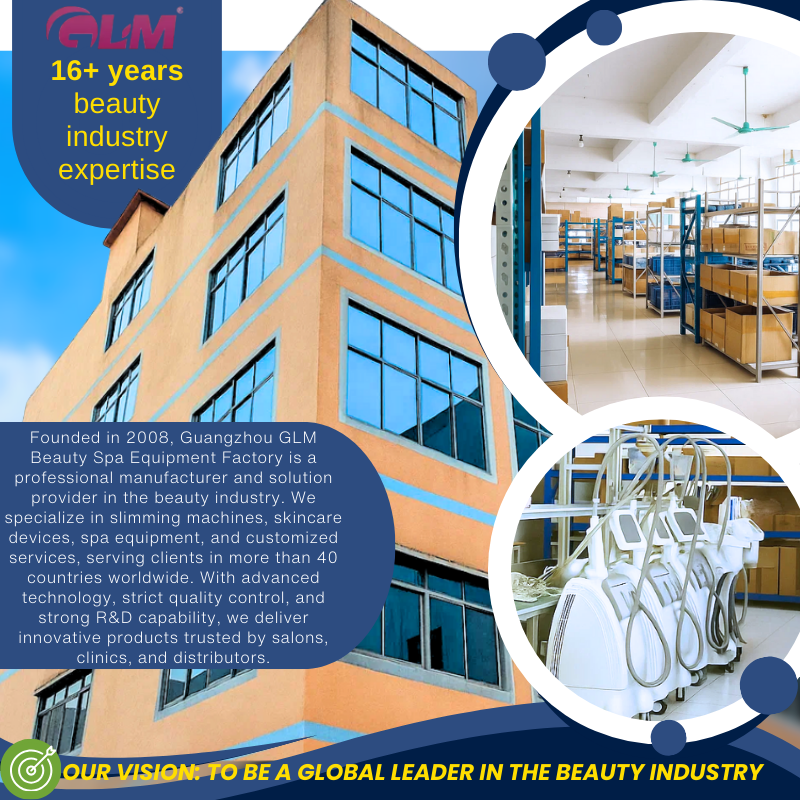
Founded in 2008, Guangzhou GLM Beauty Spa Equipment Factory specializes in research, development, manufacture and selling of beauty and slimming machines. Our production base is located in Guangzhou City, Guangdong Province, China. Since our foundation, we have introduced advanced technologies and equipment, to assure high quality and high performance of our products. With professional marketing guide and excellent after-sales service, our products have been exported to over 20 countries and regions, including Southeast Asia, the Middle East, Europe and the United States, won worldwide praises and gained a good reputation