How does cavitation work?
Ultrasonic cavitation technology utilizes the unique properties of ultrasound to efficiently break down fat cells.
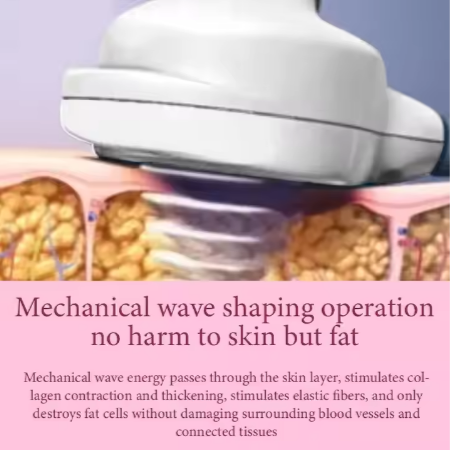
Ultrasonic energy penetrates deep into the skin, triggering the formation of microbubbles inside fat cells that rapidly oscillate. These oscillations eventually cause the fat cell to rupture, and its contents (such as triglycerides) are released from the ruptured cell and into the surrounding interstitial space.
The body's lymphatic system then recognizes these released fatty acids as waste and initiates the natural elimination process. The lymphatic system trantranks these fat molecules to the liver for further processing and metabolism, and eventually excretes them through normal excretion mechanisms.
This process not only achieves fat reduction, but also promotes the body's overall metabolism and detoxification functions.
Basic principles of cavitation
Cavitation occurs when the pressure of a liquid drops below its vapor pressure, at which point vapor or gas cavities, called bubbles, form inside the liquid. These bubbles then expand and eventually burst, resulting in a locally high-energy shock wave.
Cavitation phenomena can be divided into two categories according to the speed of bubble rupture: inertial cavitation and non-inertial cavitation.
Ultrasonic cavitation is a key type of cavitation that uses ultrasonic vibration to apply periodic pressure changes to a liquid medium. This pressure change causes bubbles to form and burst, which in turn produces unique physical effects. In the process of ultrasonic cavitation, ultrasonic energy is effectively transferred to the liquid, resulting in periodic expansion and contraction of the bubble until it finally bursts, releasing a high-energy shock wave.
Understanding ultrasound
You may have heard of ultrasound, but you may not know much about its nature and its applications in many fields. To help you better understand this concept, let's start with the basics of sound waves.
Sound waves, in short, are vibrations with a certain frequency that can travel through a variety of media such as water, air and solids. Ultrasound is also a type of sound wave, but its frequency is far beyond the upper limit of human hearing, which is usually set at 20kHz (kilohertz) or 20,000Hz. Therefore, ultrasound is a sound that we cannot pick up with our ears.
The main difference between ultrasound and other sound waves is that its vibration frequency is significantly increased. This high frequency vibration gives ultrasound a series of unique properties, making it widely used in many fields.
First, because ultrasound has a relatively short wavelength, it has a strong penetration ability, can easily travel through solids, liquids and even gases (except, of course, vacuum). This feature makes ultrasound play a great role in non-destructive testing, medical diagnosis and other fields.
Secondly, the energy density of ultrasound is high, which can maintain a relatively stable energy level in the process of long-distance transmission and is not easy to decay. This advantage makes ultrasound play an important role in remote communication, underwater detection and other fields.
Moreover, the propagation speed of ultrasound in the medium is closely related to the density of the medium, and it usually propagates faster in the medium with higher density. This characteristic provides strong support for the application of ultrasonic wave in materials science, geological exploration and other fields.
In addition, when the ultrasonic wave passes through the object, it is accompanied by a strong thermal effect, which is caused by the intermolecular friction caused by the vibration of the acoustic wave. This thermal effect has been widely used in ultrasonic welding, cleaning and other fields.
At the same time, ultrasound will also produce compression and sparsity in the medium, that is, the propagation of sound waves will lead to periodic changes in the density of the medium. This phenomenon provides an important basis for the study of ultrasonic wave in the fields of fluid mechanics and acoustic measurement.
Finally, ultrasound can also produce a strong vibration effect in low-viscosity liquids, which makes it unique in the field of liquid processing, emulsification and other applications.
The mechanism of ultrasonic cavitation
How exactly does ultrasonic cavitation work? This mechanism involves high-frequency sound waves above 20,000 Hertz, a process known as ultrasonic processing. When the ultrasonic wave passes through the medium, it causes the rapid compression and expansion of the medium, resulting in a series of pressure fluctuations within the medium. These pressure fluctuations in turn trigger the formation of steam bubbles. In the low pressure phase of ultrasound, the bubble can further develop and oscillate; When entering the high pressure stage, the bubble will burst sharply. Bubbles burst because they grow to a certain size, beyond the range where they can remain stable. The moment the bubble collapses, it will produce a strong shock wave, which in the organism may cause damage to neighboring structures or cells.
So, does ultrasonic cavitation help reduce fat? The answer is yes. Understanding the specific process of ultrasonic cavitation helps us to better understand its application in fat reduction.
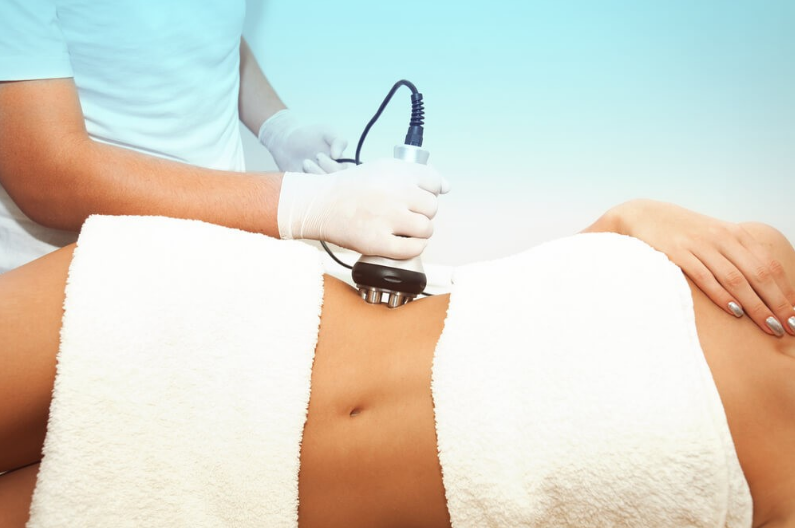
During the non-invasive ultrasonic cavitation body shaping process, the ultrasonic transducer acts on the target fat cells. Through the cavitation bubbles that are created and burst, the ultrasound puts pressure on the fat cells, causing the cells to rupture and destroy the lipid contents within them. These destroyed lipids are then gradually eliminated from the body through the body's natural metabolism and excretion processes. This procedure achieves an effective reduction of fat while avoiding the risks and discomfort associated with surgery.
Cavitation bubbles and their behavior
In the fine operation of ultrasonic processing technology, the cavitation bubble is a key element, and its size is extremely small, usually between a few millimeters and a few nanometers, far beyond the scope of the naked eye.
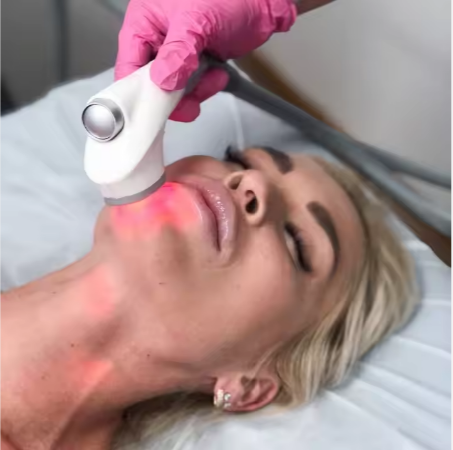
These tiny bubbles are formed when the medium undergoes rapid and violent pressure fluctuations induced by ultrasound. With the periodic action of ultrasonic waves, bubbles undergo a complete process of formation, expansion and finally collapse.
It is worth noting that the bursting of the cavitation bubble is an extremely rapid and highly concentrated event. At this moment, the temperature and pressure inside the bubble rise sharply, accompanied by a strong release of energy. In the process of rupture, the local area will produce significant heat accumulation, small jet and strong shock wave and other physical effects.
These forms of energy generated by the bursting of cavitation bubbles, namely local heat, microjets and shock waves, constitute the core power of ultrasonic cavitation process. It is these unique energy outputs that make ultrasonic cavitation show extraordinary value and potential in many application fields
What happens during ultrasonic cavitation?
Ultrasonic cavitation is a complex but efficient process, and its working principle is worth further understanding.
Before ultrasound cavitation therapy is performed, the treatment area needs to be thoroughly disinfected first, usually using alcohol as a disinfectant. Next, a professional uses a handheld ultrasound device to slowly and carefully scan the target area of your body.
During this process, you may hear the characteristic hum of the ultrasonic device, which is the sound produced when the ultrasonic wave travels through the medium and creates cavitation bubbles. These cavitation bubbles will undergo the process of formation, expansion and rapid collapse under the action of ultrasonic waves, releasing strong energy.
The treatment usually lasts from 40 minutes to an hour, depending on the size of the treatment area and the desired therapeutic effect.
It should be noted that ultrasonic cavitation therapy is a non-invasive method that uses the physical effects of ultrasound to stimulate and change the tissue, thus achieving the purpose of treatment. Therefore, you do not need to worry about any trauma or pain during the treatment process.
Common target areas for ultrasonic cavitation include:
Stomach (used to promote digestion, reduce fat accumulation, etc.)
Buttocks (designed to firm skin and reduce cellulite)
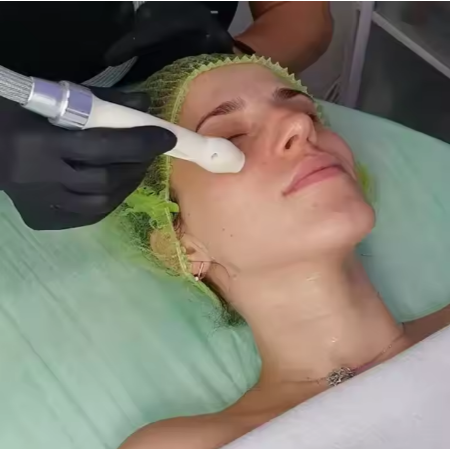
Face (used to improve skin texture and reduce fine lines and wrinkles)
Neck (helps tighten skin and reduce sagging)
Upper arms (for reducing bye meat and creating tight lines)
Thigh area (effectively reduce thigh fat and create long and slender legs)
These areas are common applications of ultrasonic cavitation technology in beauty, shaping and health treatments. By targeting these specific areas for treatment, ultrasonic cavitation can help improve body shape, improve skin quality, and promote overall health.
Side effects and effects of ultrasonic cavitation
For most people, ultrasonic cavitation is seen as a relatively low-risk non-invasive treatment. However, it can also be accompanied by some common side effects, including but not limited to:
Redness of the skin: After treatment, there may be a slight redness in the treated area.
Bruising: In some cases, minor bruising or bleeding spots under the skin may appear after treatment.
Headache: A very small number of patients may experience mild headache discomfort after treatment.
Skin irregularities: After the breakdown of fat, if the skin is not evenly absorbed, there may be skin irregularities such as lumps, bumps or dents. But thankfully, these skin problems can usually be gradually improved with follow-up treatment or natural recovery.
Regarding the effects of ultrasonic cavitation therapy, the following points are worth noting:
Time to effect: Do not expect to see significant results immediately after treatment. Because your body needs time to break down and metabolize the fat cells that have been shed.
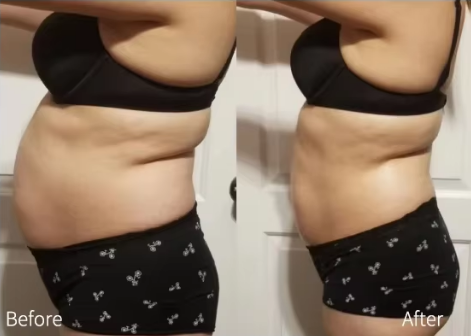
Repeat treatment: In order to see more significant results, you may need to undergo multiple repeat treatments. Most patients who receive this treatment will gradually see final results over a period of six to 12 weeks, while on average, it may take one to three treatments before significant changes are observed.
Permanent effects: As long as you maintain a healthy diet and regular exercise, the effects of ultrasound cavitation therapy are usually permanent. However, if you are sedentary for a long time, there is still a chance that fat deposits will reappear in the treated area.
The wide application of ultrasonic cavitation
Exploring further, we will discover the diverse applications of ultrasonic cavitation in different fields that take full advantage of the powerful energy released when the cavitation bubble bursts.
Ultrasonic cleaning: This is an extremely common application of the ultrasonic cavitation mechanism. During the cleaning process, the cavitation bubbles generated by ultrasound release huge energy when they break, and these energies are like tiny scrubbers, which can deeply clean the tiny gaps on the surface of the object and thoroughly wash away impurities and loose substances. This method is not only efficient, but also can avoid the damage that may be caused by traditional cleaning methods.
Acoustochemistry: Acoustochemistry is a field that specializes in the study of how ultrasonic waves can be used to enhance or alter chemical reactions. In the acoustochemical reaction, the energy of ultrasonic cavitation bubbles plays a crucial role. These energies can improve the emulsification process, catalyze the reaction, and trigger unique phenomena such as sonoluminescence, thereby accelerating the rate of chemical reactions and increasing the reaction efficiency.
Therapeutic applications: Ultrasound has also shown a wide range of application prospects in the field of therapy. Among them, the use of ultrasonic cavitation mechanism to reduce weight, reduce adipose tissue and store fat in the body is a technology that has attracted much attention. This technique does not require surgery, and through the action of ultrasound, it can effectively destroy fat cells and promote their decomposition and metabolism. Ultrasound also plays an important role in ultrasound imaging, breaking up kidney stones, and administering targeted drugs. These applications not only improve the efficiency and quality of medical services, but also bring a more comfortable and safe treatment experience to patients.
Founded in 2008, Guangzhou GLM Beauty Spa Equipment Factory specializes in the development, manufacturing and sales of beauty slimming machines. Our production base is located in Guangzhou, Guangdong Province, China.
Since its establishment, we have introduced advanced technology and equipment to ensure the high quality and high performance of our products. With professional marketing guidance and quality after-sales service, our products have been exported to 20 countries and regions including Southeast Asia, the Middle East, Europe and the United States, winning worldwide praise and gaining a good reputation