Introduction
Healthy skin is inseparable from healthy circulation. In professional aesthetic practice, many visible skin concerns—such as dull tone, uneven texture, slow recovery, sensitivity, and premature aging—are closely linked to impaired blood flow and reduced oxygen supply. As clients become more informed, they are increasingly aware that true skin improvement does not come solely from topical products, but from technologies that can influence deeper physiological processes.
Infrared therapy has gained strong recognition in professional beauty salons, dermatology clinics, and medical aesthetic centers precisely because of its ability to improve skin circulation safely and effectively. Unlike invasive procedures or aggressive resurfacing techniques, infrared energy works gently yet deeply, stimulating the skin’s natural metabolic and regenerative functions. This makes it particularly attractive for long-term skin health management rather than short-term cosmetic correction.
In modern aesthetic equipment, infrared therapy is rarely used in isolation. It is commonly integrated into multifunctional beauty machines, combined with radiofrequency, vacuum massage, LED, or body contouring technologies. Its role is often subtle but foundational—preparing the skin, enhancing treatment response, and accelerating recovery. For professional operators, understanding how infrared therapy improves circulation is essential for designing effective treatment protocols and delivering consistent, visible results.
This article explores the science behind infrared therapy, explains how it improves skin circulation, and highlights why it has become a valuable component in professional aesthetic treatments across facial and body applications.
Background / Problem
Poor skin circulation is a widespread yet often underestimated problem in aesthetic practice. Factors such as aging, chronic stress, sedentary lifestyles, environmental exposure, and reduced physical activity can all impair microcirculation. When blood flow slows, skin cells receive less oxygen and fewer nutrients, while metabolic waste products accumulate more easily. The result is skin that appears dull, tired, uneven, and slow to regenerate.
From a professional perspective, inadequate circulation also limits the effectiveness of many aesthetic treatments. Technologies designed to stimulate collagen, reduce fat, or improve skin texture rely on the body’s natural healing and metabolic responses. If circulation is weak, these processes are slower and less efficient, leading to delayed or suboptimal results. Clients may feel that treatments “work, but too slowly,” or that results are difficult to maintain.
Traditional solutions such as manual massage or topical warming products can temporarily improve circulation, but their effects are often superficial and short-lived. They depend heavily on operator technique and client compliance, and they rarely reach deeper tissue layers consistently. In contrast, professional infrared therapy offers a controlled, repeatable, and non-invasive method to stimulate circulation at both surface and deeper levels.
As aesthetic clients increasingly seek treatments that are comfortable, safe, and supportive of long-term skin health, infrared therapy has emerged as a solution that addresses a fundamental biological need rather than a single cosmetic symptom. This shift explains why infrared technology has become a standard feature in many advanced beauty devices used in clinics and salons worldwide.
Technology / Mechanism
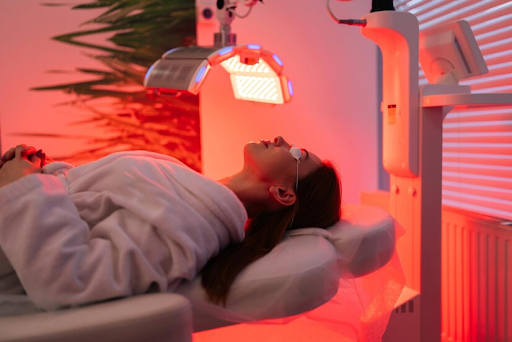
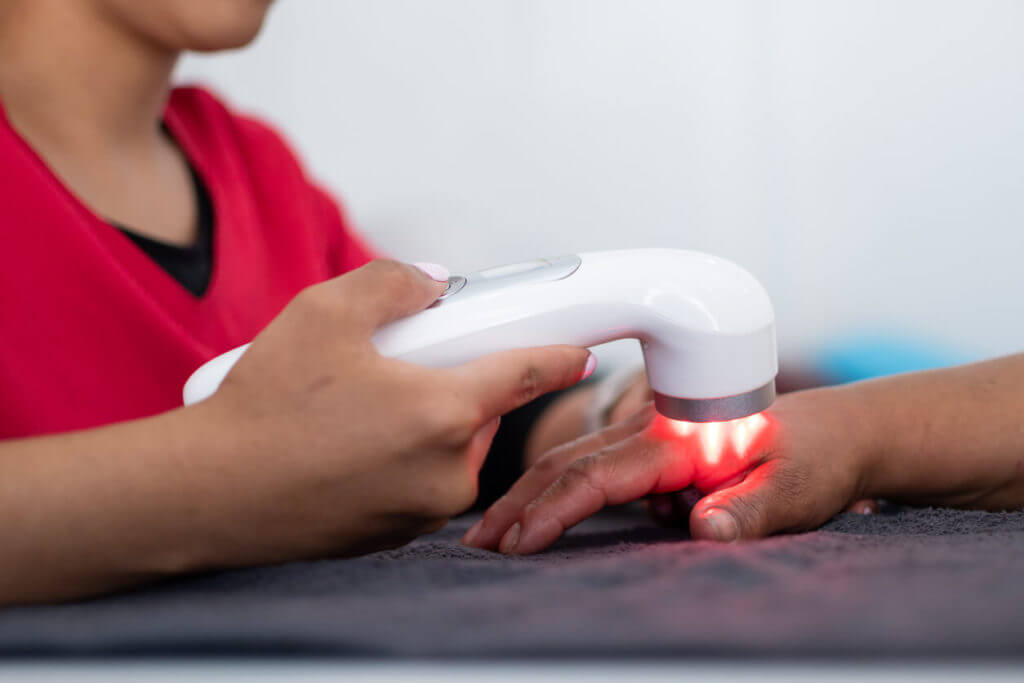
Infrared therapy works by delivering electromagnetic energy within the infrared spectrum, which lies just beyond visible light. In aesthetic applications, far-infrared and near-infrared wavelengths are most commonly used due to their ability to penetrate the skin without damaging the surface.
When infrared energy reaches the skin, it is absorbed by water molecules and chromophores within the tissue, converting light energy into gentle heat. This controlled thermal effect causes blood vessels to dilate, a process known as vasodilation. As vessels expand, blood flow increases, allowing more oxygen and nutrients to reach skin cells while accelerating the removal of metabolic waste.
Improved circulation also enhances cellular metabolism. Mitochondria—the energy-producing structures within cells—respond positively to infrared stimulation, increasing ATP production. This supports faster cell repair, improved barrier function, and healthier overall skin activity. Over time, these effects contribute to brighter tone, improved elasticity, and stronger resistance to environmental stress.
Unlike high-energy lasers, infrared therapy does not rely on ablation or controlled injury. Instead, it activates the body’s natural regulatory systems. This makes it suitable for a wide range of skin types and conditions, including sensitive or compromised skin. In professional devices, infrared intensity, duration, and treatment area can be precisely controlled, ensuring consistent results and high safety standards.
When integrated into multifunctional beauty equipment, infrared therapy often serves as a preparatory or supportive technology. By warming tissue and improving circulation, it enhances the effectiveness of subsequent treatments such as RF skin tightening, vacuum massage, cavitation, or facial cleansing systems.
Advantages / Comparison
One of the key advantages of infrared therapy is its ability to improve circulation without discomfort or downtime. Clients typically experience a pleasant warming sensation rather than pain or irritation, making treatments easy to tolerate and suitable for regular sessions.
Compared to manual massage, infrared therapy delivers more consistent and deeper thermal stimulation. While massage depends on pressure and technique, infrared energy reaches tissue uniformly, regardless of operator strength. This consistency is especially valuable in professional environments where standardized treatment quality is essential.
When compared to more aggressive technologies such as ablative lasers, infrared therapy offers a gentler alternative. It does not disrupt the skin barrier or require recovery time, making it ideal for clients who want gradual improvement or supportive care between intensive treatments. For clinics, this expands the range of clients who can safely receive treatment.
Infrared therapy also complements other aesthetic technologies rather than competing with them. In RF-based treatments, improved circulation enhances collagen remodeling. In body contouring, better blood flow supports fat metabolism and lymphatic drainage. In post-treatment recovery, infrared energy can help reduce swelling and accelerate tissue repair.
Professional infrared systems are significantly more effective than consumer-level warming devices. Home products often lack sufficient power or precise wavelength control to produce meaningful circulatory changes. In contrast, clinic-grade equipment allows practitioners to tailor parameters based on treatment goals, anatomical area, and client sensitivity.
From a business perspective, infrared therapy adds value to treatment packages. It enhances outcomes, improves client comfort, and supports long-term skin health, increasing satisfaction and retention.
Applications / Client Needs
Infrared therapy is widely used in both facial and body treatments due to its versatility and safety.
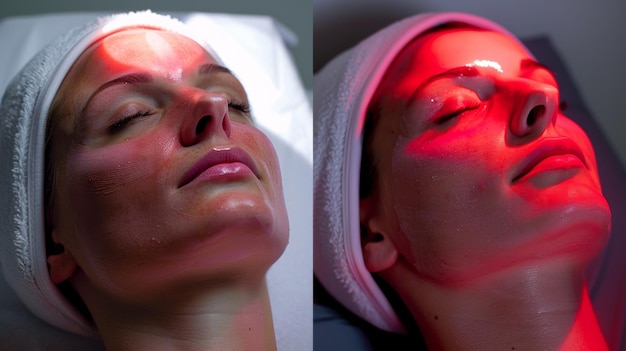
In facial applications, it is commonly used to improve dull skin, uneven tone, and early signs of aging. Clients with poor circulation often present with cold skin, slow healing, or increased sensitivity. Infrared treatments help restore warmth and vitality, making the skin more receptive to serums, masks, and device-based procedures.
Infrared therapy is also beneficial for clients undergoing anti-aging or skin tightening treatments. By improving blood flow, it supports collagen synthesis and enhances the longevity of results. Many professional protocols include infrared as a pre-treatment step to prepare tissue or as a post-treatment step to promote recovery.
In body treatments, infrared therapy is frequently used in conjunction with slimming, shaping, and cellulite reduction technologies. Improved circulation supports fat metabolism and lymphatic movement, contributing to smoother texture and more even contours. Clients often report a sensation of lightness and relaxation after treatment, which enhances overall satisfaction.
From a client perspective, infrared therapy appeals to those who prefer non-invasive, wellness-oriented solutions. It is particularly suitable for maintenance programs, seasonal skin revitalization, and clients who are not candidates for aggressive procedures. For salons and clinics, this creates opportunities to offer recurring treatments and holistic care plans rather than one-time interventions.
Conclusion
Infrared therapy improves skin circulation by working with the body’s natural physiological systems rather than forcing rapid change. Through gentle thermal stimulation, it enhances blood flow, oxygen delivery, and cellular metabolism—key factors in skin health, repair, and resilience.
For professional beauty salons and aesthetic clinics, infrared therapy is not just an optional feature but a strategic tool. It supports other technologies, improves treatment outcomes, and expands the range of clients who can safely and comfortably receive care. Its non-invasive nature and cumulative benefits make it especially valuable in long-term skin management programs.
As the aesthetic industry continues to shift toward smarter, integrated, and health-oriented technologies, infrared therapy stands out as a foundational solution. When applied with professional equipment and proper protocols, it helps transform circulation into visible skin vitality—proving that sometimes the most effective results come from working in harmony with the body.
Founded in 2008, Guangzhou GLM Beauty Spa Equipment Factory specializes in research, development, manufacture and selling of beauty and slimming machines. Our production base is located in Guangzhou City, Guangdong Province, China. Since our foundation, we have introduced advanced technologies and equipment, to assure high quality and high performance of our products. With professional marketing guide and excellent after-sales service, our products have been exported to over 20 countries and regions, including Southeast Asia, the Middle East, Europe and the United States, won worldwide praises and gained a good reputation.