Introduction
The demand for non-surgical facial rejuvenation continues to grow as more clients seek natural-looking results without the downtime associated with invasive procedures. While dermal fillers have long been one of the most popular aesthetic treatments worldwide, a newer approach known as bio-remodelling is rapidly gaining attention among aesthetic practitioners, clinics, and patients alike.
At first glance, bio-remodelling and dermal fillers may appear similar. Both involve injectable treatments, both aim to combat signs of aging, and both can improve facial appearance. However, their mechanisms, treatment goals, and outcomes are fundamentally different.
For professional aesthetic clinics and beauty centers, understanding these differences is essential when developing personalized treatment plans and integrating advanced skin rejuvenation technologies into comprehensive anti-aging programs.
In this article, we will explore how bio-remodelling differs from dermal fillers, examine the science behind each treatment, and discuss how professional aesthetic devices can further enhance treatment outcomes.
Background: Why Traditional Anti-Aging Approaches Are Evolving
Facial aging is a complex process involving multiple structural changes beneath the skin.
As we age, several biological factors contribute to visible aging:
- Reduced collagen production
- Decreased elastin levels
- Loss of skin hydration
- Fat compartment shrinkage
- Bone resorption
- Reduced cellular regeneration
- Skin laxity and texture deterioration
Historically, dermal fillers became popular because they effectively replaced lost volume and restored youthful facial contours.
However, many modern patients are no longer looking for dramatic transformations. Instead, they want:
- Natural-looking rejuvenation
- Improved skin quality
- Better hydration
- Firmer skin
- Prevention of future aging
This shift has led to the emergence of bio-remodelling treatments that focus on skin regeneration rather than simply filling wrinkles.
What Are Dermal Fillers?
Dermal fillers are injectable substances designed primarily to restore volume, enhance contours, and smooth deep wrinkles.
Most modern fillers are based on hyaluronic acid (HA), a naturally occurring molecule that attracts and retains water.
Common treatment areas include:
- Lips
- Cheeks
- Jawline
- Chin
- Nasolabial folds
- Marionette lines
- Under-eye hollows
The primary purpose of fillers is structural correction.
Practitioners strategically place filler material beneath the skin to:
- Restore facial volume
- Improve symmetry
- Enhance facial proportions
- Reduce deep folds and creases
Results are usually visible immediately and can last from several months to over a year depending on the product used.
What Is Bio-Remodelling?
Bio-remodelling represents a different philosophy in facial rejuvenation.
Rather than creating volume, bio-remodelling treatments aim to improve the quality and function of the skin itself.
These treatments typically use highly purified hyaluronic acid formulations that spread evenly throughout the tissue rather than remaining localized like traditional fillers.
Once injected, the product stimulates biological processes that encourage:
- Collagen production
- Elastin synthesis
- Tissue repair
- Skin hydration
- Cellular regeneration
Instead of changing facial shape, bio-remodelling improves skin health from within.
Patients often notice:
- Improved skin firmness
- Better elasticity
- Increased hydration
- Reduced crepiness
- Enhanced skin texture
- Natural radiance
The result is often described as looking refreshed, healthier, and younger without appearing "treated."
The Science Behind Bio-Remodelling
One of the most exciting aspects of bio-remodelling is its regenerative mechanism.
Unlike fillers that occupy space beneath the skin, bio-remodelling products act as biostimulators.
Following injection, the high concentration of hyaluronic acid interacts with fibroblasts—the cells responsible for producing collagen and elastin.
This process helps stimulate:
Neocollagenesis
The formation of new collagen fibers.
Elastogenesis
The production of elastin proteins that improve skin elasticity.
Tissue Remodeling
The gradual improvement of dermal structure and skin architecture.
Hydration Enhancement
Hyaluronic acid attracts water molecules, improving skin moisture levels and creating a healthier environment for cellular activity.
Over time, the skin becomes stronger, firmer, and more resilient.
Bio-Remodelling vs Dermal Fillers: Key Differences
1. Treatment Objective
Dermal Fillers
Focus on restoring lost volume and reshaping facial contours.
Bio-Remodelling
Focuses on improving skin quality and stimulating regeneration.
2. Injection Placement
Dermal Fillers
Injected precisely into specific areas requiring volume correction.
Bio-Remodelling
Injected at carefully selected points to allow broad diffusion throughout the tissue.
3. Results
Dermal Fillers
Immediate volume enhancement and contour correction.
Bio-Remodelling
Gradual improvement in skin quality over several weeks.
4. Appearance
Dermal Fillers
Can visibly alter facial structure.
Bio-Remodelling
Maintains natural facial features while enhancing skin health.
5. Ideal Candidates
Dermal Fillers
Individuals with volume loss or facial contour deficiencies.
Bio-Remodelling
Individuals experiencing:
- Early aging signs
- Skin laxity
- Dehydration
- Fine lines
- Dull complexion
Why Professional Clinics Often Combine Both Approaches
Rather than choosing between the two treatments, many leading aesthetic clinics use a combination approach.
A patient may benefit from:
- Dermal fillers for structural support
- Bio-remodelling for skin quality enhancement
- Energy-based devices for collagen stimulation
This multi-layered strategy addresses both the causes and symptoms of aging.
As a result, practitioners can create more balanced and longer-lasting outcomes.
The Growing Role of Aesthetic Technology in Skin Bio-Remodelling
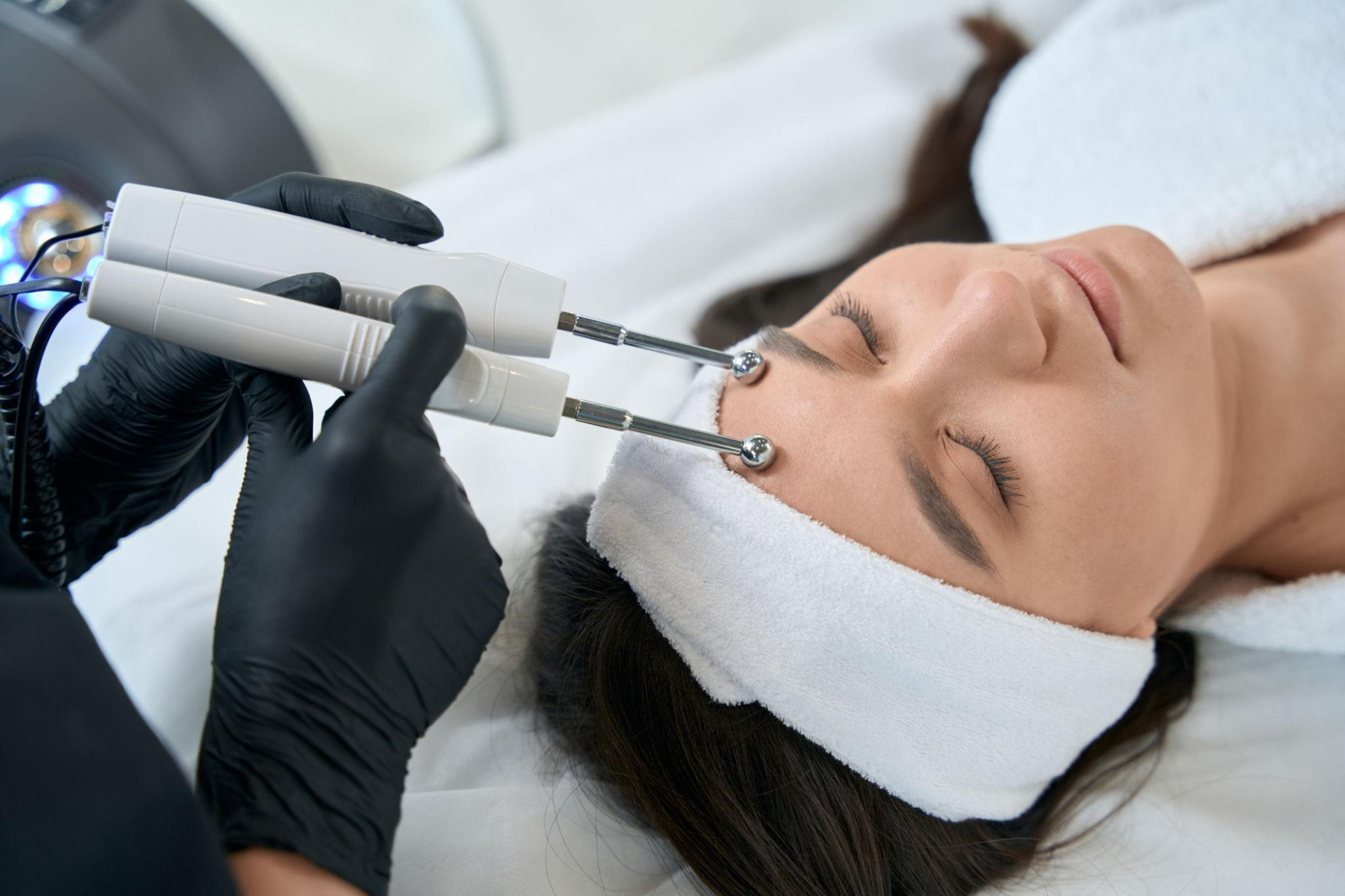
While injectable treatments remain important, modern aesthetic clinics increasingly integrate advanced technologies to amplify regenerative processes.
Professional aesthetic devices can stimulate collagen remodeling through controlled energy delivery to deeper tissue layers.
Common technologies include:
Radio Frequency (RF)
RF energy heats the dermis in a controlled manner, encouraging collagen contraction and long-term collagen production.
Benefits include:
- Skin tightening
- Improved elasticity
- Wrinkle reduction
- Enhanced treatment synergy
HIFU (High-Intensity Focused Ultrasound)
HIFU targets deeper structural layers of the skin without surgery.
It helps:
- Lift sagging tissues
- Improve jawline definition
- Stimulate collagen regeneration
- Support long-term anti-aging programs
Microneedling RF
This technology combines controlled micro-injury with radio frequency energy.
Advantages include:
- Collagen induction
- Scar improvement
- Skin tightening
- Texture refinement
LED Photobiomodulation
Professional LED systems support cellular repair and reduce inflammation after aesthetic procedures.
Benefits include:
- Faster recovery
- Enhanced skin regeneration
- Improved treatment comfort
Why Professional Equipment Delivers Superior Results
Consumers increasingly use home beauty devices, but professional clinics continue to achieve superior outcomes for several reasons.
Higher Energy Output
Professional systems deliver therapeutic energy levels capable of producing meaningful biological changes.
Greater Treatment Precision
Advanced devices allow practitioners to customize depth, intensity, and treatment parameters.
Comprehensive Treatment Planning
Clinics can combine injectables, energy-based treatments, and skincare protocols into a complete rejuvenation strategy.
Enhanced Safety
Professional operators understand facial anatomy and treatment indications, minimizing risks while maximizing outcomes.
For these reasons, professional aesthetic equipment remains a crucial component of modern skin rejuvenation programs.
Applications and Client Needs
Bio-remodelling is becoming increasingly popular among various client groups.
Clients in Their 30s
Seeking preventative anti-aging solutions before significant volume loss develops.
Clients in Their 40s and 50s
Looking for skin tightening and rejuvenation without dramatically changing facial appearance.
Mature Clients
Interested in improving skin quality alongside volume restoration treatments.
Aesthetic Clinics
Seeking comprehensive treatment portfolios that address both regenerative medicine trends and growing demand for natural results.
Beauty Centers
Looking to integrate non-invasive technologies that complement injectable procedures and increase treatment value.
Conclusion
Bio-remodelling and dermal fillers are not competing treatments—they serve different purposes within modern aesthetic medicine.
Dermal fillers remain highly effective for restoring volume and reshaping facial contours. Bio-remodelling, meanwhile, focuses on enhancing the skin's natural regenerative capacity by improving hydration, elasticity, and collagen production.
As patient preferences continue shifting toward subtle, natural-looking rejuvenation, bio-remodelling is becoming an increasingly valuable component of aesthetic treatment plans.
For professional clinics and beauty centers, the most effective approach often combines injectable treatments with advanced aesthetic technologies such as RF, HIFU, microneedling RF, and LED therapy. Together, these solutions create a comprehensive strategy for healthier, firmer, and younger-looking skin while meeting the growing demand for natural beauty enhancement
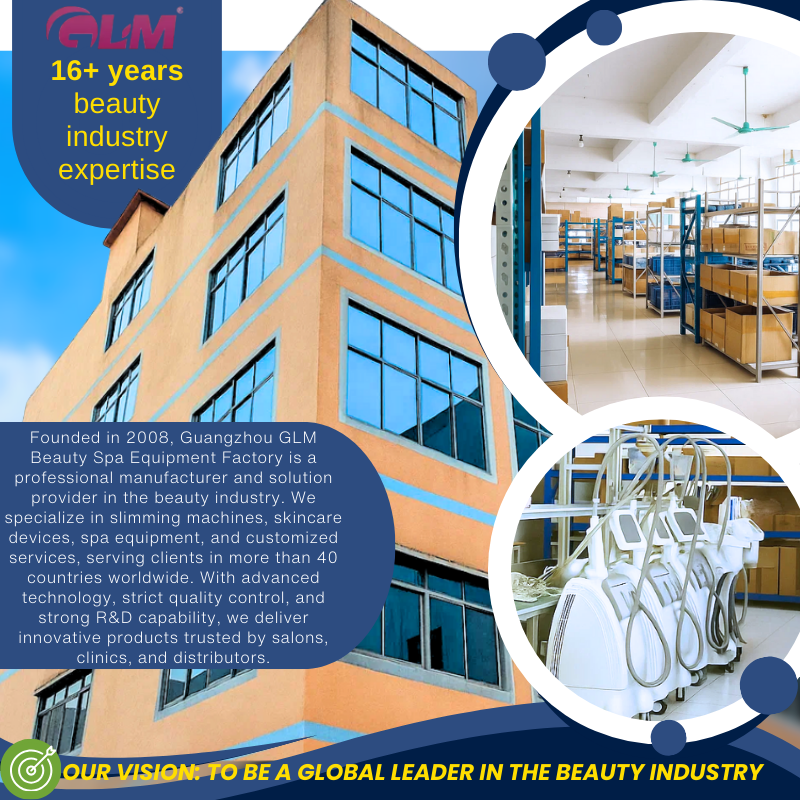
Founded in 2008, Guangzhou GLM Beauty Spa Equipment Factory specializes in research, development, manufacture and selling of beauty and slimming machines. Our production base is located in Guangzhou City, Guangdong Province, China. Since our foundation, we have introduced advanced technologies and equipment, to assure high quality and high performance of our products. With professional marketing guide and excellent after-sales service, our products have been exported to over 20 countries and regions, including Southeast Asia, the Middle East, Europe and the United States, won worldwide praises and gained a good reputation