Introduction
Collagen is often described as the foundation of youthful, healthy skin. It provides structure, elasticity, and firmness, helping the skin maintain a smooth and resilient appearance. However, collagen production naturally declines with age, leading to wrinkles, sagging skin, and loss of elasticity. Environmental factors such as UV exposure, pollution, stress, and lifestyle habits can further accelerate collagen breakdown.
As demand grows for non-invasive aesthetic treatments, light therapy has emerged as one of the most popular technologies for supporting collagen production and skin rejuvenation. Professional aesthetic clinics and beauty centers increasingly integrate advanced light-based devices into their treatment offerings because they provide visible results with minimal discomfort and downtime.
But how exactly does light therapy stimulate collagen production? Why are professional light therapy systems becoming a staple in modern aesthetic practices? This article explores the science, benefits, and practical applications of light therapy in professional skin rejuvenation treatments.
Background/Problem
Why Collagen Matters
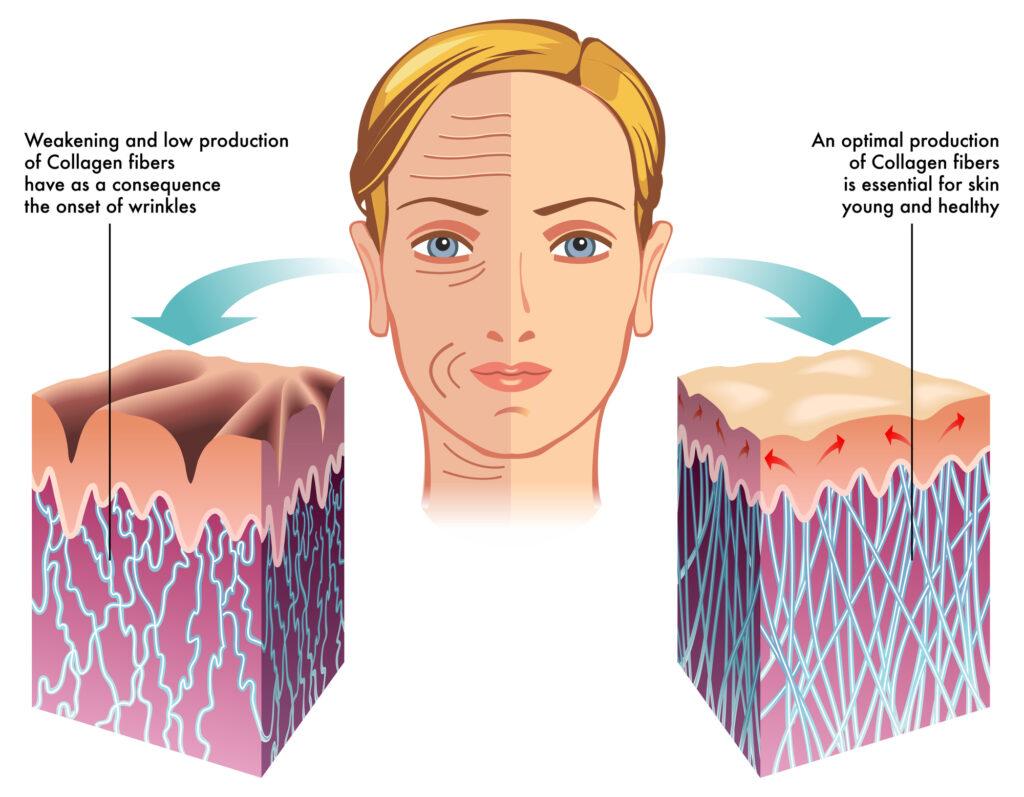
Collagen is the most abundant protein in the human body and accounts for approximately 70–80% of the skin’s dry weight. It forms a supportive network within the dermis, giving skin its firmness and strength.
Beginning in the mid-twenties, collagen production gradually decreases by about 1% each year. As collagen fibers become thinner and less organized, common signs of aging begin to appear:
- Fine lines and wrinkles
- Skin laxity and sagging
- Reduced elasticity
- Enlarged pores
- Uneven skin texture
- Slower wound healing
For aesthetic professionals, collagen loss remains one of the primary concerns among clients seeking anti-aging treatments.
The Challenge of Traditional Treatments
Historically, clients seeking collagen stimulation often relied on invasive or aggressive procedures. While these treatments can be effective, they may involve:
- Significant downtime
- Increased discomfort
- Higher risks of side effects
- Longer recovery periods
Modern consumers increasingly prefer treatments that fit into busy lifestyles. They want noticeable improvements without lengthy recovery times, creating strong demand for non-surgical skin rejuvenation solutions.
This shift has encouraged clinics and beauty professionals to adopt technologies that stimulate the skin's natural regenerative processes rather than relying solely on invasive interventions.
Technology/Mechanism
What Is Light Therapy?
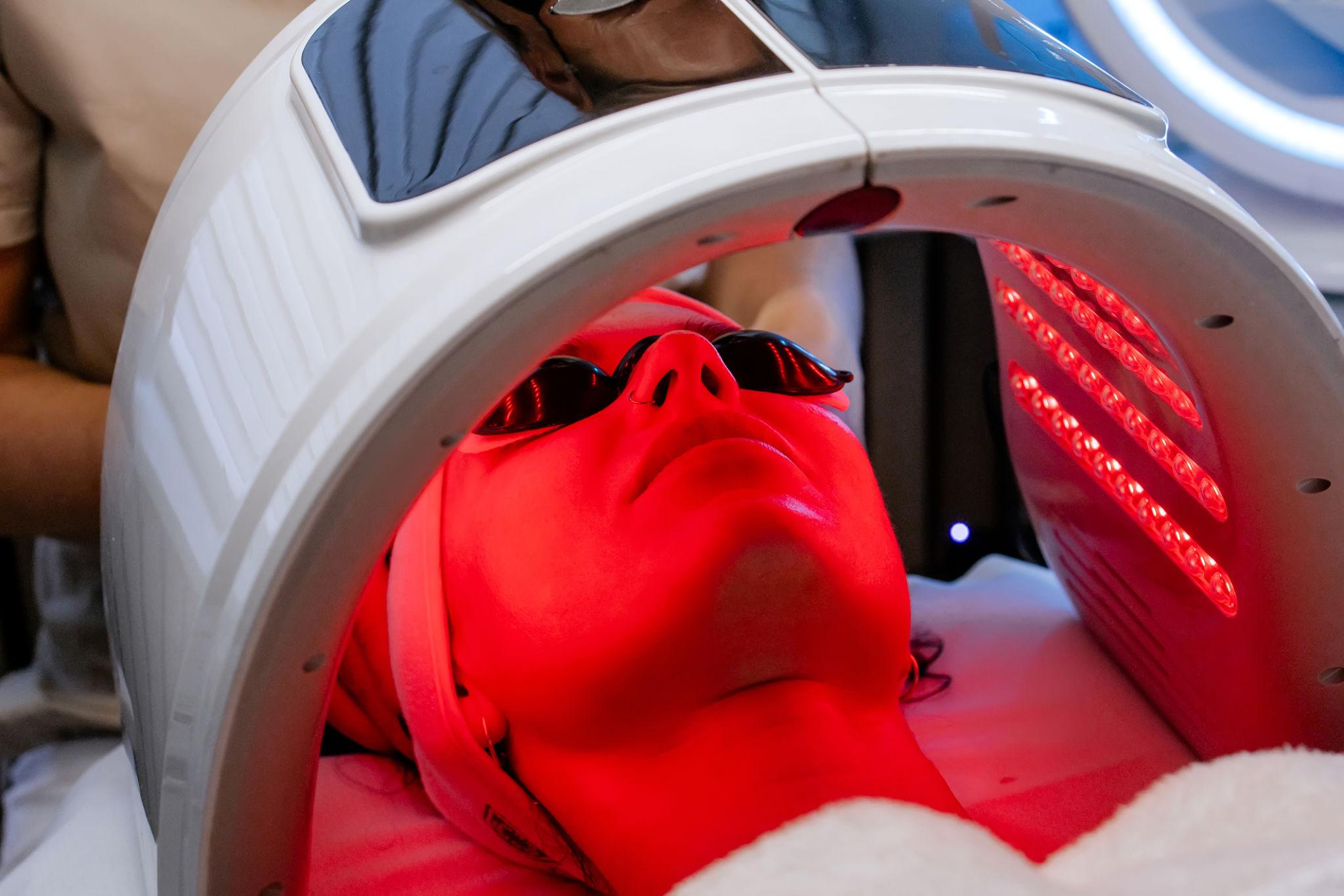
Light therapy, often referred to as LED light therapy or photobiomodulation, uses specific wavelengths of light to trigger biological responses within skin tissues.
Unlike ablative procedures that intentionally damage tissue, light therapy works by delivering controlled light energy that penetrates the skin and stimulates cellular activity.
Professional light therapy devices typically utilize different wavelengths, including:
Red Light (620–700 nm)
Red light is particularly associated with collagen stimulation and anti-aging treatments.
Benefits include:
- Increased fibroblast activity
- Enhanced collagen synthesis
- Improved circulation
- Reduction of fine lines
- Improved skin elasticity
Near-Infrared Light (700–1100 nm)
Near-infrared wavelengths penetrate deeper into the tissue, supporting:
- Cellular repair
- Tissue regeneration
- Improved skin firmness
- Enhanced healing processes
Blue Light (400–470 nm)
Although blue light is primarily used for acne treatments, it is often combined with red light in comprehensive skin rejuvenation protocols.
How Light Stimulates Collagen Production
The process begins at the cellular level.
When therapeutic light reaches the skin, it is absorbed by structures within the mitochondria known as chromophores. The mitochondria function as the energy generators of cells.
This absorption triggers several beneficial biological responses:
Increased ATP Production
Light energy enhances the production of adenosine triphosphate (ATP), the primary energy source for cellular activities.
More ATP means:
- Faster cellular repair
- Increased metabolic activity
- Enhanced tissue regeneration
Fibroblast Activation
Fibroblasts are the cells responsible for producing collagen and elastin.
When stimulated by specific wavelengths of light, fibroblasts become more active and begin producing greater amounts of collagen fibers.
Improved Blood Circulation
Light therapy promotes microcirculation, helping deliver oxygen and nutrients to skin tissues while supporting waste removal.
Improved circulation creates a healthier environment for collagen formation.
Reduction of Oxidative Stress
Excessive oxidative stress accelerates collagen degradation.
Photobiomodulation may help reduce inflammatory responses and oxidative damage, supporting long-term skin health and preserving existing collagen structures.
Advantages/Comparison
Light Therapy vs Topical Skincare Products
Many anti-aging skincare products claim to boost collagen production. While quality formulations can support skin health, their effectiveness is often limited by penetration depth.
Light therapy provides direct stimulation of cellular activity beneath the skin surface, allowing professionals to target collagen production more effectively.
| Factor | Topical Products | Professional Light Therapy |
|---|---|---|
| Penetration Depth | Limited | Deeper Tissue Interaction |
| Collagen Stimulation | Indirect | Direct Cellular Activation |
| Treatment Consistency | User Dependent | Professional Controlled |
| Immediate Comfort | High | High |
| Long-Term Results | Moderate | Stronger Potential |
Light Therapy vs More Aggressive Procedures
Compared with certain aggressive resurfacing treatments, light therapy offers:
- Minimal downtime
- Non-invasive treatment experience
- Greater comfort
- Suitable maintenance treatments
- Lower risk profile
For many clients, light therapy serves as either a standalone rejuvenation solution or a complementary treatment alongside other aesthetic technologies.
Why Professional Devices Matter
While home-use LED products have gained popularity, professional systems provide several important advantages:
Higher Energy Consistency
Professional equipment delivers stable and optimized energy output, helping ensure predictable treatment outcomes.
Better Treatment Coverage
Larger treatment panels and advanced designs allow practitioners to treat facial and body areas more efficiently.
Customized Protocols
Professional operators can adjust treatment parameters according to:
- Skin condition
- Age-related concerns
- Treatment goals
- Combination therapy plans
Integration with Other Technologies
Modern clinics frequently combine light therapy with:
- Hydro facial treatments
- Radiofrequency procedures
- Microneedling
- Oxygen infusion therapies
- Skin rejuvenation protocols
This integrated approach often enhances overall treatment results.
Applications/Client Needs
Anti-Aging Treatments
One of the most common uses of light therapy is addressing visible signs of aging.
Clients often seek:
- Firmer skin
- Reduced wrinkles
- Improved elasticity
- Better skin texture
By supporting natural collagen production, light therapy aligns perfectly with these objectives.
Post-Treatment Recovery
Professional clinics frequently use light therapy following other aesthetic procedures.
Benefits may include:
- Reduced redness
- Faster recovery
- Improved tissue healing
- Enhanced treatment comfort
Preventive Skin Care
Younger clients increasingly view collagen preservation as an investment rather than a corrective measure.
Light therapy can become part of preventive skincare programs designed to support healthy skin aging.
Comprehensive Skin Rejuvenation Programs
Many aesthetic centers incorporate light therapy into multi-step treatment plans.
Typical combinations may include:
- Deep cleansing
- Exfoliation
- Serum infusion
- Light therapy treatment
- Hydration and protection
These integrated protocols help maximize client satisfaction while creating versatile treatment options for practitioners.
Expanding Service Opportunities for Clinics
As consumer demand for non-invasive procedures continues to grow, light therapy provides clinics with an attractive service offering.
Advantages for aesthetic businesses include:
- Broad client suitability
- Repeat treatment opportunities
- High treatment comfort
- Easy integration into existing services
- Growing market recognition
Because of its versatility, light therapy remains a valuable addition to both new and established aesthetic practices.
Conclusion
Collagen is essential for maintaining youthful, firm, and healthy-looking skin. As collagen production naturally declines with age, both clients and practitioners continue searching for effective, non-invasive solutions that support long-term skin rejuvenation.
Light therapy has become one of the most widely adopted technologies in modern aesthetic medicine because it works with the body's natural biological processes. By stimulating fibroblasts, increasing cellular energy production, improving circulation, and supporting tissue repair, light therapy helps create an environment where collagen production can thrive.
For professional beauty clinics and aesthetic centers, advanced light therapy systems offer a powerful combination of safety, comfort, versatility, and visible results. Whether used as a standalone treatment or integrated into comprehensive skin rejuvenation programs, light therapy continues to play an increasingly important role in helping clients achieve healthier, firmer, and more youthful-looking skin.
As demand for non-invasive aesthetic treatments grows worldwide, light-based collagen stimulation technologies are likely to remain a cornerstone of professional skin rejuvenation for years to come.
Founded in 2008, Guangzhou GLM Beauty Spa Equipment Factory specializes in research, development, manufacture and selling of beauty and slimming machines. Our production base is located in Guangzhou City, Guangdong Province, China. Since our foundation, we have introduced advanced technologies and equipment, to assure high quality and high performance of our products. With professional marketing guide and excellent after-sales service, our products have been exported to over 20 countries and regions, including Southeast Asia, the Middle East, Europe and the United States, won worldwide praises and gained a good reputation.