Introduction
Laser hair removal has become one of the most requested treatments in professional aesthetic clinics and beauty centers worldwide. Clients today are looking for smoother skin, long-term convenience, and more efficient alternatives to shaving, waxing, and depilatory creams. However, one of the most common questions asked during consultations is:
“How many sessions are actually needed for hair removal?”
The answer is not always simple. Hair removal results depend on several factors, including hair color, skin tone, treatment area, hormonal influences, and — most importantly — the technology being used.
For professional clinics, understanding and explaining the treatment cycle is essential not only for client satisfaction but also for building trust and improving treatment outcomes. Modern laser and IPL systems are designed to deliver progressive hair reduction safely and efficiently, but achieving optimal results requires a structured treatment plan.
In this article, we will explore why multiple sessions are necessary, how professional hair removal devices work, what factors influence treatment frequency, and why professional-grade systems continue to outperform most home-use alternatives.
Background/Problem
Many first-time clients expect permanent hair removal after only one or two treatments. This misconception often comes from marketing oversimplifications or a lack of understanding about how hair grows.
In reality, hair grows in cycles, and laser technology can only effectively target hair during a specific stage of growth. This is why multiple sessions are required.
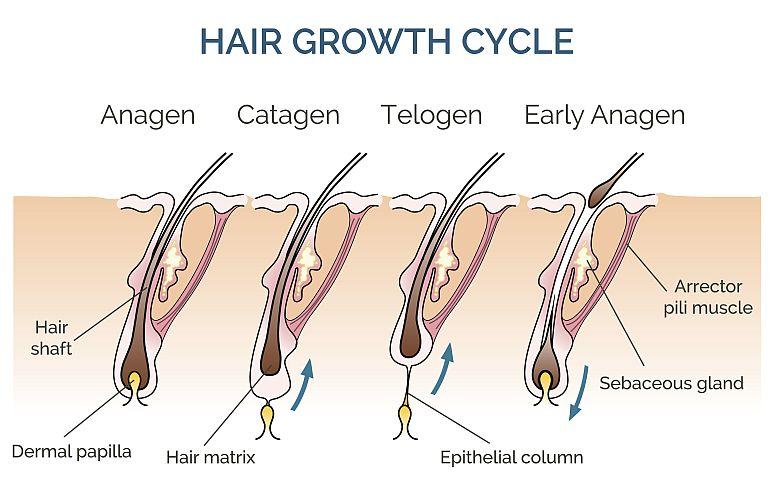
The Three Main Hair Growth Phases
1. Anagen Phase (Growth Phase)
This is the active growth stage where the hair follicle is connected to the blood supply and contains the highest concentration of melanin. Laser energy is most effective during this stage because the pigment absorbs the light energy directly.
2. Catagen Phase (Transition Phase)
During this short stage, the hair begins to detach from the follicle. Laser effectiveness decreases significantly.
3. Telogen Phase (Resting Phase)
The follicle becomes inactive, and eventually the hair sheds naturally. Hair in this phase usually cannot be effectively treated by laser devices.
At any given time, only a percentage of hairs are in the anagen phase. This means a single treatment can only target part of the hair population in the treatment area.
For professional clinics, educating clients about this biological process helps establish realistic expectations and improves treatment compliance.
Technology/Mechanism
Professional hair removal devices primarily use selective photothermolysis — a process where light energy targets melanin in the hair follicle while minimizing damage to surrounding skin tissue.
How Professional Hair Removal Devices Work
Professional systems typically include:
- Diode lasers
- Alexandrite lasers
- ND YAG lasers
- IPL (Intense Pulsed Light) systems
Each technology offers unique advantages depending on skin type, hair color, and treatment goals.
Diode Laser Technology
Diode laser systems are among the most popular options in professional clinics because they provide an excellent balance between efficacy, comfort, and safety.
Operating commonly at wavelengths such as 808nm, diode lasers penetrate deeply into the follicle and effectively target melanin-rich hair.
Advantages include:
- Suitable for multiple skin types
- Faster treatment speed
- Stable energy output
- Effective for coarse hair
- Comfortable treatment experience with cooling systems
Alexandrite Laser Systems
Alexandrite lasers, usually operating at 755nm, are highly effective for lighter skin tones and finer hair textures. They are often chosen for fast treatment sessions and visible reduction after several visits.
ND YAG Technology
ND YAG systems at 1064nm offer deeper penetration and improved safety for darker skin tones. Professional clinics frequently use this technology for clients with higher melanin levels because it reduces the risk of pigmentation complications.
IPL Systems
Although IPL is not technically a laser, professional IPL devices can still provide effective long-term hair reduction when properly configured by trained operators.
Professional IPL platforms usually offer:
- Adjustable parameters
- Multiple filters
- Larger treatment coverage
- Integrated cooling technology
Compared with home-use IPL devices, professional systems deliver significantly stronger and more consistent energy output.
Why Multiple Sessions Are Necessary
Hair Growth Is Not Synchronized
Hair follicles do not grow at the same time. Even within a small treatment area, follicles are always at different growth stages.
Because laser energy is most effective during the anagen phase, treatments must be repeated over several weeks to progressively target newly active follicles.
Different Body Areas Require Different Session Numbers
Treatment frequency varies depending on the body area because hair density and hormonal influence differ throughout the body.
Common Treatment Recommendations
| Treatment Area | Average Sessions Needed |
|---|---|
| Upper Lip | 6–10 Sessions |
| Underarms | 6–8 Sessions |
| Bikini Area | 6–8 Sessions |
| Legs | 8–10 Sessions |
| Back/Chest | 8–12 Sessions |
| Facial Hair (Hormonal) | 8–12+ Sessions |
Professional practitioners typically recommend treatment intervals of:
- 4–6 weeks for facial areas
- 6–8 weeks for body areas
This schedule allows new hairs to enter the active growth stage before the next session.
Hormonal Factors
Hormones play a major role in hair regrowth. Clients with conditions such as PCOS or hormonal imbalance may require more maintenance sessions over time.
This is especially common for facial hair treatments.
Professional clinics usually develop personalized protocols based on the client’s hair growth patterns and response to treatment.
Advantages/Comparison
Why Professional Devices Achieve Better Results
Although home-use hair removal devices have become popular, professional systems still offer significant advantages in effectiveness, safety, and efficiency.
Higher Energy Output
Professional machines deliver stronger and more stable energy levels, allowing deeper follicle targeting and more effective long-term reduction.
Home devices often use lower energy settings for safety reasons, which may reduce treatment effectiveness.
Advanced Cooling Technology
Modern professional systems integrate advanced cooling methods such as:
- Sapphire contact cooling
- Air cooling
- TEC cooling systems
- Cryo-assisted technology
These features improve comfort while protecting the skin during higher-energy treatments.
Faster Treatment Efficiency
Professional platforms can cover larger areas more quickly, making them ideal for busy clinics and high client turnover.
For example:
- Full legs can often be treated within 30–45 minutes
- Underarms may require only 10–15 minutes
This operational efficiency is especially valuable for professional beauty centers seeking higher treatment capacity.
Customizable Parameters
Professional operators can adjust:
- Pulse duration
- Fluence
- Frequency
- Spot size
- Cooling intensity
This flexibility allows treatments to be tailored for different skin tones, hair textures, and sensitivity levels.
Home devices usually provide limited customization.
Better Long-Term Outcomes
Professional treatment protocols generally produce:
- Faster visible reduction
- Longer-lasting smoothness
- Reduced ingrown hairs
- More even skin appearance
- Improved client satisfaction
Applications/Client Needs
Professional hair removal systems are now widely used across multiple aesthetic and medical beauty settings.
Beauty Salons
Beauty salons often integrate hair removal treatments into broader skin management programs.
Popular combinations include:
- Hair removal + skin rejuvenation
- Hair removal + whitening treatments
- Hair removal + hydrating therapy
Multi-functional aesthetic devices are increasingly valued because they help clinics maximize equipment utilization while expanding service offerings.
Medical Aesthetic Clinics
Medical clinics usually focus on:
- Higher treatment precision
- Complex skin types
- Hormonal hair growth cases
- Large treatment areas
Advanced laser platforms help practitioners safely treat diverse client groups while maintaining treatment consistency.
Male Grooming Market
The male aesthetics market has grown rapidly in recent years. Professional clinics now frequently treat:
- Back hair
- Chest hair
- Beard shaping
- Neckline maintenance
Men often have denser and deeper follicles, making professional-grade systems especially important for achieving efficient results.
Sensitive Skin Clients
Clients prone to irritation from waxing or shaving often prefer laser treatments because they help reduce:
- Razor bumps
- Ingrown hairs
- Skin inflammation
- Frequent shaving irritation
Modern cooling technology also improves comfort for sensitive skin users.
Conclusion
So, how many sessions are needed for hair removal?
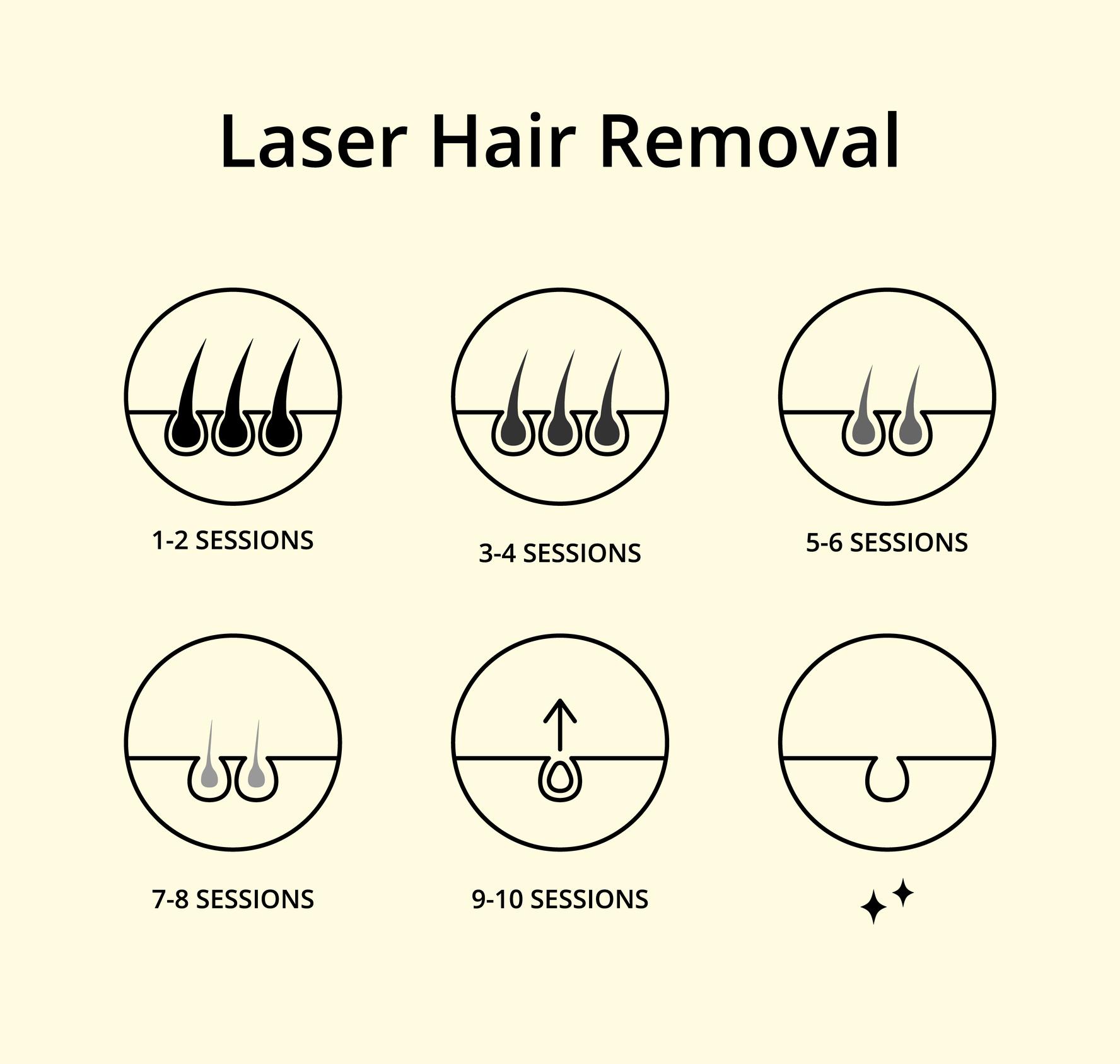
For most clients, effective long-term hair reduction typically requires 6 to 10 professional sessions, depending on the treatment area, hair type, hormonal factors, and technology used.
Hair removal is not an instant process because hair grows in cycles. Professional laser and IPL systems are designed to progressively target follicles during their active growth stage, leading to smoother skin and long-lasting results over time.
For aesthetic clinics and beauty centers, professional-grade devices provide important advantages in energy stability, treatment customization, safety, and efficiency. As client demand for long-term hair reduction continues to grow, advanced hair removal technologies remain one of the most valuable and versatile investments in the modern beauty industry.
Ultimately, successful hair removal is not only about removing unwanted hair — it is about delivering consistent results, client confidence, treatment comfort, and professional-quality care.
Founded in 2008, Guangzhou GLM Beauty Spa Equipment Factory specializes in research, development, manufacture and selling of beauty and slimming machines. Our production base is located in Guangzhou City, Guangdong Province, China. Since our foundation, we have introduced advanced technologies and equipment, to assure high quality and high performance of our products. With professional marketing guide and excellent after-sales service, our products have been exported to over 20 countries and regions, including Southeast Asia, the Middle East, Europe and the United States, won worldwide praises and gained a good reputation.