Introduction
Non-invasive body contouring has become a cornerstone service in modern aesthetic clinics and professional beauty salons. Among the many technologies available, cryolipolysis—commonly known as fat freezing—has earned a strong reputation for its ability to reduce localized fat without surgery, needles, or downtime. As clients increasingly seek effective yet gentle body-shaping solutions, cryolipolysis continues to rank among the most requested treatments worldwide.
However, one of the most common questions clients ask before starting treatment is: How many sessions of cryolipolysis are needed to achieve optimal fat loss results? This question reflects a broader shift in client behavior. Today’s consumers are more informed, more result-oriented, and more cautious about time and financial investment. They want clear expectations, realistic timelines, and evidence-based treatment plans.
From a professional perspective, the answer is rarely a fixed number. Cryolipolysis is not a one-size-fits-all solution. The number of sessions required depends on multiple factors, including the treatment area, fat volume, individual metabolism, and the quality of the equipment used. Understanding these variables is essential not only for client satisfaction but also for maintaining credibility and long-term trust in a clinical or salon setting.
This article explores how cryolipolysis works, why multiple sessions are often recommended, and how professional clinics can design effective treatment protocols to deliver consistent and natural-looking fat reduction results.
Background / Problem
The Challenge of Localized Fat
Localized fat accumulation is one of the most stubborn aesthetic concerns. Even individuals who maintain a healthy diet and regular exercise routine often struggle with fat deposits in areas such as the abdomen, flanks, thighs, upper arms, and back. These fat cells are biologically resistant to metabolism and are often influenced by genetics, hormones, and age.
Traditional approaches to fat reduction, such as dieting or cardio exercise, reduce overall body weight but cannot selectively target these problem areas. Surgical solutions like liposuction can remove fat directly, but they come with higher risks, longer recovery times, and greater financial costs. As a result, many clients seek non-invasive alternatives that offer visible improvement without disrupting daily life.
Misconceptions About One-Time Treatments
One common misconception among clients is that a single cryolipolysis session will permanently eliminate all unwanted fat in a treated area. While cryolipolysis is effective, it works gradually and selectively. Each session typically reduces a percentage of fat cells rather than removing all of them at once.
When expectations are not properly managed, clients may feel disappointed if results are not immediately dramatic. This highlights the importance of professional consultation, education, and realistic treatment planning in achieving optimal outcomes.
Technology / Mechanism
How Cryolipolysis Reduces Fat
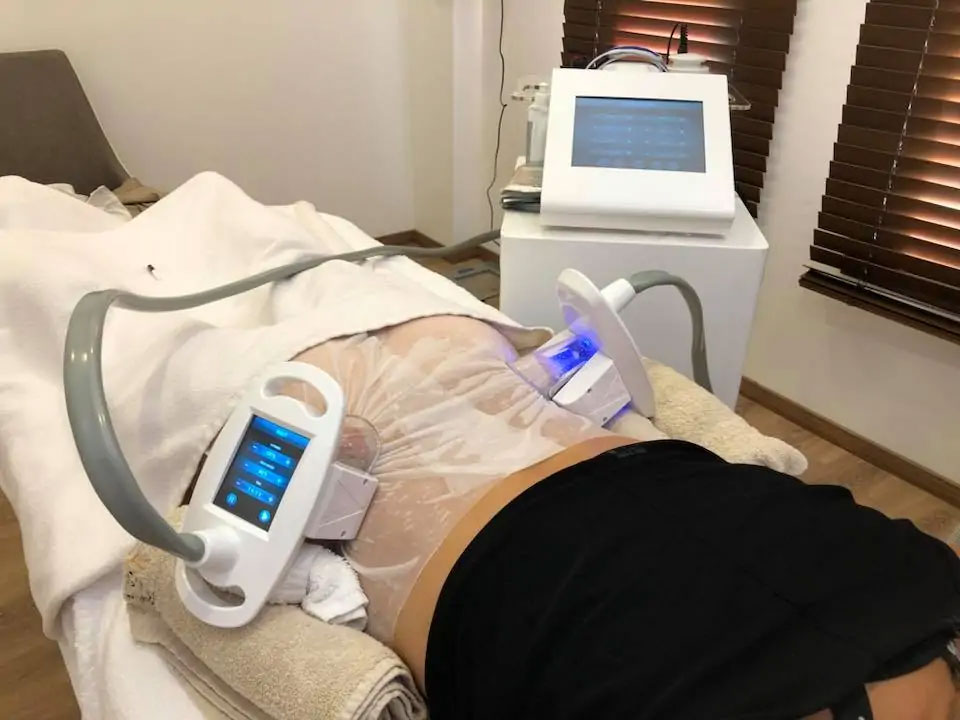
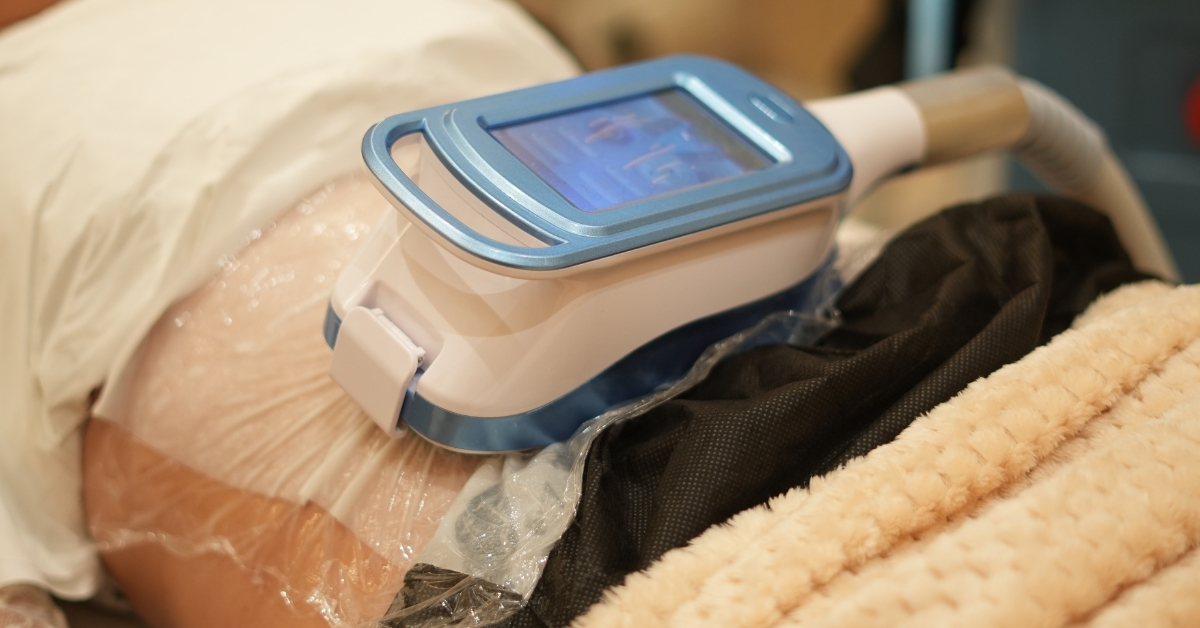
Cryolipolysis is based on the principle that fat cells are more sensitive to cold temperatures than surrounding tissues such as skin, nerves, and muscles. During treatment, a specialized applicator gently suctions the targeted area and cools the fat layer to a controlled temperature.
This cooling process triggers apoptosis, or programmed cell death, in fat cells. Over the following weeks and months, the body’s natural metabolic processes gradually eliminate these damaged fat cells through the lymphatic system. The result is a gradual reduction in fat thickness and improved body contour.
Why Results Take Time
Unlike surgical fat removal, cryolipolysis does not produce instant volume reduction. The body needs time to process and remove the affected fat cells. Visible improvements typically begin to appear within 3 to 4 weeks, with optimal results often seen after 8 to 12 weeks.
Because each session only affects a portion of the fat cells in the treated area, multiple sessions may be necessary to achieve the desired level of fat reduction—especially in areas with thicker fat layers.
Role of Professional Equipment
The effectiveness of cryolipolysis depends heavily on equipment quality. Professional-grade machines offer precise temperature control, consistent cooling, and applicators designed for different body areas. These features ensure that fat cells are effectively targeted while minimizing discomfort and risk.
Lower-powered or non-medical-grade devices may deliver uneven cooling, leading to inconsistent results and the need for additional sessions. This is one reason professional clinics can achieve better outcomes with fewer, well-planned treatments.
Advantages / Comparison

Cryolipolysis vs. Surgical Fat Reduction
Compared to liposuction, cryolipolysis offers a safer, non-invasive alternative with no anesthesia, incisions, or recovery downtime. While liposuction removes fat immediately, it also carries surgical risks and may not be suitable for clients seeking subtle, natural-looking changes.
Cryolipolysis produces gradual fat loss, which many clients prefer because it looks more natural and does not dramatically alter body shape overnight.
Cryolipolysis vs. Other Non-Invasive Technologies
Other non-invasive fat reduction technologies, such as cavitation or RF-based treatments, primarily work by disrupting fat cells or tightening skin. Cryolipolysis stands out because it directly targets fat cell survival through controlled cooling.
In many professional settings, cryolipolysis is combined with RF or vacuum therapies to enhance skin tightening and improve overall contour. In such cases, the number of cryolipolysis sessions may be optimized as part of a broader body sculpting program.
Why Multiple Sessions Are Often Recommended
Most clinical studies and real-world results suggest that a single cryolipolysis session can reduce fat thickness in a treated area by approximately 20–30%. For clients with mild fat deposits, one session may be sufficient. However, for moderate to significant fat accumulation, two or more sessions are often required to achieve visible and satisfying results.
Spacing sessions appropriately allows the body to fully process fat cell reduction before additional treatment is applied.
Applications / Client Needs
Typical Session Recommendations by Area
While individual needs vary, professional clinics often follow general guidelines:
-
Small areas (chin, arms): 1–2 sessions
-
Medium areas (abdomen, flanks): 2–3 sessions
-
Larger or denser fat areas (thighs, back): 3 or more sessions
Sessions are usually spaced 6–8 weeks apart to allow optimal fat metabolism and assessment of results.
Importance of Personalized Treatment Planning
A thorough consultation is essential before starting cryolipolysis. Factors such as fat thickness, skin elasticity, body composition, and lifestyle should be evaluated. This allows practitioners to recommend a realistic number of sessions and avoid over- or under-treatment.
Client education plays a critical role. When clients understand that cryolipolysis is a gradual process, they are more likely to remain committed to the treatment plan and satisfied with the outcome.
Long-Term Client Relationships
Because cryolipolysis often involves multiple sessions and follow-up assessments, it naturally supports long-term client engagement. Clinics can design structured body contouring programs that combine cryolipolysis with complementary treatments, creating added value for clients and stable revenue for the business.
Conclusion
There is no universal answer to how many cryolipolysis sessions are needed for optimal fat loss results. The ideal number depends on individual body characteristics, treatment goals, and the quality of the equipment and professional expertise involved.
In most cases, one session can produce noticeable improvement, but optimal and balanced results often require multiple, well-planned treatments spaced over time. When performed with professional-grade equipment and guided by realistic expectations, cryolipolysis offers a safe, effective, and natural-looking solution for localized fat reduction.
For beauty salons and aesthetic clinics, clear communication, personalized treatment planning, and high-quality technology are key to maximizing both clinical outcomes and client satisfaction. In this context, cryolipolysis is not a one-time procedure but a strategic component of modern, non-invasive body contouring programs.
Founded in 2008, Guangzhou GLM Beauty Spa Equipment Factory specializes in research, development, manufacture and selling of beauty and slimming machines. Our production base is located in Guangzhou City, Guangdong Province, China. Since our foundation, we have introduced advanced technologies and equipment, to assure high quality and high performance of our products. With professional marketing guide and excellent after-sales service, our products have been exported to over 20 countries and regions, including Southeast Asia, the Middle East, Europe and the United States, won worldwide praises and gained a good reputation.