Introduction
In modern aesthetic clinics, achieving healthy skin is no longer limited to topical care or basic treatments. Increasingly, professionals are turning to advanced, device-based technologies that can actively regulate skin function and improve overall skin condition from within.
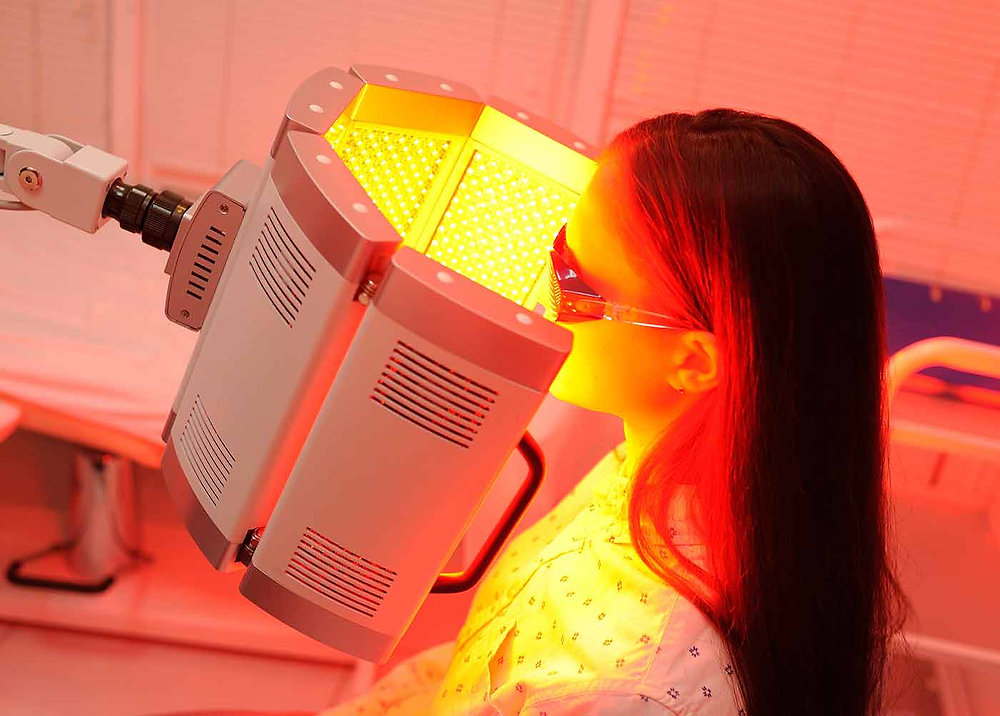
Among these technologies, photodynamic therapy (PDT) has become a core component in many professional skincare systems. Rather than being a simple light treatment, PDT is a device-driven solution designed to target multiple skin concerns simultaneously—ranging from acne and inflammation to overall skin rejuvenation.
For clinics, PDT equipment represents more than just an additional feature. It is a versatile and high-utility system that can be integrated into various treatment protocols, supporting both corrective and maintenance-focused skincare programs. Understanding how PDT supports skin health highlights why this technology is increasingly essential in professional treatment environments.
Background/Problem
Maintaining healthy skin involves balancing several key factors, including bacterial control, oil regulation, inflammation management, and cellular renewal. However, many clients experience disruptions in this balance due to:
- Acne-causing bacterial overgrowth
- Excess sebum production
- Environmental stress and pollution
- Reduced skin regeneration with age
Traditional skincare approaches often address these issues individually. For example, topical products may focus on oil control or hydration, while manual treatments may target surface impurities. However, these methods can be limited in depth, consistency, and overall effectiveness.
Additionally, as clients increasingly prefer non-invasive treatments, clinics face the challenge of delivering noticeable results without relying on aggressive procedures. This creates a demand for technologies that can support overall skin health in a safe, controlled, and repeatable way.
PDT devices are specifically designed to meet these needs by offering a multi-functional, energy-based approach to skin management.
Technology/Mechanism
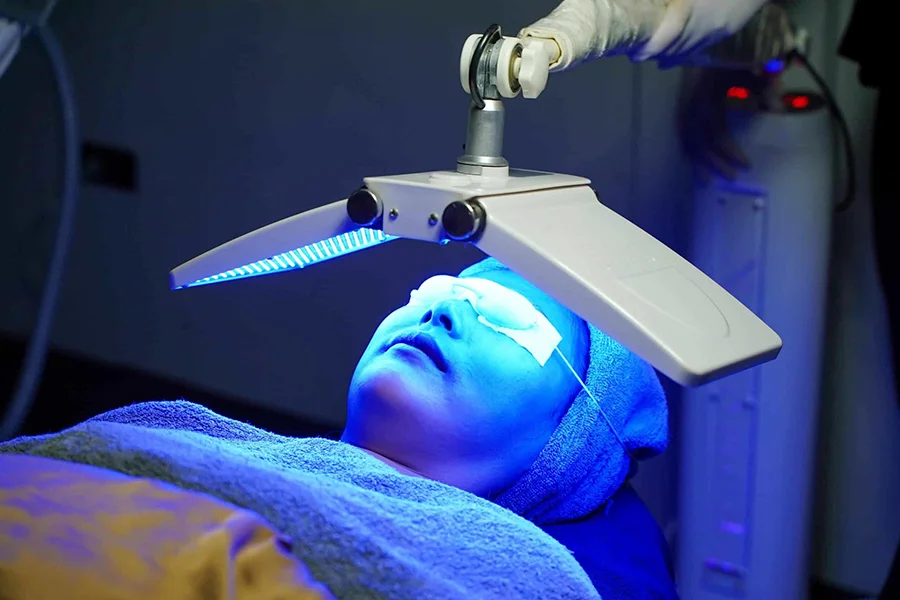
Photodynamic therapy devices operate by delivering specific wavelengths of light energy to the skin, often in combination with photosensitive substances or naturally occurring skin compounds.
The effectiveness of PDT lies in how these light wavelengths interact with the skin at different depths:
Blue Light (Bacterial Control)
Blue light targets acne-causing bacteria on the skin, helping to reduce microbial activity and prevent breakouts. This makes it particularly effective in acne management treatments.
Red Light (Regeneration & Repair)
Red light penetrates deeper into the skin, stimulating cellular activity and supporting collagen production. This helps improve skin texture, reduce inflammation, and promote healing.
Multi-Wavelength Integration (Device Advantage)
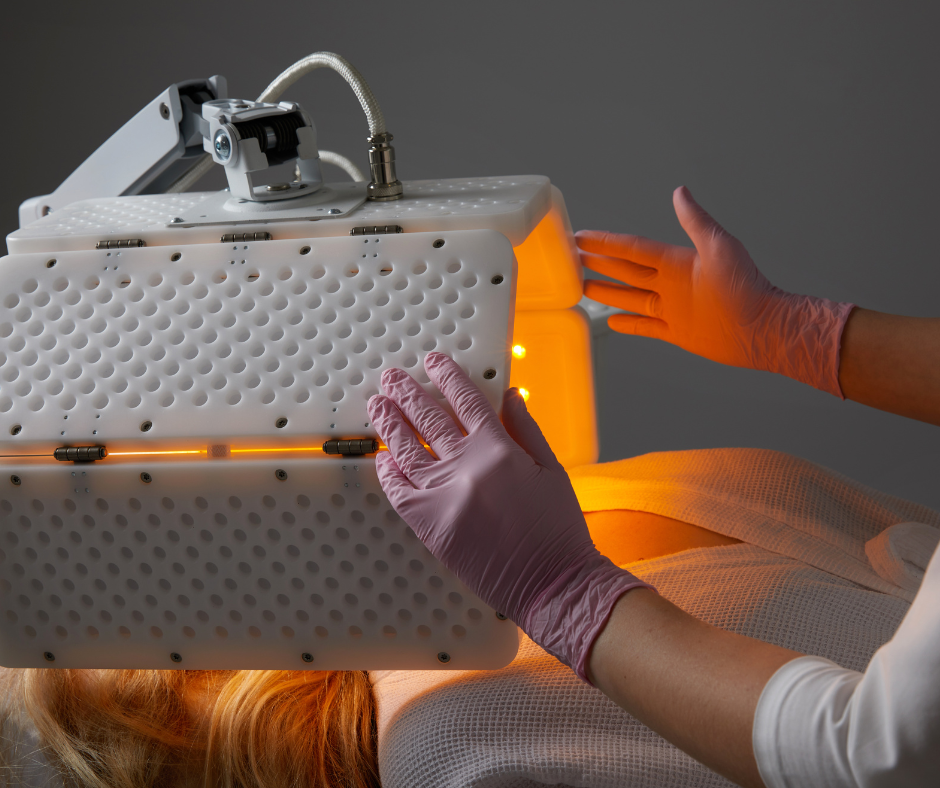
Professional PDT devices are designed to combine multiple light wavelengths within a single system. This allows practitioners to customize treatments based on specific skin conditions, ensuring that each session delivers targeted and comprehensive results.
In addition to light emission, clinic-grade PDT machines are engineered with:
- Stable energy output for consistent performance
- Adjustable treatment modes and durations
- Full-face or localized treatment coverage
This structured, device-based delivery ensures that treatments are standardized, safe, and suitable for repeated use—making PDT a reliable tool in long-term skin health management.
Advantages/Comparison
From a device-centered perspective, PDT technology offers several advantages over traditional skincare approaches.
1. Multi-Function Treatment Capability
Unlike single-purpose treatments, PDT devices address multiple skin concerns simultaneously, including bacteria, inflammation, and skin regeneration.
2. Non-Invasive Yet Effective
PDT treatments do not damage the skin barrier, making them suitable for regular use. This is especially important for clients seeking long-term skin health improvement without downtime.
3. Consistent and Controlled Results
Professional equipment ensures stable light output and precise wavelength delivery, which leads to predictable and repeatable treatment outcomes—something difficult to achieve with manual methods.
4. Superior to Home-Use Devices
While home-use LED masks exist, they are limited in power and coverage. Professional PDT devices provide:
- Higher energy intensity
- Multiple wavelength combinations
- Faster and more visible results
This makes clinic-grade equipment significantly more effective for both corrective and maintenance treatments.
5. Integration with Other Technologies
PDT devices can be easily incorporated into multi-step treatment protocols. They are often used after cleansing or exfoliation steps to enhance results and support skin recovery.
From a business perspective, PDT treatments are highly adaptable. They can be offered as standalone services or included in comprehensive skincare programs, increasing both service value and client retention.
Applications/Client Needs
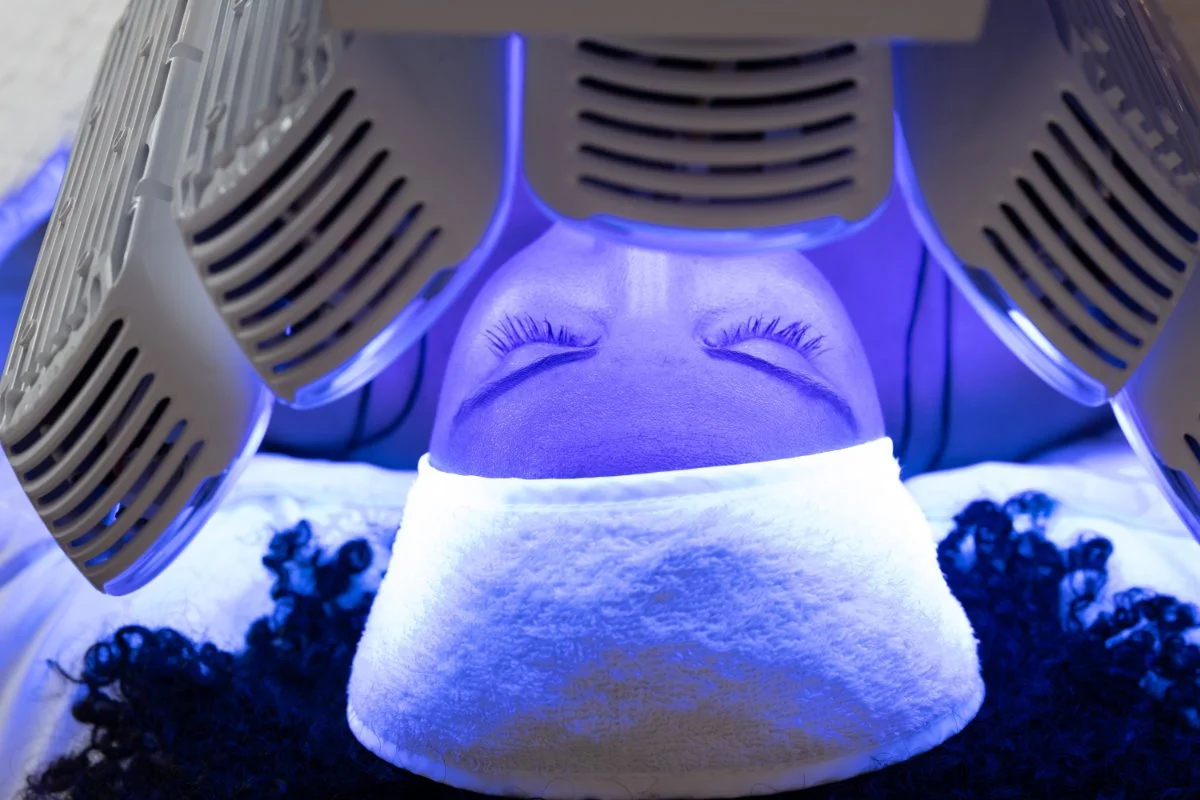
In professional skincare settings, PDT devices are widely used to support various aspects of skin health.
For acne-prone clients, PDT treatments help reduce bacteria and control inflammation, improving overall skin clarity.
For clients with sensitive or reactive skin, PDT provides a gentle way to calm irritation and restore balance without causing additional stress to the skin.
In anti-aging treatments, red light therapy supports collagen production and improves skin texture, contributing to a healthier and more youthful appearance.
PDT is also commonly used in maintenance programs. Regular sessions help maintain skin balance, prevent future issues, and support long-term skin health.
Additionally, PDT devices are often applied as a finishing step in facial treatments, helping to stabilize the skin and enhance overall results.
For clinics, this versatility makes PDT equipment a high-frequency-use device that can serve a wide range of treatment needs.
Conclusion
Photodynamic therapy has become an essential technology in professional skincare due to its ability to support overall skin health through a non-invasive, multi-functional approach.
By combining targeted light wavelengths with controlled device delivery, PDT machines effectively address bacterial imbalance, inflammation, and reduced skin regeneration.
For aesthetic clinics and beauty professionals, investing in PDT equipment is not only about expanding treatment options—it is about building a more advanced, reliable, and results-driven skincare system.
As the demand for safe, effective, and technology-based treatments continues to grow, PDT devices will remain a key component in maintaining and improving skin health in professional settings.
Founded in 2008, Guangzhou GLM Beauty Spa Equipment Factory specializes in research, development, manufacture and selling of beauty and slimming machines. Our production base is located in Guangzhou City, Guangdong Province, China. Since our foundation, we have introduced advanced technologies and equipment, to assure high quality and high performance of our products. With professional marketing guide and excellent after-sales service, our products have been exported to over 20 countries and regions, including Southeast Asia, the Middle East, Europe and the United States, won worldwide praises and gained a good reputation.