Introduction
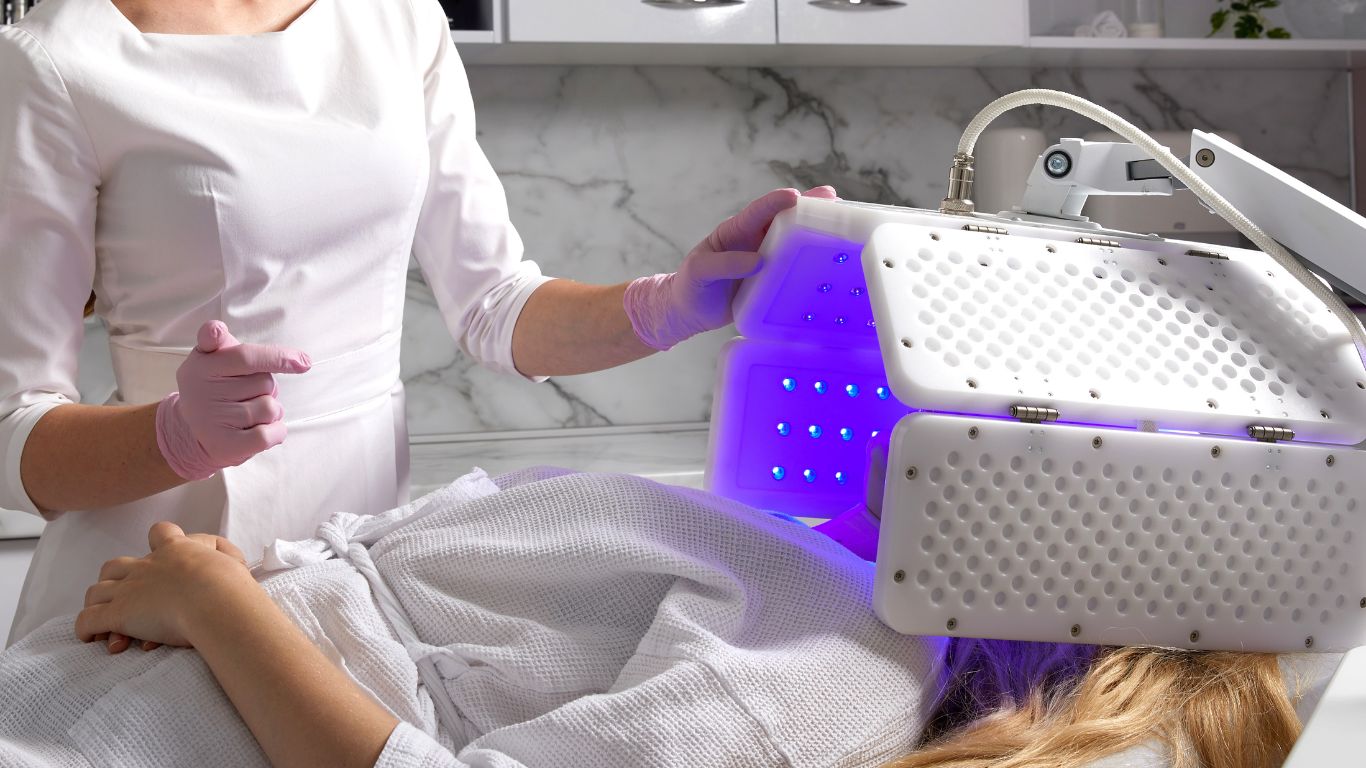
As aesthetic treatments continue to evolve, clinics are increasingly adopting technologies that combine precision, safety, and versatility. Photodynamic Therapy (PDT) has emerged as one of the most effective non-invasive solutions for managing a variety of skin concerns, including acne, inflammation, and uneven skin tone.
Unlike traditional treatments that rely solely on topical products or mechanical methods, PDT integrates light energy with photosensitive agents to trigger targeted biological reactions within the skin. This unique mechanism allows for both therapeutic and rejuvenating effects without damaging surrounding tissue.
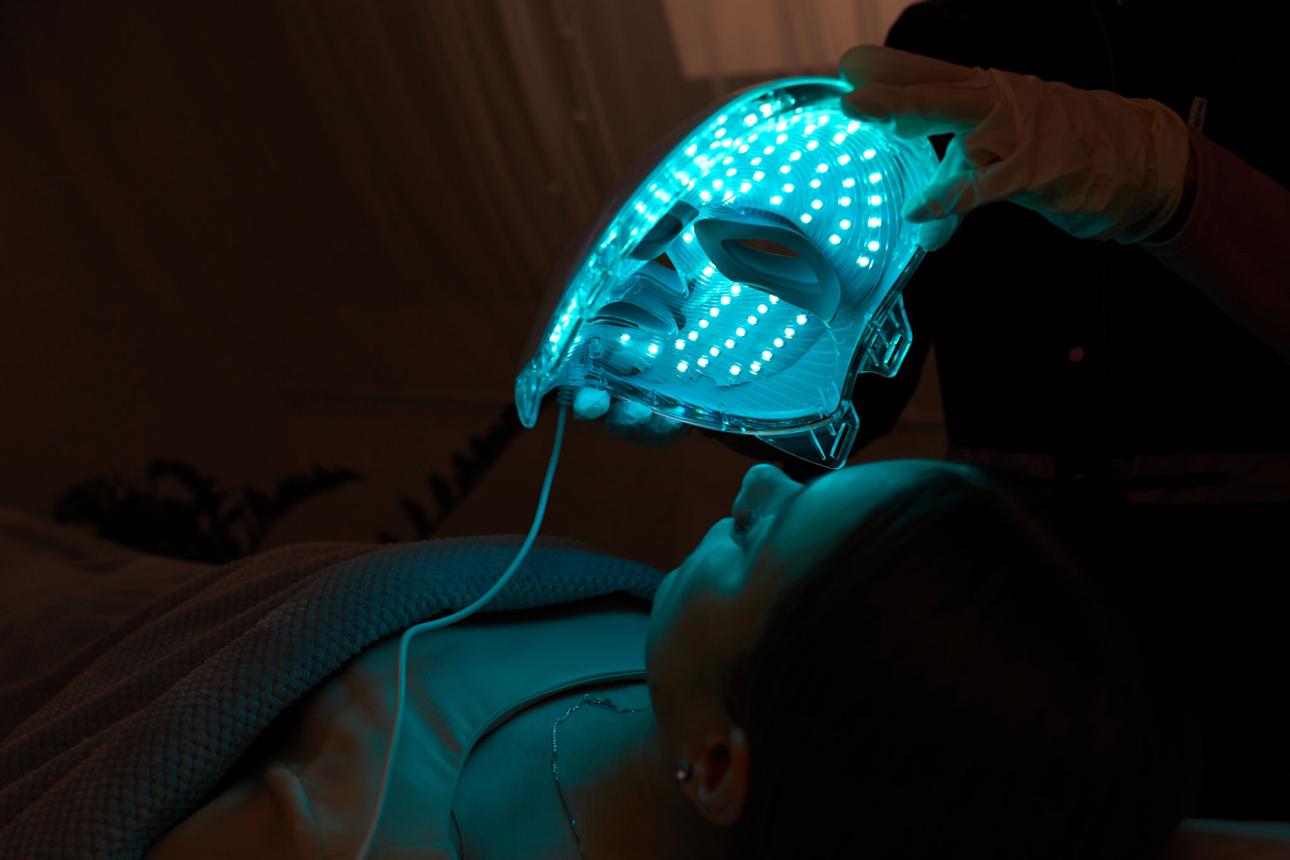
For professional beauty clinics, PDT devices are not just supportive tools—they are multi-functional systems that enhance treatment outcomes, expand service offerings, and provide clients with visible and reliable results.
Background/Problem
Many common skin concerns share underlying challenges that are difficult to address with traditional methods alone:
- Acne caused by bacteria and excess sebum
- Chronic inflammation and redness
- Uneven skin tone and pigmentation
- Slower skin regeneration
Traditional approaches often fall short because:
- Topical treatments have limited penetration
- Manual procedures may irritate the skin
- Results can be inconsistent or slow
Clients today seek treatments that are:
- Non-invasive
- Effective across multiple conditions
- Safe for repeated use
Photodynamic therapy meets these needs by combining targeted action with gentle treatment delivery.
Technology/Mechanism
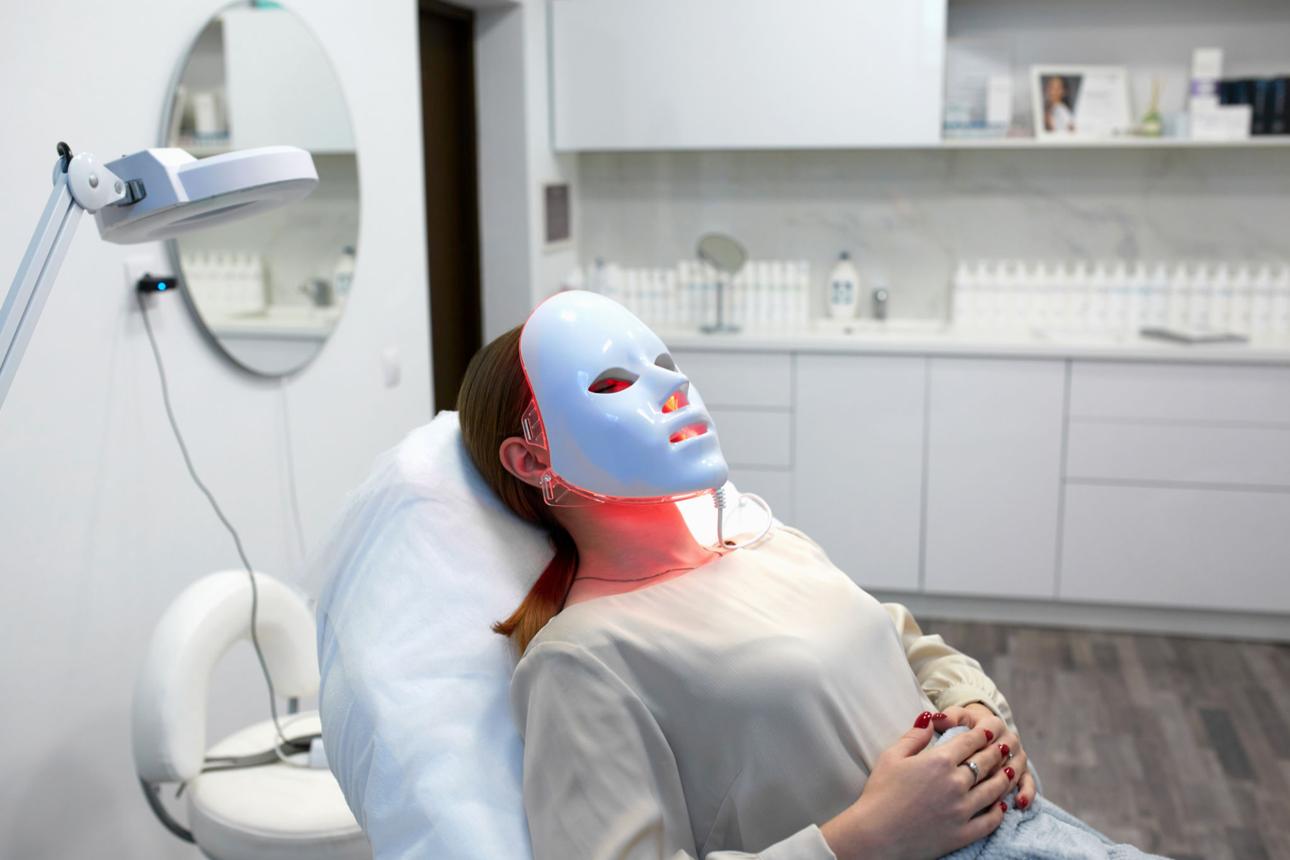
Photodynamic therapy works through the interaction of light energy and photosensitive substances within the skin.
1. Application of Photosensitizing Agents
A light-sensitive substance is applied to the skin.
- Absorbed by targeted cells or bacteria
- Prepares the skin for light activation
2. Light Activation (LED or Laser)
The skin is exposed to specific wavelengths of light.
- Activates the photosensitizer
- Triggers a controlled biological reaction
3. Targeted Cellular Response
The activated process affects specific skin components.
- Destroys acne-causing bacteria
- Reduces inflammation
- Regulates sebaceous activity
4. Skin Regeneration Stimulation
The treatment supports natural healing and renewal.
- Improves skin texture
- Enhances overall skin health
Different light wavelengths provide different benefits:
- Blue light: targets acne-causing bacteria
- Red light: reduces inflammation and promotes healing
- Other wavelengths: support rejuvenation and balance
Professional PDT devices are designed with:
- Multi-wavelength light sources
- Adjustable intensity levels
- Full-face or targeted treatment modes
This allows clinics to customize treatments based on specific skin concerns.
Advantages/Comparison
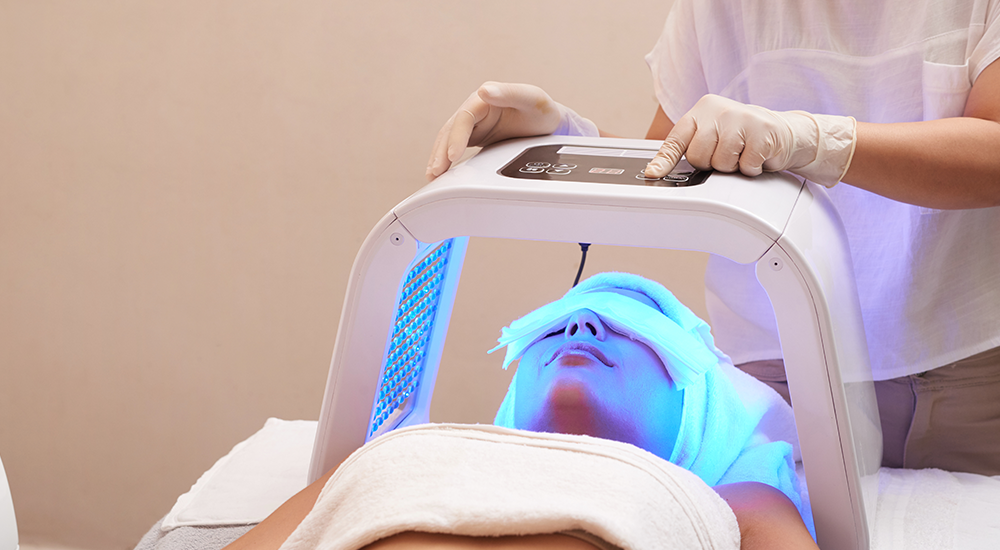
From a device-centered perspective, PDT offers several advantages over traditional skin treatments.
1. Targeted and Selective Treatment
Acts on specific skin concerns without affecting surrounding tissue.
2. Non-Invasive and Safe
No mechanical damage or aggressive procedures required.
3. Multi-Functional Capability
Treats acne, inflammation, and skin rejuvenation simultaneously.
4. Comfortable Treatment Experience
Clients typically experience minimal discomfort.
5. Suitable for Repeated Use
Can be integrated into regular skincare routines.
6. Superior to Single-Method Treatments
Compared to topical or manual treatments, PDT devices provide:
- Deeper biological impact
- More consistent results
- Broader treatment scope
From a business perspective, PDT systems are versatile and cost-effective, making them valuable additions to clinic service portfolios.
Applications/Client Needs
In professional aesthetic clinics, PDT is widely used for various skin conditions and treatment programs.
For acne-prone skin, PDT helps reduce bacteria and control oil production.
For sensitive or inflamed skin, it calms irritation and supports healing.
For dull or aging skin, it improves texture and promotes regeneration.
Typical treatment protocols include:
- Skin cleansing and preparation
- Application of photosensitizing solution (if required)
- PDT light treatment with selected wavelengths
- Post-treatment hydration and soothing care
PDT is often combined with other technologies such as ultrasonic cleansing, RF, or oxygen infusion to enhance overall results.
For clinics, PDT devices are high-frequency-use systems that support both standalone treatments and integrated skincare programs.
Conclusion
Photodynamic therapy provides a powerful and versatile approach to skin treatment by combining light energy with targeted biological activation.
Through its ability to address multiple skin concerns—such as acne, inflammation, and uneven tone—PDT offers safe, non-invasive, and effective solutions for modern aesthetic practice.
For professional beauty clinics, investing in PDT devices enhances treatment flexibility, improves client satisfaction, and supports the development of comprehensive skincare programs.
As demand continues to grow for advanced yet gentle treatments, photodynamic therapy will remain a key technology in achieving healthy and balanced skin.
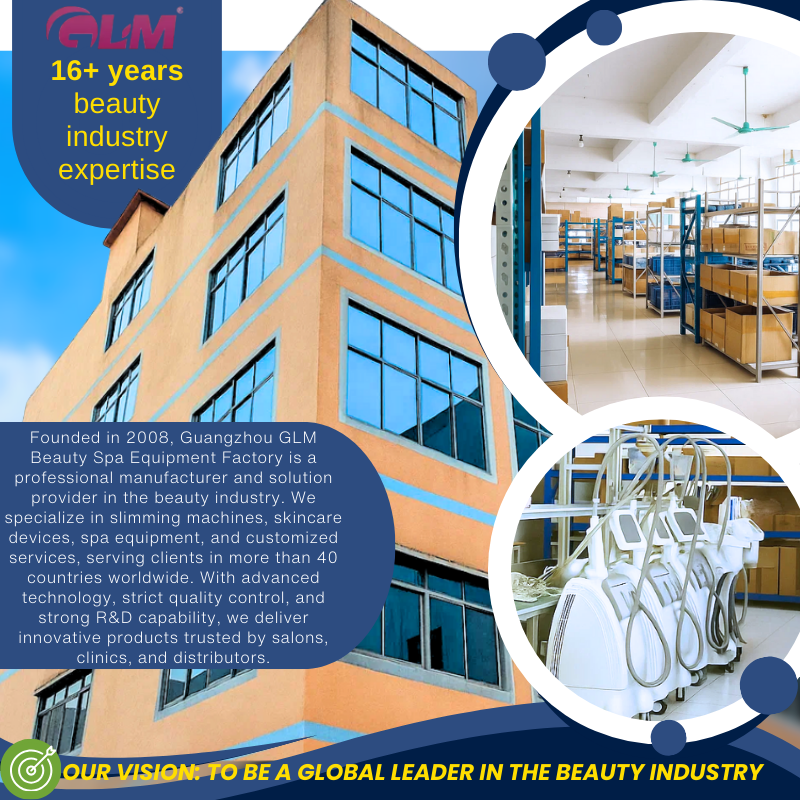
Founded in 2008, Guangzhou GLM Beauty Spa Equipment Factory specializes in research, development, manufacture and selling of beauty and slimming machines. Our production base is located in Guangzhou City, Guangdong Province, China. Since our foundation, we have introduced advanced technologies and equipment, to assure high quality and high performance of our products. With professional marketing guide and excellent after-sales service, our products have been exported to over 20 countries and regions, including Southeast Asia, the Middle East, Europe and the United States, won worldwide praises and gained a good reputation.