Introduction
Skin regeneration is one of the most sought-after outcomes in aesthetic medicine. Clients want smoother texture, tighter skin, improved tone, and reduction of fine lines — without downtime or invasive surgery.
Among emerging technologies, plasma-based devices have gained attention for their ability to stimulate natural repair processes. Unlike traditional thermal or mechanical methods, plasma energy works at the surface level while triggering deeper biological responses.
To understand why clinics are increasingly adopting plasma systems, we need to examine how this technology interacts with skin tissue and how it activates regeneration pathways.
Background: What Is Plasma in Aesthetic Technology?
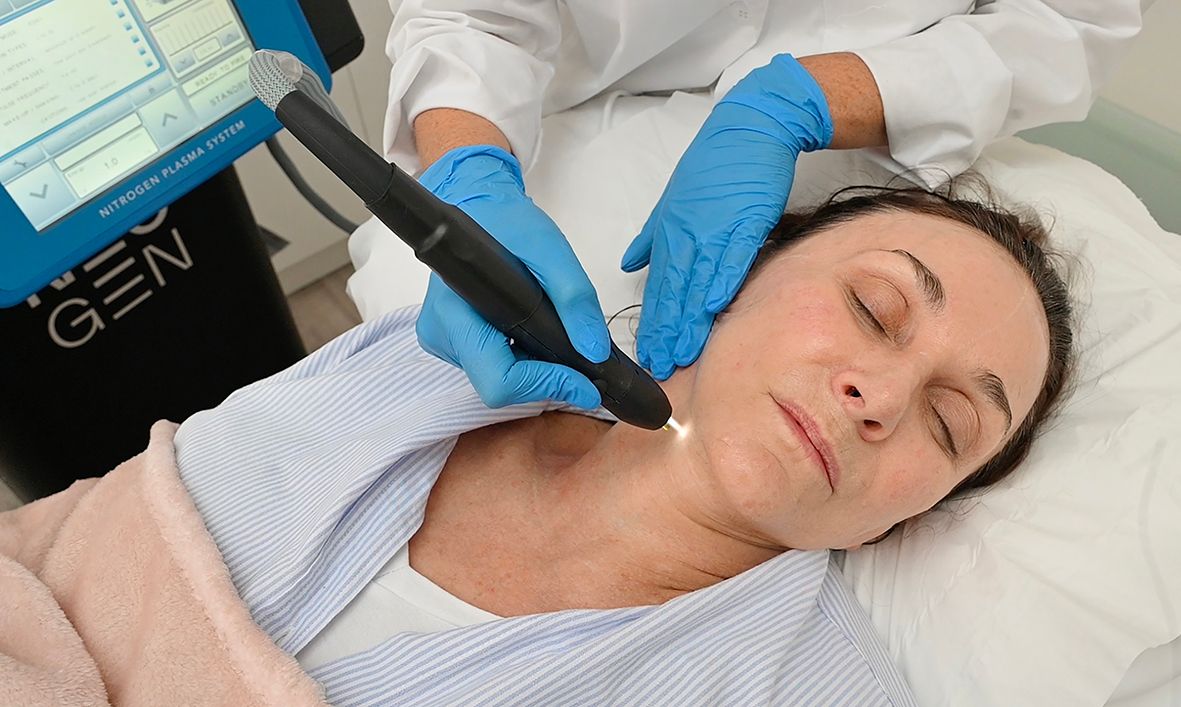
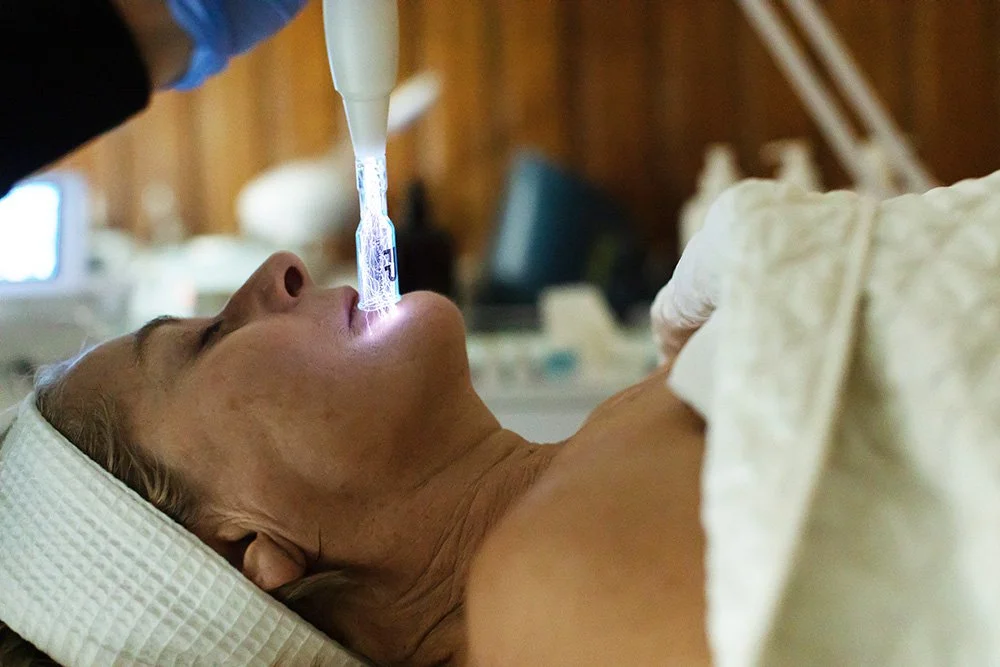
Plasma is often referred to as the “fourth state of matter,” after solid, liquid, and gas. In aesthetic applications, plasma is created by ionizing gas in the air using controlled electrical energy. This forms a small arc of energy between the device tip and the skin surface.
Importantly, plasma devices do not require direct contact with tissue. The micro-arc causes controlled micro-injuries in the epidermis while preserving surrounding areas. This controlled stimulation initiates a healing cascade — the foundation of skin regeneration.
Plasma differs from laser systems because it does not rely on chromophore targeting (such as melanin or hemoglobin). Instead, it delivers precise sublimation or thermal stimulation at the surface, making it adaptable for multiple skin types when used correctly.
Technology & Mechanism: How Plasma Triggers Regeneration
Skin regeneration occurs through a structured biological process. Plasma technology activates this process in several ways:
1. Controlled Micro-Trauma
When plasma energy touches the skin surface, it creates tiny, localized thermal points. These micro-injuries:
-
Stimulate keratinocyte turnover
-
Activate fibroblasts
-
Trigger wound-healing responses
The body interprets this as minor controlled damage and begins repair immediately.
2. Collagen Remodeling
Fibroblasts are responsible for producing collagen and elastin. Plasma stimulation activates these cells, leading to:
-
Increased collagen production
-
Improved elasticity
-
Firmer skin texture
Similar principles are seen in collagen-stimulating systems like Fibroblast Plasma Pen technologies, which focus on non-surgical skin tightening.
3. Epidermal Renewal
Plasma energy causes sublimation of superficial skin cells without cutting or deep ablation. This promotes:
-
Faster cell turnover
-
Smoother texture
-
More even tone
The regeneration cycle typically progresses over several weeks as new skin replaces treated areas.
4. Stimulation of Growth Factors
The healing cascade triggered by plasma increases:
-
Transforming growth factors
-
Platelet activity
-
Cellular signaling for repair
This biochemical response is what supports visible regeneration rather than temporary surface improvement.
Advantages Compared to Other Regeneration Technologies
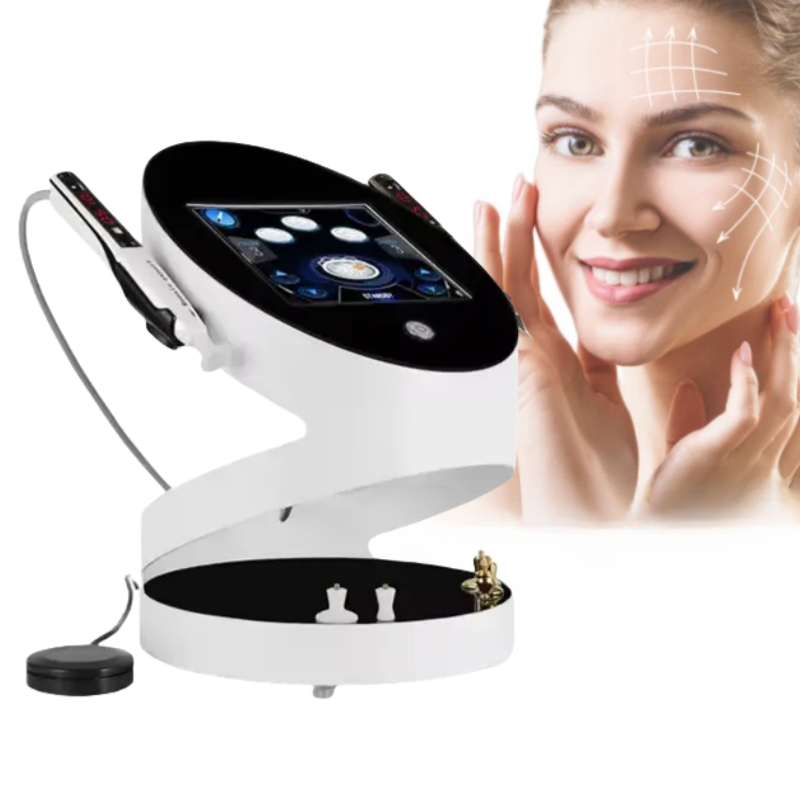
When evaluating skin renewal technologies, clinics often compare plasma with lasers, microneedling, or radiofrequency.
| Technology | Mechanism | Downtime | Regeneration Depth |
|---|---|---|---|
| Laser | Light-based thermal targeting | Moderate | Surface to mid-dermis |
| Microneedling | Mechanical microchannels | Mild | Dermal stimulation |
| RF | Deep thermal heating | Mild to moderate | Deep dermis |
| Plasma | Surface sublimation + thermal stimulation | Mild to moderate | Epidermal & superficial dermal activation |
Plasma offers a unique balance: visible tightening and regeneration without extensive tissue removal.
Devices like Plasma BT demonstrate how controlled plasma arcs can target delicate areas such as eyelids with precision.
Applications in Professional Clinics
Plasma technology is widely applied for:
1. Skin Tightening
Particularly effective for:
-
Upper eyelids
-
Lower eyelids
-
Neck laxity
-
Fine perioral lines
Because plasma causes tissue contraction at micro points, visible tightening occurs as healing progresses.
2. Texture Improvement
Plasma supports improvement in:
-
Acne scars
-
Enlarged pores
-
Uneven skin surface
By encouraging epidermal turnover and collagen remodeling, texture becomes smoother over time.
3. Spot Treatment
Plasma systems allow targeted correction of:
-
Benign skin irregularities
-
Surface imperfections
-
Localized laxity
This precision is valuable in professional clinic settings.
Biological Timeline of Regeneration
Understanding the regeneration timeline helps manage client expectations:
Immediately Post-Treatment
-
Micro crust formation
-
Mild redness or swelling
3–7 Days
-
Crust shedding
-
New epidermal layer visible
2–4 Weeks
-
Collagen remodeling begins
-
Skin feels firmer
6–12 Weeks
-
Visible tightening and smoother texture
-
Continued collagen maturation
True regeneration takes time. Clinics that educate clients properly see higher satisfaction rates.
Safety and Professional Considerations
Plasma devices require:
-
Proper training
-
Controlled energy settings
-
Accurate treatment mapping
Over-treatment can increase downtime, while under-treatment limits results. Precision is critical.
Modern professional systems incorporate:
-
Adjustable energy levels
-
Safety arc control
-
Insulated handpieces
-
Clinical-grade calibration
When used correctly, plasma technology is considered non-surgical and minimally invasive.
Why Clinics Are Adding Plasma Systems
From a business perspective, plasma technology offers several advantages:
-
High perceived innovation value – Clients associate plasma with advanced medical aesthetics.
-
Versatile treatment range – Can address multiple concerns with one platform.
-
Strong ROI potential – Regeneration-focused treatments command premium pricing.
-
Non-surgical positioning – Appeals to clients avoiding invasive procedures.
Clinics that combine plasma with complementary technologies such as RF or ultrasound often provide layered regeneration protocols for enhanced outcomes.
Conclusion
Plasma technology supports skin regeneration by creating controlled micro-injuries that activate natural healing pathways. Through fibroblast stimulation, collagen remodeling, and epidermal renewal, plasma delivers visible tightening and texture improvement over time.
For modern aesthetic clinics, plasma systems represent a powerful tool: precise, versatile, and capable of stimulating authentic biological regeneration rather than temporary surface correction.
As client demand shifts toward non-invasive yet effective rejuvenation, plasma technology continues to secure its place in advanced professional treatment portfolios.
Founded in 2008, Guangzhou GLM Beauty Spa Equipment Factory specializes in research, development, manufacture and selling of beauty and slimming machines. Our production base is located in Guangzhou City, Guangdong Province, China. Since our foundation, we have introduced advanced technologies and equipment, to assure high quality and high performance of our products. With professional marketing guide and excellent after-sales service, our products have been exported to over 20 countries and regions, including Southeast Asia, the Middle East, Europe and the United States, won worldwide praises and gained a good reputation.