
Introduction
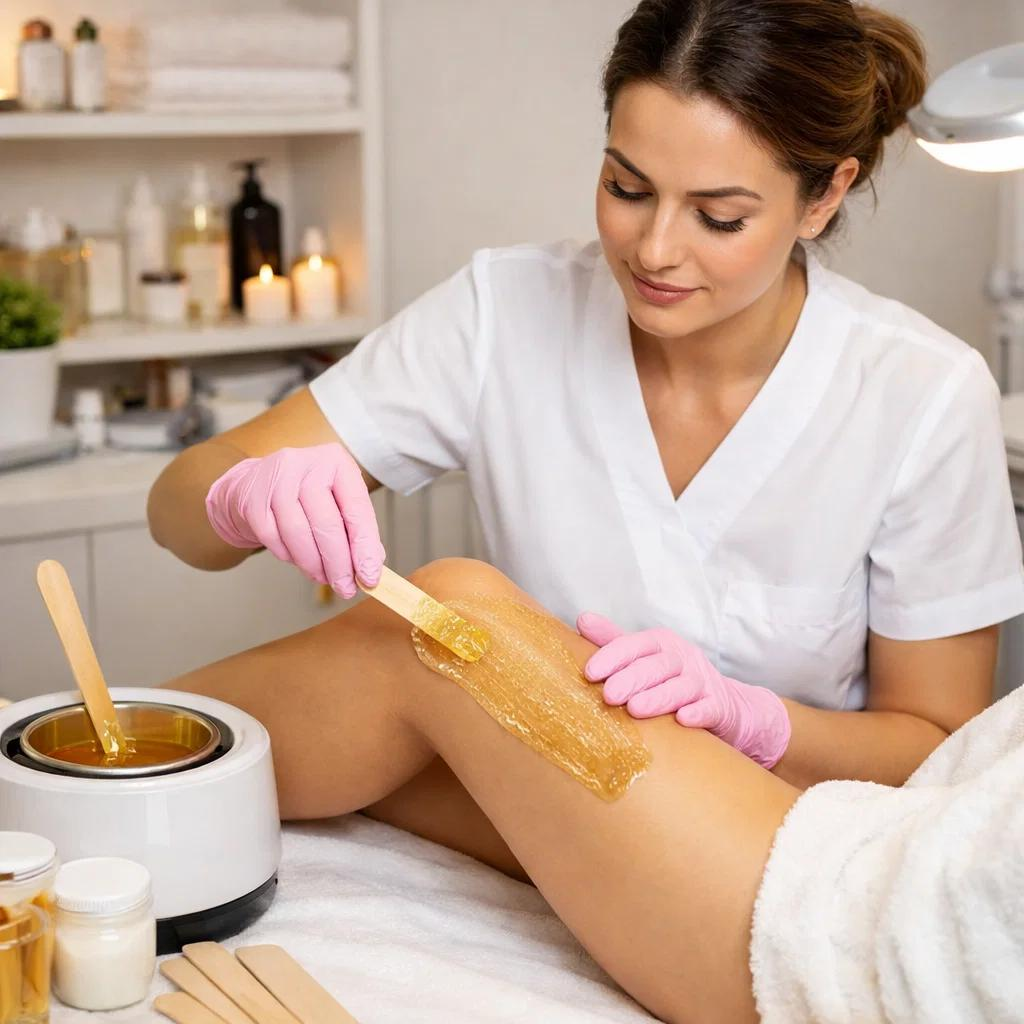
Waxing remains one of the most widely offered hair-removal services in professional beauty salons, spas, and aesthetic clinics. Its appeal is straightforward: waxing can remove hair from the root, provide a smooth skin surface, and fit easily into a salon's existing treatment menu. However, a professional waxing treatment involves much more than simply applying wax and removing it.
For salons, safe waxing is a complete treatment process. Skin assessment, temperature control, hygiene, application technique, removal technique, client communication, and post-treatment care all influence the quality of the experience. When these elements are managed correctly, salons can reduce unnecessary skin irritation while delivering consistent and efficient services.
Professional beauty equipment can also support this process. Wax warmers with stable temperature control, treatment beds with adjustable positioning, magnifying lamps, skin-analysis devices, and professional sanitation equipment can help operators work with greater precision and consistency. These tools do not replace the skill of a trained professional; instead, they create a more controlled environment in which professional techniques can be applied effectively.
This article explains how modern salons approach safe waxing treatments, the technology behind professional waxing equipment, and how equipment selection can improve both treatment quality and operational efficiency.
Background: Why Safe Waxing Requires Professional Control
Waxing temporarily removes hair by attaching wax to the hair and pulling it out from the follicle. Depending on the wax formula and treatment area, the procedure can be performed using hard wax or soft wax.
Although waxing is generally considered a routine beauty service, the process can place temporary stress on the skin. Clients may experience redness, sensitivity, mild swelling, or discomfort immediately after treatment. Poor temperature control, inappropriate products, excessive pressure, repeated application to the same area, or inadequate hygiene can increase the risk of irritation.
The client's individual skin condition also matters.
A professional operator should consider factors such as skin sensitivity, existing irritation, recent exfoliation, sun exposure, medications, and previous reactions to waxing. Certain areas—including the face, bikini area, and underarms—also require more careful technique because the skin may be more delicate or the hair may have different growth characteristics.
This is where the difference between a professional salon treatment and an improvised home treatment becomes particularly relevant.
At home, users may have limited control over wax temperature, application thickness, working position, lighting, sanitation, and skin assessment. Professional salons can integrate dedicated equipment and standardized procedures into the treatment workflow, allowing operators to maintain better control over each stage.
Technology and Mechanism: How Professional Waxing Equipment Supports Safer Treatments
The waxing process itself is relatively simple, but professional equipment can make the procedure more controlled.
1. Temperature-Controlled Wax Heating
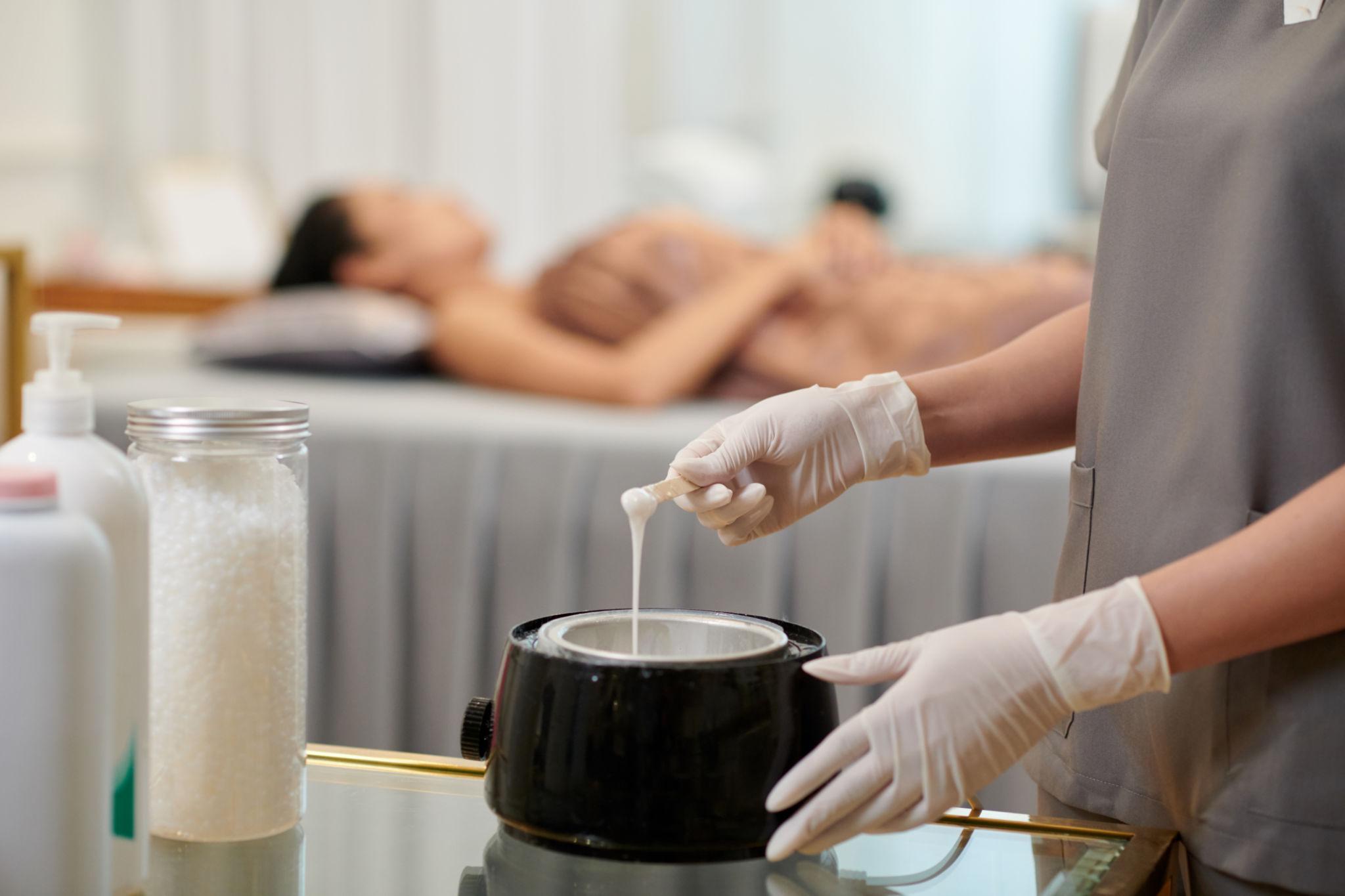
One of the most important pieces of equipment in a professional waxing station is the wax warmer.
Wax must reach an appropriate working consistency before application. If it is too cool, the wax may become difficult to spread and may pull unnecessarily on the skin. If it is excessively hot, it can cause discomfort or potentially damage the skin.
Professional wax heaters are designed to maintain a more stable temperature than improvised heating methods. Many models use adjustable temperature controls and thermostatic systems to regulate heat during operation.
This creates a more consistent workflow: the operator can prepare the wax, maintain its working condition, and focus on the client rather than repeatedly adjusting the heating process
2. Adjustable Treatment Beds
The treatment environment also influences safety and operator efficiency.
An adjustable professional treatment bed allows the client to be positioned appropriately for different body areas. For example, leg waxing, back waxing, facial waxing, and bikini waxing require different working angles.
Better positioning allows the operator to maintain more consistent hand movement and visibility. It can also improve client comfort by reducing unnecessary movement during treatment.
For salons offering multiple aesthetic services, a multifunctional treatment bed can be particularly valuable because the same platform may support waxing, facials, body treatments, skin analysis, and other professional procedures.
3. Professional Lighting and Magnification
Lighting is sometimes underestimated in waxing services.
Fine or light-colored hair can be difficult to identify under poor lighting conditions. Shadows can also make it harder for an operator to see the treatment area clearly.
Professional LED treatment lamps or magnifying lamps can provide focused illumination. This is particularly useful for detailed facial waxing around areas such as the eyebrows, upper lip, and chin.
The objective is not simply to make the treatment area brighter. Better illumination can help the operator identify remaining hairs, observe the skin surface, and work more precisely.
4. Skin Analysis Before Treatment
Although a skin analyzer is not required for every waxing service, it can add value to a more advanced salon workflow.
Digital skin-analysis equipment can help operators observe characteristics such as surface condition, dryness, oiliness, or visible areas of concern. This information can be incorporated into the consultation process.
For example, if a client's skin appears particularly dry or compromised, the operator may decide that waxing is not appropriate at that moment or may adjust the treatment plan.
This reflects an important shift in modern beauty services: professional treatments are increasingly moving from a one-size-fits-all approach toward consultation-based treatment selection.
Professional Waxing Workflow: From Consultation to Aftercare
Safe waxing is best understood as a sequence rather than a single procedure.
Step 1: Client Consultation
Before treatment, the operator should discuss the client's expectations and relevant skin history.
Questions may include whether the client has experienced previous reactions, whether the area has recently been exposed to strong sunlight or aggressive exfoliation, and whether there are visible signs of irritation.
The operator should also inspect the treatment area and determine whether waxing is appropriate.
Step 2: Skin Preparation
The skin should be clean and appropriately prepared before waxing.
Depending on the area and product system, professional operators may cleanse the skin and ensure that it is free from excessive oil, sweat, cosmetics, or other substances that could interfere with wax adhesion.
Preparation should be appropriate to the client's skin condition rather than excessively aggressive.
Step 3: Controlled Wax Application
The operator applies wax in a controlled layer according to the product's instructions and the direction of hair growth.
Professional technique matters here. Excessively thick application can make removal difficult, while inconsistent application can affect hair removal efficiency.
Temperature should also be checked before the wax is applied to the treatment area.
Step 4: Correct Removal Technique
Removal should be performed using controlled movement while supporting the surrounding skin appropriately.
The goal is efficient hair removal without repeatedly stressing the same area.
An experienced operator also understands that different body regions require different approaches. Facial hair, for example, may require more precise application and smaller working sections than larger areas such as the legs.
Step 5: Post-Wax Skin Care
After waxing, the skin should be treated gently.
Depending on the professional product system, soothing or cooling products may be used to help provide a more comfortable post-treatment experience.
Cooling technology can be particularly useful in professional beauty environments because controlled cooling can help improve client comfort after treatments that temporarily increase skin sensitivity.
This is another area where professional equipment can complement manual treatment. Rather than relying only on household cooling methods, salons can use purpose-designed cooling systems or professional skin-care equipment according to the treatment protocol.
Advantages and Comparison: Professional Salon Waxing vs. Home Waxing
The biggest difference between professional and home waxing is not necessarily the wax itself. It is the level of control surrounding the treatment.
| Aspect | Home Waxing | Professional Salon Waxing |
|---|---|---|
| Temperature control | Often limited | Dedicated temperature-controlled equipment |
| Skin assessment | Usually basic | Professional consultation and observation |
| Treatment position | Limited | Adjustable professional treatment beds |
| Lighting | General room lighting | Focused professional illumination |
| Technique | User-dependent | Trained operator |
| Hygiene workflow | Household environment | Standardized professional sanitation |
| Treatment customization | Limited | Adapted to area and client needs |
| Aftercare | Often basic | Professional products and equipment |
Professional salons also have an operational advantage. Equipment designed specifically for beauty treatments can improve workflow consistency.
A reliable wax warmer can maintain working temperature throughout multiple appointments. An adjustable bed can reduce setup time between different treatment areas. Professional lighting can improve visibility. Supporting equipment can help create a treatment environment that feels organized and professional.
These details influence the client experience even when the client does not consciously notice each individual device.
Applications and Client Needs
Waxing can be integrated into a wide range of professional beauty services.
Facial Waxing
Facial waxing requires precision because the treatment area is relatively small and visible. Professional lighting and magnification can be particularly useful for detailed work.
Common areas include the eyebrows, upper lip, chin, and sideburn region.
Body Waxing
Legs, arms, back, chest, and abdomen are common body-waxing areas. For these services, treatment-bed positioning and efficient workflow become especially important.
A salon serving multiple clients per day benefits from equipment that allows operators to move efficiently from one treatment stage to another.
Bikini and Intimate-Area Waxing
These services require particularly careful consultation, hygiene, positioning, and communication. The operator must work according to professional training and the client's comfort level.
Dedicated treatment equipment can help provide better positioning and a more controlled working environment.
Spa and Multi-Service Beauty Businesses
Waxing is often offered alongside facials, body contouring, skin analysis, massage, and other aesthetic services.
For these businesses, multifunctional equipment can help maximize treatment-room utilization. A professional salon does not necessarily need a separate device for every service; strategically selected equipment can support multiple workflows while maintaining a professional appearance.
Building a More Professional Waxing Experience
For salon owners, safe waxing should be considered both a treatment-quality issue and a business-management issue.
A consistent waxing protocol can help operators deliver a more predictable experience across different appointments. Equipment should support this protocol rather than complicate it.
A practical professional setup may include:
- A temperature-controlled professional wax warmer
- An adjustable treatment bed
- Professional LED or magnifying lighting
- Appropriate sanitation equipment and disposable supplies
- Skin-analysis equipment where consultation-based services are offered
- Professional cooling or soothing equipment where appropriate
- Clearly defined pre-treatment and aftercare procedures
The value of professional equipment is therefore not limited to technical specifications. The larger benefit is control, repeatability, efficiency, and professional presentation.
For equipment manufacturers and salon owners, this is an important consideration when designing or upgrading a treatment room. A well-designed workstation should make the operator's job easier while creating a more comfortable and organized experience for the client.
Conclusion
Safe waxing treatments depend on much more than choosing the right wax. Professional results come from combining appropriate client assessment, controlled temperature, correct application and removal techniques, hygiene, suitable treatment positioning, and thoughtful aftercare.
Professional beauty equipment can strengthen this process by creating a more controlled treatment environment. Temperature-controlled wax warmers, adjustable treatment beds, professional lighting, skin-analysis systems, and cooling equipment can each contribute to greater consistency and operational efficiency when used appropriately.
For modern salons and aesthetic clinics, the goal is not simply to remove hair. It is to provide a professional, controlled, comfortable, and repeatable treatment experience.
As beauty businesses continue to expand their service menus, investing in reliable professional equipment can help transform routine waxing into a more standardized and scalable part of the salon's overall treatment system
Founded in 2008, Guangzhou GLM Beauty Spa Equipment Factory specializes in research, development, manufacture and selling of beauty and slimming machines. Our production base is located in Guangzhou City, Guangdong Province, China. Since our foundation, we have introduced advanced technologies and equipment, to assure high quality and high performance of our products. With professional marketing guide and excellent after-sales service, our products have been exported to over 20 countries and regions, including Southeast Asia, the Middle East, Europe and the United States, won worldwide praises and gained a good reputation