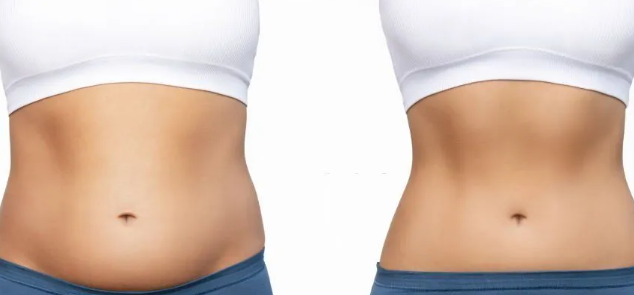
Ultrasonic Cavitation and Laser Lipolysis: A Deep Analysis and Selection Guide for Non-Invasive Body Shaping Techniques
Introduction
On the road to pursuing the ideal body shape, medical aesthetic technology has been constantly breaking through and innovating. Ultrasound Cavitation and Laser Lipolysis, as two cutting-edge non-invasive fat loss solutions, offer new options for people seeking safe and efficient ways to shape their bodies. This article will conduct an in-depth analysis of these two technologies from dimensions such as technical principles, mechanisms of action, clinical efficacy, safety and economy, to help readers make informed decisions based on their own needs.
Technical principles and mechanisms of action
Laser lipolysis: Precisely targeting fat cells
Technical Overview
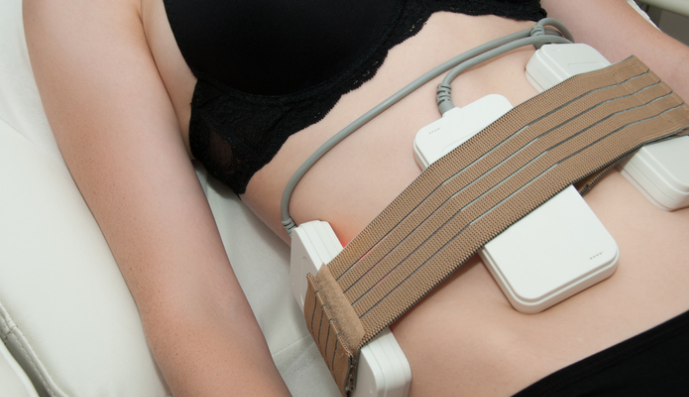
Laser lipolysis penetrates the skin's surface layer with low-energy lasers (typically with wavelengths of 1064nm or 1320nm) and selectively acts on subcutaneous fat cells. After the laser energy is absorbed by triglycerides within fat cells, a photothermal effect is triggered, causing the rupture of fat cell membranes and the release of free fatty acids and glycerol. These metabolites are metabolized and excreted from the body through the lymphatic system. At the same time, laser stimulates the regeneration of collagen in the dermis to achieve skin firmness.
Depth and scope of action
Laser lipolysis can act on deep adipose tissue (up to 1-3cm in depth), especially suitable for stubborn local fat accumulation (such as the waist and abdomen, inner thighs, and double chins). Its precise targeting property can prevent damage to the surrounding blood vessels and nerves.
Ultrasonic cavitation: The vibration of sound waves breaks down fat
Technical Overview
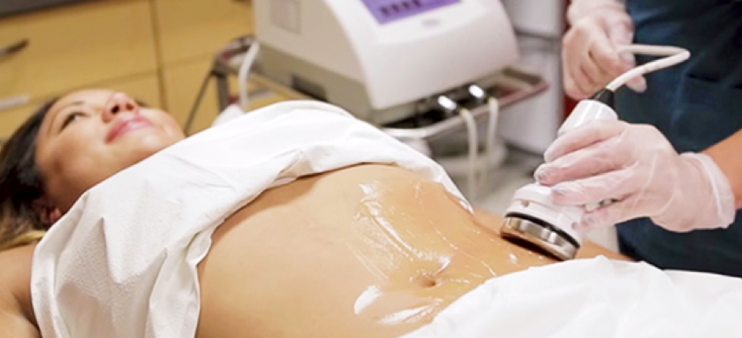
Ultrasonic cavitation utilizes high-frequency ultrasonic waves (with typical frequencies ranging from 30kHz to 40kHz) to generate microbubbles that alternately expand and compress in adipose tissue (cavitation effect). The energy released when these bubbles collapse violently can destroy the cell membranes of fat cells, causing triglycerides to break down into liquid form. Subsequently, they are metabolized by the liver and excreted through the lymphatic system.
Function characteristics
The penetration depth of ultrasonic waves is relatively shallow (about 1-2cm), making them more suitable for the decomposition of surface fat, but their efficiency on large-scale fat layers is limited. Its advantage lies in its ability to simultaneously stimulate the activity of fibroblasts, promote collagen synthesis and improve skin texture.
Comparison of core differences
Comparative dimension laser lipolysis and ultrasonic cavitation
The mechanism of action: photothermal effect destroys adipocytes; cavitation effect decomposes adipocytes
Treatment depth: Deep fat (1-3cm), surface fat (1-2cm)
Applicable areas: Stubborn local fat (double chin, waist and abdomen, thighs), superficial fat accumulation (abdomen, arms, inner thighs)
The additional effects are remarkable: mild skin tightening and enhanced metabolism
The number of treatment sessions is 3 to 6 (with an interval of 2 to 4 weeks) and 6 to 10 (with an interval of 1 week).
Each session takes 30 to 60 minutes per area and 20 to 40 minutes per area
The immediate effect is mild swelling, and the immediate reduction in circumference gradually appears within 1-2 weeks, followed by continuous metabolism
Clinical efficacy and safety assessment
Laser lipolysis: The gold standard for long-lasting body shaping
Advantage
Precise fat reduction: Especially suitable for small areas of stubborn fat
Dual benefits: reducing fat while improving loose skin
Long-lasting effect: Fat cells are permanently damaged and are less likely to rebound (health management is required)
Limitations
High cost: The expensive equipment leads to an increase in the cost of each treatment
Long treatment intervals: Excessive heat damage should be avoided
Contraindications: Contraindicated for pregnant women and patients with photosensitive diseases
clinical data
The average waist circumference was reduced by 2-4cm in a single treatment (as reported in the literature)
The improvement rate of skin elasticity is approximately 30% (evaluated by ultrasound testing)
Ultrasonic cavitation: A cost-effective entry-level choice
Advantage
Painless and non-invasive: No anesthesia required, no recovery period
Immediate feedback: A reduction in circumference can be observed immediately after treatment
The trend of household use: The popularization of portable devices lowers the threshold for use
Limitations
The effect depends on metabolism: It needs to be combined with exercise and diet management
Multiple treatment requirements: The amount of fat breakdown in a single treatment is limited
Contraindications: Patients with liver diseases and circulatory disorders should use with caution
clinical data
The average thigh circumference decreased by 3.2cm after 6 treatments (double-blind experiment)
Skin density increases by 15% (bioelectrical impedance detection)
Cost-benefit analysis
Expenditure item: Laser lipolysis and ultrasonic cavitation
Single cost: 500-1500 (priced by region/area), 200-800 (determined by equipment type)
The total cost of the treatment course is 1500-4500 (3-6 sessions) and 1200-4000 (6-10 sessions).
Consumable cost: Laser head wear (about $100 per time), coupling gel consumption (5-20 per time)
Time cost: 3 to 6 visits (1 hour each), 6 to 10 visits (0.5 hour each)
Cost performance Index ★★★★ (Long-term value) ★★★☆ (Short-term effect + advantages for home use)
Select strategies and combination schemes
Decision matrix
Priority consideration factors are recommended for selection
Laser lipolysis for stubborn deep fat
Superficial fat + skin laxity - ultrasound cavitation + radiofrequency skin tightening
Budget-sensitive ultrasonic cavitation (Household equipment)
Quick results require ultrasonic cavitation
Long-term contour maintenance laser lipolysis
Synergistic treatment plan
Laser lipolysis + radiofrequency skin tightening
First, use laser to destroy the deep fat
Tighten the dermis immediately through radiofrequency heating
Indications: Postpartum abdominal laxity and butterfly-shaped sleeves on the arms
Ultrasound cavitation + lymphatic drainage
After the fat is decomposed by ultrasound
Lymphatic massage can accelerate metabolism
Indications: Orange peel tissue, local edema
Stratified treatment strategy
Deep: Laser lipolysis for stubborn fat treatment
Surface layer: Ultrasonic cavitation optimization contour
Skin layer: Fractional laser promotes collagen regeneration
Safety Operation Specifications and Risk Warnings
Must-read before treatment
Contraindication screening
Laser lipolysis: photosensitive diseases, pregnancy, thyroid diseases
Ultrasound cavitation: Implantable electronic devices (such as cardiac stents), acute infections
Parameter setting principle
Laser lipolysis: Adjust the energy density according to the Fitzpatrick skin classification
Ultrasonic cavitation: Select the probe frequency based on the thickness of the fat layer (30kHz is suitable for shallow layers, and 40kHz is suitable for deep layers)
Key points of postoperative care
Avoid hot compresses within 24 hours
Drinking 2 liters of water every day can accelerate metabolism
Avoid strenuous exercise for 72 hours
Complication management
Complication rate and management plan
For temporary erythema, 85% cold compress + moisturizing repair
For mild ecchymosis, take 15% oral vitamin C and avoid pressing
For skin unevenness less than 1%, adjust the parameters through massage and secondary treatment
For fat nodules <0.5%, enzymatic hydrolysis injection + local pressurization
Frequently Asked Questions
Q1: Can ultrasonic cavitation replace liposuction surgery?
A: No. Ultrasound cavitation is suitable for local fat improvement with BMI<30, while liposuction is more suitable for large-scale fat removal.
Q2: Does laser lipolysis rebound?
A: Damaged fat cells will not regenerate, but the remaining fat cells may increase in volume and require health management.
Q3: Is the effect of home ultrasonic equipment professional?
A: The power of household appliances is relatively low. The frequency of treatment needs to be increased (2-3 times per week), which is suitable for maintenance treatment.
Q4: Can the two treatments be carried out simultaneously?
A: It is recommended to have an interval of 2 to 4 weeks to avoid superimposed thermal effect damage.
Q5: Will the treatment affect fertility?
A: There is no clear evidence that it affects fertility, but it is recommended that women preparing for pregnancy complete the treatment six months before conception.
Conclusion
Ultrasonic cavitation and laser lipolysis, as representatives of non-invasive fat reduction techniques, each have their own areas of advantage: Laser lipolysis is known for its precise and deep effects and is suitable for those seeking long-term contour improvement; Ultrasonic cavitation is renowned for its high cost-effectiveness and immediate results, making it suitable for budget-sensitive individuals or those who need quick results. By scientifically assessing one's own needs, strictly screening the operating institutions, and following the postoperative care norms, both of these techniques can become effective AIDS on the road to body shaping. In the future, with the development of technological integration (such as multimodal devices), personalized treatment plans will be more targeted, bringing more possibilities to those seeking beauty.
GLM is a specialized beauty instrument factory that produces instruments for a variety of functions, including weight loss devices. We have vacuum negative press, radio frequency fat blasting equipment, frozen fat dissolving machine and EMS body shaping machine. GLM is a 14 year old supplier of beauty instruments with guaranteed quality.https://gdglmbeauty.com/