
Introduction
In modern aesthetic practice, guesswork is expensive.
Clients expect personalized solutions, visible results, and professional credibility. Yet many treatment plans still rely heavily on visual inspection under room lighting. While experience matters, human observation alone cannot detect subsurface pigmentation, dehydration levels, or early collagen degradation.
This is where professional skin analysis devices change the game.
Data-driven diagnostics allow clinics to move from assumption-based treatments to precision-based protocols. The result? Higher accuracy, stronger client trust, and improved long-term outcomes.
Background: The Limits of Visual Consultation
Traditional skin consultation typically involves:
-
Surface observation
-
Manual touch assessment
-
Client-reported concerns
-
Standard questionnaire
The problem is simple:
The eye sees only the surface.
Conditions like:
-
UV-induced pigmentation
-
Early vascular changes
-
Sebum imbalance
-
Subclinical inflammation
-
Hidden pore congestion
…may not be clearly visible in natural light.
When diagnosis is incomplete, treatment selection becomes generalized instead of targeted. That reduces both effectiveness and client satisfaction.
What Are Professional Skin Analysis Devices?
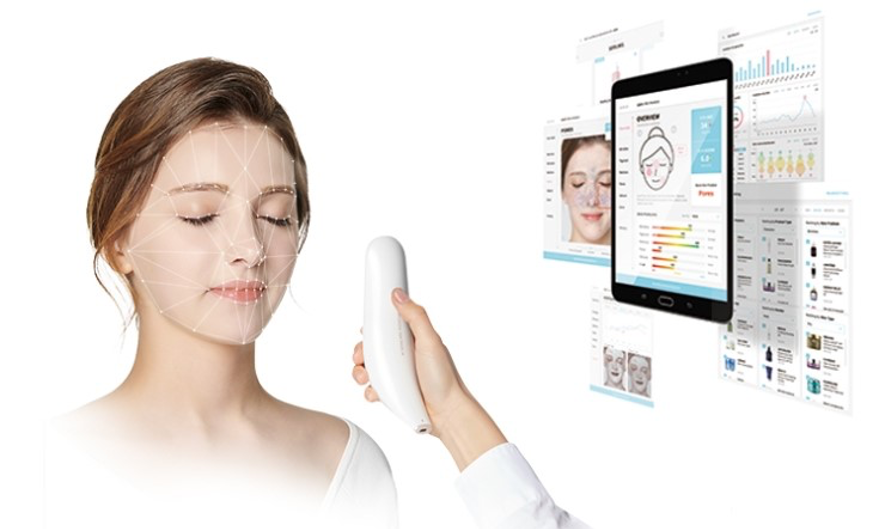
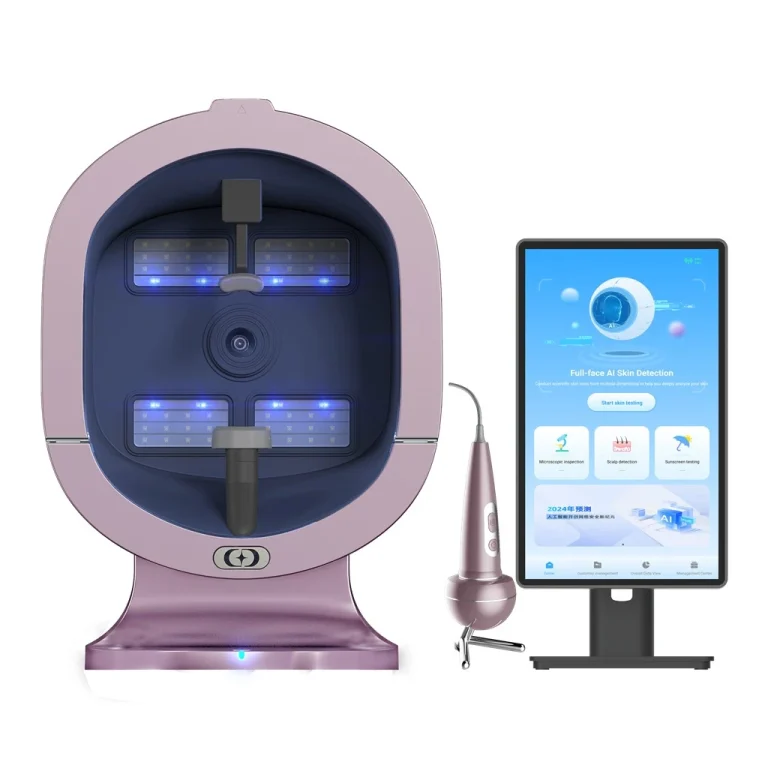
Skin analysis systems combine:
-
High-resolution imaging
-
Multi-spectrum light (UV, polarized, RGB)
-
AI-based pattern recognition
-
Moisture and oil sensors
-
Wrinkle and pore mapping algorithms
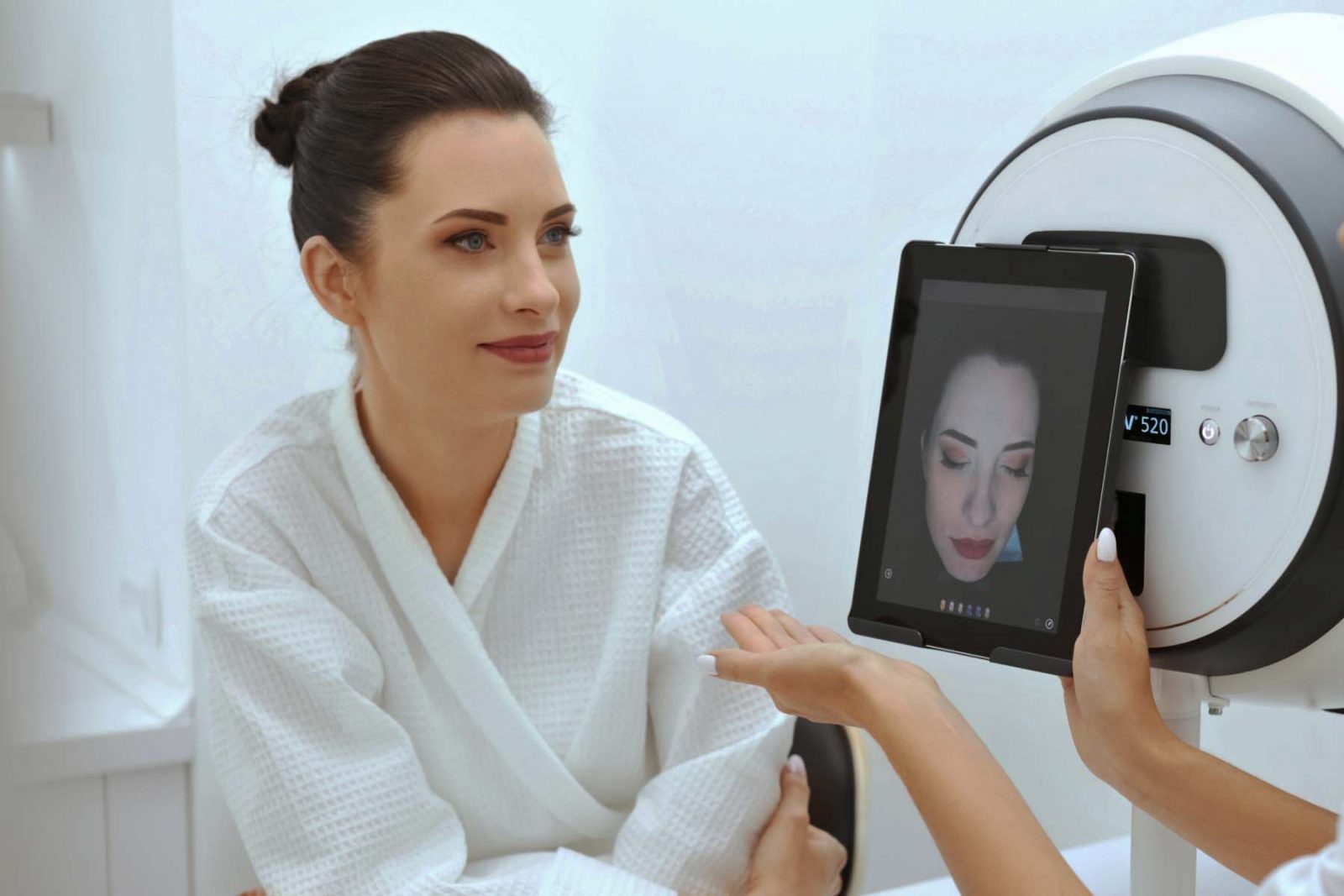
Advanced platforms such as VISIA systems use multi-spectral photography to reveal hidden pigmentation and vascular conditions beneath the skin surface.
These devices transform subjective evaluation into measurable data.
Technology & Mechanism: How Accuracy Is Improved
Skin analyzers improve treatment precision through several mechanisms:
1. Multi-Spectral Imaging
Different wavelengths of light reveal different skin structures:
-
UV light → sun damage & bacterial fluorescence
-
Polarized light → vascular structures
-
Cross-polarized imaging → subsurface pigmentation
-
Standard light → texture and wrinkles
By layering these images, practitioners gain a comprehensive skin profile.
This prevents misdiagnosis between similar-looking conditions (e.g., pigmentation vs vascular redness).
2. Quantitative Data Measurement
Instead of saying:
“Your pores look large,”
The system reports measurable values such as:
-
Pore count and size index
-
Wrinkle depth score
-
Sebum level
-
Moisture percentage
-
Pigmentation density
Quantifiable metrics allow:
-
Objective treatment planning
-
Progress tracking
-
Before-and-after comparison
Clinics using digital analysis often report higher client compliance because improvement becomes visible in numbers.
3. AI-Based Pattern Recognition
Modern systems use machine learning to compare client skin against large databases. Devices similar in function to OBSERV platforms analyze patterns invisible to the naked eye.
AI assistance helps practitioners:
-
Identify early aging signs
-
Detect underlying dehydration
-
Recognize uneven melanin distribution
-
Predict potential skin risks
This reduces human bias and increases diagnostic consistency.
4. Personalized Treatment Mapping
With precise data, clinics can:
-
Select appropriate energy levels for laser
-
Customize RF intensity
-
Adjust HIFU depth targeting
-
Choose specific serum protocols
-
Plan multi-session strategies
For example, if analysis shows deeper dermal dehydration rather than surface dryness, a practitioner may prioritize ultrasound infusion over simple topical hydration.
Accuracy reduces over-treatment and under-treatment — both of which hurt results.
Advantages Over Manual Assessment
| Manual Consultation | Device-Assisted Analysis |
|---|---|
| Subjective | Objective |
| Limited to visible layer | Multi-layer visualization |
| No numeric tracking | Measurable data |
| Difficult to show progress | Visual comparison reports |
| Relies on practitioner memory | Digital record storage |
Precision builds credibility. Clients are more confident when they see clinical evidence supporting treatment decisions.
Clinical Applications
Skin analysis devices improve accuracy in multiple treatment categories:
1. Pigmentation Treatments
Before performing laser procedures with platforms from manufacturers like Candela, accurate melanin mapping ensures:
-
Correct wavelength selection
-
Appropriate energy setting
-
Reduced risk of post-inflammatory hyperpigmentation
2. Anti-Aging Programs
By measuring wrinkle depth and elasticity indicators, clinics can determine whether:
-
RF tightening
-
HIFU lifting
-
Microneedling
-
Collagen-stimulating therapy
…is most appropriate.
Data prevents unnecessary treatments.
3. Acne & Oil Control
Sebum analysis distinguishes between:
-
Dehydrated oily skin
-
True overproduction
-
Bacterial activity
This precision improves outcomes and reduces recurrence.
4. Post-Treatment Monitoring
Progress documentation increases treatment adherence. When clients see visible reduction in pigmentation scores or pore size index, they are more likely to complete full packages.
Business Impact: Accuracy Drives Profitability
Let’s be direct.
Accurate diagnosis is not just clinical — it’s commercial.
Skin analysis devices:
-
Increase consultation conversion rates
-
Support premium pricing
-
Improve client trust
-
Reduce complaints
-
Enhance repeat bookings
When clients see technology involved, perceived professionalism rises. In competitive markets, that differentiation matters.
Clinics that invest in diagnostic tools often position themselves as results-driven rather than trend-driven.
Safety & Risk Reduction
Precision analysis helps avoid:
-
Over-aggressive laser settings
-
Treating inflamed or compromised skin
-
Performing procedures unsuitable for certain skin types
-
Triggering sensitivity or pigmentation complications
Reducing complications protects both reputation and revenue.
The Shift Toward Data-Driven Aesthetics
The aesthetic industry is moving toward measurable outcomes. Just as dentistry and dermatology rely on imaging tools, advanced beauty clinics are adopting digital diagnostics.
Clients today are informed. They compare providers. They expect science-backed consultation.
The clinics that adapt to this shift will dominate.
Conclusion
Skin analysis devices improve treatment accuracy by combining multi-spectral imaging, quantitative measurement, and AI-based diagnostics. They transform subjective consultation into data-driven precision.
For professional salons and aesthetic clinics, investing in diagnostic technology is not just about better results — it is about credibility, safety, and sustainable growth.
In a market where trust defines success, accurate analysis is the foundation of every effective treatment plan.
Founded in 2008, Guangzhou GLM Beauty Spa Equipment Factory specializes in research, development, manufacture and selling of beauty and slimming machines. Our production base is located in Guangzhou City, Guangdong Province, China. Since our foundation, we have introduced advanced technologies and equipment, to assure high quality and high performance of our products. With professional marketing guide and excellent after-sales service, our products have been exported to over 20 countries and regions, including Southeast Asia, the Middle East, Europe and the United States, won worldwide praises and gained a good reputation.