Introduction
Acne-prone skin is one of the most common concerns among skincare clients worldwide. From occasional breakouts to persistent congestion, many individuals are looking for effective solutions that go beyond traditional skincare routines. While daily cleansing and topical products remain important parts of skin maintenance, professional aesthetic technology has become an increasingly valuable tool for beauty clinics and skincare specialists who want to provide more targeted, customized, and results-oriented treatments.
Modern aesthetic devices allow professionals to analyze skin conditions, improve treatment precision, and support healthier-looking skin through advanced technologies such as LED light therapy, deep cleansing systems, skin analysis platforms, and professional infusion treatments. These technologies do not replace professional skincare knowledge; instead, they enhance the ability of trained practitioners to create structured treatment plans based on each client’s unique skin condition.
For aesthetic clinics, managing acne-prone skin is not simply about reducing visible imperfections. It involves understanding the causes behind skin imbalance, selecting appropriate technologies, and delivering consistent professional care that supports long-term skin improvement. With the development of beauty equipment, technology-driven skincare has become an important part of modern aesthetic services.
Background / Problem: Why Acne-Prone Skin Requires Professional Solutions
Acne-prone skin is influenced by multiple factors, including excess sebum production, clogged pores, environmental stress, skin barrier imbalance, and lifestyle factors. Because every client’s skin condition is different, a single treatment approach may not provide the personalized care that many clients need.
Traditional skincare products can support daily skin maintenance, but professional treatment environments offer additional advantages. Beauty professionals can evaluate skin conditions more carefully, combine different technologies, and adjust treatment intensity according to individual needs.
One major challenge in acne-prone skin management is identifying the actual condition of the skin before choosing a treatment. Two clients may experience similar breakouts but require completely different approaches. For example, one client may have excessive oil production and congestion, while another may have sensitivity and an impaired skin barrier.
This is where professional technology creates value. Advanced skin analysis devices can provide a more detailed understanding of skin characteristics, helping practitioners make more informed decisions. Instead of relying only on visual observation, professionals can use digital analysis technology to evaluate factors such as moisture levels, oil balance, pore visibility, texture, and other surface conditions.
In professional aesthetic clinics, technology transforms acne care from a general skincare process into a more structured treatment experience. By combining assessment, targeted treatment, and professional follow-up, clinics can provide clients with a more complete approach to managing acne-prone skin.
Technology / Mechanism: How Professional Aesthetic Devices Support Acne-Prone Skin Management
1. Skin Analysis Technology: Creating Personalized Treatment Plans
Before performing any aesthetic treatment, understanding the skin condition is an essential first step. Skin analysis systems have become increasingly popular in professional clinics because they provide practitioners with a clearer overview of a client’s skin characteristics.
Advanced skin scanners use imaging technology to capture detailed information about the skin surface. These systems can help identify concerns related to pores, oiliness, uneven texture, pigmentation appearance, and overall skin condition.
For acne-prone skin clients, skin analysis technology helps professionals determine the most suitable treatment direction. Instead of applying the same procedure to every client, practitioners can develop personalized solutions based on actual skin data.
This technology also improves communication between professionals and clients. Visual analysis results allow clients to better understand their skin condition and the purpose of recommended treatments. This creates greater trust and helps clients recognize the value of professional skincare services.
In a competitive aesthetic market, offering technology-assisted skin assessments can also help clinics create a more premium and professional treatment experience.
2. LED Light Therapy: Supporting Skin Balance Through Advanced Light Technology
LED light therapy is one of the most widely used technologies in modern aesthetic clinics. It utilizes specific wavelengths of light to support various skin improvement goals without invasive procedures.
Different wavelengths of LED light are designed for different skincare applications. For example, blue light technology is commonly used in professional acne-focused treatments because it is associated with supporting clearer-looking skin. Red light technology is often incorporated into skin rejuvenation programs because it supports the appearance of healthier, more balanced skin.
For acne-prone skin management, LED devices provide several advantages for professional operators. Treatments are generally comfortable, require minimal downtime, and can easily be integrated into customized facial programs.
In a clinic environment, LED therapy is often combined with other professional treatments. For example, a practitioner may first perform deep cleansing to remove impurities, followed by LED treatment as part of a complete skincare protocol.
Compared with many home-use LED devices, professional LED systems are designed with stronger output, optimized treatment coverage, and professional application methods. This allows aesthetic practitioners to provide a more controlled treatment experience while maintaining safety and consistency.
3. Hydro Dermabrasion and Deep Cleansing Technology: Improving Skin Purification
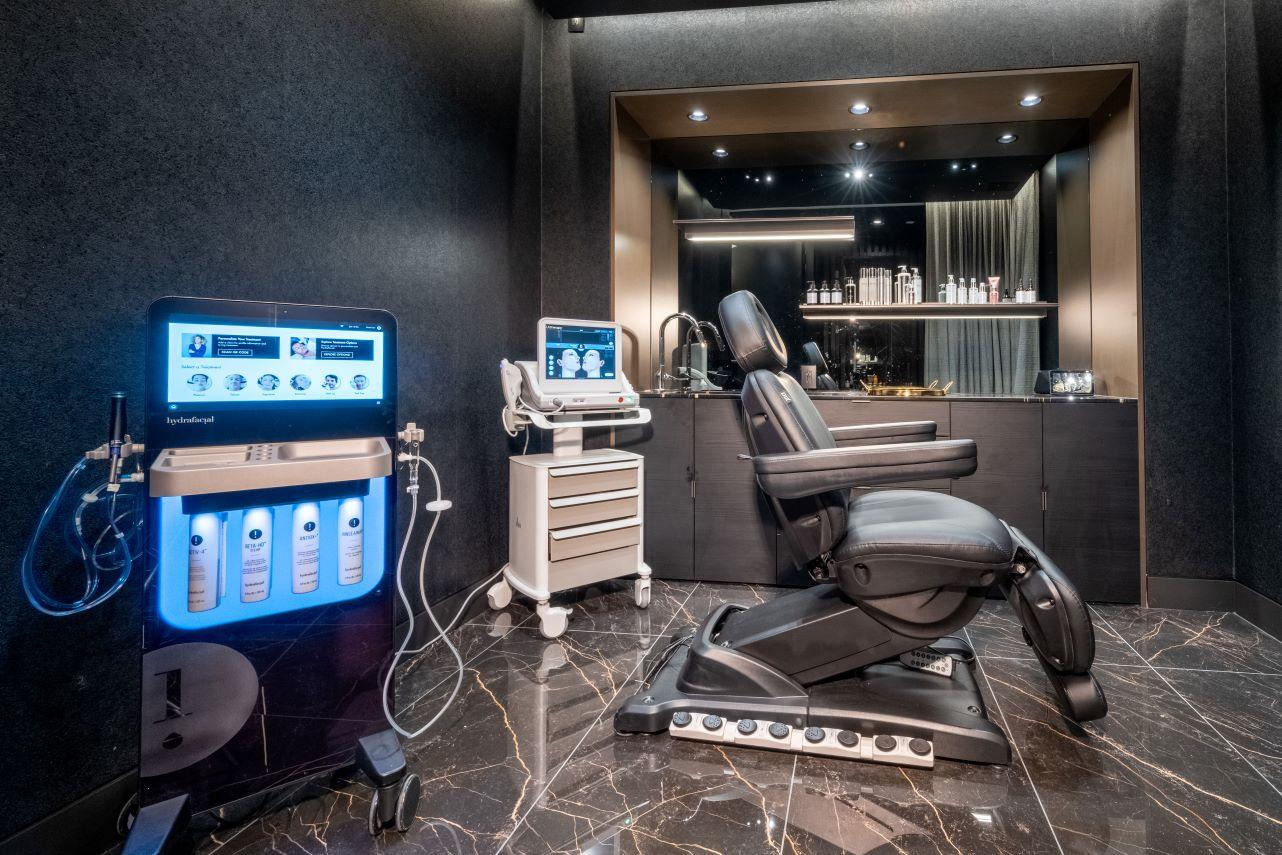
One important step in managing acne-prone skin is maintaining clean and balanced pores. Professional hydro dermabrasion and aqua peel systems have become popular choices in aesthetic clinics because they combine cleansing, exfoliation, and hydration support in one treatment process.
Unlike traditional manual cleansing methods, advanced hydro dermabrasion devices use controlled water-based technology to help remove surface impurities while supporting skin comfort. The treatment process can help improve the appearance of clogged pores, excess oil, and uneven skin texture.
For professional beauty clinics, these devices provide a more standardized treatment experience. Operators can adjust treatment settings according to different skin types, allowing customized care for clients with oily, combination, or sensitive acne-prone skin.
Deep cleansing technology is especially valuable because acne-prone skin often requires consistent maintenance rather than occasional intensive treatments. By incorporating professional cleansing devices into regular skincare programs, clinics can provide clients with ongoing support for healthier-looking skin
echnology / Mechanism: How Professional Aesthetic Devices Support Acne-Prone Skin Management (Continued)
4. High-Frequency Technology: Supporting Professional Acne-Focused Treatments
High-frequency technology has been used in professional skincare environments for many years and remains a popular option in aesthetic clinics. This technology uses electrical currents delivered through specialized electrodes to support targeted facial treatments.
For acne-prone skin programs, high-frequency devices are often incorporated after cleansing or extraction procedures as part of a comprehensive professional protocol. The technology is valued by skincare professionals because it can be integrated into customized treatments designed around individual client needs.
In a clinic setting, professional operators can control treatment parameters, select suitable electrodes, and combine high-frequency technology with other skincare methods to create a more complete experience. This level of customization is difficult to achieve with many consumer-grade skincare devices.
Rather than focusing on a single step, modern aesthetic clinics use high-frequency treatments as part of a broader skin management strategy that includes assessment, preparation, targeted care, and post-treatment maintenance.
5. Skin Infusion and Electroporation Technology: Enhancing Professional Treatment Programs
Acne-prone skin often requires more than surface-level care. Maintaining skin hydration and supporting the skin barrier are also important parts of professional skincare management. This has led to increased interest in advanced infusion technologies used in aesthetic clinics.
Professional skin infusion systems are designed to support the delivery of selected skincare ingredients during treatment sessions. Technologies such as electroporation use controlled electrical pulses to temporarily influence the skin’s permeability, helping professionals create more advanced treatment experiences.
For aesthetic practitioners, these technologies provide additional flexibility when designing customized facial programs. Depending on the client’s skin condition, professionals can combine infusion treatments with cleansing, LED therapy, or other aesthetic procedures.
The key advantage of professional infusion technology is not simply the device itself, but how it is applied within a complete treatment plan. Experienced practitioners can evaluate skin conditions and select appropriate treatment combinations to meet different client expectations.
Advantages / Comparison: Professional Aesthetic Technology vs Traditional Skincare Approaches
As consumer interest in advanced skincare continues to grow, many clients now have access to various home-use beauty tools. However, professional aesthetic devices offer several important advantages when used in a clinic environment.
1. Professional Assessment and Personalized Treatment
One of the biggest differences between professional aesthetic services and home skincare routines is the level of personalization.
At-home products and devices are usually designed for general users, meaning treatment settings are often limited. In comparison, professional equipment allows trained practitioners to assess skin conditions and adjust procedures according to specific concerns.
For acne-prone skin, personalization is particularly important because excessive stimulation or unsuitable treatments may not match every skin type. Professional operators can consider factors such as sensitivity, oil production, skin texture, and overall skin condition before selecting appropriate technologies.
2. More Comprehensive Treatment Solutions
Managing acne-prone skin often requires a combination approach rather than a single solution. Professional clinics can combine multiple technologies within one treatment plan.
For example, a complete facial program may include:
- Skin analysis to understand current skin conditions
- Hydro dermabrasion for deep cleansing
- LED light therapy for targeted skincare support
- Infusion technology for customized product application
- Professional aftercare recommendations
This integrated approach allows clinics to provide a more complete service experience compared with using a single home skincare product.
3. Better Treatment Consistency and Professional Experience
For beauty clinics, consistency is essential. Professional aesthetic equipment is designed to help operators deliver standardized treatments while maintaining flexibility for different clients.
Reliable technology allows practitioners to create repeatable treatment procedures, monitor client progress, and improve overall service quality. This is especially valuable for clinics that want to build long-term relationships with clients seeking ongoing acne-prone skin management.
Beyond technical performance, professional equipment also enhances the client experience. Advanced devices create a more professional treatment environment and help position aesthetic clinics as trusted skincare specialists.
Applications / Client Needs: How Clinics Use Technology for Acne-Prone Skin Services
Professional aesthetic technology can be applied in different types of skincare programs depending on client concerns and treatment goals.
1. Teen and Young Adult Skincare Programs
Younger clients often experience concerns related to oil imbalance, clogged pores, and frequent breakouts. For this group, professional skin analysis and gentle technology-based treatments can help practitioners create suitable skincare plans.
Clinics can combine educational guidance with professional treatments to help young clients develop better skincare habits while receiving targeted aesthetic support.
2. Adult Acne and Skin Maintenance Programs
Adult clients may experience acne-related concerns due to stress, lifestyle changes, environmental factors, or hormonal fluctuations. These clients often seek solutions that fit into busy schedules while providing professional-level care.
Technology-assisted facial treatments allow clinics to offer structured maintenance programs, helping clients receive regular professional attention rather than relying only on occasional skincare changes.
3. Premium Facial Treatments and Aesthetic Clinic Services
For high-end beauty clinics, advanced technology can become an important part of premium service offerings. Clients increasingly value experiences that combine professional expertise, modern equipment, and personalized care.
By integrating advanced devices into treatment menus, clinics can expand service options and provide more differentiated experiences.
Professional technology also helps clinics demonstrate expertise. A well-designed treatment process shows clients that skincare decisions are based on professional evaluation rather than general recommendations.
Conclusion
Acne-prone skin management has become an important focus within the modern aesthetic industry. While skincare products remain an essential part of daily maintenance, professional technology provides beauty clinics and skincare specialists with additional tools to create more targeted and personalized treatment experiences.
From skin analysis systems and LED light therapy to hydro dermabrasion, high-frequency technology, and advanced infusion solutions, aesthetic devices support professionals in delivering comprehensive skincare programs designed around individual client needs.
The future of acne-focused skincare is moving toward a more technology-driven and personalized approach. For professional clinics, investing in advanced aesthetic equipment is not only about offering new treatments; it is about improving consultation quality, enhancing client experience, and building more effective long-term skincare solutions.
With the right combination of professional knowledge and advanced technology, aesthetic practitioners can help clients achieve healthier-looking skin while providing a higher standard of professional care
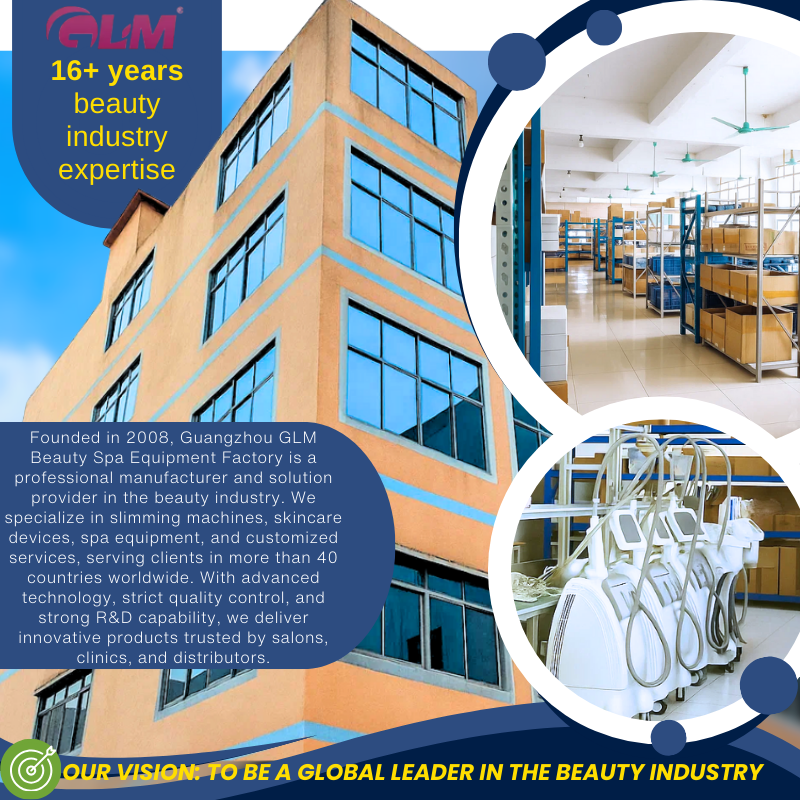
Founded in 2008, Guangzhou GLM Beauty Spa Equipment Factory specializes in research, development, manufacture and selling of beauty and slimming machines. Our production base is located in Guangzhou City, Guangdong Province, China. Since our foundation, we have introduced advanced technologies and equipment, to assure high quality and high performance of our products. With professional marketing guide and excellent after-sales service, our products have been exported to over 20 countries and regions, including Southeast Asia, the Middle East, Europe and the United States, won worldwide praises and gained a good reputation