
How to Effectively Use an Ultrasonic Cavitation Fat Dissolver: A Comprehensive Guide for Safe and Optimal Results
In the realm of non-invasive body contouring, ultrasonic cavitation has emerged as a revolutionary technology, offering a viable alternative to surgical liposuction. By harnessing the power of low-frequency ultrasound waves, this method targets and disrupts subcutaneous fat cells, enabling the body to naturally eliminate them via the lymphatic system. While ultrasonic cavitation is celebrated for its safety, convenience, and efficacy, its success hinges on proper technique, adherence to protocols, and complementary lifestyle modifications. Below, we provide a rigorous, step-by-step framework for maximizing results while minimizing risks.
Understanding Ultrasonic Cavitation: The Science Behind Fat Disruption
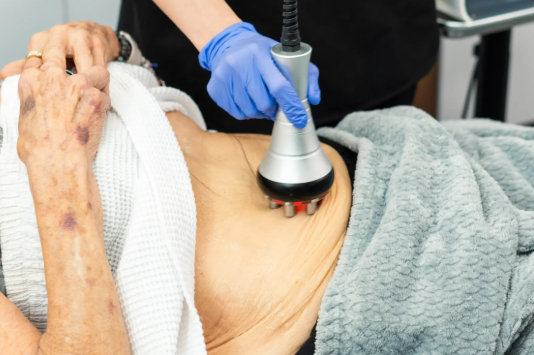
Ultrasonic cavitation operates on the principle of acoustic cavitation, a phenomenon where low-frequency ultrasound waves (20–50 kHz) generate oscillating pressure differentials within adipose tissue. This process unfolds in three key stages:
- Cell Membrane Disruption: The alternating pressure waves create microbubbles within the interstitial fluid, which implode upon reaching a critical size, generating shockwaves that fracture adipocyte membranes.
- Lipolysis Induction: The disrupted adipocytes release their triglyceride contents into the extracellular space, converting them into free fatty acids (FFAs) and glycerol.
- Metabolic Clearance: FFAs and glycerol are transported via the lymphatic system to the liver, where they undergo β-oxidation and excretion.
Advantages of Ultrasonic Cavitation Over Traditional Methods
- Non-Invasive and Painless: Eliminates risks associated with surgery (e.g., anesthesia, infection, scarring).
- Selective Fat Targeting: Spares surrounding tissues (e.g., nerves, blood vessels, and connective tissue).
- Minimal Downtime: Patients can resume daily activities immediately post-treatment.
- Skin Tightening Potential: Concurrent collagen stimulation may improve skin elasticity.
Preparing for Treatment: Setting the Stage for Success
Achieving optimal results with ultrasonic cavitation requires meticulous pre-treatment planning. Below are critical considerations:
1. Professional Consultation and Assessment
- Body Composition Analysis: Use bioelectrical impedance (BIA) or dual-energy X-ray absorptiometry (DEXA) to quantify adiposity and identify treatable areas.
- Medical History Review: Screen for contraindications, including:
- Pregnancy or lactation
- Active infections or open wounds
- Cardiac pacemakers or metallic implants
- Severe obesity (BMI > 35)
- Liver or kidney dysfunction
- Realistic Goal Setting: Emphasize that ultrasonic cavitation is not a weight loss solution but a tool for local fat reduction and body sculpting.
2. Pre-Treatment Guidelines
- Hydration Optimization: Consume 2–3 liters of water daily for 3–5 days pre-treatment to enhance lymphatic drainage.
- Avoidance of Detrimental Substances:
- Alcohol: Inhibits liver function, impairing fat metabolism.
- Caffeine: May exacerbate dehydration and reduce treatment efficacy.
- High-Sodium Foods: Promote water retention, obscuring results.
- Physical Activity: Engage in light aerobic exercise (e.g., brisk walking, cycling) 24–48 hours pre-treatment to boost circulation.
Step-by-Step Device Operation: Maximizing Efficacy and Safety
1. Device Selection Criteria
- FDA/CE Certification: Ensure the device complies with medical-grade safety standards.
- Adjustable Parameters: Look for frequency (20–50 kHz), intensity (0.5–3.0 W/cm²), and pulse duration controls.
- Ergonomic Design: Prioritize devices with intuitive interfaces, cooling mechanisms, and interchangeable applicators for different body areas.
2. Device Setup and Calibration
- Read the Manual Thoroughly: Understand power settings, treatment duration limits, and safety protocols.
- Patch Test: Apply ultrasound gel to a 5 cm² area of the inner forearm and operate the device at low intensity (0.5–1.0 W/cm²) for 5 minutes. Monitor for erythema, edema, or pain.
- Gel Application: Use sterile, water-based ultrasound gel (avoid oil-based products) to ensure optimal acoustic coupling.
3. Conducting a Treatment Session
- Area Preparation:
- Cleanse the Skin: Remove lotions, deodorants, or jewelry to prevent interference.
- Mark Target Zones: Use a skin-safe marker to outline treatment areas (e.g., abdomen, flanks, thighs).
- Device Application:
- Start at Low Intensity: Begin with 0.5–1.0 W/cm² and gradually increase to 2.0–2.5 W/cm² based on patient tolerance.
- Slow, Overlapping Motions: Move the applicator in 1–2 cm/s circular or linear patterns, ensuring 100% coverage of the target zone.
- Session Duration: Limit to 20–30 minutes per area to prevent thermal injury.
- Patient Monitoring:
- Ask for Feedback: Adjust intensity if the patient reports sharp pain, burning, or numbness.
- Check Skin Temperature: Use an infrared thermometer to ensure the epidermis remains below 40°C (104°F).
4. Post-Treatment Care
- Hydration: Drink 500 mL of water immediately post-session and maintain 2–3 liters daily for 3 days.
- Manual Lymphatic Drainage (MLD): Optional 15-minute MLD massage to accelerate waste removal.
- Avoidance of Heat: Refrain from saunas, hot baths, or intense exercise for 24 hours to prevent lymphatic congestion.
Safety and Risk Mitigation
While ultrasonic cavitation is generally safe, adverse events may occur if protocols are violated:
Potential Side Effects
- Transient Erythema and Edema: Resolves within 24–48 hours.
- Petechiae or Bruising: Rare, but more likely in patients on anticoagulants.
- Seroma Formation: Due to excessive fluid accumulation (preventable by adhering to treatment durations).
Critical Precautions
- Avoid Bony Prominences: Do not treat the ribs, spine, or scapulae to prevent nerve or bone injury.
- No Overlapping Sessions: Wait 72 hours between treatments of the same area to allow tissue recovery.
- Monitor for Allergic Reactions: Discontinue use if rash, hives, or pruritus develop.
Optimizing Results Through Lifestyle Synergy
Ultrasonic cavitation is most effective when integrated with holistic health strategies:
1. Nutritional Optimization
- Low-Glycemic Diet: Prioritize lean proteins (chicken, fish), fibrous vegetables (spinach, broccoli), and healthy fats (avocado, nuts).
- Portion Control: Use calorie tracking apps (e.g., MyFitnessPal) to maintain a 500–750 kcal/day deficit.
- Avoid Processed Foods: Minimize trans fats, refined sugars, and excess sodium.
2. Exercise Regimen
- Resistance Training: Incorporate full-body workouts (3x/week) to preserve muscle mass and boost basal metabolic rate.
- High-Intensity Interval Training (HIIT): 20-minute sessions (e.g., sprinting, burpees) to enhance post-exercise oxygen consumption (EPOC).
- Postural Correction: Strengthen core muscles (e.g., planks, deadbugs) to improve abdominal contouring results.
3. Supplementation
- L-Carnitine: Aids in fatty acid transport into mitochondria for oxidation.
- Green Tea Extract: Contains epigallocatechin gallate (EGCG), which increases thermogenesis.
- Omega-3 Fatty Acids: Reduce inflammation and support lymphatic function.

Common Pitfalls and How to Avoid Them
1. Overuse and Device Misapplication
- Risk: Daily treatments or prolonged sessions can cause skin burns, nerve damage, or paradoxical adipose hyperplasia (PAH).
- Solution: Adhere to 1–2 sessions/week per area, with 6–8 total sessions for optimal results.
2. Unrealistic Expectations
- Risk: Patients may expect immediate, dramatic results, leading to disappointment.
- Solution: Educate that visible changes typically emerge after 4–6 weeks, with peak results at 12 weeks.
3. Neglecting Maintenance
- Risk: Without lifestyle changes, regained fat may redistribute to untreated areas.
- Solution: Recommend quarterly maintenance sessions and continuous adherence to diet/exercise.
Selecting a High-Quality Ultrasonic Cavitation Device
For at-home use, prioritize devices with:
- FDA/CE Clearance: Look for Class II medical devices (e.g., UltraShape Power, LipoCav Pro).
- Adjustable Parameters: Ensure frequency (20–50 kHz), intensity (0.5–3.0 W/cm²), and pulse mode controls.
- Safety Features: Include overheating protection, auto-shutoff timers, and ergonomic grips.
- Clinical Studies: Prefer devices with peer-reviewed efficacy data (e.g., reductions in subcutaneous fat thickness by 2–4 cm).
Conclusion: Achieving Lasting Transformation Through Science and Discipline
Ultrasonic cavitation is a powerful adjunct to a healthy lifestyle, offering non-invasive, targeted fat reduction with minimal downtime. However, its success demands rigorous adherence to protocols, patient education, and complementary lifestyle modifications. By following this guide, practitioners and users alike can maximize safety, efficacy, and patient satisfaction, paving the way for sustainable body contouring outcomes.
GLM is a specialized beauty instrument factory that produces instruments for a variety of functions, including weight loss devices. We have vacuum negative press, radio frequency fat blasting equipment, frozen fat dissolving machine and EMS body shaping machine. GLM is a 14 year old supplier of beauty instruments with guaranteed quality.https://gdglmbeauty.com/