
Introduction
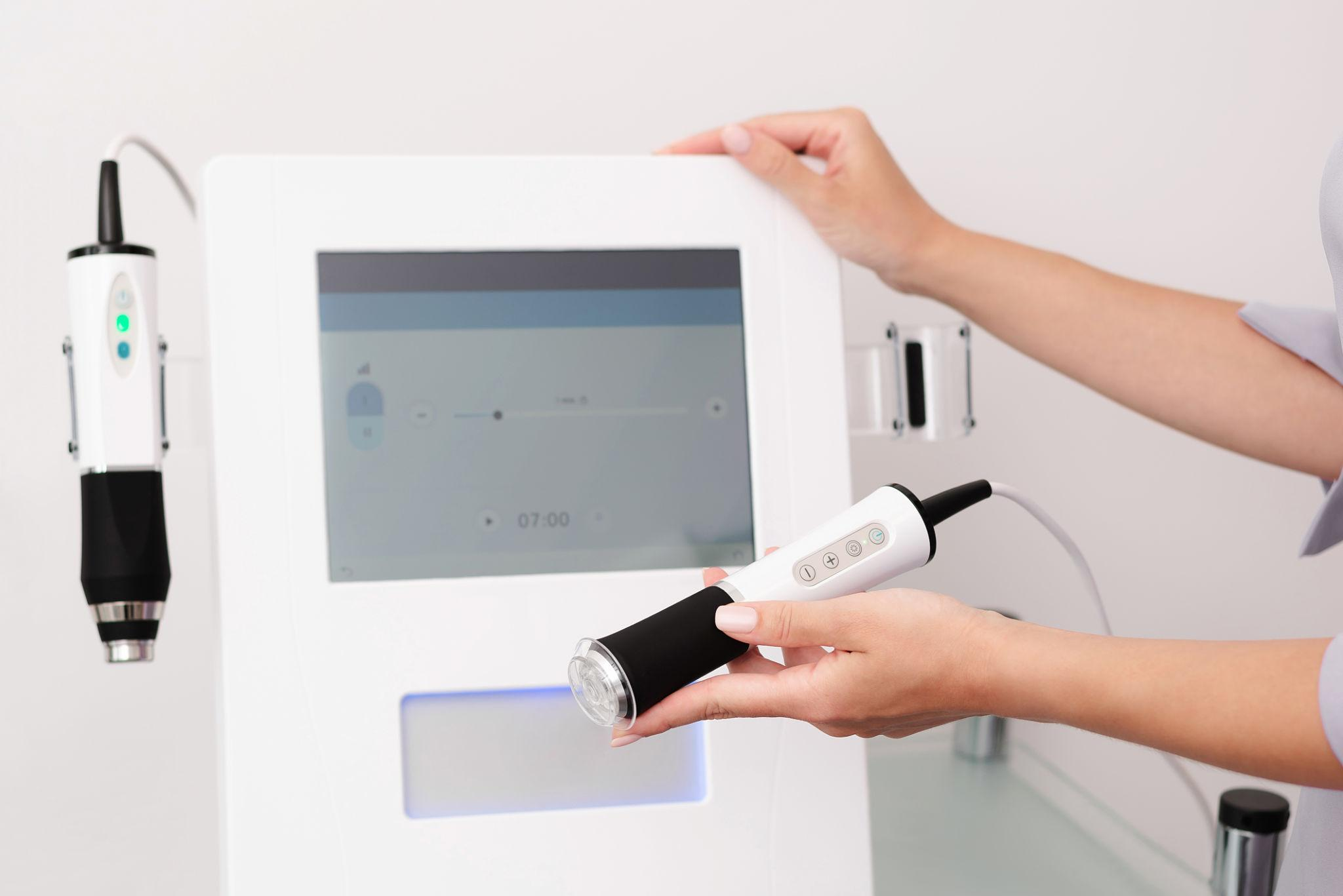
In today's competitive aesthetic industry, purchasing professional equipment is no longer simply about selecting the latest technology. Whether investing in radio frequency (RF), HIFU, cavitation, diode laser, EMS, or multifunctional beauty platforms, clinics and salons are increasingly asking a more important question:
Will this machine consistently deliver the same treatment quality after thousands of procedures?
Many manufacturers emphasize specifications such as power, frequency, treatment depth, or available handpieces. While these technical parameters are important, they tell only part of the story. Two devices may advertise identical specifications yet produce noticeably different clinical outcomes after months of continuous operation.
The difference often lies in two fundamental factors:
- Energy output consistency
- Long-term equipment durability
For aesthetic professionals, these characteristics directly affect treatment effectiveness, customer satisfaction, maintenance costs, and return on investment.
This guide explains how energy delivery works, what determines long-term reliability, and how buyers can evaluate professional aesthetic devices beyond marketing claims.
Why Energy Stability Matters More Than Peak Power
Many first-time buyers naturally compare machines by maximum wattage or energy settings.
For example:
- 300W RF
- 500W Cavitation
- 2000W Diode Laser
- 7 Tesla EMS
Although these figures appear impressive, maximum output does not necessarily represent actual treatment performance.
Imagine two RF systems.
Machine A reaches extremely high energy briefly but fluctuates significantly during treatment.
Machine B maintains highly stable energy throughout a complete 30-minute session.
Which delivers better collagen stimulation?
In most professional treatments, consistent energy distribution produces more predictable clinical results than occasional energy peaks.
Clients experience:
- More uniform heating
- Improved comfort
- Better treatment consistency
- Lower risk of hot spots
- More repeatable outcomes
Professional operators also gain greater confidence because treatment protocols remain predictable across different clients.
Understanding Energy Output in Professional Aesthetic Devices
Before evaluating equipment quality, it helps to understand what "energy output" actually means.
Different technologies deliver energy differently.
| Technology | Primary Energy Delivered | Main Clinical Purpose |
|---|---|---|
| Radio Frequency | Electrical energy converted into heat | Skin tightening |
| HIFU | Focused ultrasound energy | SMAS lifting |
| Cavitation | Low-frequency ultrasound | Fat disruption |
| Diode Laser | Optical laser energy | Hair removal |
| EMS | Electrical muscle stimulation | Muscle contraction |
| IPL | Pulsed light energy | Pigmentation & rejuvenation |
Although every technology works differently, all professional systems share one requirement:
The selected energy level should remain stable throughout treatment.
If energy fluctuates excessively, treatment quality becomes unpredictable.
What Influences Energy Stability?
Several engineering factors determine whether a professional machine delivers consistent performance.
1. Power Supply Quality
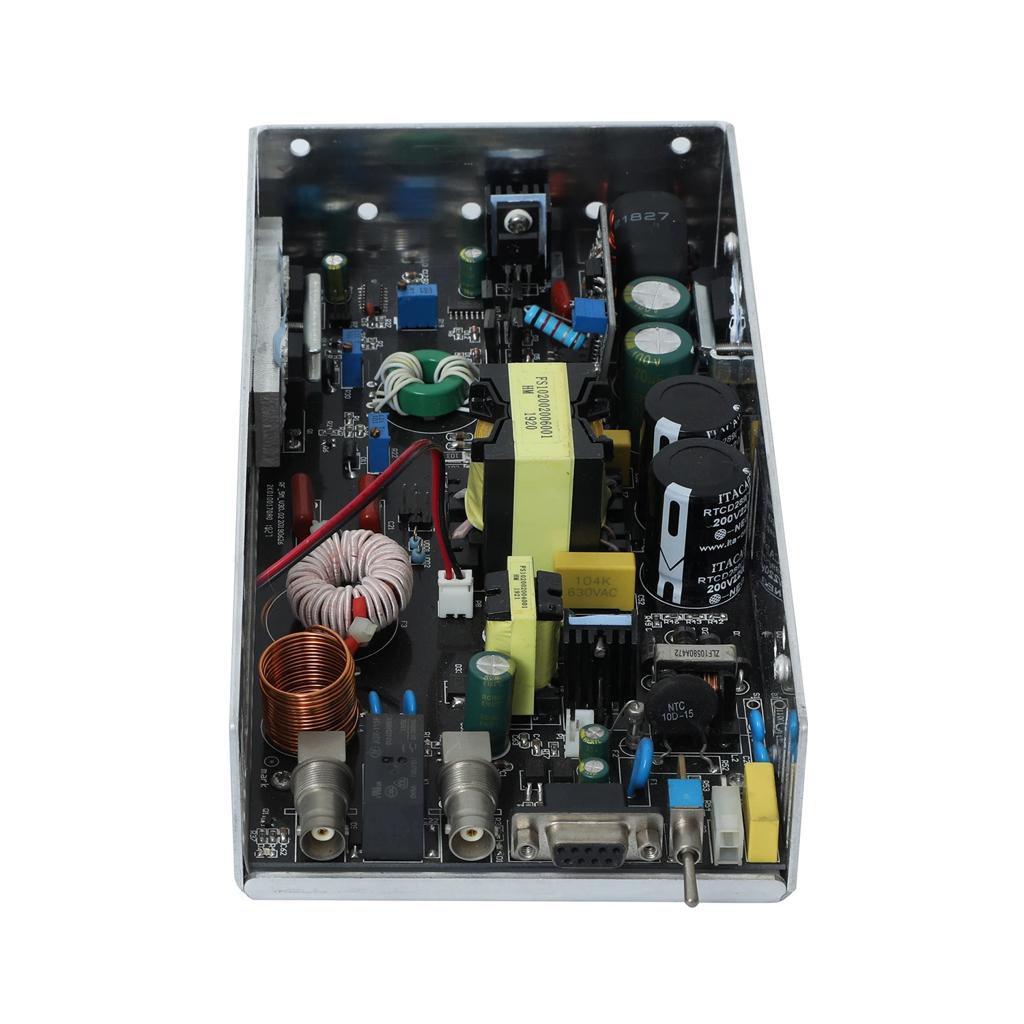
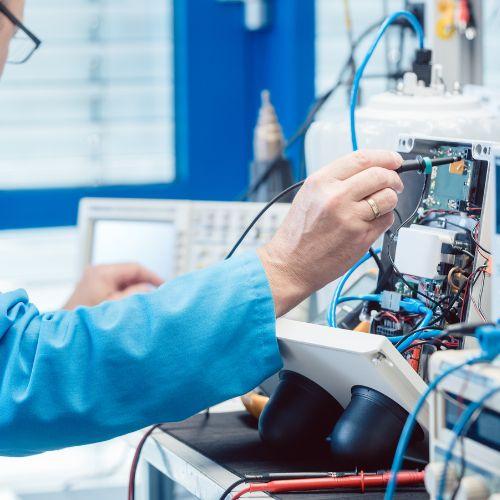
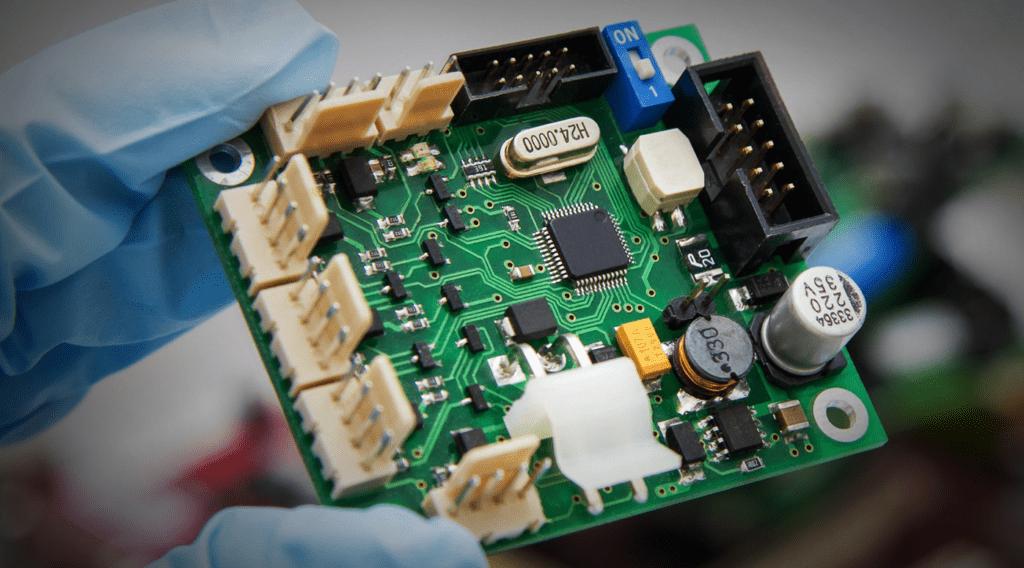
The power supply is the foundation of every aesthetic system.
High-quality switching power supplies regulate voltage precisely, even when clinics experience electrical fluctuations.
Poor-quality components may produce:
- Energy drops
- Sudden power spikes
- Temperature instability
- Reduced treatment precision
Professional manufacturers typically invest significantly in industrial-grade power modules because stable electrical input leads directly to stable treatment output.
2. Intelligent Temperature Management
Many energy-based devices generate substantial internal heat during continuous operation.
Without efficient cooling, internal temperatures rise rapidly.
As temperatures increase, some machines automatically reduce output to protect internal electronics.
While this prevents damage, it also changes treatment intensity without the operator realizing it.
Modern professional equipment often combines:
- Air cooling
- Water cooling
- Semiconductor cooling
- Real-time temperature monitoring
This allows energy delivery to remain consistent during long treatment sessions.
3. Handpiece Engineering
The handpiece is where energy reaches the client.
Its design directly influences:
- Energy transmission efficiency
- Treatment comfort
- Precision
- Reliability
- Lifespan
High-quality handpieces generally feature:
- Better thermal conductivity
- Precision-manufactured treatment heads
- Medical-grade insulation
- Durable internal wiring
- Improved resistance to repeated sterilization and daily use
For busy clinics performing multiple treatments every day, handpiece durability can be just as important as the machine itself.
4. Software-Controlled Energy Calibration
Modern aesthetic systems increasingly rely on intelligent software rather than hardware alone.
Advanced control systems continuously monitor:
- Output voltage
- Current
- Temperature
- Pulse duration
- Frequency stability
If slight variations occur, the software automatically adjusts output in real time.
This closed-loop control system helps maintain more consistent treatment parameters across every session.
Why Durability Is More Than Machine Lifespan
When discussing durability, many buyers immediately think about how many years a machine will last.
However, professional durability includes much more than simple longevity.
A durable aesthetic device should continue delivering reliable performance after:
- Thousands of treatment hours
- Daily clinic operation
- Continuous handpiece usage
- Frequent transportation
- Routine cleaning and maintenance
In other words, the goal is not merely to keep the machine powered on—but to ensure it performs consistently throughout its service life.
For clinics, this distinction is critical. A machine that technically still functions but has declining energy accuracy, slower response times, or worn handpieces may compromise treatment quality long before it reaches the end of its operational life
5. Component Quality Determines Long-Term Performance
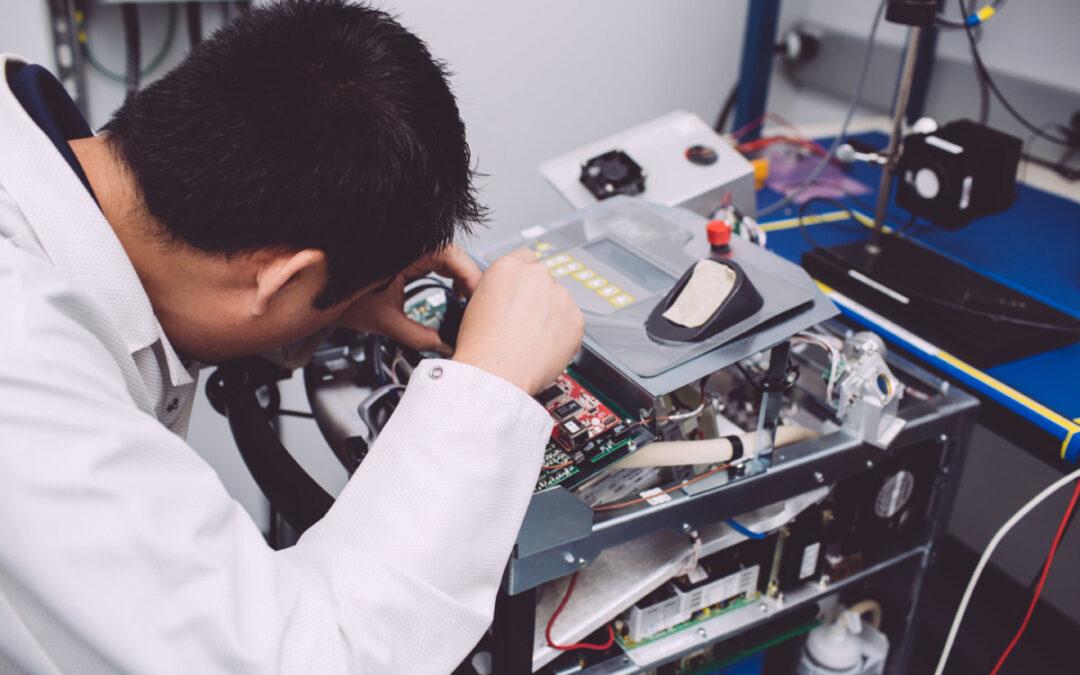
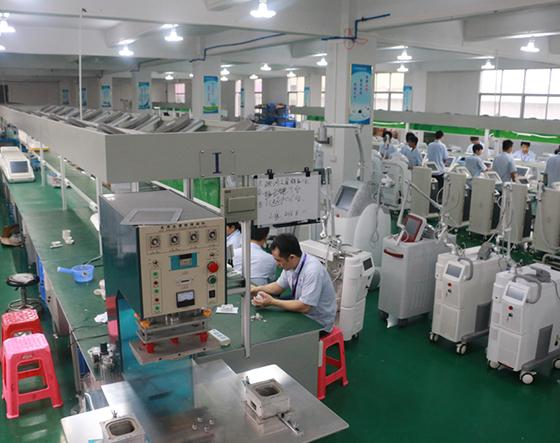
Behind every professional aesthetic device lies a collection of electronic and mechanical components that directly influence long-term reliability. While these parts are rarely visible to the end user, they play a decisive role in maintaining consistent energy delivery.
Key components include:
- Industrial-grade capacitors
- High-efficiency transformers
- Precision cooling fans
- Medical-grade connectors
- Durable treatment cables
- High-quality ultrasound or RF transducers
Premium components are typically designed to withstand continuous operation for extended periods with minimal performance degradation. Lower-grade alternatives may initially perform similarly but are more susceptible to overheating, signal instability, or premature wear after intensive daily use.
For aesthetic clinics that perform dozens of treatments each week, component quality often has a greater impact on operational efficiency than headline specifications.
6. Calibration and Quality Testing
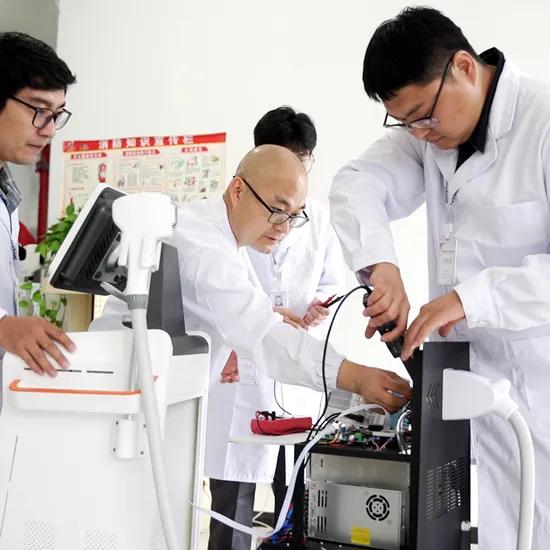
Professional manufacturers usually perform multiple rounds of testing before equipment leaves the factory.
Typical quality control procedures include:
- Continuous power output testing
- Thermal stability testing
- Long-duration operation simulation
- Handpiece performance verification
- Electrical safety inspection
- Software functionality validation
Some manufacturers also conduct accelerated aging tests, allowing machines to operate continuously for hundreds of hours under simulated clinical conditions. These evaluations help identify potential weaknesses before products reach customers.
Although buyers may never witness these tests directly, asking suppliers about their quality assurance procedures provides valuable insight into manufacturing standards.
Advantages of Stable Energy and Durable Equipment
Stable energy output and durable construction create benefits that extend well beyond technical performance.
1. More Predictable Clinical Results
Professional treatment protocols depend on delivering consistent energy to targeted tissues.
When energy remains stable:
- Collagen remodeling becomes more uniform.
- Fat reduction treatments are more predictable.
- Hair removal sessions maintain consistent efficacy.
- Skin rejuvenation outcomes become easier to reproduce.
This consistency enables practitioners to follow standardized treatment plans with greater confidence.
2. Improved Client Comfort
Energy fluctuations can create uneven sensations during treatment.
Clients may experience:
- Sudden temperature changes
- Uneven heating
- Localized discomfort
- Reduced confidence in the procedure
Stable energy delivery minimizes these variations, resulting in smoother and more comfortable treatment experiences.
Comfort is often a key factor influencing repeat appointments and long-term client retention.
3. Lower Maintenance Costs
Machines built with durable components generally require:
- Fewer repairs
- Less downtime
- Reduced replacement of handpieces
- Lower maintenance expenses
For clinics operating full schedules, minimizing equipment downtime is just as important as maximizing treatment effectiveness.
Unexpected equipment failures may lead to appointment cancellations, lost revenue, and reduced client trust.
4. Better Return on Investment (ROI)
Although premium professional devices often require higher initial investment, their long-term operating costs may be significantly lower.
Factors contributing to stronger ROI include:
- Longer service life
- Stable treatment quality
- Reduced maintenance frequency
- Higher patient satisfaction
- Increased treatment capacity
When evaluated over several years of clinical use, durability often proves to be one of the most valuable features of professional equipment.
Professional Devices vs. Entry-Level Equipment
Many buyers compare professional systems with lower-cost alternatives primarily by price.
However, performance differences become increasingly apparent during long-term operation.
| Evaluation Factor | Professional Aesthetic Device | Entry-Level Device |
|---|---|---|
| Energy Stability | Consistent throughout treatment | May fluctuate under continuous use |
| Cooling System | Multi-layer intelligent cooling | Basic cooling design |
| Internal Components | Industrial or medical grade | Commercial-grade components |
| Handpiece Lifespan | Designed for intensive daily use | Shorter operating life |
| Software Control | Real-time energy calibration | Limited monitoring |
| Maintenance Frequency | Lower | Potentially higher |
| Suitable Environment | Clinics and professional salons | Small studios or occasional treatments |
This comparison does not suggest that every lower-cost device performs poorly. Rather, it highlights why professional environments often prioritize reliability and consistency over headline specifications alone.
How Buyers Can Evaluate a Professional Device Before Purchasing
Rather than relying solely on brochures or specification sheets, buyers should ask practical questions that reveal real-world performance.
Consider discussing the following with suppliers:
Does the machine maintain stable energy during continuous operation?
Some systems perform well during short demonstrations but show reduced output after extended treatments.
What cooling technologies are integrated?
Look for combinations such as:
- Air cooling
- Water circulation
- Semiconductor cooling
- Intelligent temperature monitoring
Effective thermal management supports both treatment consistency and component longevity.
What is the expected service life of the handpieces?
Since handpieces experience the greatest daily wear, understanding their durability and replacement schedule is essential for long-term budgeting.
Is energy output calibrated before shipment?
Factory calibration helps ensure that displayed energy levels correspond closely to actual treatment output.
What technical support is available?
Professional suppliers commonly provide:
- Remote technical assistance
- Software updates
- Spare parts availability
- Training resources
- Maintenance guidance
Reliable after-sales support becomes increasingly valuable as equipment usage grows.
Applications Across Professional Aesthetic Practices
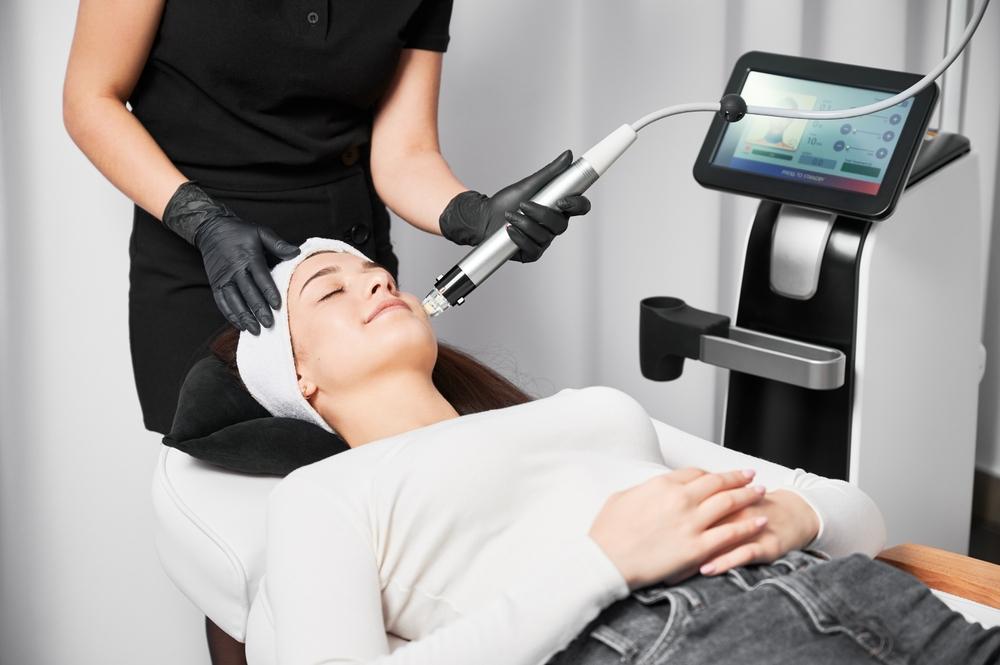
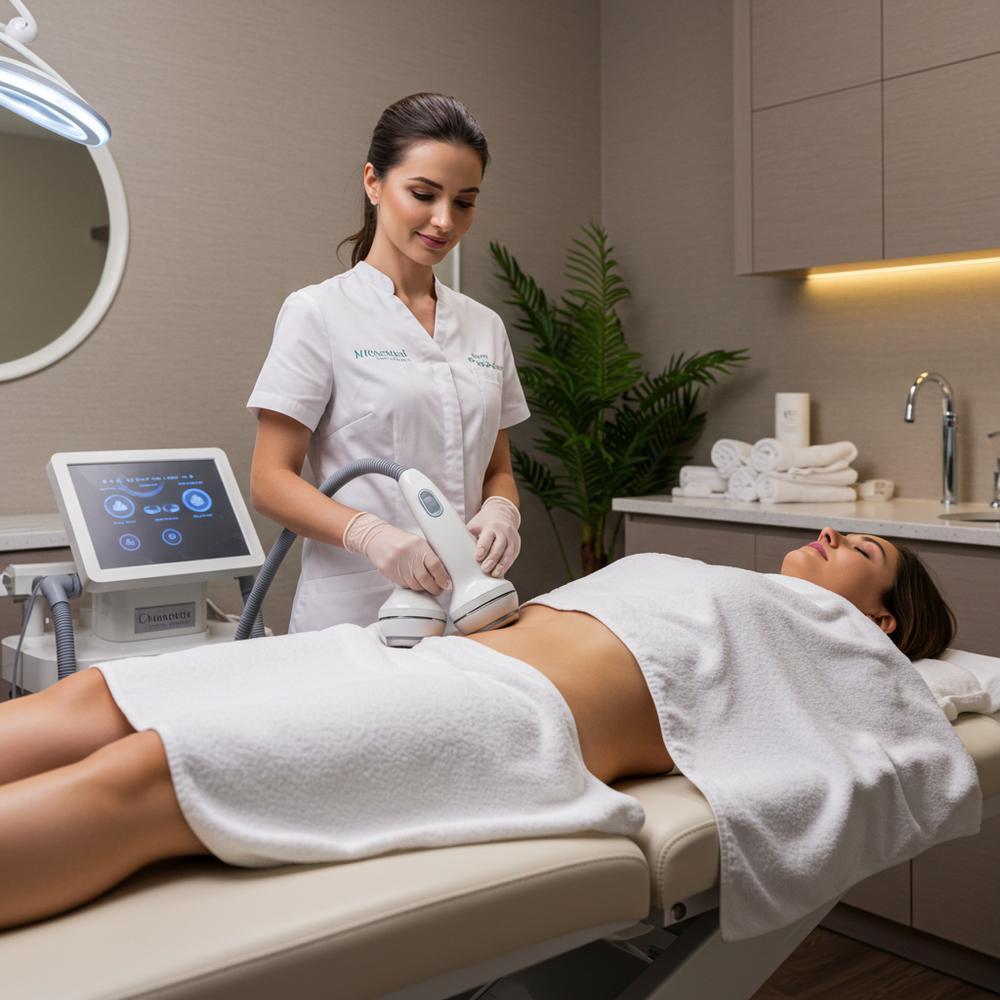
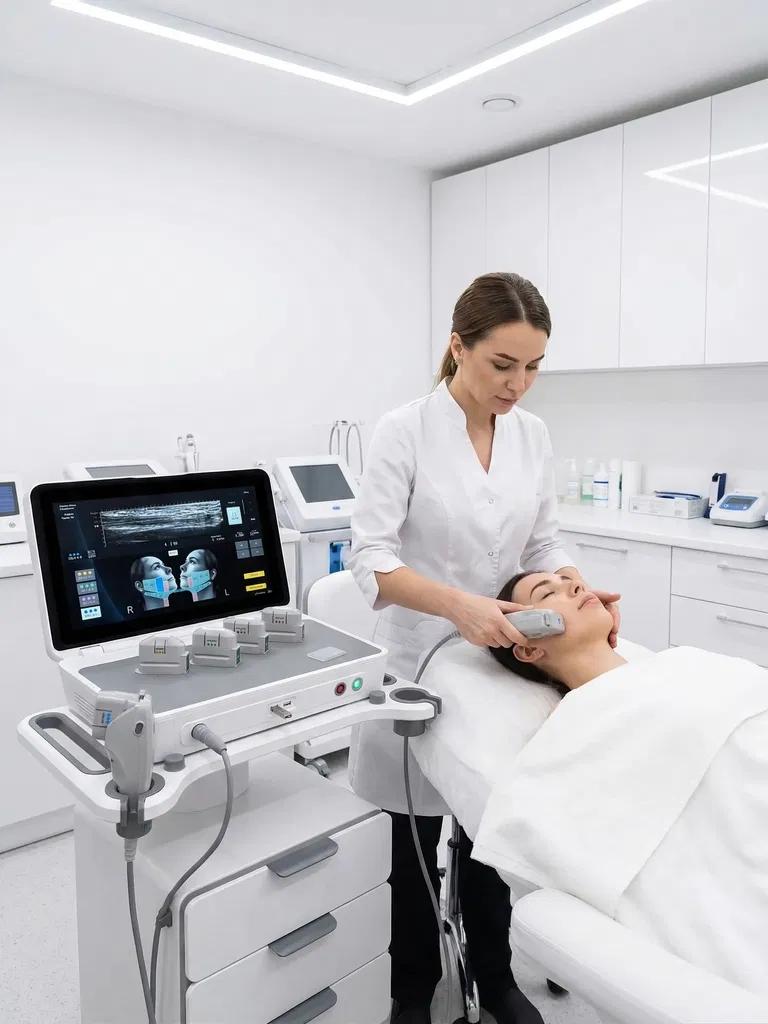
Stable energy output and durable engineering benefit virtually every category of professional aesthetic treatment.
Facial Skin Tightening
Consistent RF or HIFU energy supports controlled collagen remodeling while improving treatment precision across different facial regions.
Body Contouring
Technologies such as cavitation, vacuum therapy, EMS, and radio frequency often require extended treatment sessions. Reliable energy delivery helps maintain consistent therapeutic performance throughout the procedure.
Hair Removal
Diode laser systems rely on stable pulse energy to effectively target hair follicles while supporting operator control and client comfort.
Skin Rejuvenation
IPL, RF, LED, and combination platforms benefit from predictable energy distribution, allowing practitioners to customize treatments according to individual skin conditions.
Across these applications, consistency is often more valuable than maximum output, particularly in clinics where reproducible results form the foundation of professional reputation
Conclusion
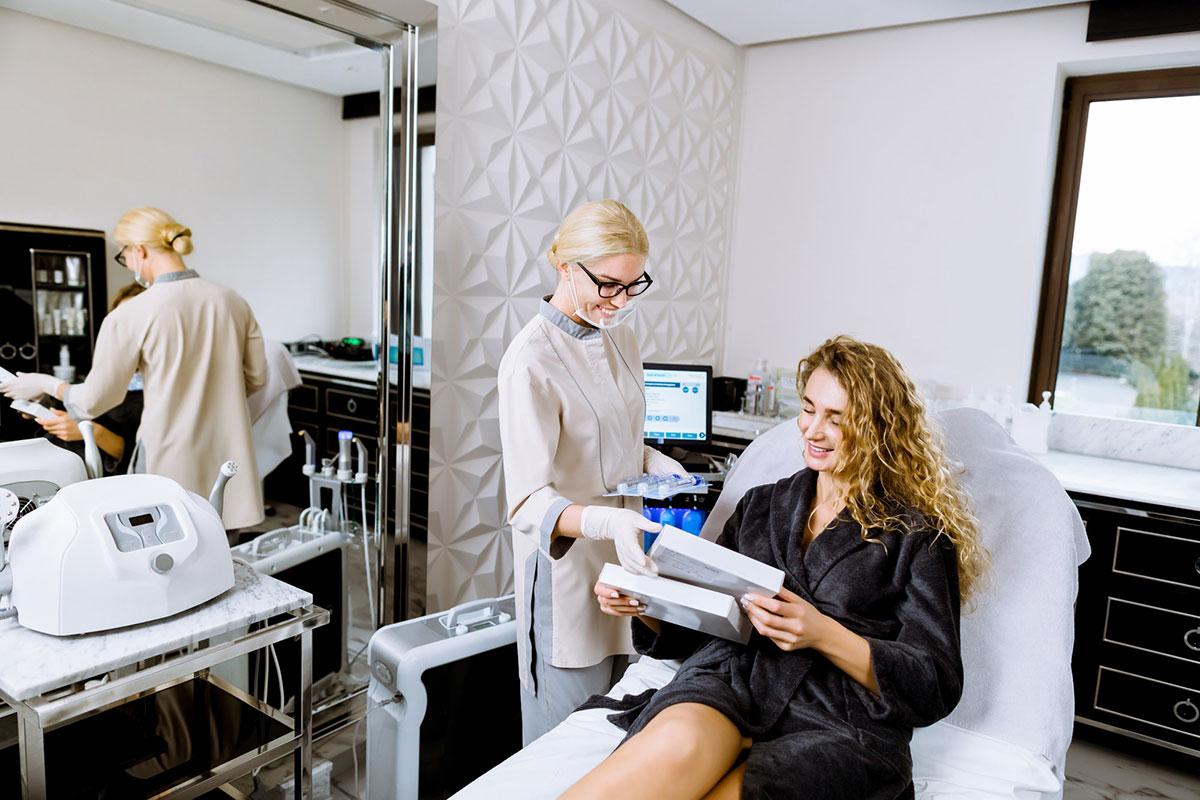
Selecting a professional aesthetic device involves much more than comparing specifications on a product sheet. While parameters such as power, frequency, wavelength, or treatment depth are important, they represent only part of the equation.
The true value of a professional system lies in its ability to deliver consistent energy output, maintain stable performance over years of operation, and support predictable clinical outcomes day after day.
For aesthetic clinics and professional salons, equipment is a long-term investment rather than a short-term purchase. Machines with reliable engineering, intelligent energy management, efficient cooling systems, and durable components not only improve treatment quality but also reduce maintenance costs, minimize downtime, and strengthen client confidence.
When evaluating your next RF, HIFU, cavitation, diode laser, EMS, or multifunction platform, look beyond the advertised specifications. Ask how the machine performs after hundreds or even thousands of treatments—not just during a brief demonstration.
Ultimately, consistent performance creates consistent results, and consistent results are what help aesthetic professionals build lasting client relationships and sustainable business growth