Detailed guidelines for the use of ice mallet: Aid in recovery after vasectomy
As an auxiliary medical device, ice mallet plays a vital role in the treatment of postoperative hemangiectomy. It can not only effectively reduce the temperature of local tissues in the body, but also promote the tension of the sympathetic nerve, which in turn constricts the blood vessels and reduces the sensitivity of the tissue to pain. Therefore, mastering the correct method of using the ice hammer is very important for the postoperative recovery of patients.
Function and importance of icing hammer
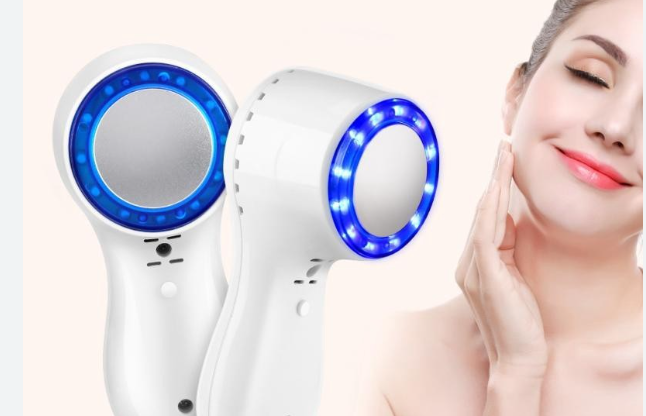
The main function of the ice hammer is to achieve therapeutic effects by lowering the temperature of the local tissue. After laser treatment, the skin tissue tends to experience swelling and pain, which is a normal reaction after surgery. The ice mallet is most effective during the peak of post-operative swelling (usually within 48 hours), reducing swelling and pain by constricting blood vessels, while promoting self-healing of the tissue.
Procedure and precautions of using ice hammer
1. Disinfection of icing equipment
Before using the ice hammer, first make sure that the ice equipment is clean and disinfected. Since the ice head will be in direct contact with the patient's skin (albeit through gauze spacing), it is essential to wrap the ice head with medical sterile gauze to prevent cross-infection and wound infection.
2. Open the ice mallet
Press the switch on the ice hammer to power up the instrument and start working. At this point, the surface temperature of the ice hammer will gradually decrease, preparing for the next ice treatment.
3. Pay attention to the ice area
When applying ice, the ice hammer should be mainly applied to the treatment site and the surrounding skin area of 2-3 cm. To reduce the temperature more evenly, the ice hammer can be moved alternately to ensure that the entire treatment area is adequately iced.
4. Limit ice time
The timing of the ice is also crucial. In general, ice should be applied 2 to 4 times a day for 5 to 20 minutes each time. The specific ice time should be adjusted according to the specific situation and reaction of the patient. However, it should be noted that the icing time should not be too long, so as not to cause frostbite to the skin.
5. Observe adverse reactions
During the icing process, the patient's reaction should be closely monitored. If the patient is found to have adverse reactions, such as skin pain lasting more than 5 minutes, ice should be stopped immediately to prevent the occurrence of frostbite. At the same time, for some special groups (such as the elderly and frail, deficiency cold syndrome, pregnancy, menstruation, etc.), as well as patients with a history of trauma, fatigue, advanced inflammation, heart disease, edema, etc., should be careful to use the ice hammer, and under the guidance of doctors.
Ice contraindications and special tips
In addition to the above considerations, there are some ice contraindications to keep in mind:
People with chronic inflammation or infection should not apply ice, because ice may hinder the absorption of inflammation.
The occipital, ear, scrotum and other parts should not be iced due to thin skin and poor blood circulation, so as not to cause frostbite.
If there is any discomfort or abnormal reaction during the icing process, stop the icing immediately and seek the help of a doctor.