
1. Introduction
Stubborn fat remains a common concern for people who maintain a relatively healthy lifestyle but struggle to achieve their desired body shape. Even with regular exercise and balanced nutrition, certain areas of the body may retain localized fat deposits that are difficult to address through lifestyle changes alone. For aesthetic clinics and medical spas, this creates an opportunity to offer non-surgical body contouring treatments that complement traditional weight management.
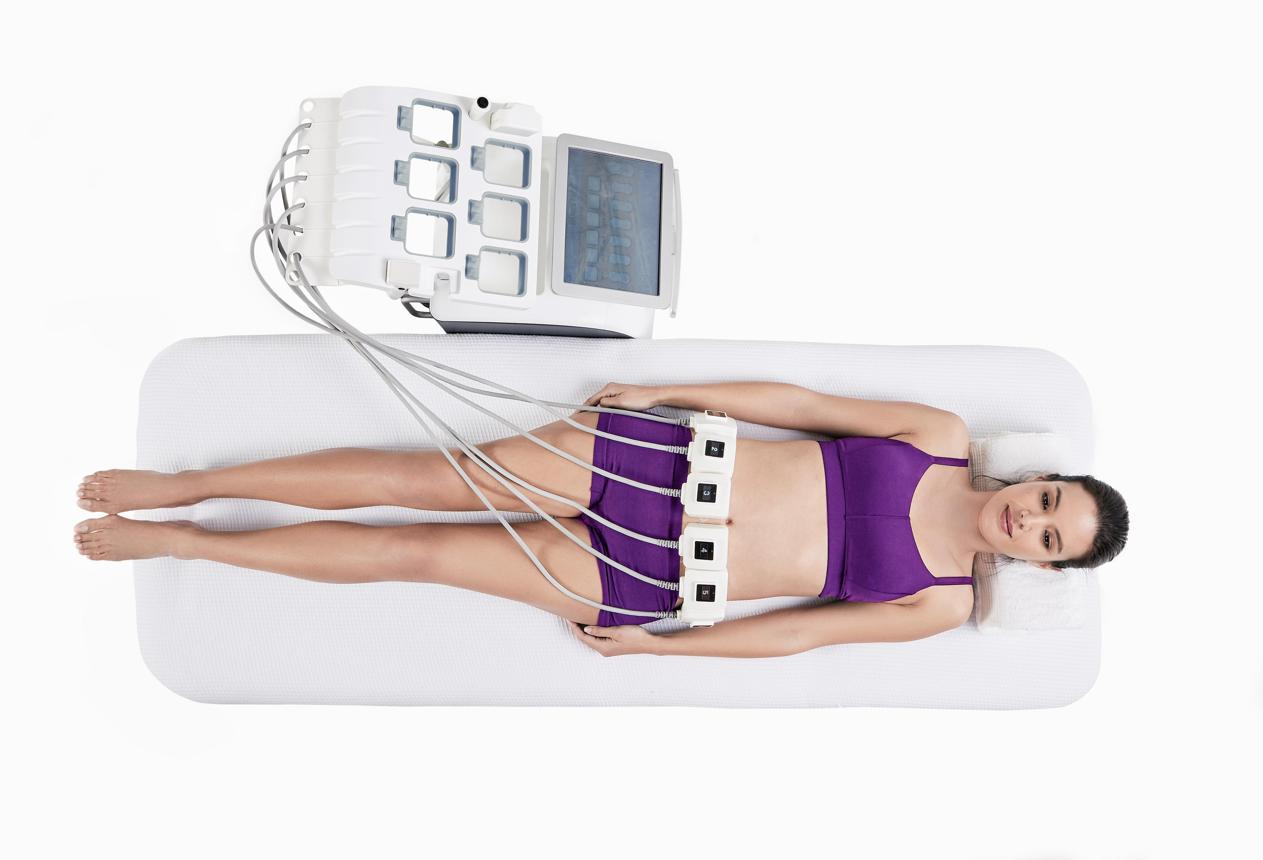
In 2026, radiofrequency (RF) technology continues to be an important option in the professional aesthetic market. Rather than focusing on overall weight loss, RF-based body contouring is designed to target selected areas and help improve body shape without surgery. One recognized example is truSculpt iD, a non-invasive body sculpting system developed by Cutera that uses monopolar RF energy for localized fat reduction.
Understanding how truSculpt iD works, which areas may be treated, and what clients can realistically expect helps practitioners provide better consultations and develop more appropriate treatment plans. It also helps clinics communicate the value of professional aesthetic technology through clear, evidence-conscious education rather than exaggerated promises.
2. Background and Problem: Why Is Stubborn Fat So Difficult to Reduce?
The Difference Between Weight Loss and Body Contouring
Weight loss and body contouring are related but distinct goals. Weight loss generally involves reducing total body mass, while body contouring focuses on the shape and proportions of specific areas.
Fat distribution is influenced by genetics, hormones, age, and other individual factors. As a result, two people with similar body weights may have very different body shapes. The abdomen, flanks, and other localized areas can remain challenging even when a person maintains consistent exercise and nutrition habits.
This is why some clients seek aesthetic treatments despite being close to their preferred weight. Their primary objective may not be to lose several kilograms, but to address a specific contour that does not respond as expected to their existing routine.
Why Lifestyle Changes May Not Resolve Every Localized Concern
Exercise supports cardiovascular health, muscle strength, and overall body composition. Nutrition also plays a central role in weight management. However, these measures do not allow individuals to selectively reduce fat from one precise body area.
For example, abdominal exercises can strengthen the core, but they do not guarantee targeted fat loss from the abdomen. Similarly, a person may lose weight overall while retaining some fullness around the waist.
Professional body contouring treatments are intended to address selected aesthetic concerns within this broader context. They are not substitutes for healthy lifestyle habits, and they are not appropriate solutions for every individual.
For clinics, the first step is therefore to identify whether a client wants general weight reduction, localized fat reduction, improved skin appearance, or a combination of goals. This distinction helps determine whether an RF-based treatment is a reasonable option.
3. Technology and Mechanism: How Does truSculpt iD Use RF Energy?
Understanding Monopolar Radiofrequency
Radiofrequency technology uses electromagnetic energy to generate heat within tissue. In aesthetic applications, the treatment effect depends on the device design, energy delivery, tissue characteristics, treatment settings, and clinical protocol.
truSculpt iD uses monopolar RF energy to heat targeted tissue. The system is designed to deliver controlled thermal energy to selected areas containing subcutaneous fat. The intended mechanism involves heating adipose tissue to a specified therapeutic range, supporting a biological response that can lead to a reduction in treated fat over time.
The body then gradually processes affected fat cells and cellular material through its natural biological pathways. Results do not occur immediately, and the extent of change varies among individuals.
It is important to distinguish this mechanism from treatments that primarily rely on cooling, mechanical massage, or focused ultrasound. Different technologies use different energy-delivery methods, and their treatment protocols, evidence bases, and suitability are not interchangeable.
What Happens During a Treatment?
A typical professional treatment begins with a consultation and assessment of the client's body-contouring goals. The practitioner reviews relevant medical history, checks for contraindications, identifies suitable treatment areas, and explains expected outcomes and limitations.
Depending on the device configuration and approved protocol, treatment applicators are positioned over selected areas. RF energy is delivered according to the manufacturer's instructions and the practitioner's training. The system is designed to provide controlled heating while incorporating temperature monitoring and safety features.
Clients commonly describe RF treatment as a warming sensation, although comfort varies with individual sensitivity, treatment settings, and the area being treated. Practitioners should monitor the client's response throughout the procedure and follow the device-specific instructions for use.
Treatment duration depends on the number and size of areas, the applicator configuration, and the protocol being followed. Clinics should avoid promising a universal session length or identical treatment experience for every client.
Why Results Take Time
The purpose of RF-based fat reduction is not simply to heat tissue during a session. The intended outcome depends on the tissue response that follows treatment.
After the procedure, the body requires time to process the biological changes associated with the treatment. Consequently, visible changes generally develop over several weeks rather than appearing immediately. The timing and degree of improvement can differ depending on baseline anatomy, the treated area, individual physiology, and the treatment plan.
This makes follow-up assessment important. Standardized photographs, consistent measurements, and client feedback can help practitioners evaluate changes more reliably than subjective impressions alone.
4. Advantages and Comparison: What Makes Professional RF Body Contouring Valuable?
A Non-Surgical Approach to Localized Fat Reduction
One of the main reasons clients consider truSculpt iD is that it offers a non-surgical approach to selected body-contouring concerns. It does not require the incisions associated with liposuction, and it is designed for use in a professional treatment environment.
However, non-surgical does not mean risk-free. Temporary tenderness, redness, swelling, or other treatment-related effects may occur. Thermal injury and other complications are possible if treatment is unsuitable or performed incorrectly. Proper screening, operator training, equipment maintenance, and adherence to the manufacturer's instructions remain essential.
Clinics should discuss these considerations before treatment rather than presenting RF technology as a completely risk-free alternative to surgery.
Targeted Treatment Rather Than General Weight Loss
Another advantage is the ability to focus on selected areas. For suitable clients, treatment planning can be organized around particular contours instead of an overall weight-loss target.
This distinction is commercially important for professional clinics. Clients often want to understand exactly what a treatment is intended to address, how progress will be evaluated, and whether the expected improvement is realistic for their anatomy.
A clear explanation of the treatment objective helps establish appropriate expectations and supports more informed decision-making.
Professional Devices Versus At-Home Beauty Equipment
At-home body-care products vary widely in design, energy output, intended use, and supporting evidence. Many are designed for cosmetic maintenance, massage, or temporary changes in appearance. Their performance should not be assumed to match that of a professional medical-aesthetic system.
Professional RF systems such as truSculpt iD are designed around defined treatment protocols, specific applicators, device controls, and operator training. Their use requires attention to patient selection, energy delivery, safety monitoring, and treatment documentation.
This does not mean every professional device is appropriate for every client, or that every professional treatment produces superior results in every circumstance. The relevant comparison is between the intended use, available clinical evidence, safety controls, and realistic outcomes of each technology.
For manufacturers and aesthetic equipment suppliers, this also illustrates why technical documentation, operator education, quality assurance, and after-sales support matter alongside product specifications.
Comparing RF With Other Body-Contouring Technologies
RF is one of several technologies used in professional body contouring. Cryolipolysis uses controlled cooling, while some ultrasound-based systems use acoustic energy. Mechanical massage and vacuum-assisted systems focus on different physical effects and may be used for other aesthetic objectives.
| Technology | Primary approach | Important consideration |
|---|---|---|
| Radiofrequency | Controlled heating of targeted tissue | Suitability depends on device design, thermal parameters, and patient selection |
| Cryolipolysis | Controlled cooling of selected fat tissue | Requires appropriate screening and awareness of treatment-specific risks |
| Ultrasound-based systems | Acoustic energy delivered to tissue | Mechanism and evidence vary by device and ultrasound modality |
| Mechanical massage or vacuum systems | Mechanical manipulation of tissue | Should not automatically be considered equivalent to fat-cell reduction |
These technologies should not be treated as interchangeable. Practitioners need to evaluate the specific device, its authorized indications, the quality of supporting evidence, and the client's needs before selecting a treatment.
5. Applications and Client Needs: Which Areas May Be Treated?
Abdomen
The abdomen is a common concern among clients seeking body contouring. Some individuals have localized fullness around the midsection even when their weight is relatively stable.
When the treatment area and client are suitable, an RF-based procedure may be considered as part of a plan to reduce localized abdominal fat. However, the abdomen contains different tissue structures, and not every type of fullness is caused by subcutaneous fat. Skin laxity, visceral fat, bloating, and abdominal wall characteristics can also affect appearance.
A consultation should therefore establish the likely source of the concern before a treatment recommendation is made.
Flanks and Waistline
The flanks, sometimes called love handles, can affect the visual definition of the waist. Clients may seek a more balanced transition between the abdomen and hips rather than a dramatic change in body weight.
Targeted body contouring may be appropriate for selected individuals with localized subcutaneous fat in this region. The practitioner should assess tissue thickness, symmetry, and overall proportions, then explain how much improvement is realistically achievable.
A natural-looking result generally means a subtle change that complements the client's existing anatomy rather than creating an exaggerated or artificially sculpted appearance.
Other Suitable Areas
Depending on the system's authorized indications, applicator configuration, and clinical protocol, practitioners may assess additional areas where localized fat reduction is appropriate. The suitability of each area must be confirmed against the current manufacturer's instructions and applicable local regulations.
Clinics should not assume that a treatment suitable for the abdomen is automatically appropriate for every other body region. Anatomy, tissue thickness, proximity to sensitive structures, and individual health factors can influence treatment decisions.
Who May Be a Suitable Candidate?
A potential candidate is generally someone seeking modest improvement in a localized area rather than substantial weight loss. A stable body weight, realistic expectations, and an understanding of the gradual nature of results can support a more appropriate treatment plan.
Not everyone is suitable for RF body contouring. Pregnancy, implanted electronic devices, certain medical conditions, impaired sensation, and other factors may affect eligibility, depending on the device labeling and clinical circumstances. These are examples rather than a complete contraindication list.
A qualified practitioner must review the current device-specific instructions, assess medical history, and determine whether treatment is appropriate. Where necessary, medical clearance should be obtained.
Consultation, Treatment Planning, and Follow-Up
A professional body-contouring service should involve more than positioning an applicator and starting a session. A structured workflow can include:
-
Initial consultation: Clarify the client's concerns, medical history, and desired outcome.
-
Suitability assessment: Evaluate the target area, tissue characteristics, contraindications, and relevant risks.
-
Goal setting: Explain what the technology can reasonably achieve and what it cannot address.
-
Treatment delivery: Follow the manufacturer's instructions, established safety procedures, and appropriate clinical protocols.
-
Progress review: Use consistent photographs or measurements where appropriate and document the client's response.
-
Maintenance planning: Discuss lifestyle habits and whether further assessment or treatment is appropriate.
This process supports patient safety while helping clinics deliver a more consistent and professional service.
6. Natural-Looking Results: What Should Clients Expect in 2026?
Natural-looking body contouring is not defined by the largest possible reduction. Instead, it involves a proportionate improvement that fits the client's anatomy and expectations.
For RF-based fat reduction, the degree of visible change can vary considerably. Factors include the amount and distribution of subcutaneous fat, the characteristics of the treated area, the device settings, and the individual's biological response.
Some clients may notice a more defined contour after treatment, while others may experience only modest change. No practitioner should guarantee a specific number of centimeters lost or promise that every client will achieve the same result.
Before-and-after photography can help communicate treatment outcomes, but images should be captured under consistent conditions and presented honestly. Differences in lighting, posture, camera angle, and abdominal tension can make results appear larger or smaller than they are.
Clinics should also explain that RF fat reduction is not a substitute for weight management, and it should not be marketed as a treatment for obesity or visceral fat. Maintaining stable habits may help preserve overall body composition, but individual long-term outcomes cannot be guaranteed.
For providers, transparent communication can strengthen client trust and reduce dissatisfaction caused by unrealistic expectations.
7. Conclusion: Building a Professional Body-Contouring Service
In 2026, non-surgical body contouring remains relevant to clinics that want to address localized aesthetic concerns through technology-supported treatments. truSculpt iD illustrates how monopolar RF energy can be used in a professional setting to target selected areas of subcutaneous fat without surgery.
Its value lies not simply in the use of radiofrequency, but in the combination of a defined treatment system, suitable client selection, controlled energy delivery, practitioner training, and realistic follow-up.
For clinics and medical spas, successful body-contouring services begin with understanding the client's actual concern and matching it to an appropriate technology. A clear consultation, responsible treatment planning, and honest discussion of limitations are as important as the device itself.
For aesthetic equipment manufacturers and suppliers, the same principle applies: professional value is built through reliable technology, clear technical information, appropriate training, and ongoing service support. When these elements work together, clinics are better positioned to offer informed, individualized body-contouring care and clients can make decisions based on realistic expectations rather than exaggerated promises
Founded in 2008, Guangzhou GLM Beauty Spa Equipment Factory specializes in research, development, manufacture and selling of beauty and slimming machines. Our production base is located in Guangzhou City, Guangdong Province, China. Since our foundation, we have introduced advanced technologies and equipment, to assure high quality and high performance of our products. With professional marketing guide and excellent after-sales service, our products have been exported to over 20 countries and regions, including Southeast Asia, the Middle East, Europe and the United States, won worldwide praises and gained a good reputation
